







Introduction:Want to understand the unique flavors and precise extraction techniques of SOE (single-origin espresso)? This article delves into the definition, characteristics, and common flavor profiles of SOE, along with practical extraction parameter suggestions including water temperature, grind size, and brew ratio. Whether you enjoy SOE Americano or espresso, coffee lovers can find useful tips to enhance flavor performance here.
In the world of specialty coffee, SOE (Single Origin Espresso) is gradually gaining attention. Compared to common blended beans, SOE uses coffee beans from a single origin and a single variety, which can more clearly showcase the unique flavor characteristics of that region—such as bright acidity, rich body, or distinctive floral and sweet notes. With the promotion of specialty coffee culture, more and more coffee enthusiasts are beginning to explore the layered complexity and distinctiveness that SOE offers.
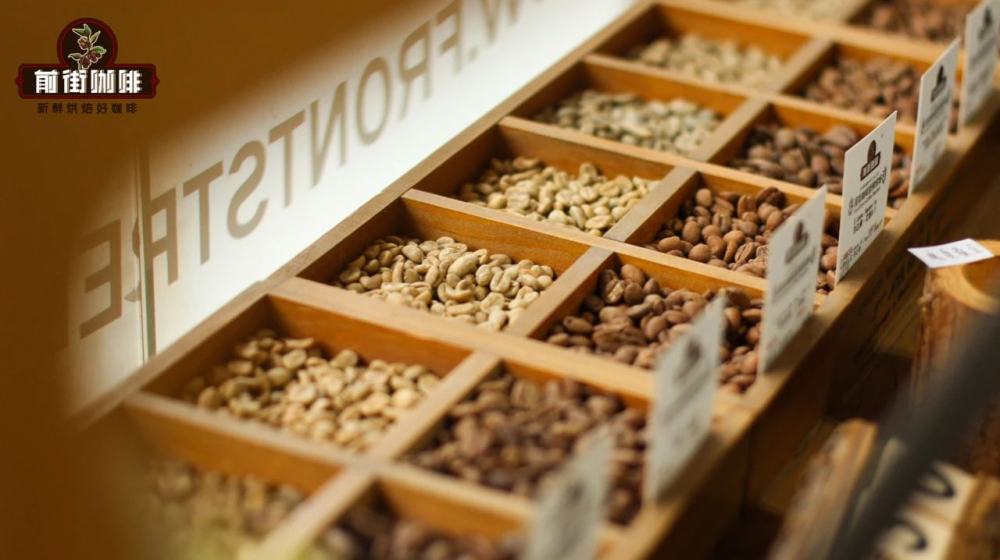
So what exactly is SOE coffee? Simply put, it’s espresso made from coffee beans sourced from a single origin and a single variety. In the past, espresso was mostly made with blends, aiming for balanced and stable flavors, but SOE breaks this mold by emphasizing the expression of "origin flavors." For example, an SOE from Yirgacheffe might showcase bright lemony acidity and floral notes, while an SOE from Guatemala might offer nutty, chocolatey, and full-bodied wine-like characteristics.
The allure of SOE flavors lies in their ability to highly concentrate and express the terroir—soil, climate, and processing methods—of their origin through the medium of espresso. However, this also means that SOE performance may vary slightly between batches, unlike blends that aim for consistent stability in flavor. Additionally, SOEs are usually more expensive because sourcing high-quality beans from a single origin is costlier and requires a more rigorous selection process.
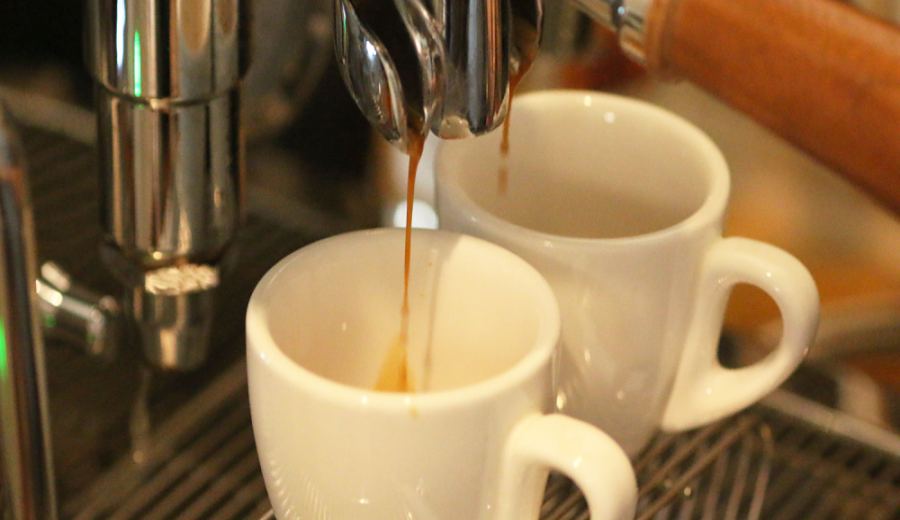
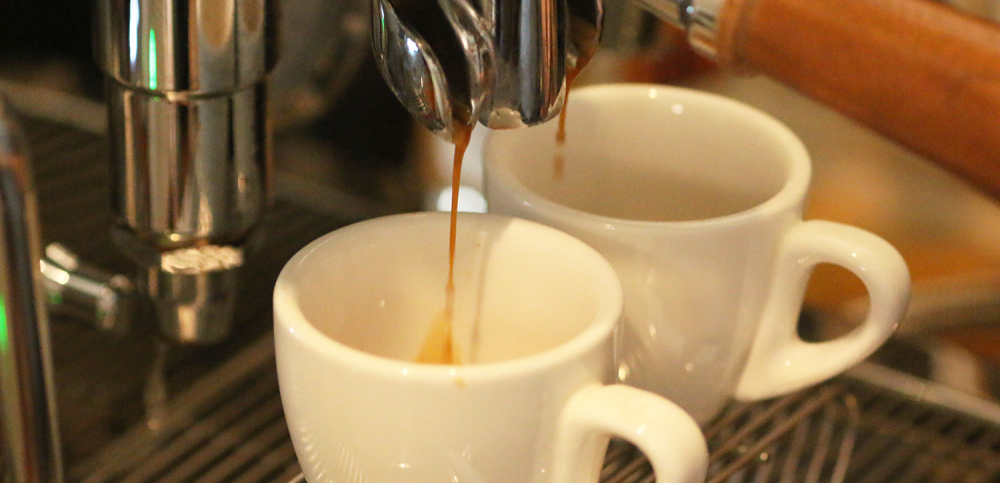
When we use SOE to make espresso, there are two common ways to enjoy it: straight espresso or Americano (espresso with water). Many people trying single-origin SOE espresso for the first time might be startled by its intense flavors or noticeable acidity—for instance, a washed-process Yirgacheffe SOE, with its crisp and bright acidity, might feel too sharp if consumed straight. But when used as the base for an Americano and diluted with hot water, not only does the acidity soften, the overall mouthfeel becomes more balanced and refreshing, while still showcasing the region’s delicate sweetness and aromas.
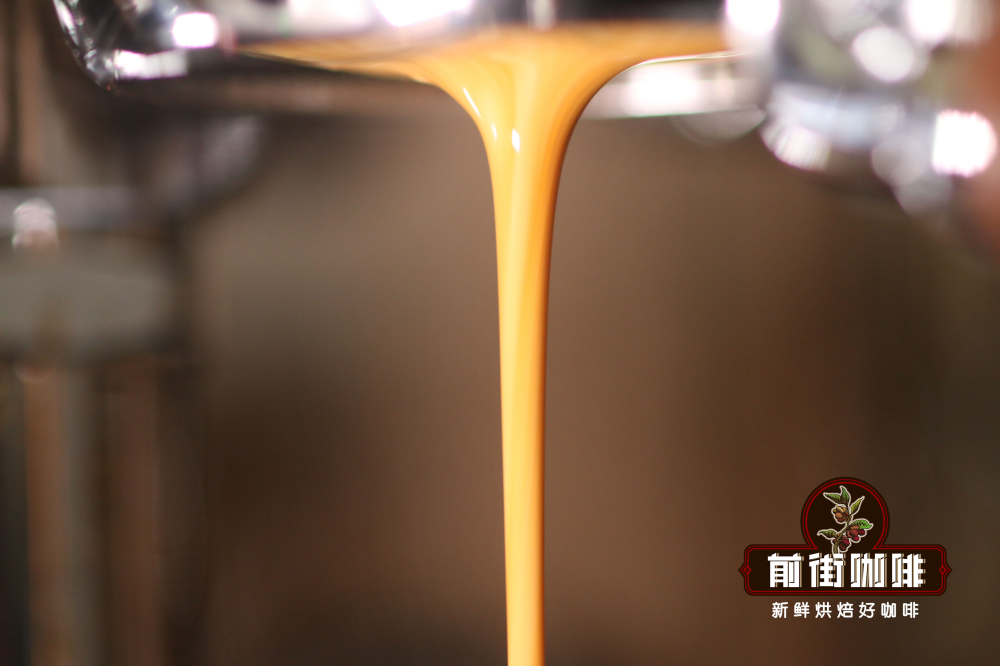
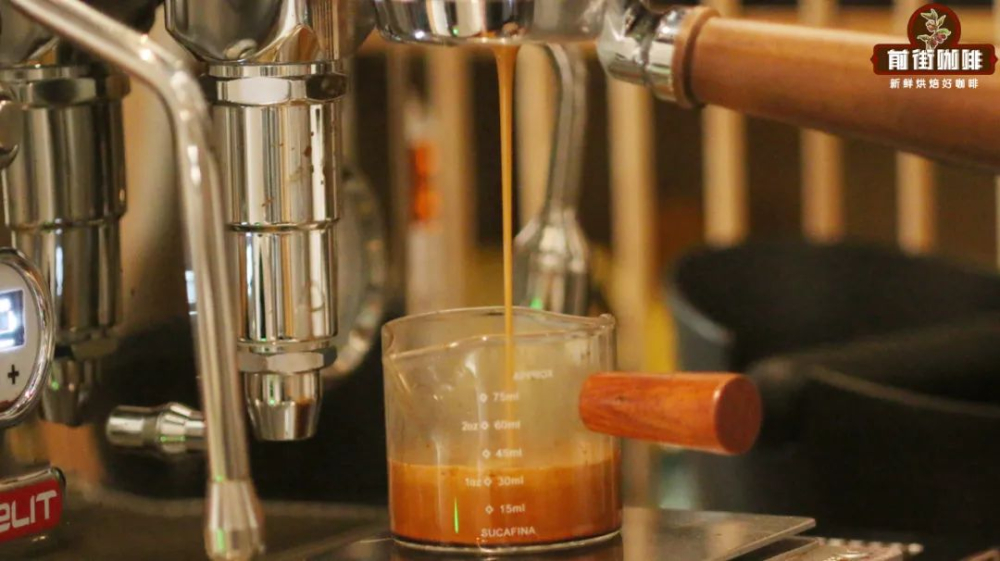
So how can you extract a delicious SOE single-origin espresso? The key lies in mastering several core parameters: brew ratio, water temperature, grind size, and extraction time. A commonly recommended brew ratio range is 1:2 to 1:2.5. Taking 20 grams of coffee grounds as an example, you’d extract about 40 to 50 grams of espresso, with a time frame of 25 to 30 seconds. For water temperature, it’s suggested to set it between 90°C and 94°C, adjusting slightly depending on bean variety and processing method. For example, lighter roasted SOEs (like sun-dried Yirgacheffe) can have the water temperature lowered slightly to 90°C–92°C to avoid over-extraction, which can lead to sharp acidity and astringency; medium-to-dark roasted SOEs can be brewed at 93°C–94°C to bring out richer body and caramelized notes.

Grind size is also a critical factor affecting extraction. SOE generally requires a finer grind—close to granulated sugar or slightly finer than the default “espresso” setting on most home espresso machines—to prolong the contact time between water and coffee grounds and extract sufficient flavor compounds. But beware: going too fine can cause channeling or over-extraction, resulting in bitterness or off-flavors. For first-timers, it’s recommended to fine-tune based on your machine’s characteristics, observing the color and thickness of the crema, as well as whether there are any obvious off-flavors or excessive dryness in the later stages of extraction.
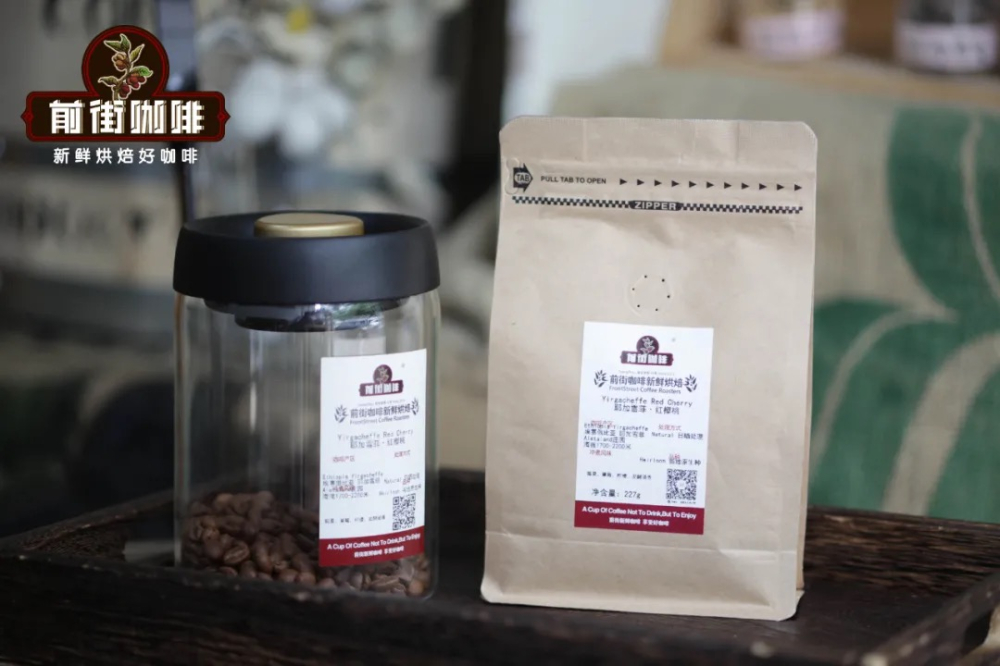
Take a commonly seen SOE coffee bean as an example—say, a sun-dried Yirgacheffe Red Cherry. Its SOE espresso typically presents a smooth mouthfeel, medium body, along with noticeable fruit acidity and caramel sweetness. When brewed as an Americano, the acidity becomes gentler due to dilution with water, resulting in a smoother entry with a cocoa-like aftertaste and refreshing fruity aroma. The overall flavor profile is more vibrant and layered compared to traditional blended Americanos. This is precisely the charm of SOE: not only can you experience regional characteristics, but you can also adjust brewing methods according to your personal taste preferences.
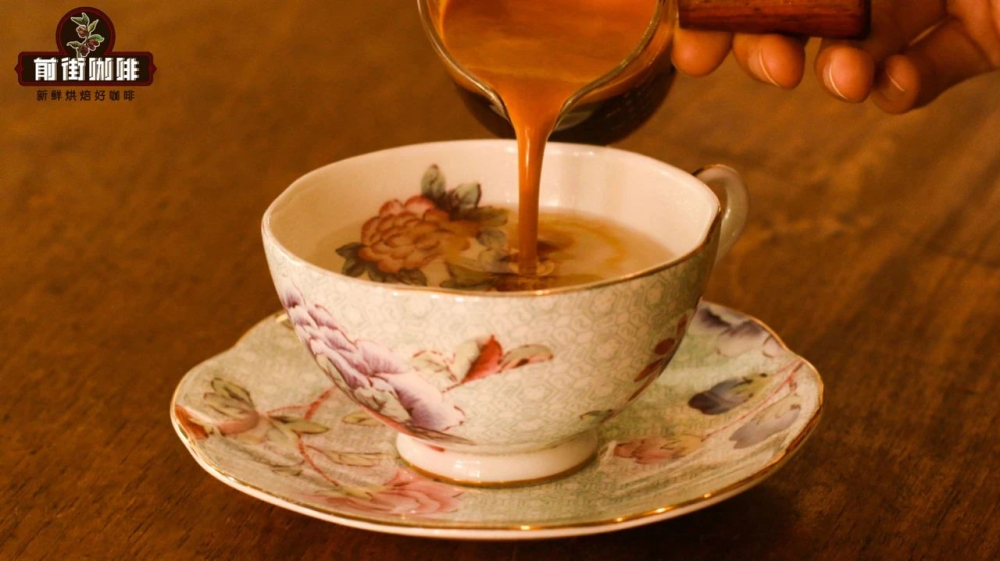
In summary, SOE single-origin espresso offers flavor distinctiveness and origin characteristics unmatched by traditional blends, but it also places higher demands on extraction parameters and brewing techniques. Whether you prefer the bold intensity of espresso or the refreshing balance of an Americano, as long as you master the right brew ratio, water temperature, grind size, and time, you can uncover a surprisingly delightful coffee experience from SOE.
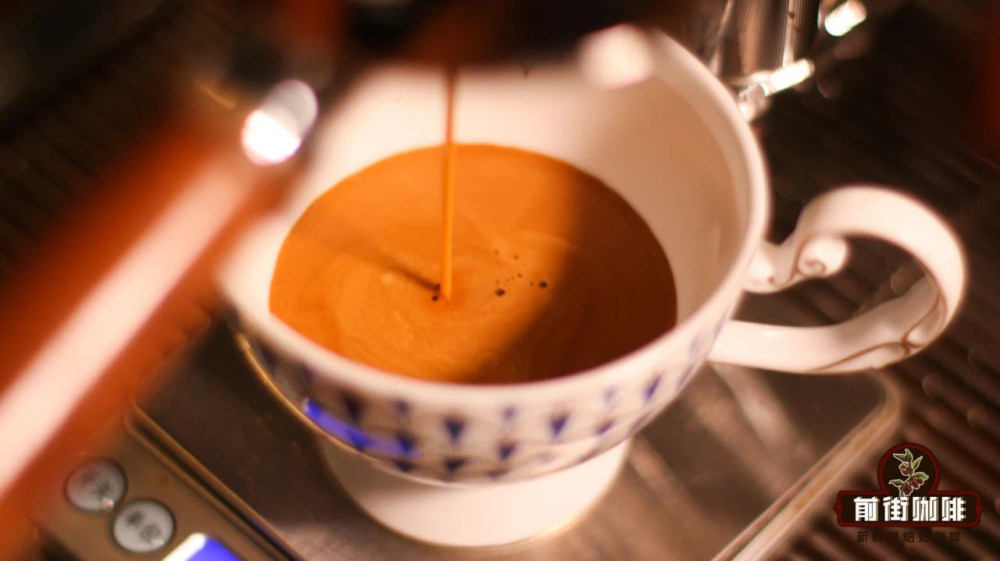
The above content is compiled by CoffeeHunters, a coffee news website.


