







Introduction:Want to learn how to make a classic Italian latte? This article delves into the origins of the latte, tips for selecting coffee beans, milk ratios, and extraction parameters. From the base espresso to latte art integration, we’ll guide you step-by-step in mastering this world-renowned milk coffee. Whether you’re a beginner or a coffee enthusiast, you’ll gain practical techniques and inspiration for adjustments.
"I am either in a café or on my way to one." This famous quote captures the Italians’ love for coffee, and the latte is an indispensable part of their daily life. The word "latte" means "milk" in Italian, and it’s a type of specialty coffee that perfectly combines espresso with steamed milk. With a rich espresso base and a moderate amount of frothed milk, it creates a smooth and sweet flavor that even those sensitive to caffeine can enjoy effortlessly.

Regarding the origins of the latte, one theory suggests its prototype was born in 17th-century Vienna, the city of music. When the Ottoman Empire’s army withdrew, they left behind a large quantity of coffee beans. The first café used these beans as raw material, and to cater to European tastes, added milk to balance the flavor, unexpectedly creating a mellow and smooth drink. This combination of milk and coffee later spread across Europe and gradually evolved into today’s latte.

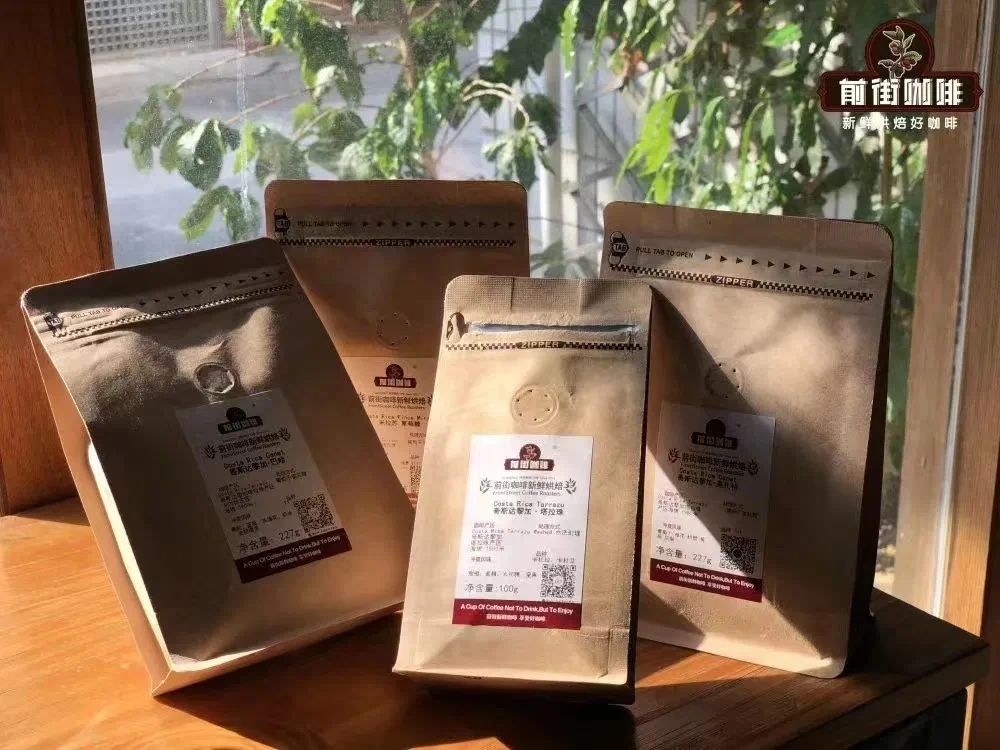
Making a delicious latte hinges on choosing the right coffee beans and milk. Generally, it’s recommended to use stable Italian-style blends—beans typically sourced from multiple regions and medium-to-dark roasted to produce rich crema, which helps integrate well with milk. Blends are commonly used by commercial shops due to their cost-effectiveness and are a more beginner-friendly and consistent option. Freshly roasted beans are ideally rested for 7–10 days and consumed within 45 days for optimal flavor.
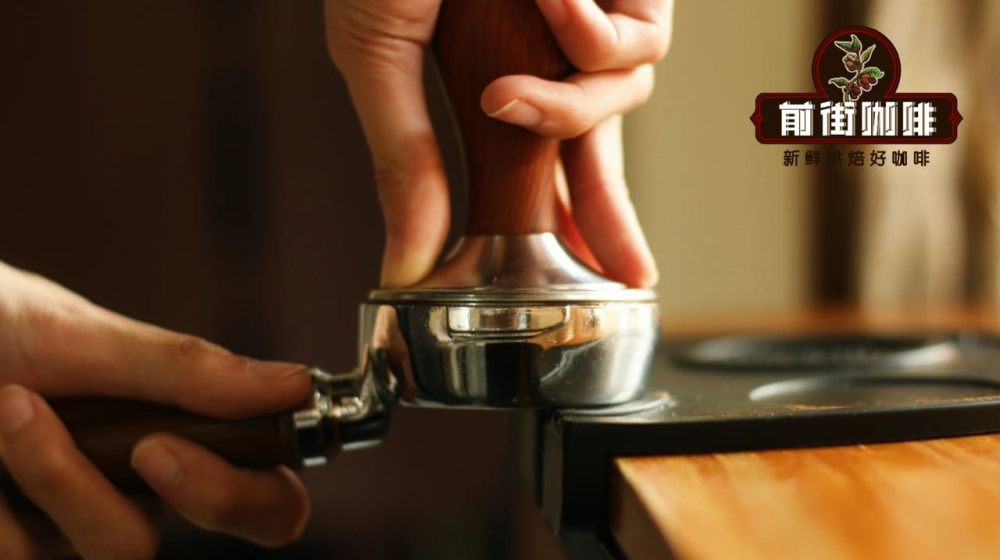
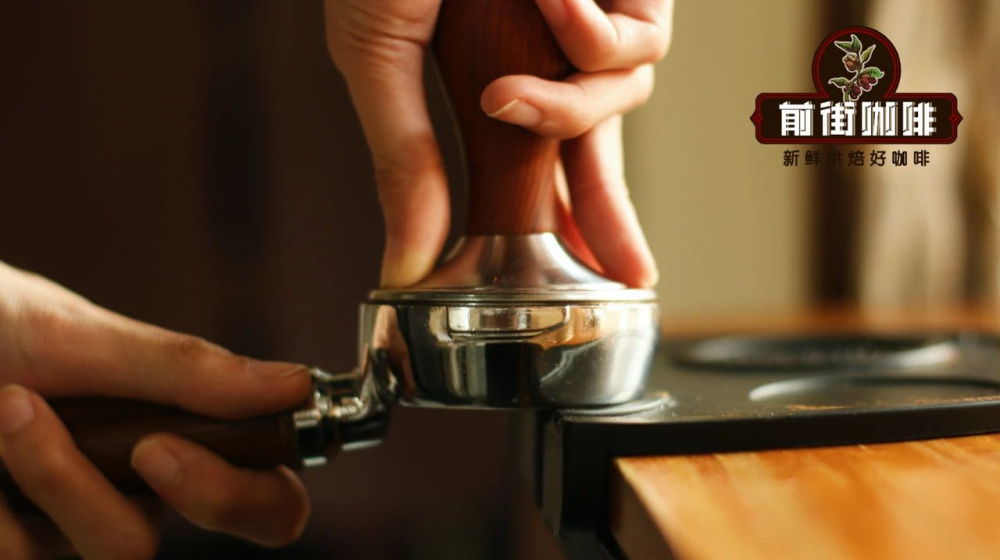
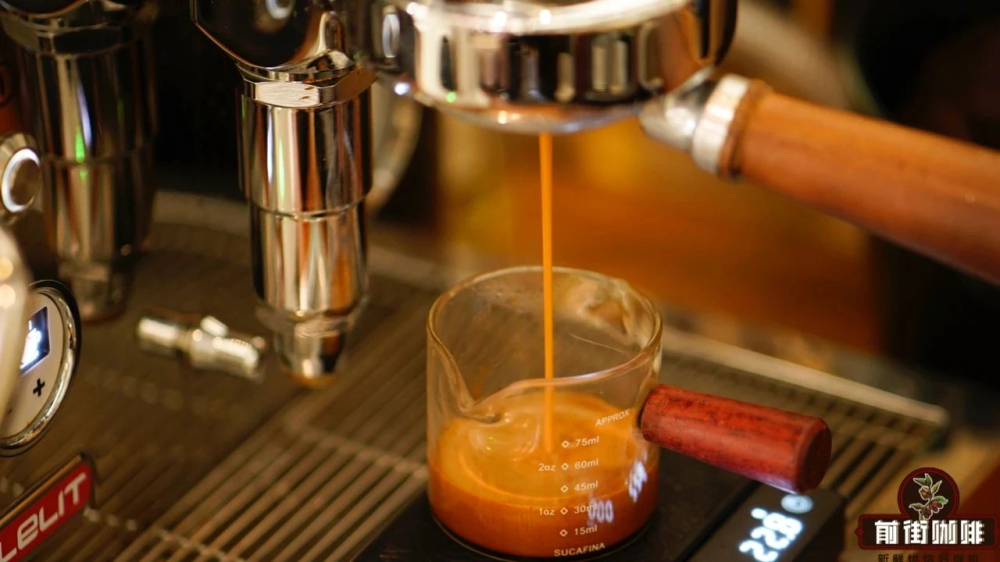
To make a standard latte, a double shot of espresso (around 20 grams of coffee grounds) is typically used, extracting 40 grams of espresso with a coffee-to-water ratio of about 1:2, and the extraction time controlled between 20–35 seconds, ideally around 28–30 seconds. It’s suggested to use a ceramic cup for the espresso and prepare a milk pitcher and fresh milk. The ground coffee should be evenly distributed and tamped to ensure stable water flow during extraction, avoiding over-extraction or weak flavors.

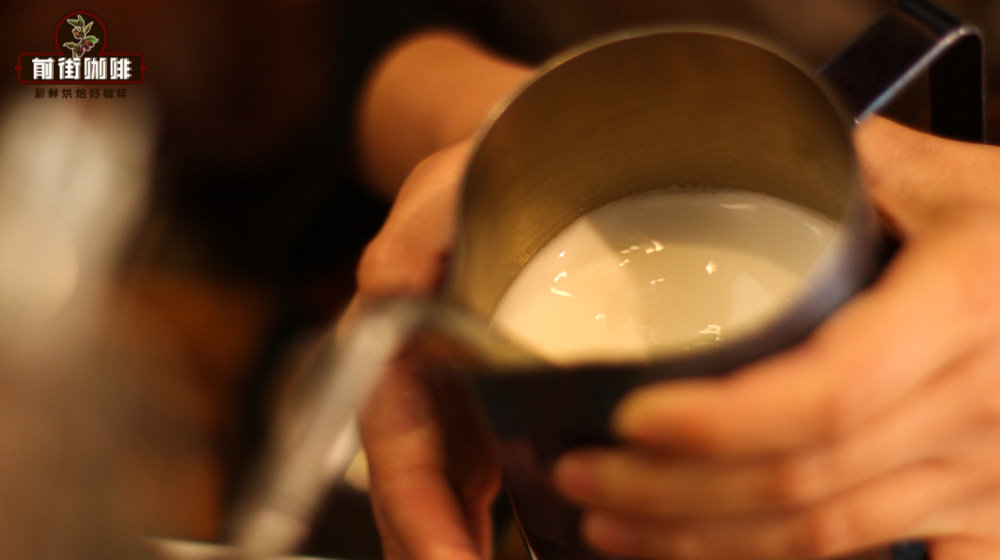
Frothing milk is a key step in making a latte. For a 300 ml cup, it’s recommended to use 240 ml of milk, leaving room for the foam to expand. When using the steam wand, first purge to release excess moisture, then submerge the wand just below the milk surface. Froth in two stages: start low to create fine microfoam, then raise the pitcher slightly to spin the milk and create velvety texture, resulting in about 1 cm thick, smooth, and pourable foam.
When integrating the frothed milk with the espresso, start by pouring from a slightly higher position to mix the coffee and milk evenly until about three-quarters full, then lower the pitcher to use the foam’s buoyancy to create patterns. Finish with latte art—common basic designs include a heart shape. The whole process requires control over flow rate and wrist stability, and the right foam thickness ensures smoother and more aesthetically pleasing latte art.
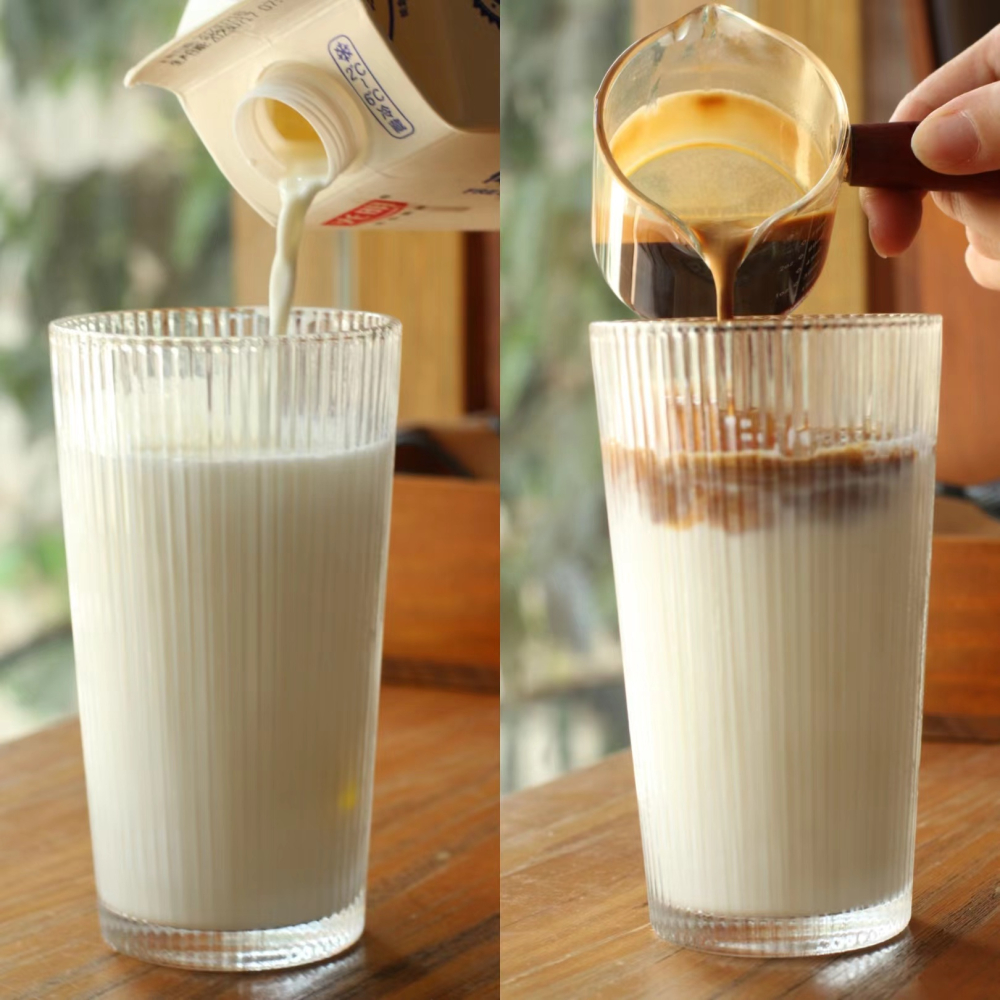
For an iced latte, the method is relatively simple: just place ice cubes and milk in the cup first, then pour the espresso and stir well. A general recommendation is a coffee-to-milk ratio between 1:4 and 1:8, which can be adjusted based on personal taste or the characteristics of the coffee beans. For example, dark roast beans usually pair well with a higher proportion of milk to balance their intense chocolate and nutty notes; whereas lighter roasts with brighter acidity are better with less milk to preserve more fruity and floral aromas.
Whether it’s a hot latte or an iced latte, the key lies in the harmony between coffee and milk. Mastering extraction time, coffee-to-milk ratio, milk temperature, and frothing techniques allows you to recreate café-quality lattes at home. Through continuous experimentation and adjustments, you’ll find your ideal cup.

The above content is compiled by CoffeeHunters, a coffee news website.


