







Introduction:SOE lattes have become a new favorite among specialty coffee enthusiasts in recent years, but making a cup that balances the unique character of the coffee with the richness of milk actually involves quite a bit of know-how. This article delves into the differences between SOE coffee beans and blends, the key parameters for espresso extraction, and explains in detail the optimal ratio of milk to coffee. It also walks you through the home brewing process and common mistakes, so you can easily replicate café-quality SOE lattes at home.
Coffee lovers who enjoy milk-based drinks are surely familiar with the latte. Simply put, a latte is a classic combination of espresso and milk. This pairing not only transforms the bold and slightly bitter taste of espresso into a smoother and more palatable flavor with the addition of milk, but also helps many people who don’t usually drink coffee gradually fall in love with its mellow and layered taste.
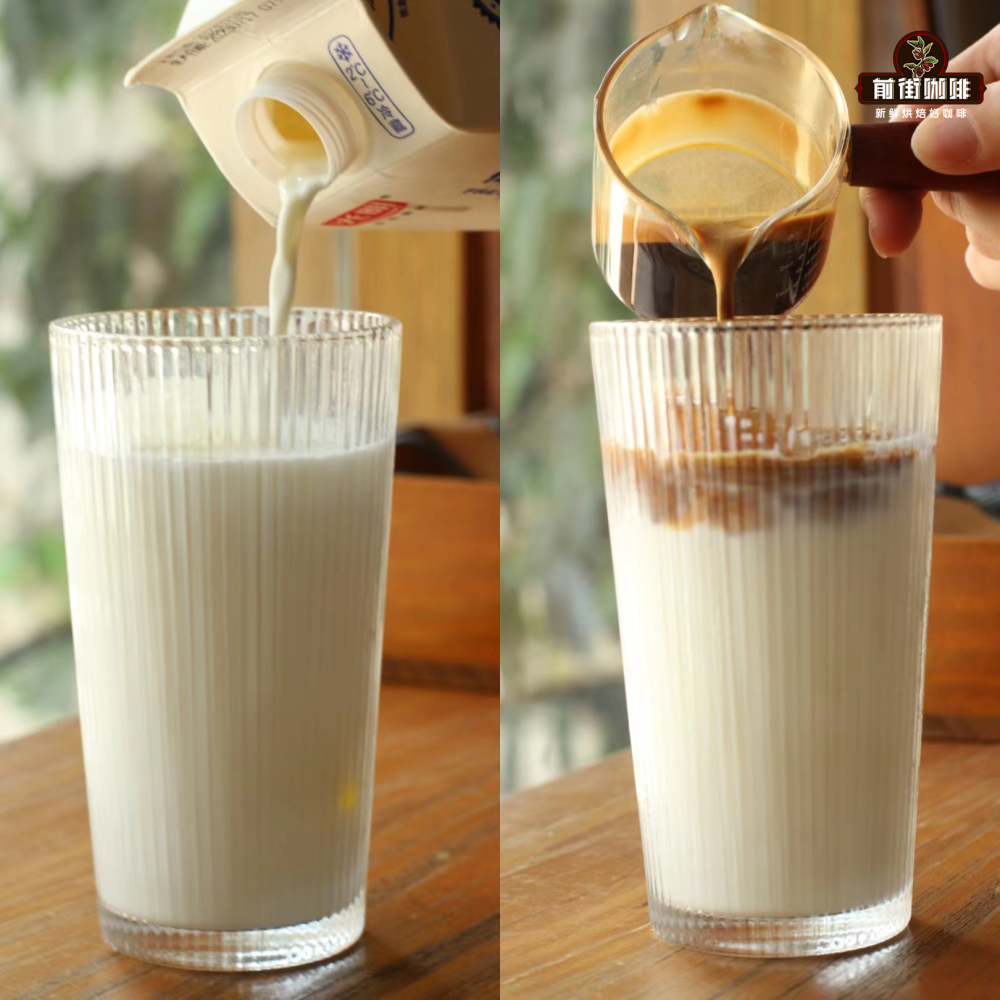
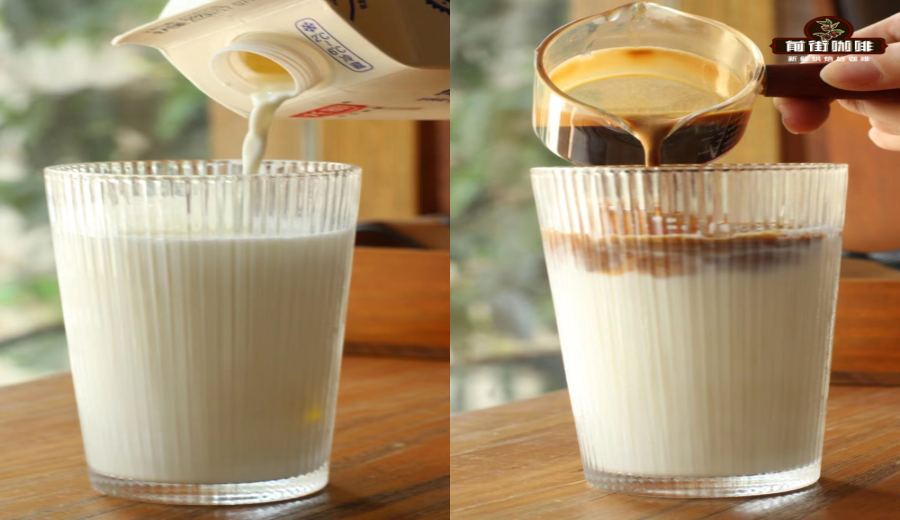
However, the charm of a latte isn’t just about “mixing things together.” If the ratio of coffee to milk is off, it’s easy for the overall flavor to deviate from the ideal. For example, too much milk can dilute the coffee’s flavors to the point of being almost imperceptible; on the other hand, too little milk can amplify the bitterness of the espresso. Therefore, mastering the right balance of coffee to milk is an essential key to brewing a satisfying latte.
As for the golden ratio of a latte, there’s actually no absolute standard—it varies depending on the characteristics of the espresso beans used and individual taste preferences. According to common industry practices, the typical espresso-to-milk ratio generally falls between 1:5 and 1:8. This range generally strikes a balance between coffee and milk, suiting the taste expectations of most consumers.

Common commercial espresso blends, known for their stability and often roasted to medium-dark or darker levels, help bring out rich crema and bold flavors, making them often excel in milk-based coffee drinks. These blends typically combine beans from different regions to deliver layered aromas and tastes, while also improving extraction success rates.
For example, a common commercial blend might consist of 90% Brazilian and Colombian Arabica, paired with 10% Vietnamese Robusta. Such recipes not only offer the dark roast notes of black chocolate, caramel, and cream but also use a small amount of Robusta to enhance crema thickness. However, these blends usually have a more pronounced bitterness, so when pairing with lattes, it’s recommended to use more milk to soften the overall flavor—for instance, using 40g of espresso with 320ml of milk in a 360ml cup, achieving a ratio of about 1:8.
For those who prefer a fresher, less heavy option, some shops also offer blends based on light or medium-light roasts, such as combinations of Ethiopian Yirgacheffe and Honduran Sherry. These “light and fresh” style blends often showcase flavors like sherry wine, vanilla cream, candy, and even chocolate, with lower bitterness. Therefore, when making lattes, there’s no need to use too much milk to mask their delicate aromas. A suggested ratio is around 1:6, such as 40g of espresso with 240ml of milk.
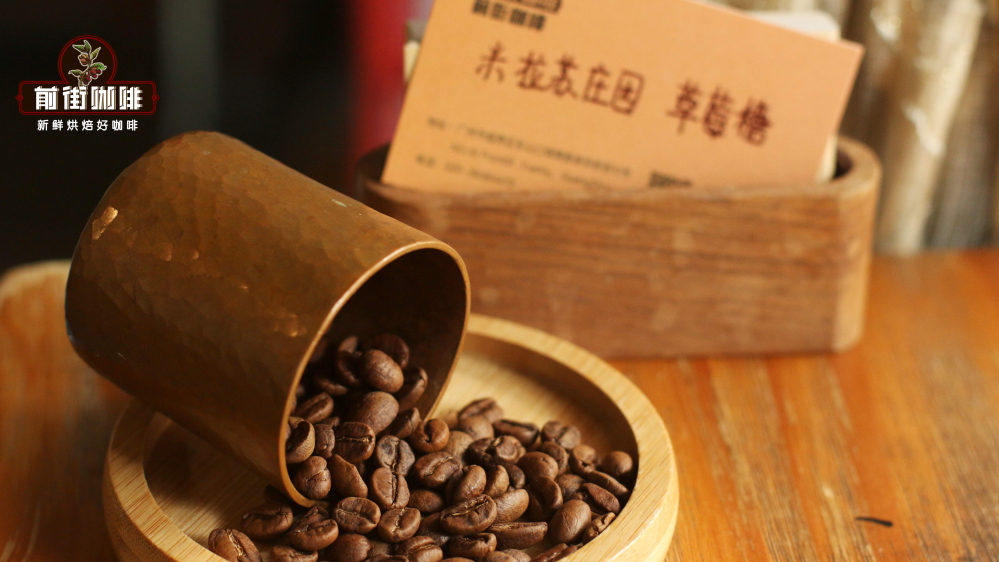
Speaking of the recently popular SOE coffee, it stands for “Single Origin Espresso,” meaning espresso made from beans sourced from a single origin. Unlike traditional blends, SOE emphasizes highlighting the unique flavors of that particular region—such as the citrus and lemon notes often found in Ethiopian beans, the raisin and honey sweetness of Costa Rican beans, or the floral and honey-like sweetness of Panamanian Geisha. Since they are often medium-light roasted, they preserve more delicate fruitiness and acidity, but this also makes them relatively more challenging to extract.
Because SOE coffee beans are typically roasted lighter and have a harder internal structure, adding milk directly can dilute their flavors, resulting in a thin overall taste. Therefore, when making an SOE latte, it’s recommended to control the coffee-to-milk ratio around 1:5 to highlight the coffee’s unique character while maintaining the smoothness of the milk. For example, using 20g of coffee grounds to extract 40g of espresso, paired with 200g of milk, achieves a good balance between flavor and texture.
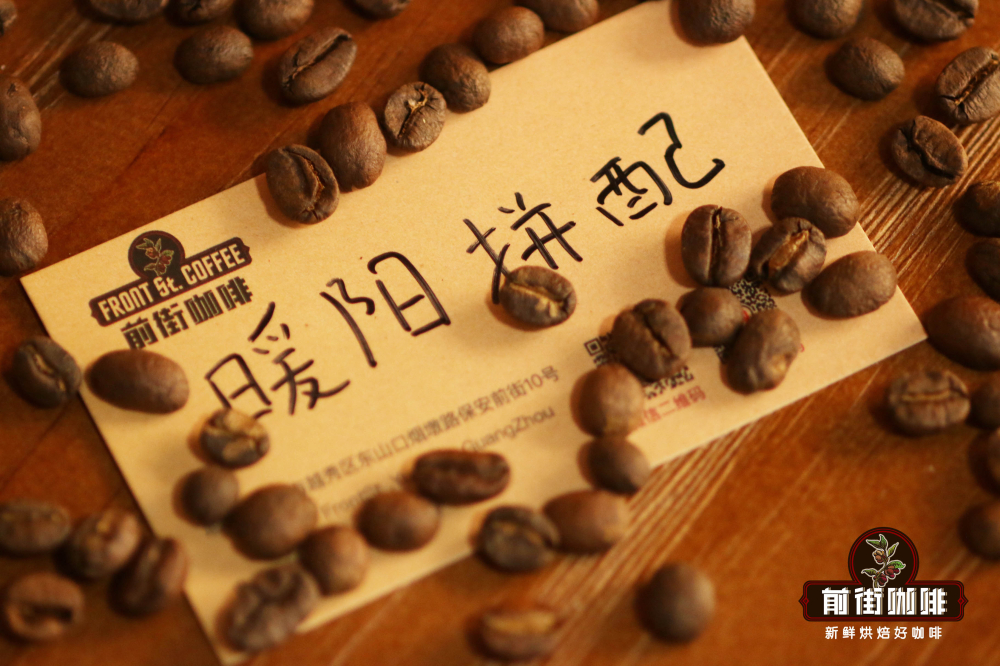
Below, we’ll use a Geisha blend from the Miramar Estate in Costa Rica as an example to explain how to go from extraction to milk texturing to create a flavorful SOE latte. This strawberry candy-flavored Geisha, processed with the raisin honey method, boasts distinct aromas of rose, strawberry preserves, and fruit candy. Whether enjoyed as an americano or with milk, it showcases captivating layers of flavor.
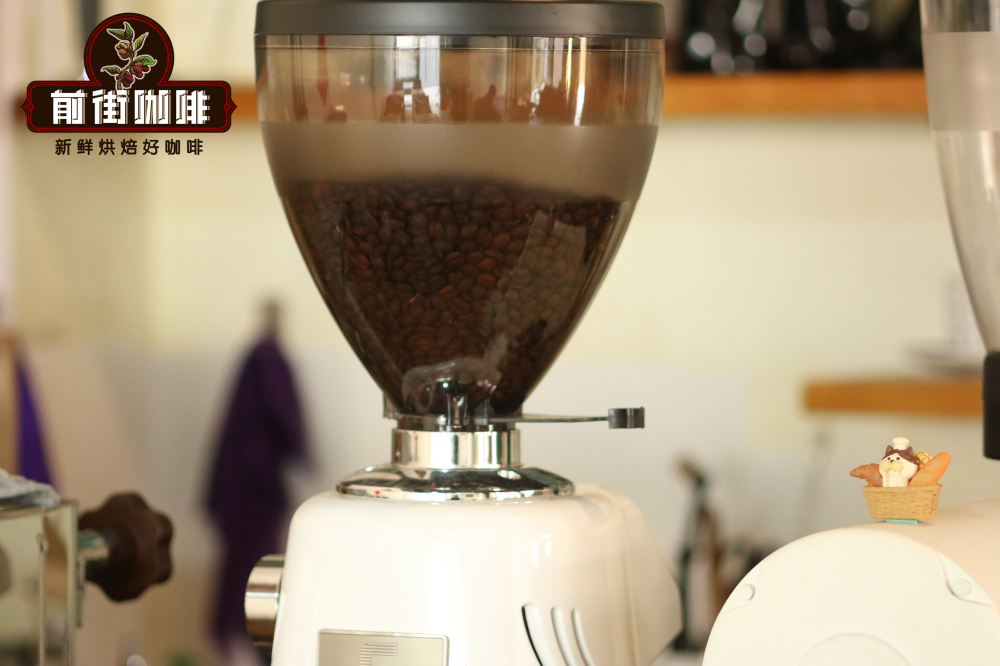
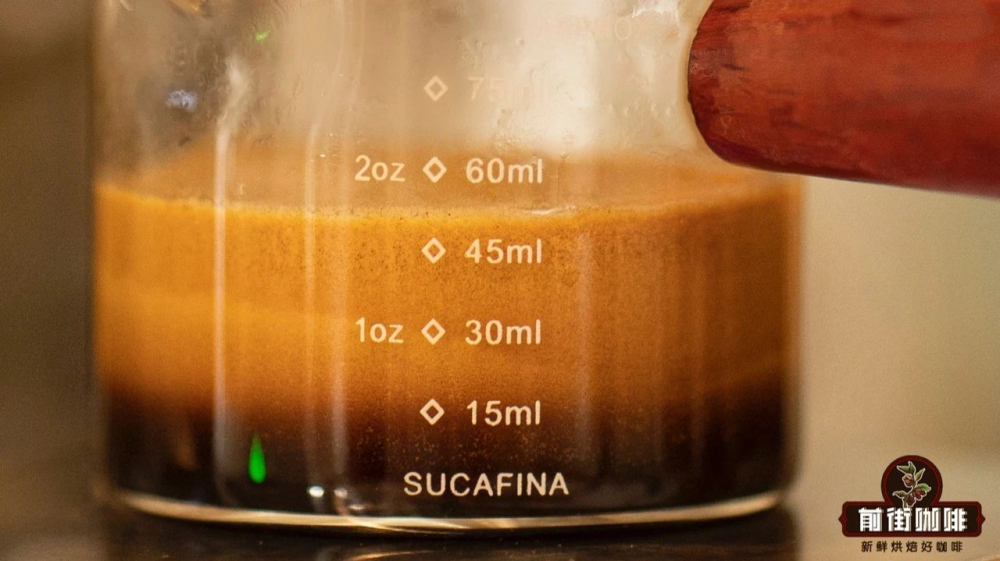
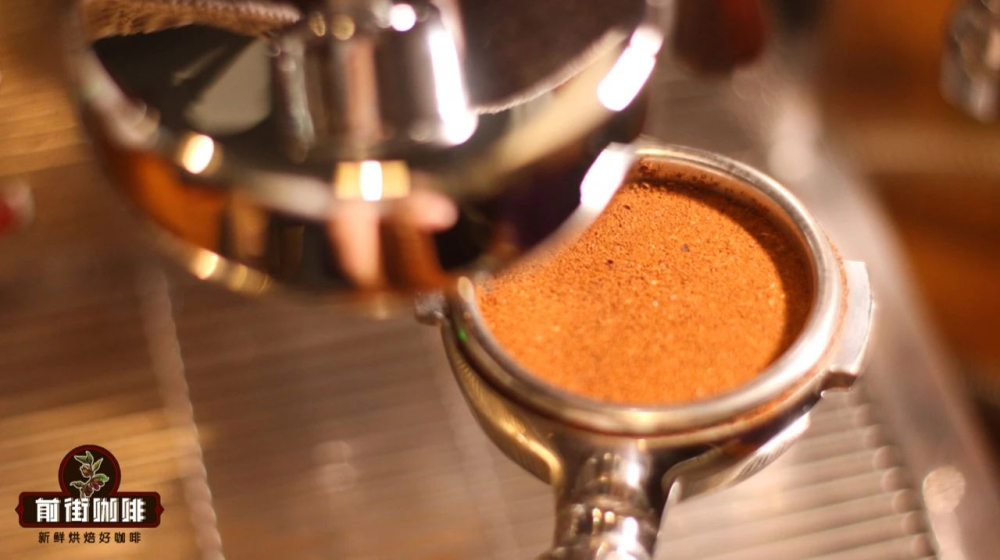
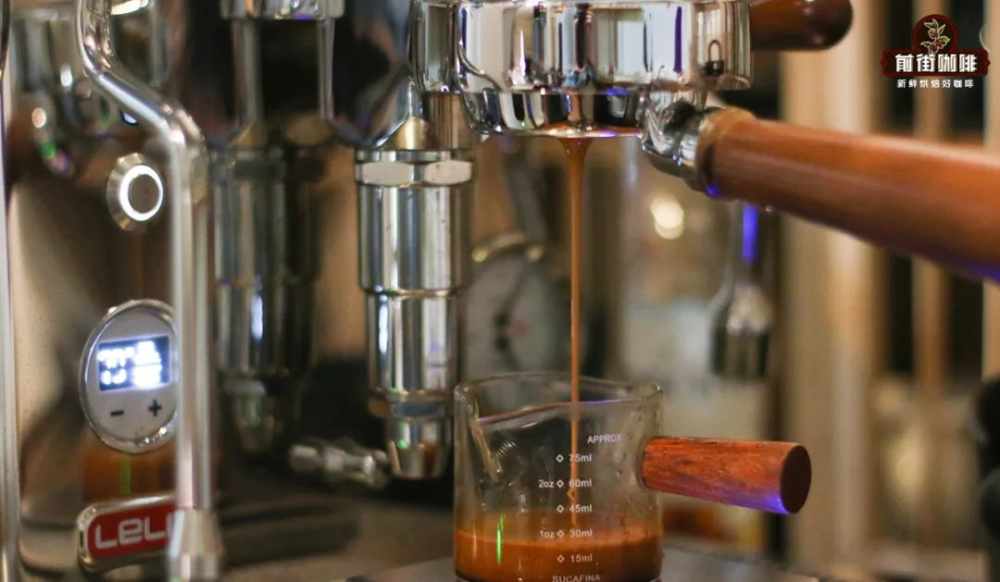
For extraction, it’s recommended to use a double-shot basket, with around 20g of coffee grounds. The target yield is 40g of liquid, with a coffee-to-water ratio controlled at 1:2, and an extraction time of about 26–32 seconds. The grind size can be set to 2.0 (using the Galileo Q18 grinder as an example), and a coffee machine with 9-bar pressure will meet basic requirements. Before extraction, make sure the portafilter is dry and the coffee puck is evenly tamped to ensure extraction stability.
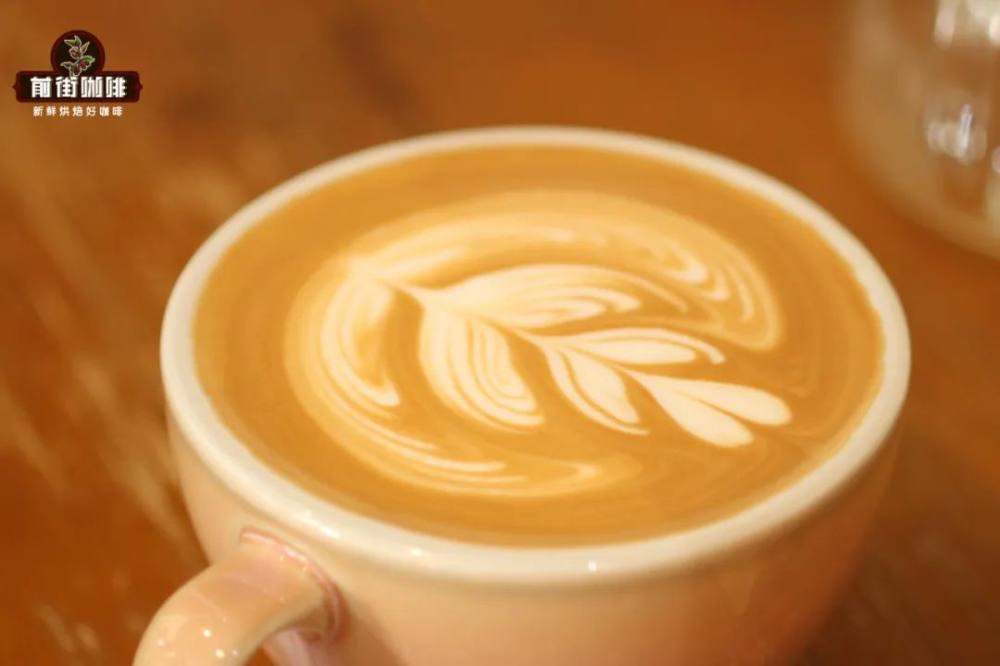
Before starting extraction, you can first release water for 1–2 seconds to wet the group head and clear any residual coffee grounds. Then reset the scale to zero, place the shot glass underneath, securely attach the portafilter, and start the extraction. Observe the flow rate and timing of the extraction—when the yield reaches 40g and the time approaches 30 seconds, you can stop. Then pour the extracted espresso into a cup and set aside.
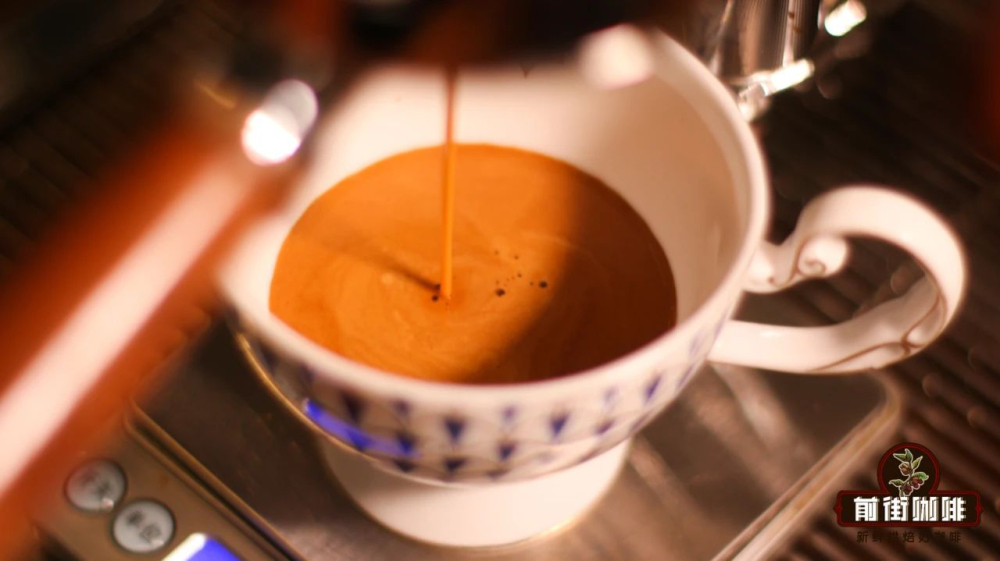
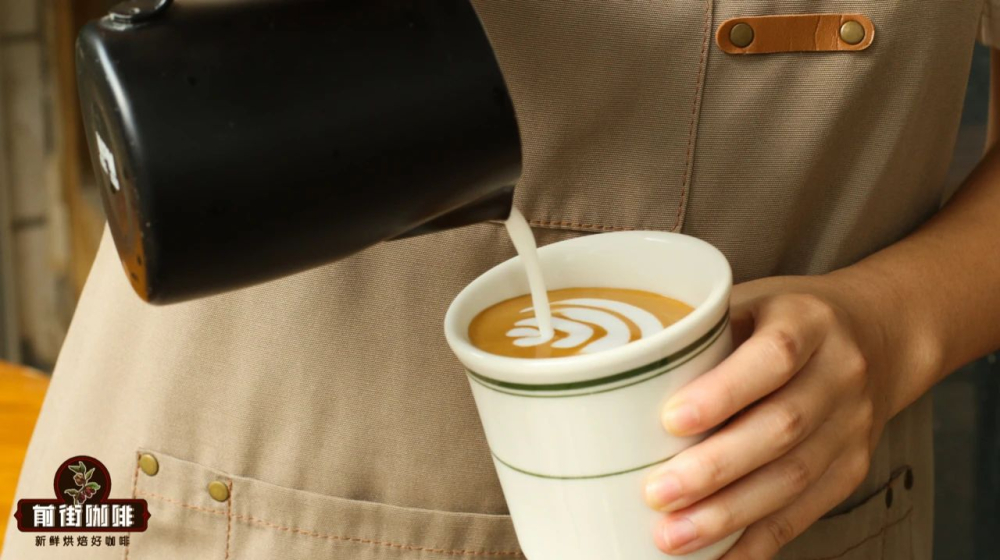
For steaming the milk, it’s recommended to use about 200g of fresh cold milk. Adjust the steam wand to the appropriate angle and texture the milk until the foam is fine and the thickness is about 0.3–0.5cm, with the temperature controlled between 55–60°C. The finished milk should have a smooth and velvety texture. After evenly blending it with the espresso, finish with latte art as the final touch, and your uniquely flavored SOE hot latte is complete.
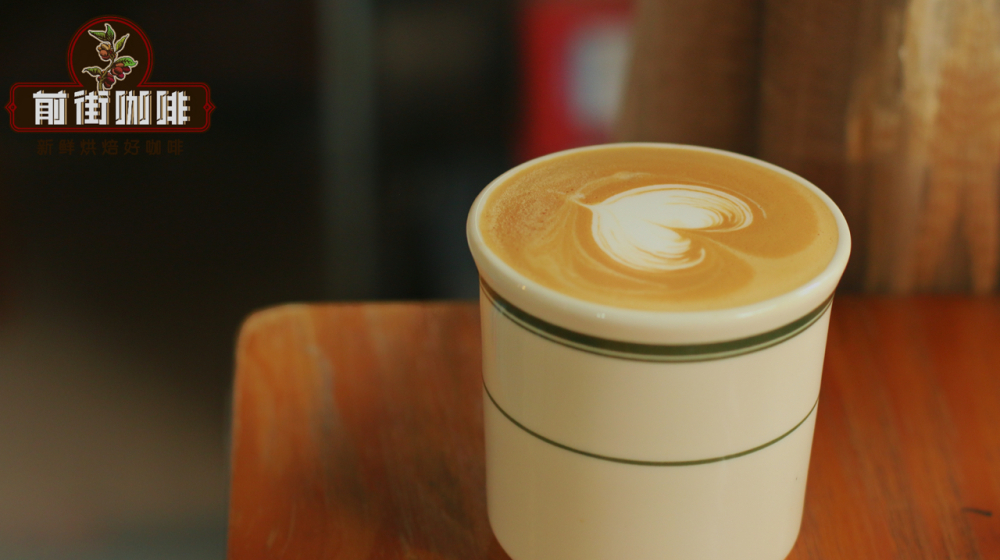
When tasting, this strawberry candy Geisha SOE latte not only showcases distinct floral and fruity aromas but also features delicate notes of berries, flowers, raisins, and almonds. The coffee crema is richly layered, and the finish leaves a full-bodied sensation of chocolate and hazelnuts. The overall flavor is as memorable as a cranberry cookie.

The above content is compiled by CoffeeHunters, a coffee news website.


