







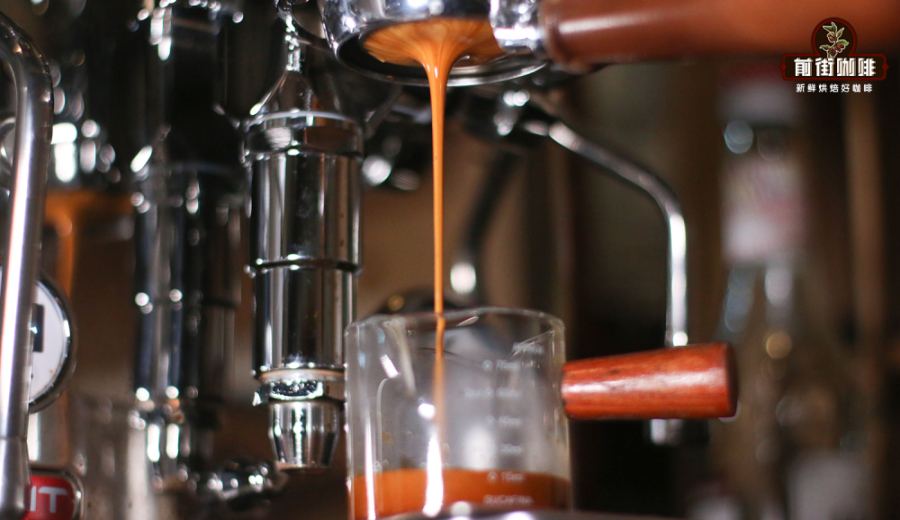
Introduction:SOE (Single Origin Espresso), or single-origin espresso, has become a hot topic in the specialty coffee scene in recent years. But what exactly is the difference between it and the more common espresso blends? Does it offer more distinctive flavors? This article delves into the definition of SOE, the types of coffee beans suited for it, key points in roasting and extraction, and explores how it differs from regular espresso — helping you better understand how to choose and brew a cup of espresso with vivid flavors.
With the rise of the specialty coffee trend, SOE (Single Origin Espresso) has gradually gained attention. Unlike traditional espresso blends, SOE emphasizes coffee beans sourced from a single origin or region. Through high-pressure extraction, it highlights the unique flavor characteristics of that particular place. For example, Ethiopian Yirgacheffe often presents bright citrus and floral notes, while Kenyan beans are commonly known for their berry and wine-like aromas. These distinct traits can be more easily amplified during high-pressure espresso extraction.
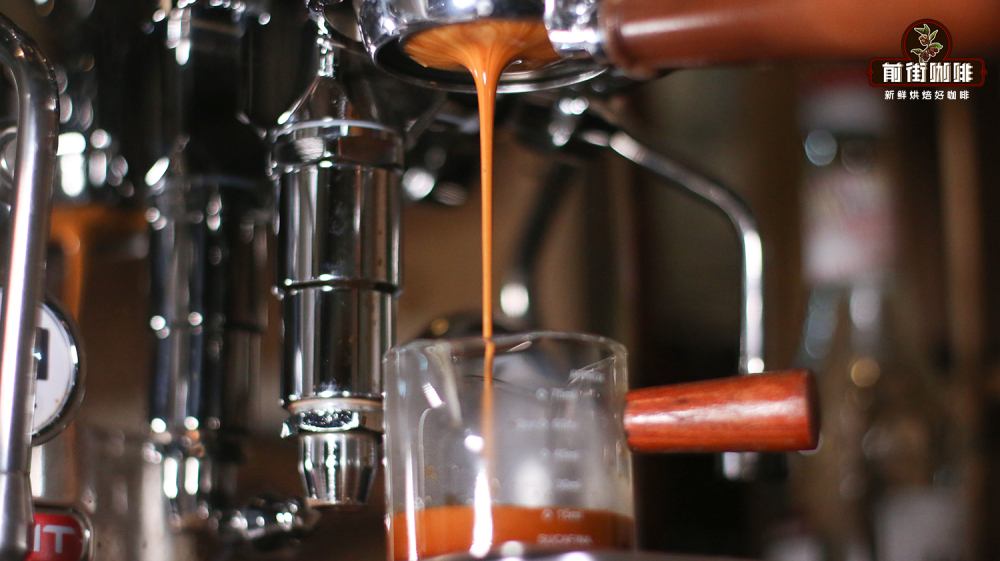
However, while SOE offers the advantage of strong flavor identity, it also comes with challenges. Since it uses beans from only one origin, if the inherent flavor profile of those beans isn’t strong enough, or if the roasting, grinding, and extraction parameters aren’t properly adjusted, it can easily result in overly sharp acidity or a lack of complexity. Therefore, selecting suitable coffee varieties and fine-tuning an appropriate roast profile are crucial.
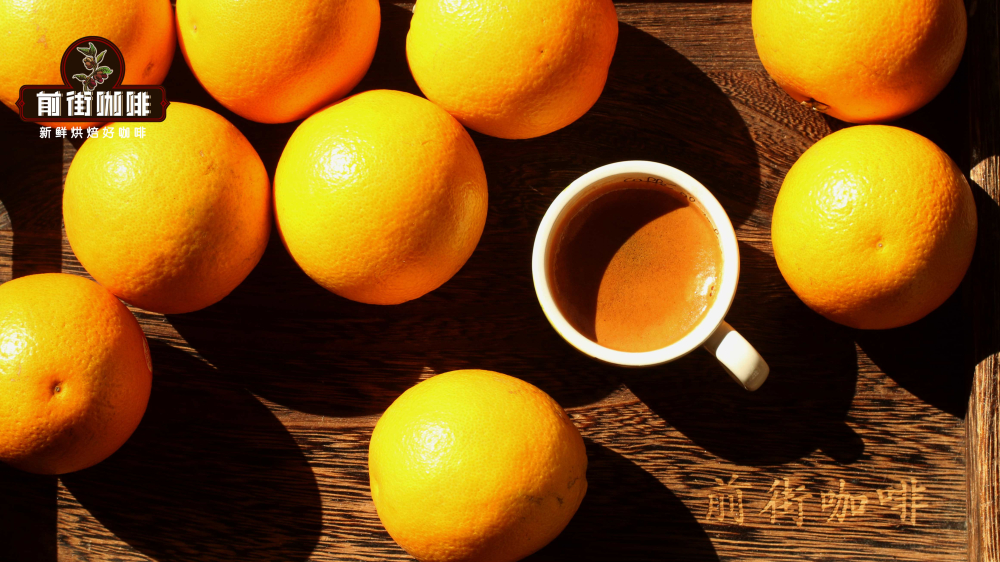
Many people wonder — is SOE simply made by using the same single-origin beans typically used for pour over to make espresso? The answer is not quite. Although technically possible, the roasting requirements for the two are vastly different. Pour over favors medium to light roasts to preserve acidity and fruity notes, whereas espresso requires a more balanced sweetness, body, and sufficient extraction yield. Using a medium-light roasted bean suitable for pour over directly in an SOE could lead to excessive acidity, under-extraction, or even a lack of the rich body expected in espresso.
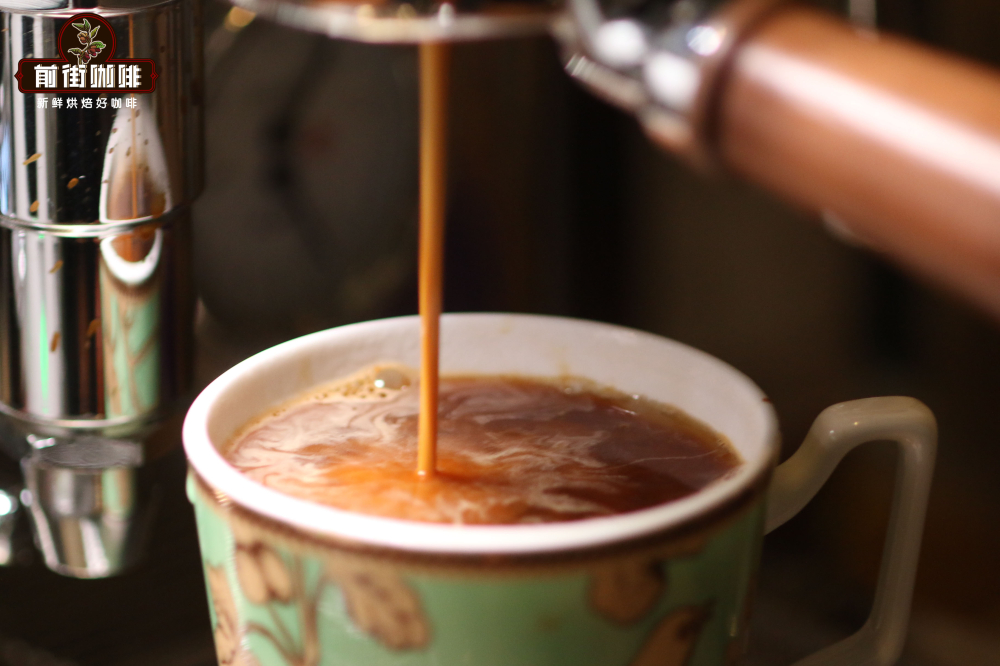
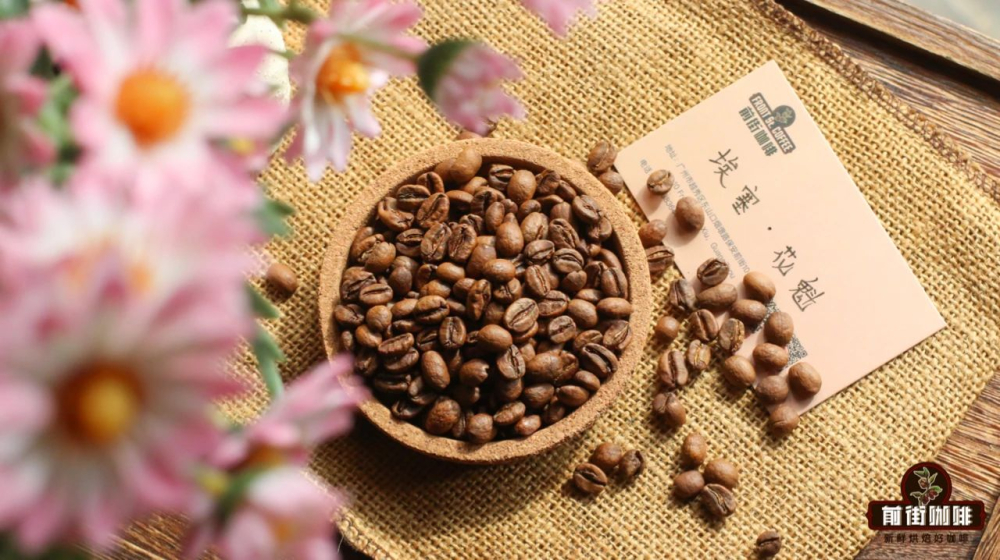
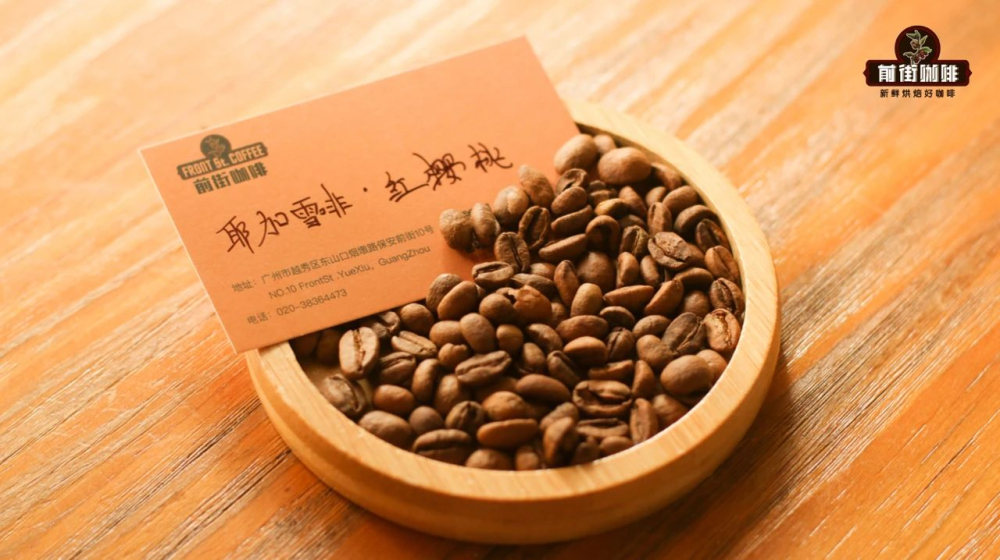
Generally speaking, coffee beans suitable for SOE should have a distinct and intense flavor profile, such as those with clear fruitiness, sugary sweetness, or fermentation characteristics. For instance, Ethiopian Natural Red Cherry, grown at altitudes of 1700–2200 meters and processed via full natural red cherry fermentation, offers rich citrus, berry, and fermented aromas, with bright and vibrant acidity — making it a highly representative choice for SOE.
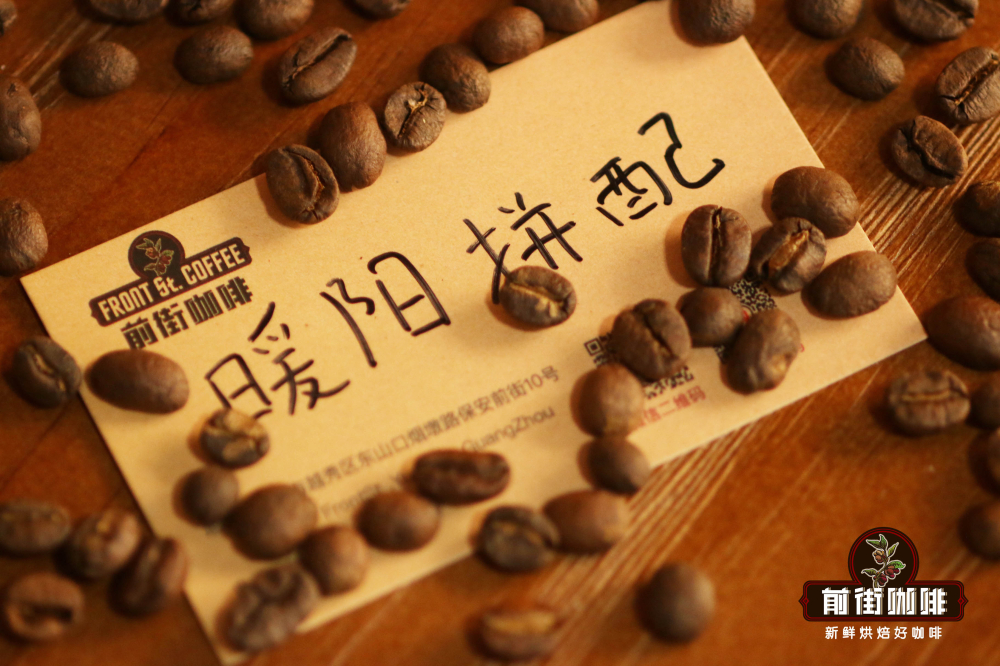
For those who prefer wine-like notes and a fuller body, Honduran Sherry Cask Fermented beans are also a popular recommendation. These beans are processed through sherry cask fermentation, delivering pronounced whiskey-like aromas, dark chocolate, and a creamy mouthfeel. With soft and slightly higher acidity, the overall taste is smooth and layered. Such beans with intense and well-structured flavors can better withstand the high-pressure extraction of espresso, resulting in a rich body and enticing aroma.
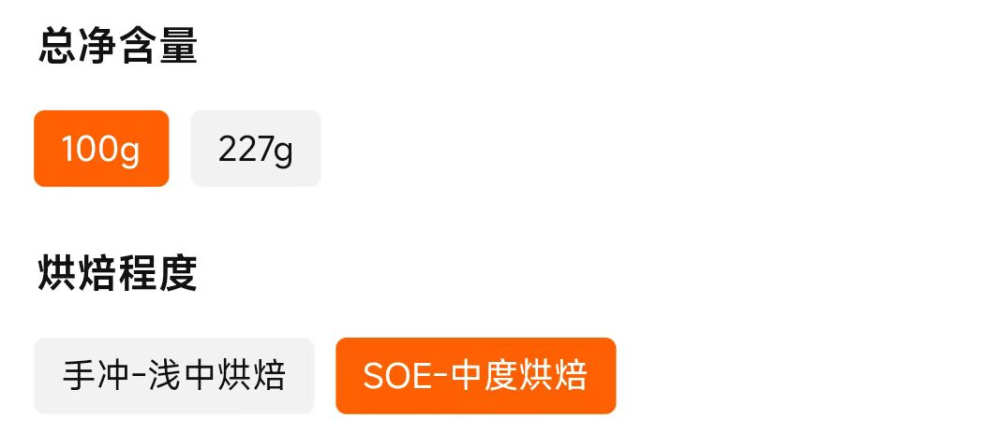
In terms of roasting and extraction, SOE beans are usually roasted to a medium to medium-dark level. It shouldn’t be too dark to avoid erasing the origin characteristics, nor too light to prevent excessive sharpness in acidity and extraction difficulties. Moreover, since SOE beans often have vivid but not necessarily balanced flavors, special attention needs to be paid to extraction parameters. For example, extending the extraction time slightly, using a finer grind, or increasing the dose a little can help improve extraction yield and bring out the full flavor spectrum.
When choosing between blends and SOE, blends focus on flavor balance and consistency, typically combining beans from multiple origins to ensure each cup delivers a uniform taste. In contrast, SOE emphasizes individuality and expressive flavors, making it ideal for coffee enthusiasts who enjoy exploring nuanced profiles and are willing to embrace higher risk and variability. For coffee shops, offering a signature SOE can also leave a stronger impression on customers and enhance brand recognition.
In summary, the charm of SOE espresso lies in its ability to showcase the unique terroir characteristics of a single origin through its beans. However, its success depends on the design of the roast profile, the adjustment of extraction parameters, and the consumer’s openness to diverse flavors. Whether you're a barista or a coffee lover, understanding the characteristics and operational details of SOE can help you more accurately appreciate and present a high-quality cup of single-origin espresso.
The above content is compiled by CoffeeHunters, a coffee news website.


