








Introduction:To make a hot latte with a smooth texture, delicate milk foam, and beautiful latte art, controlling the temperature of the milk foam is key. This article delves into the ideal heating range for milk foam in espresso beverages—from the scientific rationale behind 55°C to 65°C, to common issues that arise when temperatures exceed 70°C, such as changes in flavor and texture. It helps coffee beginners master steam wand handling and temperature judgment techniques, improving the consistency and flavor performance of every cup.
As temperatures gradually drop, many coffee lovers prefer a steaming hot latte. This classic Italian coffee combines espresso with steam-heated milk and is topped with delicate milk foam, offering both warmth and a rich mouthfeel. However, to achieve the best flavor and texture, controlling the heating temperature of the milk foam is crucial.
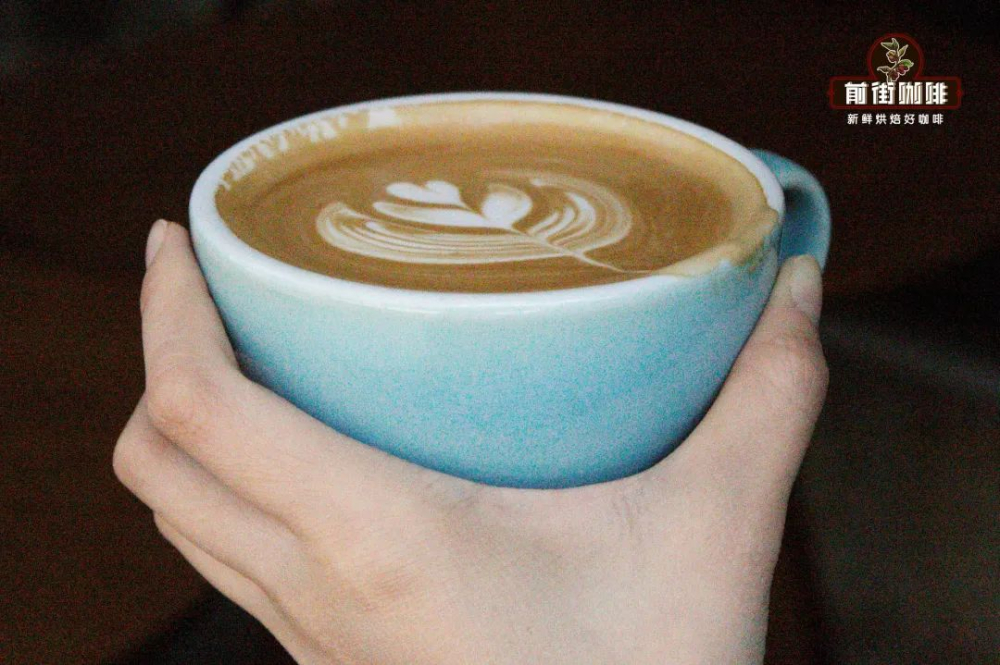
To slow down the cooling of a hot latte, some baristas heat the milk to higher temperatures. But finding the optimal milk foam temperature is a fundamental skill every coffee beginner needs to learn.
In professional coffee preparation, the milk foam temperature for hot milk coffee is generally recommended to be controlled within55°C to 65°C. This range not only ensures proper integration of milk and foam but also maintains good latte art stability and a smooth texture. Once the milk is frothed and fine foam is produced, it should quickly enter the heating stage, where steam injection creates a uniform vortex, helping to homogenize the foam and the base milk.
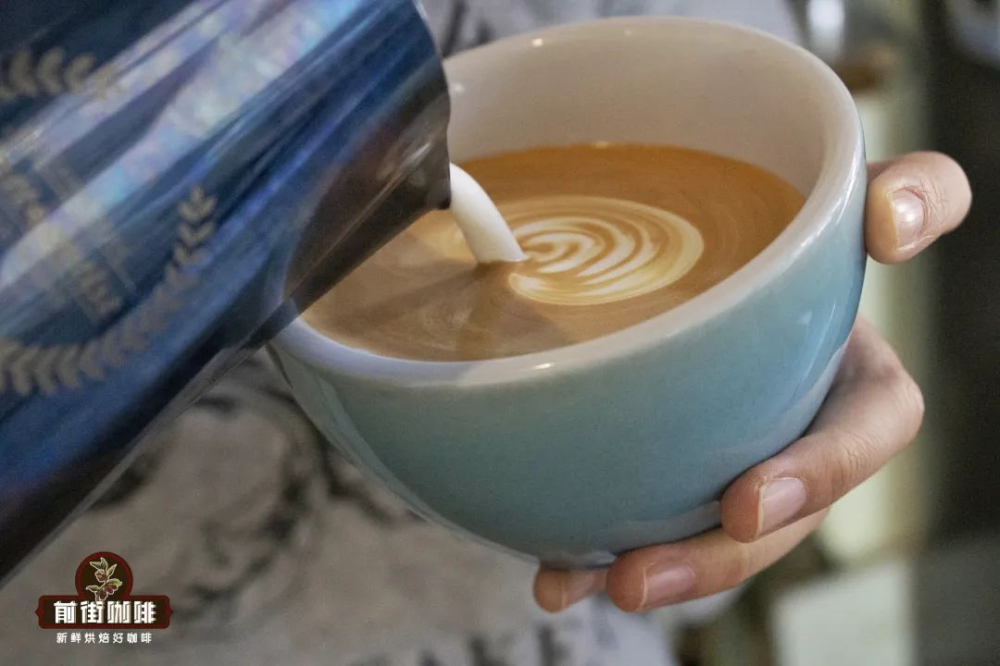
It’s especially important to note that50°C to 70°C is the optimal temperature range for milk stability. Within this range, the protein and fat structures in milk have not yet undergone irreversible changes due to high heat, so the foam is less likely to break and can retain more of its aromatic richness and delicate texture. This is why most coffee shops consistently maintain the milk foam temperature of hot lattes within this range.
However, once the milk foam temperature exceeds70°C, the overall performance of the beverage often begins to decline. First, because the steam heating time is too long, the small air bubbles (i.e., what we call milk foam) do not heat up in sync with the liquid, leading to a noticeable “separation feel”—the temperature difference between the hot liquid and the top foam feels uncoordinated, and the excessive heat may even mask the creamy texture of the foam itself.
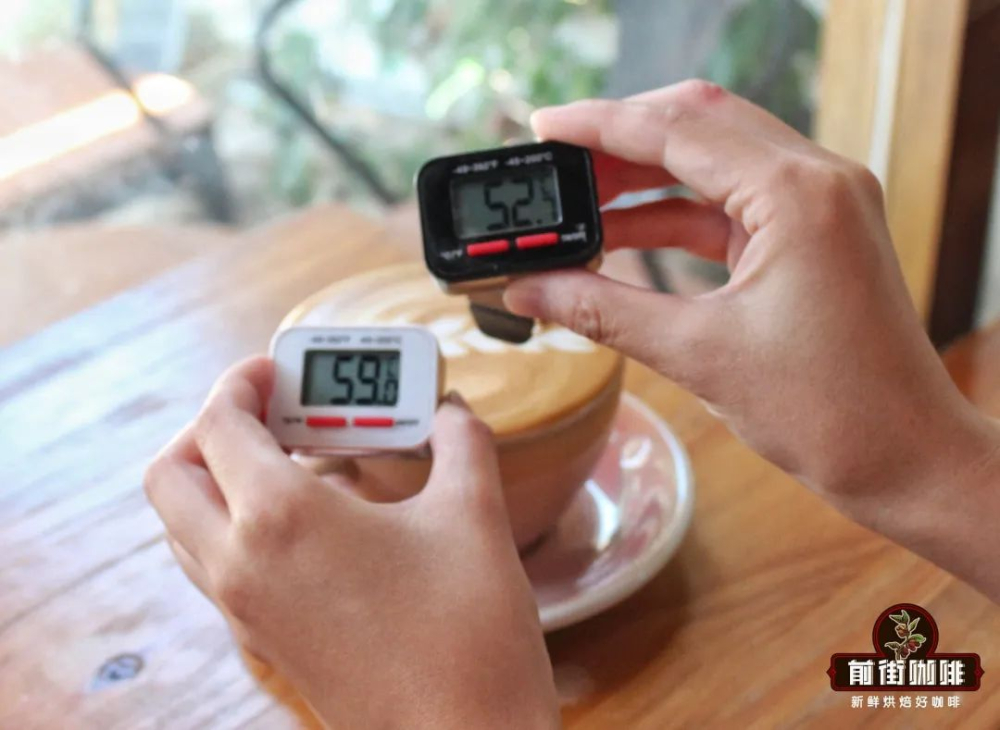
In addition, overly hot milk foam can also cause a contrast in the overall milk aroma of the coffee. While it might smell rich and milky right after brewing, it often ends up tasting thin or even slightly off-putting with a sour milk note upon drinking, and the texture becomes coarse. These issues are especially evident in latte art, where excessively high temperatures can rapidly reduce foam stability, causing designs to collapse or crumble easily.
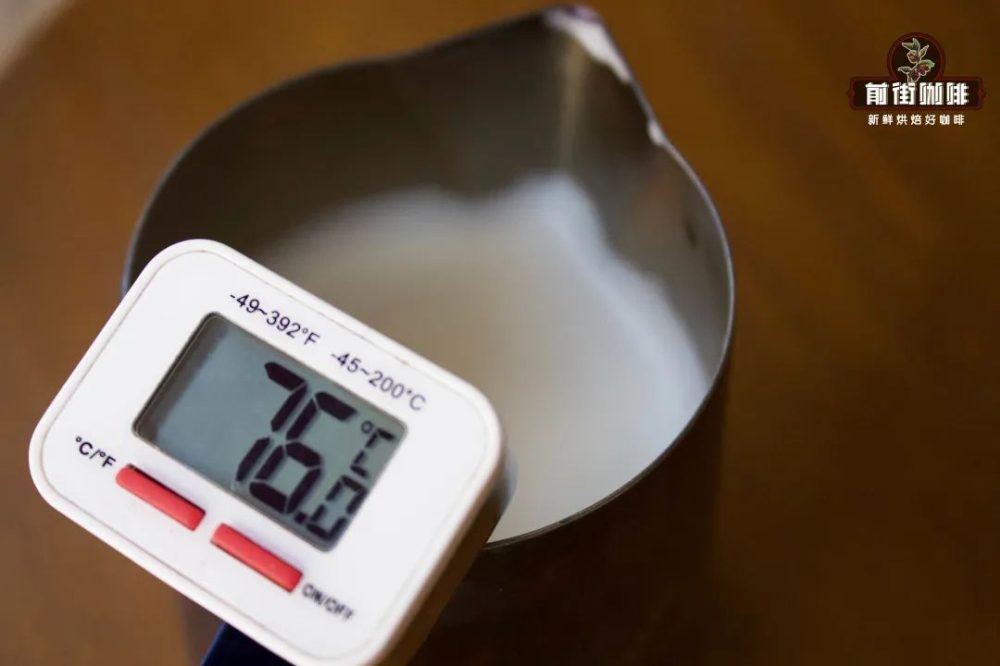
For coffee beginners, mastering milk foam temperature control can start from two aspects: using a thermometer for accurate measurement and developing experience through palm sensation. Generally, when the milk temperature rises to about40°C, holding the milk pitcher will give a slight warm feeling; as steam continues to be injected, when your palm clearly feels a burning sensation, it usually indicates the temperature has reached55°C or above. This critical point is very important, and beginners are advised to practice more to develop muscle memory for the feel.
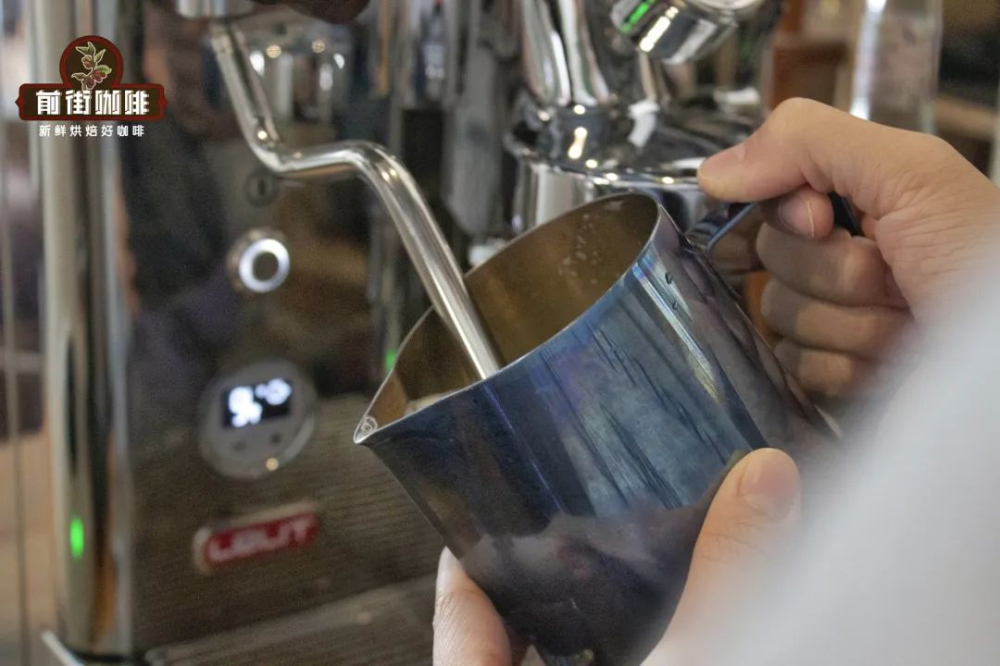
For baristas or advanced enthusiasts already familiar with steam wand operation, they can rely on feel alone to judge. By fully submerging the steam wand into the milk and controlling the mixing state of foam and milk while listening to sounds and feeling vibrations, they can achieve the ideal temperature. Especially in low-temperature environments during autumn and winter, it is recommended to preheat the coffee cup in advance or choose materials with better insulation, such as ceramic, to slow the cooling of the hot latte.
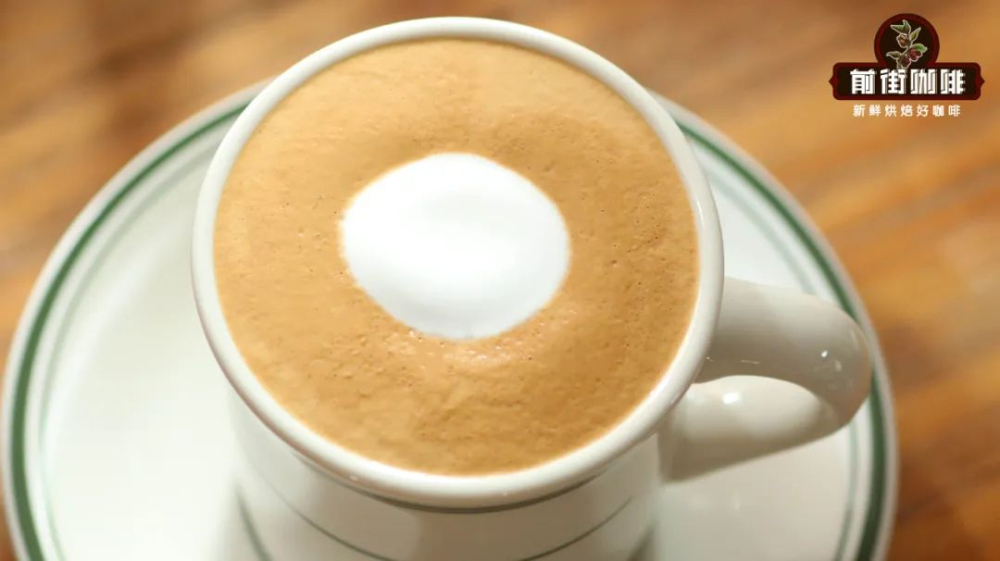
In actual serving parameter settings, many professional shops set the milk foam temperature at around65°C, which represents about3 to 5 secondsof steam heating, balancing aroma release and taste harmony. If making a cappuccino, it is recommended to keep the milk temperature below60°Cto accommodate its characteristic milk foam layer of about 1.5 to 2 cm thick, ensuring the drinking experience isn’t compromised by excessive heat.
The above content is compiled by CoffeeHunters, a coffee news website.


