







Introduction:Many beginners in specialty coffee often face a common challenge: they can’t taste the flavors listed on the packaging, and this leads them to doubt their own tasting abilities. This article will help you move beyond the misconception that “naming flavors” is the only goal, and instead guide you through a practical and systematic framework for evaluating coffee based on five key aspects—aroma, overall impression, mouthfeel, taste, and aftertaste. This approach will enable you to more accurately assess the quality of a cup of coffee and explain why you might not be tasting the described flavors.
Many newcomers to the world of specialty coffee often find themselves puzzled by their inability to identify the various flavors described on the packaging from the coffee they drink. Some even begin to question whether they truly have the ability to discern flavors. In reality, when talking with baristas or fellow coffee enthusiasts, people often mistakenly believe that being able to name the flavors in coffee equals mastering the art of tasting—but this is a common misconception.
Flavor descriptions are just a small part of the overall tasting process. The true essence of tasting lies in evaluating whether a cup of coffee is enjoyable as a whole, and identifying its strengths and weaknesses. To systematically judge the quality of a cup of coffee, it’s recommended to focus on the following five key dimensions: aroma, overall impression, mouthfeel, taste, and aftertaste. By using these concrete criteria, you can establish your own personal tasting standards.
Many beginners report that they simply can’t detect any of the so-called flavors when tasting coffee, and despite reading numerous guides, they still can’t seem to perceive them in practice. If you’re facing the same issue, you may want to refer to the following practical tasting tips to help you build a sharper perception of coffee from the ground up.
First, it’s important to clarify one key concept: evaluating coffee does not mean you have to accurately describe every flavor in it. Many people assume that if they can name the flavors they perceive, they’ve mastered the art of tasting. However, flavor description is just one component of the overall tasting system, and it often relies on personal memories and associations with everyday food flavors.
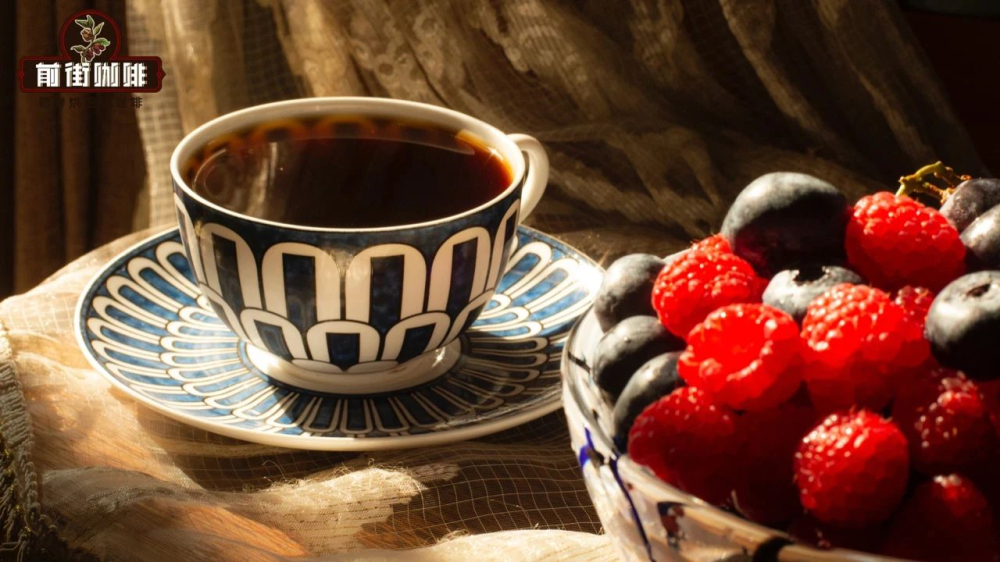
For example, if the acidity of a certain coffee reminds you of green apples, we might describe it as having green apple notes. But this is only possible if you’ve actually tasted green apples before and remember their unique sweet-tart profile and aroma. That way, you can recognize similar characteristics in coffee. Therefore, to improve your ability to identify flavors, it’s essential to expose yourself to a variety of foods—especially fruits—and continuously build up your flavor memory bank. Unfortunately, there are no shortcuts; it takes consistent tasting and memorization.
However, the ultimate goal of tasting coffee is to determine whether the cup is enjoyable, what makes it good, and where it could be improved—and this has little to do with whether you can name specific flavor notes. Even if you can’t pinpoint any particular flavors, you can still make reasonable judgments based on other objective indicators.
If you’re a coffee enthusiast looking to learn how to evaluate a cup of coffee, it’s recommended to start with the following five concrete dimensions: aroma, overall impression, mouthfeel, taste, and aftertaste.
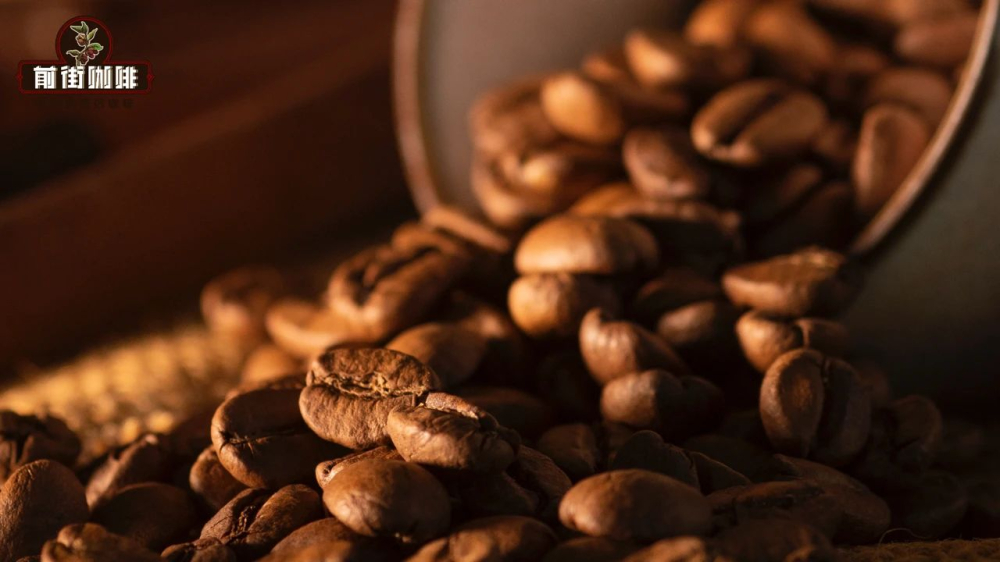
Aroma is the first sensory signal we encounter when drinking coffee, and it’s also one of the key indicators of coffee quality. Coffee aroma can be divided into two stages: dry aroma and wet aroma.
Dry aroma refers to the scent released by freshly ground coffee beans, which often directly reflects the bean’s inherent quality. For instance, light roasted beans may exhibit aromas of toasted bread, fresh floral notes, or jam-like sweetness; while dark roasted beans tend to showcase richer notes such as roasted nuts, spices, pine, or even dark chocolate.
As for wet aroma, this refers to the scents released from the coffee grounds during brewing as steam rises. Light roasts often give off delicate floral notes, tangy fruitiness, and sweet, syrupy aromas; dark roasts, on the other hand, typically feature complex profiles including spices, roasted walnuts, hazelnuts, and caramel.
Being able to detect pleasant aromas in coffee undoubtedly enhances the overall tasting experience; conversely, unpleasant odors—such as raw almond (similar to peanut skin), medicinal smells (like American ginseng), burnt notes, or rubber—can significantly detract from your impression of the cup. Training your aroma sensitivity also requires regular exposure and comparison, gradually building your own aroma memory library.
Overall impression refers to the initial feeling you get upon first tasting the coffee after smelling it. The criteria here are actually quite simple: Does the coffee feel pleasant to drink? Does it make you want to take another sip?
If a coffee feels smooth, free of off-flavors (i.e., it has high cleanliness), has an appropriate strength, and doesn’t provoke any aversion, then it has met the basic passing standard. If after the first sip, you naturally want to go for a second, then the coffee is undoubtedly very successful.
Of course, everyone’s taste preferences differ. Some people may naturally dislike coffees with pronounced acidity, so they might find acidic coffees uncomfortable to drink—and that’s perfectly normal. If you’re approaching coffee from a hobbyist perspective, you can certainly evaluate based on personal preference and identify the types of coffee that suit your palate best.
However, if you wish to gain a deeper understanding of the fundamentals of coffee tasting, you’ll need to maintain a degree of objectivity alongside your subjective preferences. Learn to adopt a “critical eye” to spot potential issues in the coffee, such as off-flavors, burnt notes, astringency, or disharmonious flavors. As long as a coffee doesn’t exhibit these obvious flaws, even if you personally aren’t drawn to certain flavor notes, your preferences shouldn’t affect your judgment of the coffee’s overall quality. Precisely because individual taste varies so widely, there are specialized coffee sensory training courses designed to help participants develop a more objective set of evaluation standards.
Mouthfeel is a relatively straightforward aspect to evaluate when assessing coffee, because we can use water as an excellent reference point. If a coffee feels similar to water in the mouth, we often describe it as having a “noticeable wateriness” or “thin mouthfeel”; if it feels obstructed or astringent, we might say it has a “rough mouthfeel” or “astringency.”
Conversely, if the coffee presents a fuller body in the mouth, we’d say it has a “rich body” or “full-mouth feel”; if it offers a silky smooth sensation, we could describe it as “smooth.” In summary, common descriptors for coffee mouthfeel include rough, smooth, thin, and full—all of which are intuitive and easy-to-recognize sensations.
Taste is one of the most challenging aspects for beginners to grasp, especially for those who don’t drink coffee often. Upon first tasting, many find coffee overly bitter or astringent. However, as your tasting experience grows, you’ll gradually learn to distinguish good acidity, well-balanced bitterness, and—most importantly—how to perceive sweetness in coffee.
During the coffee tasting process, your brain naturally records each flavor experience. Once you’ve accumulated enough taste samples, when trying different styles of coffee, you’ll be able to compare the current taste with past experiences. For example, if a certain coffee isn’t as bitter or sour as others you’ve had, you might notice the hidden sweetness within.
Aftertaste refers to the lingering sensation in the mouth after drinking coffee, and it’s also a crucial factor in evaluating the overall performance of a cup. For enthusiasts, aftertaste can be seen as either a point deduction or addition.
For instance, if after drinking coffee you’re left with a strong bitterness, intense fermentation notes, or unpleasant tastes akin to strong vinegar, these are considered negative aftertastes and should result in a lower score. If there’s no particular sensation left at all, it might be regarded as an average performance.
On the flip side, if you experience a sweet aftertaste (or “lingering sweetness”) after drinking, or detect delicate and comfortable aromas like floral or tea-like notes—or even rich and pleasing scents such as caramel or cocoa—then the coffee’s aftertaste performance is outstanding, serving as a perfect finale to the overall tasting experience.
Finally, returning to a question many people care about the most: Why can’t I ever taste the flavors described on the coffee packaging? In truth, everyone is born with the basic ability to discern flavors. The main reasons you might not be tasting the flavors are twofold: first, a lack of sufficient flavor memory, making it difficult to effectively identify the aromas and tastes in coffee; second, a lack of a systematic tasting method. Even if you can sense certain flavors in your mind, you might not express them due to a lack of confidence or interaction, eventually leading you to shut down your own perception.
In fact, the coffee community is generally very welcoming. As long as you’re willing to share the flavors you perceive when tasting and engage in more discussions with others, you’ll gradually develop a keener sensitivity and judgment when it comes to flavors.
If you’re still wondering, “I’ve definitely eaten those fruits mentioned in the flavor descriptions—why can’t I taste them in coffee?” Here are two practical suggestions:
First, it’s recommended to start with basic flavor training to gradually build your memory of various aromas and tastes; second, if you’d rather enjoy the inherent flavor experience of coffee itself, try letting go of the fixation on specific flavor names for now. Instead, focus on savoring the coffee and attempt to match the tastes in the cup with foods you already remember. As your tasting experience accumulates, you’ll gradually form your own flavor associations, making it easier to identify and remember the various flavors in coffee.
In conclusion, no matter which method you choose, the most crucial thing to truly learn how to taste coffee is—drink more, compare more, and experience more.
The above content is compiled by CoffeeHunters, a coffee news website.


