








Introduction:The natural Ironman Geisha from Panama's Aurora Estate is renowned for its bright berry acidity and sweet orange juice-like flavors, and has even won the BOP championship. This article delves into its terroir background, variety history, and offers professional pour over brewing recommendations—including optimal grind size, water temperature, brew ratio, and pulse pouring techniques—to help you fully master the brewing secrets of this top-tier Geisha.
Geisha coffee is celebrated in the specialty coffee world for its elegant floral notes and vibrant fruity acidity. Panamanian Geishas, in particular, have consistently stood out in international competitions. Among them, the natural Ironman Geisha from Aurora Estate (Finca Auromar) stands out with its crisp white floral aroma, lively berry acidity, and refreshing sweet orange juice-like taste. It not only performs exceptionally well in cupping sessions but also claimed the top spot at the 2016 BOP competition, earning high praise among coffee enthusiasts.
The soul of Aurora Estate—owner Roberto Brenes—is a Columbia University MBA graduate who once served as a senior executive at the Central Bank of Panama and is currently the CEO of the Panama Stock Exchange. Though not originally from a coffee-growing background, since taking over the land that is now Aurora Estate in 2006, he has been dedicated to cultivating high-quality coffee. In 2013, he won the washed category with his "Ironman Geisha," bringing Aurora Estate into the spotlight. The estate’s English name, Finca Auromar, is a combination of his daughter Aurora’s and granddaughter Mar’s names, reflecting deep family sentiment.

Aurora Estate is located in the Volcán region in the northwest corner of Panama, adjacent to the foothills of the Barú Volcano and bordering Costa Rica. The altitude ranges between 1,500 and 1,775 meters, with about 16 hectares preserved as native tropical rainforest and the remaining 14.5 hectares carefully planted with coffee. The area features a distinct microclimate with significant day-night temperature variations and annual rainfall of up to 3,500 mm, providing an ideal growing environment for coffee cherries and enriching their flavor compounds.
The Geisha variety originated in Ethiopia’s Gesha Forest and later spread to Kenya, Uganda, Tanzania, and then to CATIE Agricultural Research Institute in Costa Rica, where it was cataloged as T2722. Due to the threat of coffee leaf rust in Central America at the time, Geisha was introduced for its disease-resistant properties. Initially overlooked due to its low yield and fragile trees, the variety’s unique flavor profile was accidentally discovered by Hacienda Esmeralda during a cupping session in 2003. It then won the BOP competition in 2004, forever changing Geisha’s fate and solidifying its status in the specialty coffee world.
Today, Geisha has been gradually cultivated in Colombia, Costa Rica, El Salvador, and even in Asia—such as Yunnan in China and Taiwan—but its flavor expression remains most outstanding in Panama. A certain well-known estate, as a rising star, has also gained market attention for its exceptional quality. Recently, the natural Aurora Estate Geisha available on the market comes from this terroir-rich cultivation area.
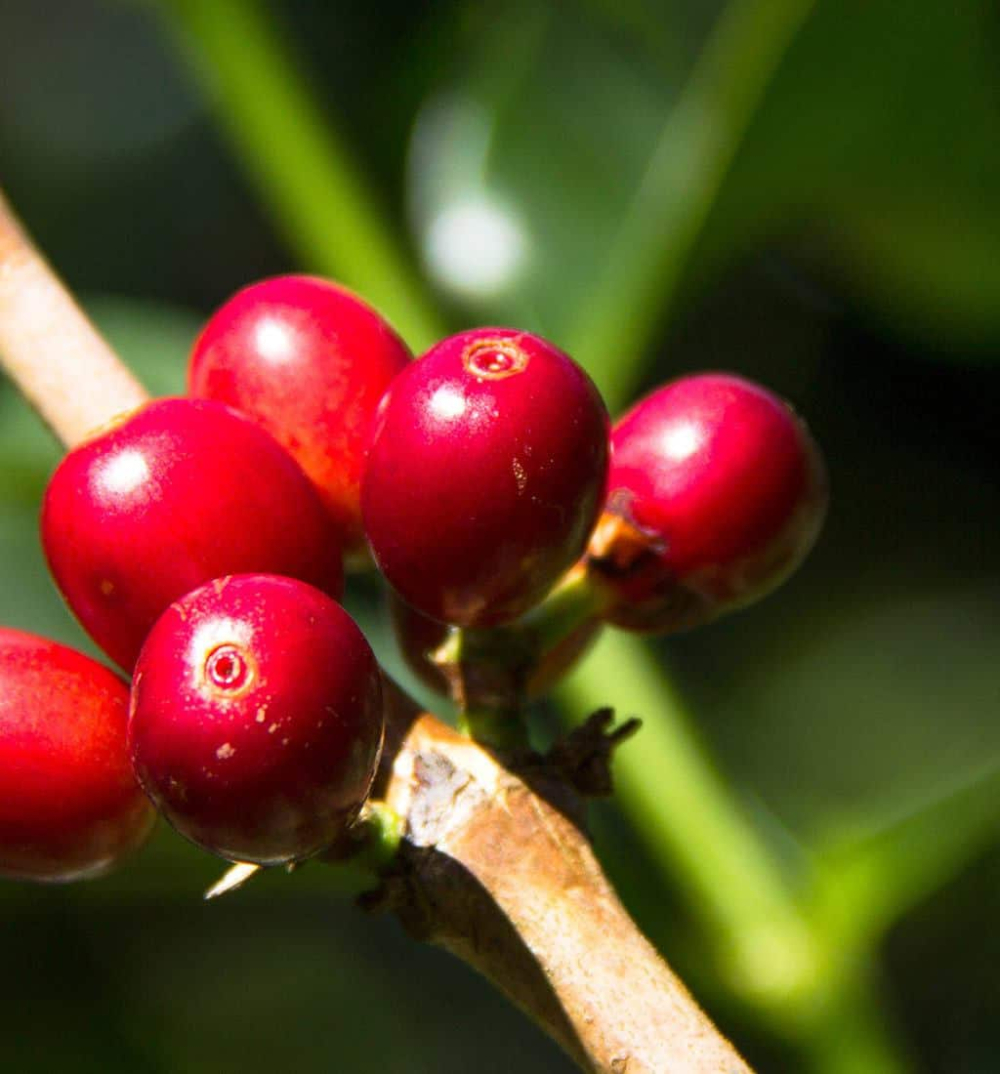
Aurora Estate places great emphasis on coffee processing. The beans for the natural Ironman Geisha are all carefully handpicked at peak ripeness from red cherries, then evenly spread on raised drying beds to control the drying rate and ensure complete transformation of sugars and flavors. This processing method imparts a richer sweetness and complex layers to the coffee, particularly evident in its fruity aroma and juice-like body.
For brewing this Aurora Estate natural Geisha, it is recommended to use lightly roasted beans to highlight its delicate floral notes and full-bodied juice-like character. Specific pour over parameters are as follows: it is recommended to use a Hario V60 filter, with a medium-fine grind size passing about 80% through a standard Chinese No. 20 sieve, using approximately 15 grams of coffee, with a brew ratio set at 1:16. Water temperature should be controlled at around 91°C to help fully extract the balance between acidity and sweetness.
For specific brewing steps, start by pouring about 30 grams of hot water for a 30-second bloom. This step effectively releases CO₂ from the coffee grounds, facilitating smoother flavor extraction afterward. After the bloom, slowly pour water in a circular motion from the center with a fine stream until you reach 130 grams for the first pour. When the water level in the filter is about to expose the coffee bed, continue pouring in circles until the total weight reaches 240 grams. Once all the drip-through is complete, remove the filter. The total brew time should be controlled to around 2 minutes.
It is important to note that freshly roasted coffee beans have their optimal degassing period around 4 to 7 days after roasting, during which internal CO₂ can still affect extraction—making the bloom step particularly crucial. If you don’t have a grinder at home, while you can opt for pre-ground services, it is recommended to purchase whole beans and grind them fresh before brewing whenever possible to preserve the maximum amount of flavor compounds.
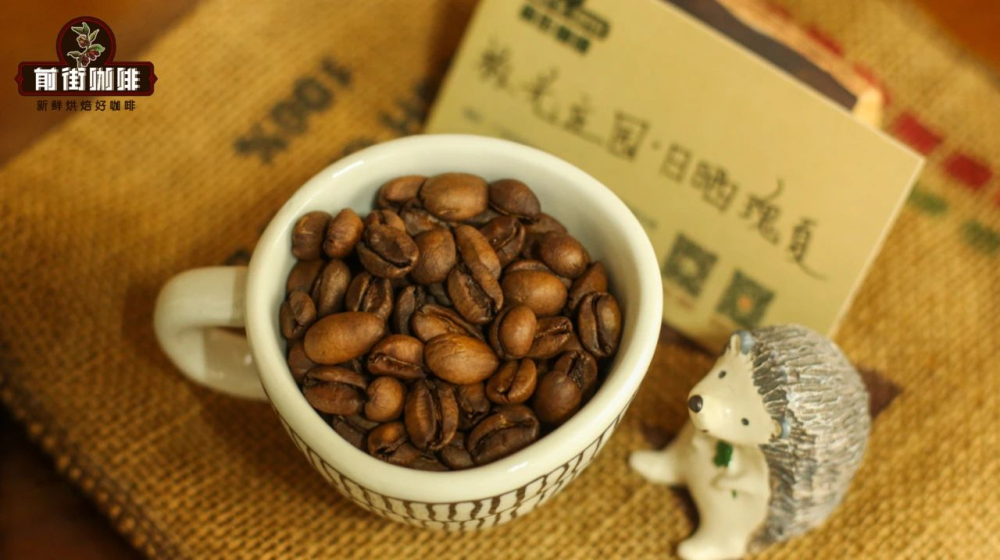
When brewed properly, this Aurora Estate natural Geisha showcases enchanting white floral notes, with distinct berry acidity on the palate, interwoven with sweet orange-like juiciness. The finish leaves a hint of honey sweetness and a refreshing green tea-like aftertaste. With its layered complexity, it is a high-altitude Geisha gem that deserves to be savored slowly.
The above content is compiled by CoffeeHunters, a coffee news website.


