







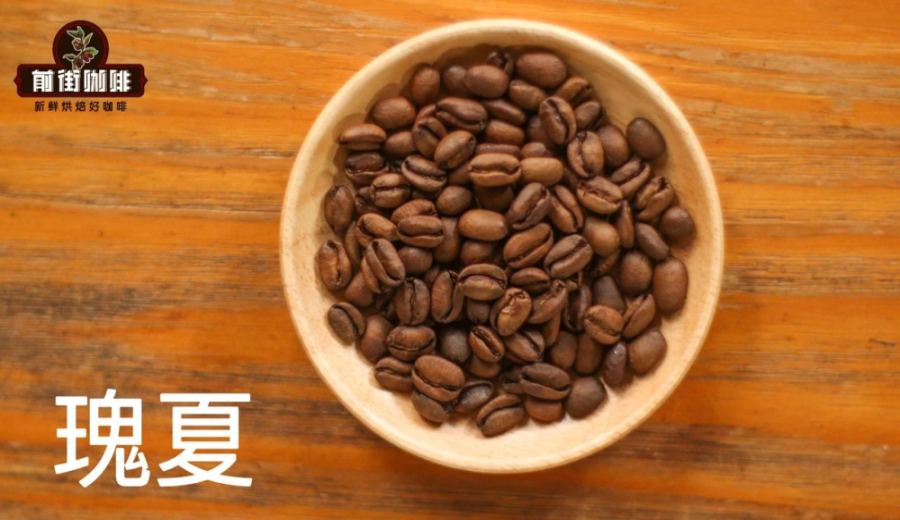
Introduction:Geisha coffee is renowned among specialty coffee enthusiasts for its unique floral and fruity aromas and complex layered profiles. This article provides an in-depth comparison of the development backgrounds, terroir characteristics, and flavor profiles of Panama’s Hacienda La Esmeralda and Ethiopia’s Gesha Village Estate. It also details the differences between six representative Geisha coffees and offers purchasing advice. Additionally, it provides professional-level pour-over brewing parameters — from water temperature control and pouring techniques to blooming time — to help you brew vibrant Geisha coffee at home.
Geisha coffee can be considered one of the most talked-about varieties in the specialty coffee world, especially famous for its Panamanian origins. However, with the diversification of the global specialty coffee supply chain, its native Ethiopia has gradually cultivated competitive Geisha farms, among which Gesha Village Estate stands out the most. This article will comprehensively compare representative offerings from Panama’s Hacienda La Esmeralda and Ethiopia’s Gesha Village, from aspects such as regional development history, plot grading systems, and flavor expressions. It also selects six representative Geisha coffees to assist readers in making suitable choices based on personal taste preferences.
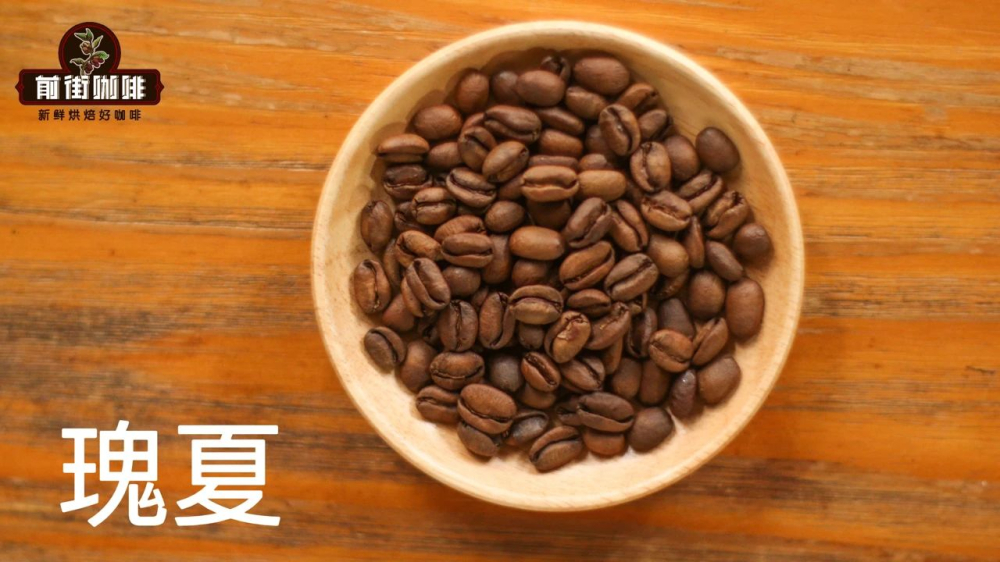
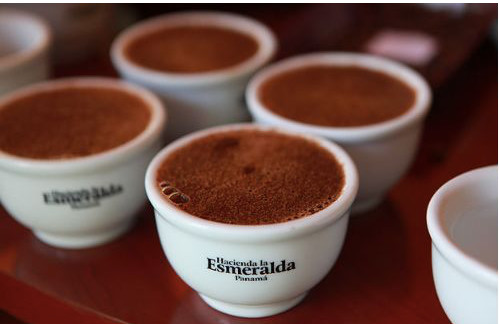
When it comes to Geisha, many people immediately think of Panama. In fact, this variety was first discovered in Ethiopia, but it was Panama’s Hacienda La Esmeralda that truly brought it to fame through its outstanding performances in the Best of Panama (BOP) competition. Due to Geisha’s extreme sensitivity to altitude, microclimate, and cultivation techniques — as well as the meticulous requirements for harvesting and processing — only a handful of farms can consistently produce high-quality Geisha, and Hacienda La Esmeralda is one of the best.
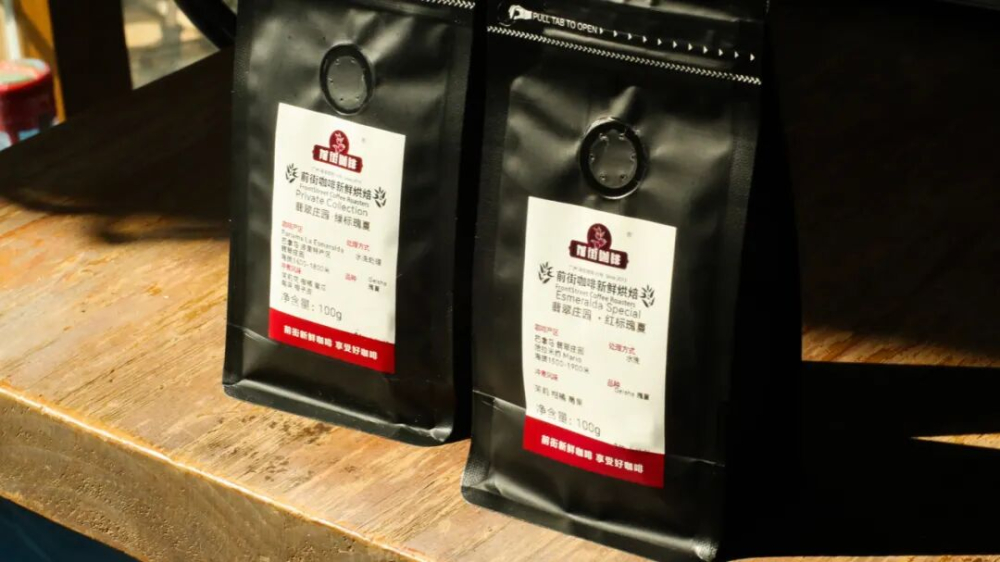
Hacienda La Esmeralda has developed different grades of Geisha products through strict plot management and batch separation. For example, the Red Label Geisha represents the highest grade, typically sourced from higher altitudes and plots with the most ideal microclimatic conditions, showcasing the classic Panamanian Geisha flavor profile. The Green Label is a blend of Geisha beans from multiple plots, offering relatively better value for money and is suitable for consumers trying Geisha for the first time. The Blue Label, although once available, has been discontinued. These grading systems not only ensure quality consistency but also help consumers better understand the story behind each Geisha offering.
Unlike Panama, Ethiopia is the birthplace of the Geisha variety, and Gesha Village Estate is a rising star that has emerged from this native land in recent years. It is understood that the establishment of this estate originated from a documentary filmmaking trip. In 2007, director Adam Overton and photographer Rachel Samuel were filming a coffee-themed documentary in the Bench Maji region, where they visited the local Gera Coffee Forest, planting the seed for creating a Geisha estate. In 2011, introduced by coffee judge Willem Boot, they returned to Bench Maji and discovered the Gori Gesha Forest, considered the birthplace of Geisha, and successfully introduced seeds for cultivation.
Today, Gesha Village Estate has successfully cultivated several Geisha varieties, including Gesha1931, Gori Gesha, and Illubabor, each showcasing unique regional terroir characteristics. Among them, Gesha1931 and Gori Gesha are named after the exploration teams of their respective years, symbolizing their native lineage and spirit of discovery. Illubabor, on the other hand, was provided by the Ethiopian Coffee Research Center and presents distinct floral and fruity notes. In terms of grading, the estate draws inspiration from the Panamanian commercial model, offering multiple products such as Gold Label, Red Label, Green Label, and Chaka. Among these, the Gold Label and Red Label are particularly highly regarded in the market.

If you want a more convenient way to experience the charm of Geisha, drip bags are an excellent choice. For example, a well-known brand’s Boquete Geisha uses the washed processing method, preserving the most original floral and fruity acidity traits of Geisha. With a medium-light roast, it delivers clean white floral notes, citrus acidity, and a subtle green tea aftertaste, making it perfect for brewing via pour over or drip bags. Whether you are pursuing a layered flavor profile or simply seeking a convenient daily brew, Geisha drip bags can meet your needs.
Brewing drip bag coffee may seem simple, but there are quite a few details worth paying attention to. First is water temperature control — it is recommended to use hot water that has been boiled and then left to sit for about 1–2 minutes, around 90°C, which helps fully extract the aromatic compounds and achieve a balanced acidity and sweetness. Second, the coffee-to-water ratio is suggested to be between 1:15 and 1:16, adjustable slightly based on personal taste. You can use a sharing pitcher or a regular drinking cup, but the key is to pour steadily and avoid excessive agitation of the coffee grounds.
In practice, first tear open the drip bag along the dotted line and hang the non-woven filter pouch on the rim of your cup or sharing pitcher. As a first step, it is recommended to pour a small amount of hot water to evenly bloom the coffee grounds for about 10–20 seconds to activate the coffee. Then, using a steady and fine stream of water, pour in a circular motion from the inside out and then from the outside in, maintaining an even water flow and avoiding direct impact on the filter paper. When the water level nears full, pause briefly to allow the coffee liquid to drip through. After the final pour, wait until all the liquid has dripped through before enjoying. Mastering these basic techniques will allow you to consistently brew layered and flavorful Geisha coffee at home.
The above content is compiled by CoffeeHunters, a coffee news website.


