







Introduction:The Geisha coffee from Panama’s Hacienda La Esmeralda is world-renowned for its unique flavors, but the grading system of Red Label, Green Label, and Blue Label often puzzles coffee enthusiasts. This article delves into the cultivation altitudes, processing methods, and cupping score differences among the three grades, while also providing expert pour over parameters and flavor comparisons to help you accurately choose the right Geisha beans—whether you're looking for an auction-grade collectible or a daily brew.
When each new harvest season of Geisha coffee beans arrives, the three classic grades from Hacienda La Esmeralda always become a hot topic. Unlike simpler classifications used by other farms, Hacienda La Esmeralda meticulously categorizes its Geisha beans based on altitude, cupping performance, and origin into the auction-grade Red Label, the premium-grade Green Label, and the selection-grade Blue Label—each grade with a distinct flavor profile and processing identity.
The Legendary Origins of Hacienda La Esmeralda
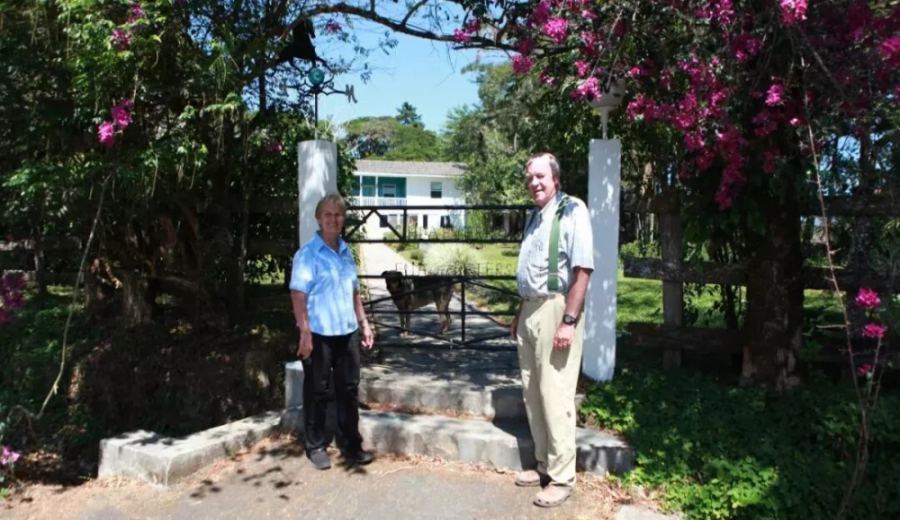
The story of Hacienda La Esmeralda (Panama La Esmeralda) began in 1964 when Swedish-American financier Rudolph Peterson purchased a farm in the Boquete region. Initially used only as a vacation property, it wasn’t until 1973, when his son Price Peterson returned after earning a PhD in neurochemistry to take over the management, that it gradually developed into a benchmark for specialty coffee.2004, the farm gained widespread fame after its Geisha variety won the Panamanian Cup Tasting Competition, and it has remained a top contender in the event ever since. Its four main farms—Canas Verdes, El Velo, Jaramillo, and Palmira—are all cultivated in high-altitude microclimates, laying the foundation for its grading system.
Red Label: Auction-Grade Peak Flavor
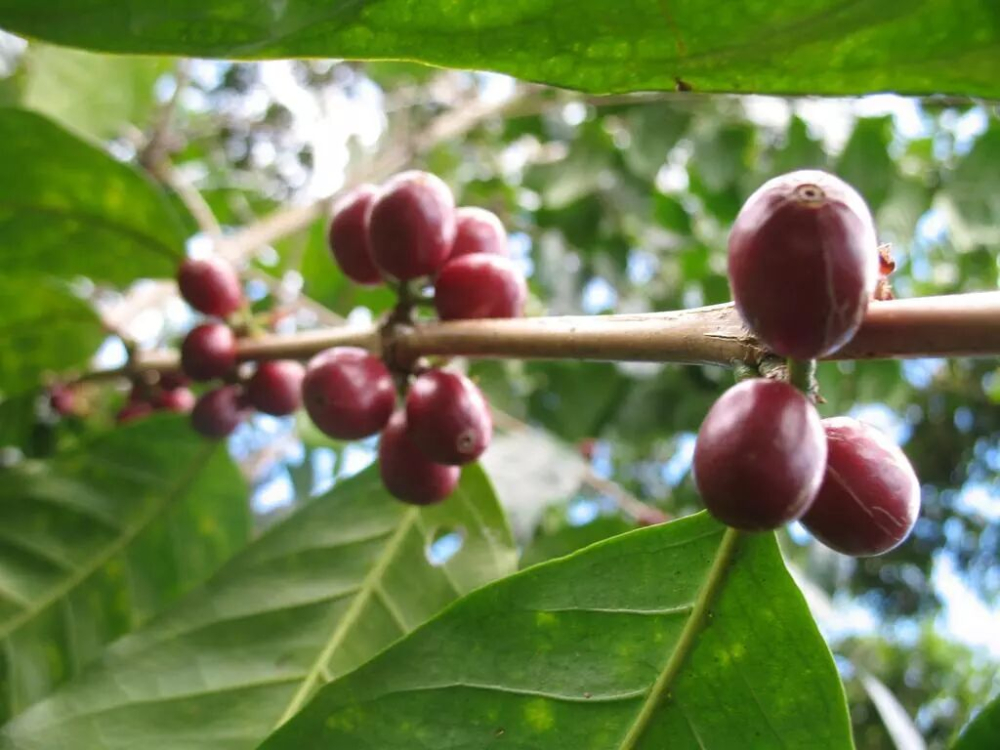
The Red Label Geisha is hailed as the “crown jewel of Hacienda La Esmeralda.”It is strictly grown at altitudes between 1600-1800 meters,and must achieve a cupping score of 91 or higher. The main producing areas are concentrated in Jaramillo, as well as Canas Verdes and El Velo—micro-regions located at the highest elevations of the Boquete mountains, which endow the coffee with bright floral notes and citrus acidity.Starting in 2018, yeast fermentation processing was introduced,further enriching the flavor layers. This grade is available only through the annual global auction, with prices often exceeding a thousand US dollars per pound.
Recommended roast profile: medium roast—bean inlet temperature at 170°C, yellowing point at 4’40” (182°C), first crack begins at 8’12” (182°C), development for 1’30” before dropping (189°C).Pour over tests show that using a V60 dripper with a 1:15 coffee-to-water ratio and 92°C water highlights rose-like floral notes, roasted rice aroma, and apricot sweetness, with an Agtron bean color value of 73.5 confirming its vibrant caramelization.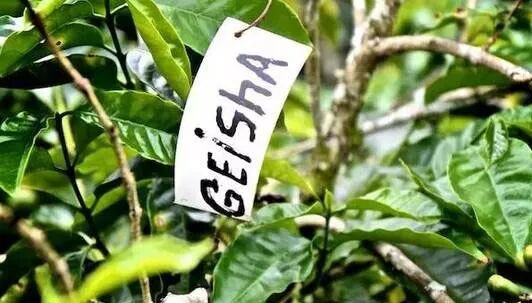
Green Label: Premium-Grade Balanced Choice
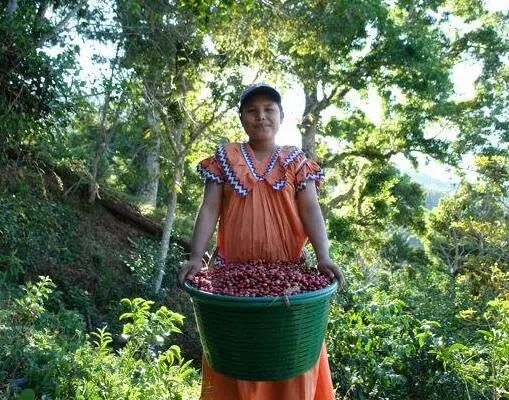
Although not part of the auction lots, the Green Label retains the classic fruity-floral character of Geisha.It is also grown at 1600-1800 meters,but sourced from micro-lots across three farms: Jaramillo, Quiel, and Canas Verdes.The selection criteria emphasize fully ripe coffee cherries,resulting in high sweetness and a juicy body, with common flavors including jasmine flower, citrus acidity, and a honeydew melon finish. Both washed and natural processing methods are offered to cater to different preferences.
Recommended roast parameters:—bean inlet temperature at 170°C, yellowing point at 4’35” (181°C), first crack starts at 8’00” (181°C), development for 1’30” before dropping (193.5°C).Actual pour over results reveal a complex aroma of citrus, berries, and green tea, with a creamy smooth mouthfeel derived from a medium-light roast level (Agtron bean color value of 69.3).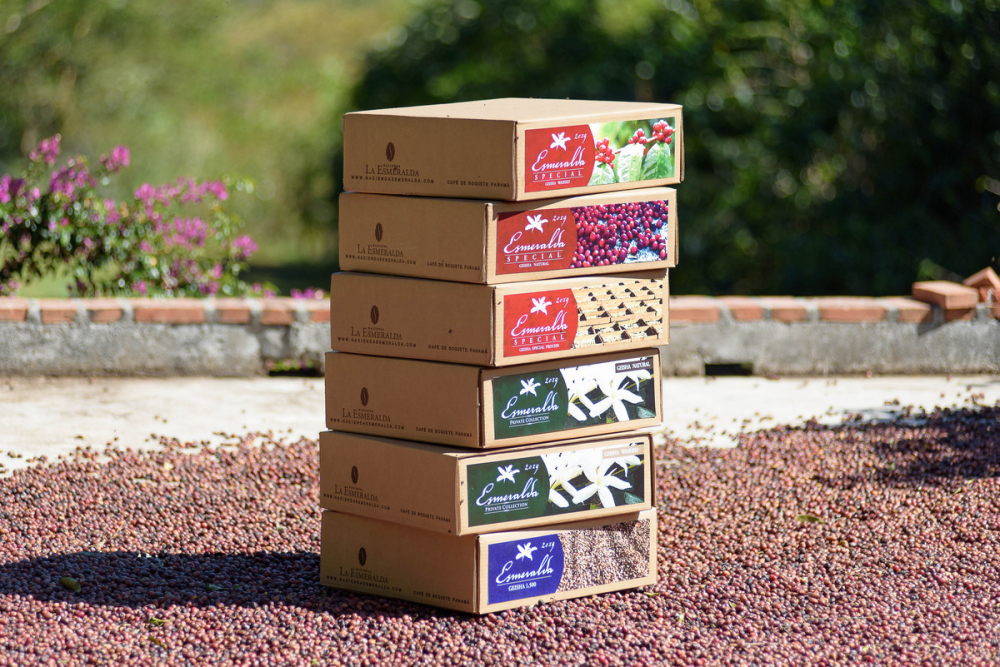
Blue Label: Selection-Grade Everyday Flavor
The Blue Label is positioned as an everyday-drinking entry-level Geisha option,grown at 1500 meters,and blended from beans sourced from Jaramillo, Canas Verdes, and El Velo.It is only available in washed process,with a flavor profile that is more refreshing than the Red Label, highlighting soft acidity of lemon and grapefruit, followed by oolong tea and cane sugar aftertastes upon cooling. Though lacking the prestige of auction lots, it maintains the signature clarity and bright acidity of Hacienda La Esmeralda.
Standard roast process:—bean inlet temperature at 170°C, yellowing point at 4’55” (180.5°C), first crack begins at 7’48” (180.5°C), development for 1’30” before dropping (190°C).In pour over testing, a 1:15 coffee-to-water ratio balances citrus notes with honey-like sweetness, while an Agtron pink value of 93.8 reflects lower caramelization impact—suitable for consumers who prefer a milder taste.
Flavor Comparison and Buying Recommendations
Actual cupping results (parameters: V60 dripper / 1:15 ratio / 92°C water / fractional extraction) show: the Red Label excels in rose floral notes and layered fruit complexity, ideal for connoisseurs seeking intense flavor impact; the Green Label wins with balanced sweetness-acidity ratio and creamy texture, making it the top choice for most; the Blue Label stands out with its refreshing citrus character, perfect as a daily drinking bean.Note that all three grades require proper storage conditions—unopened bags are recommended to be stored at -18°C, while opened ones should be kept in a cool place inside a one-way valve sealed container to preserve freshness.
The above content is compiled by CoffeeHunters, a coffee news website.


