







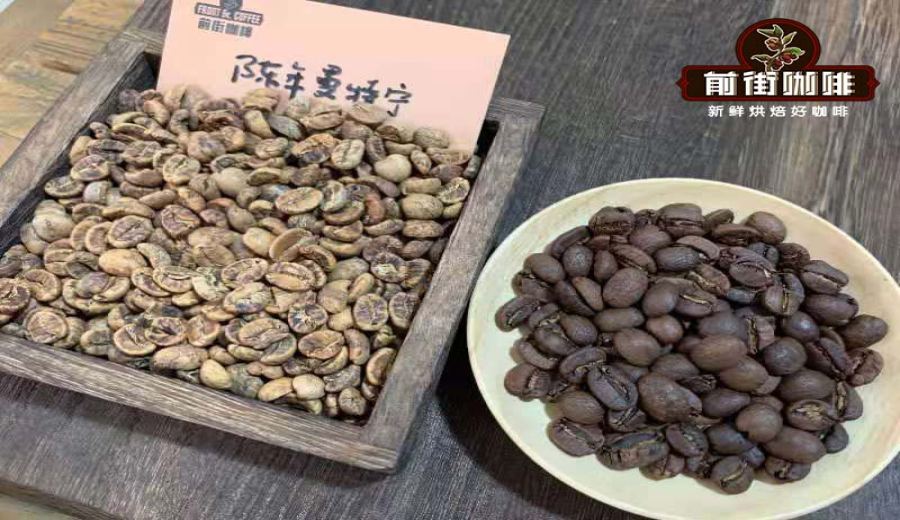
Introduction:Aged Mandheling from Indonesia is a type of coffee bean that undergoes long-term natural aging, renowned for its uniquely rich and full-bodied flavor. This article delves into the storage process, reasons behind its flavor transformation, and how it differs from fresh beans, while also introducing key points for selecting high-quality Indonesian Mandheling to help coffee enthusiasts understand the origins and characteristics of this classic bean variety.
In the world of Indonesian coffee, there exists a truly unique offering — Aged Mandheling. It doesn’t excel in freshness, but rather, through two to three years of natural storage under specific temperature and humidity conditions, it slowly matures to develop deep and rich flavor profiles. This processing method originated from earlier times when shipping conditions were limited, and coffee beans gradually changed their original flavor characteristics during long sea voyages. Today, it has evolved into a specialty coffee item that emphasizes craftsmanship and careful management.
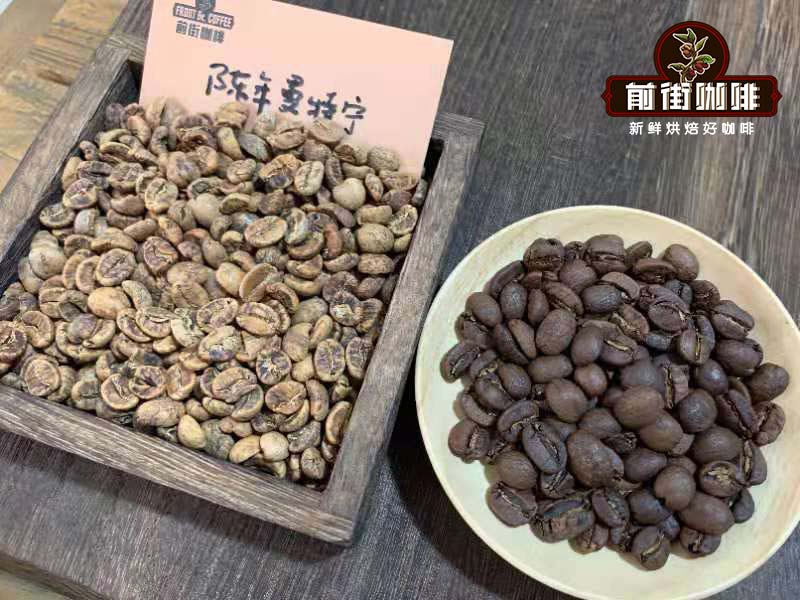
Aged coffee beans, also known as Aged beans, refer to green beans placed in a cool and ventilated environment, undergoing a natural aging process over two to three years. During this period, the acidity of the coffee beans significantly decreases, the color gradually darkens, and the beans themselves become denser and firmer. These changes result in Aged Mandheling offering a flavor profile distinctly different from that of fresh beans, making it more suitable for coffee lovers who prefer intense, low-acid, earthy, and spicy notes.
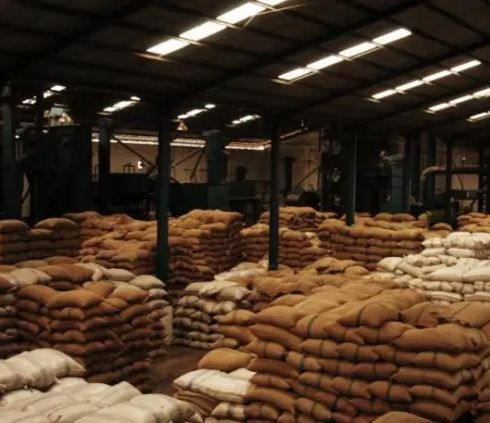
However, the storage conditions for aged beans are extremely particular — they cannot simply be left lying around. The warehouse must maintain a stable low temperature and moderate ventilation, while strictly controlling humidity to prevent the beans from getting damp or moldy. Additionally, regularly turning the bean piles is essential to ensure each coffee bean is evenly exposed to air, avoiding spoilage due to uneven moisture levels between the top and bottom layers. These details directly impact the final flavor expression and are also a significant source of the value of aged beans.
Many wonder if aged coffee is just a way to deal with unsold inventory. In fact, true aged beans are specially crafted products made by producers following specific procedures and time schedules, with clear year markings — they are not merely old beans stored at random. This processing method, like decaffeinated coffee or special fermentation processes, is designed to create a coffee experience distinct from traditional flavors. Therefore, the value of Aged Mandheling lies not only in its rarity, but also in its unique aged flavor.
Regarding the origin of aged beans, one theory suggests that before the widespread use of steamships, coffee was primarily transported by sailing ships, with voyages often taking several months. During these long sea journeys, the coffee beans naturally underwent flavor changes due to exposure to sea breezes and the passage of time. These serendipitously produced special flavors gained favor among certain consumers, prompting producers later on to simulate similar conditions and intentionally “age” the coffee beans in a planned manner, eventually leading to the Aged Mandheling we know today.
If you prefer freshly roasted, brightly flavored Indonesian coffee, consider trying the carefully selected Indonesian PWN Golden Mandheling. This coffee undergoes four rounds of manual sorting at the origin, keeping only intact, plump G1 grade green beans sized 18 mesh and above, ensuring each bean meets high standards. Cupping results show that compared to regular Mandheling, this coffee better exhibits clean and bright flavor characteristics, reducing the common earthy or woody off-notes, making it easier to appreciate the distinctive richness and aroma unique to the Mandheling variety.
It’s important to note that although many products on the market claim to be “Golden Mandheling,” the name “PWN Golden Mandheling” is a registered trademark of Indonesia’s PWN company. Therefore, only products genuinely from this brand and meeting its strict selection criteria can be considered authentic Golden Mandheling. For coffee enthusiasts wanting to deeply explore the diverse flavors of Indonesian Mandheling, this classic, high-quality choice is undoubtedly an excellent starting point for both beginners and connoisseurs.
The above content is compiled by CoffeeHunters, a coffee news website.


