







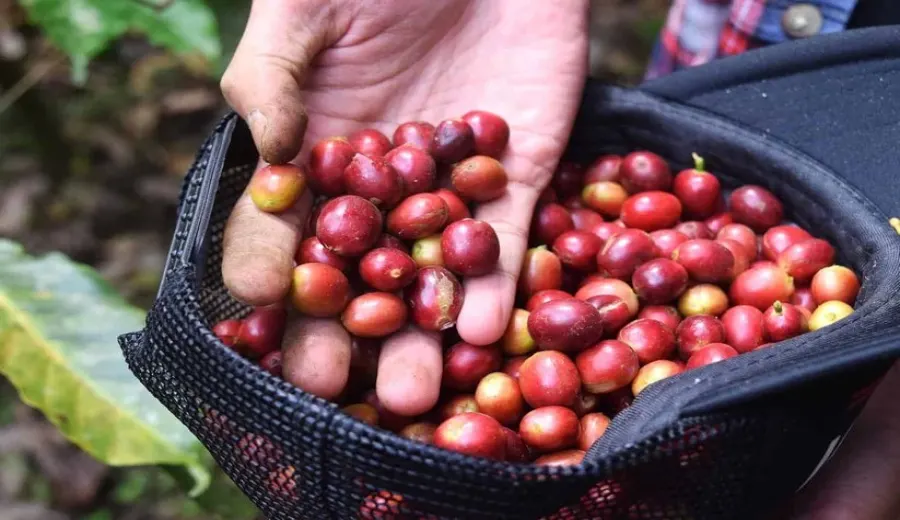
Introduction:Coffee from West Java in Indonesia is often overlooked, yet its flavor profile stands in stark contrast to that of Sumatra. This article delves into the climate and soil conditions of the Tugu Laras growing region in West Java, traces the coffee cultivation history during the Dutch colonial era, examines how the ICCRI research institute has advanced variety improvement, and provides a detailed look at the cupping characteristics and practical brewing parameters of the local Jember variety honey-processed beans—helping you better understand this understated yet uniquely flavorful coffee.
When it comes to specialty coffee from Indonesia, many first think of Sumatra’s Mandheling. But coffee from West Java offers a distinctly different character—less heavy with herbal and spicy notes, and more gentle and soft with tropical fruit acidity and sweetness. The West Java coffee introduced here comes from the Aimanee Estate on Mount Tugu Laras, at an altitude of 1400–1600 meters, and is of the locally known Jember variety (S795), processed using the honey method, delivering a unique flavor experience.
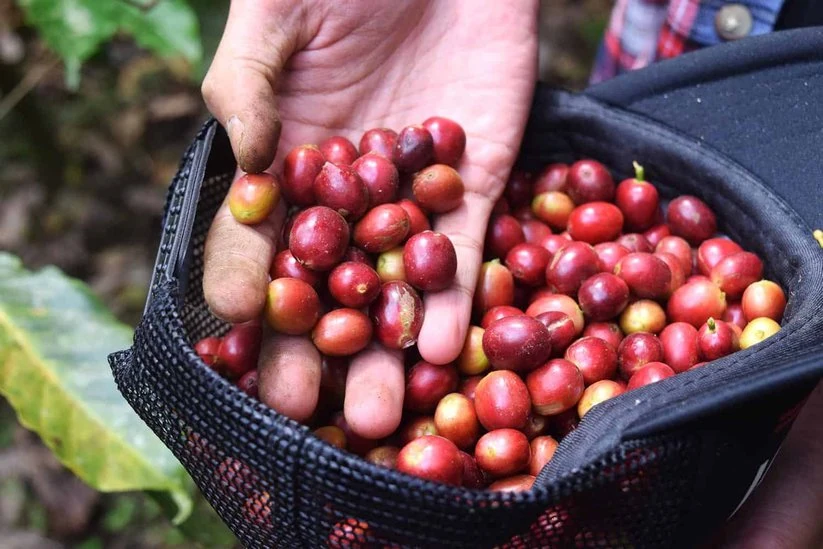
West Java is a first-level administrative region of Indonesia, located on the western part of Java Island, bordered by the Java Sea to the north and the Indian Ocean to the south, covering an area of approximately 46,300 square kilometers. The region has a tropical rainforest climate, with high temperatures and humidity year-round. The coastal plains in the north tend to be hotter, while the mountainous areas are relatively cooler. Humidity levels are consistently high, sometimes feeling oppressive. From November to March of the following year, the northwest monsoon prevails, bringing frequent rainfall and thick cloud cover; from April to October, the southeast monsoon season brings mostly sunny weather with reduced rainfall. The capital Jakarta receives an average annual rainfall of about 1,760 millimeters, with daytime highs averaging 30°C and lows around 23°C. In the high-altitude area of Tosari (1,735 meters above sea level), temperatures fluctuate between 22°C and 8°C. The periodic deposition of volcanic ash has made Java’s soil extremely fertile, providing ideal natural conditions for coffee cultivation.
In the history of Indonesian coffee development, Java has played a pivotal role. Unlike Sumatra or Sulawesi, where smallholder farmers often handle initial processing, Arabica coffee in Java mainly comes from large farms or plantations, most of which are government-managed and generally employ modern washed processing methods. Among these, the S795 variety is locally known as Jember and is a selectively bred cultivar. This coffee stands out for its delicate aroma, mild acidity, fine texture, and excellent balance, offering advantages in both aroma and acidity compared to coffees from Sumatra and Sulawesi.
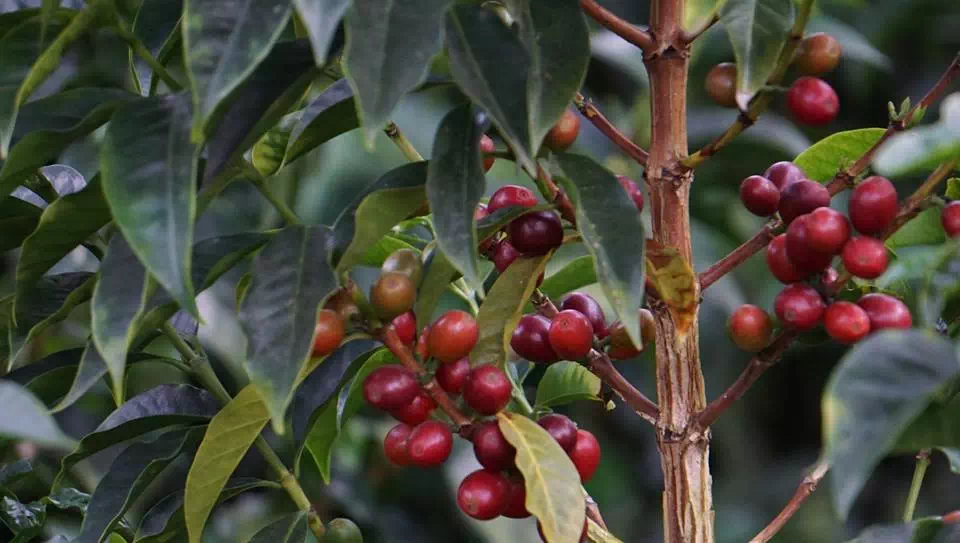
The history of coffee cultivation in Indonesia dates back to the 17th century. Around the year 1600, Mocha coffee was introduced to India, and in 1658 it was brought to Ceylon (now Sri Lanka), but yields were poor. It wasn’t until 1699 that the Dutch introduced coffee from India to Java Island, and in 1711, the first seedlings were exported to the Dutch East India Company (VOC). Within just ten years, Indonesia’s JAVA coffee exports reached 60 tons per year, making it the third country in the world to engage in large-scale coffee cultivation after Yemen and Ethiopia. The VOC’s monopoly on the coffee trade lasted for over sixty years (1725 to 1780).
In the early days of Dutch colonial rule, the coffee planted was the Typica variety, introduced from Ceylon. In the 17th century, the Dutch first planted coffee in Batavia (now Jakarta), gradually expanding to Sukabumi, central East Java, West Java, parts of Sumatra, and the island of Sulawesi, thus initiating the high-end marketing of coffee. In 1711, coffee trees from Java were exported to the Netherlands, cultivated in greenhouses in Amsterdam, and then sent to the Palace of Versailles in France in 1715. Thereafter, the Dutch and French spread coffee to Asia and the Americas, laying the foundation for coffee in the New World.
However, in the late 19th century, Indonesia’s coffee industry faced significant challenges. In 1876, coffee leaf rust devastated most of the Typica varieties. By the late 1880s, numerous coffee plantations had been abandoned due to pests and diseases, with the epidemic further spreading to central and eastern Java. In the early 20th century, Arabica coffee was again severely hit by leaf rust, nearly wiping out the Dutch coffee variety system. In response, the Indonesian Coffee and Cocoa Research Institute (ICCRI) was established in 1911, building upon coffee and cocoa cultivation knowledge accumulated by the Dutch since the 16th century. ICCRI not only conducts related research but also has national authorization to develop innovative technologies across the farming and processing chain. Its expertise even surpasses that of the internationally renowned SCAA association, making it a globally recognized authoritative research institution.
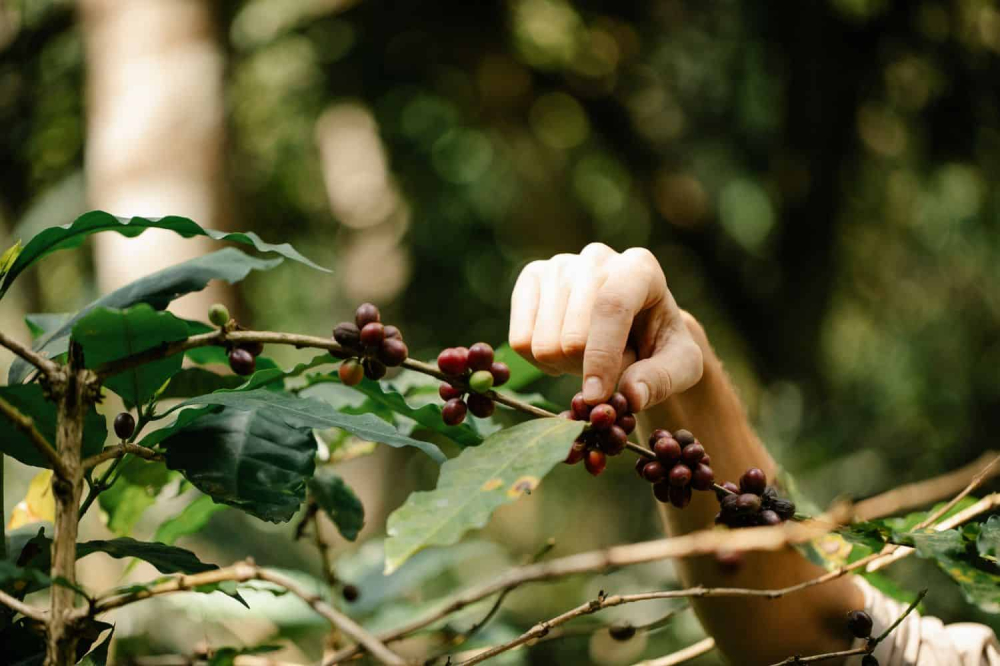
ICCRI provides comprehensive services to coffee and cocoa growers, aiming to address long-standing issues and strengthen technology transfer. The institute consists of over 300 staff members, covering three major functions: research, service, business, and support. This includes 36 researchers (12 PhDs, 7 master’s degree holders, and 17 associate university-level researchers), divided into 11 principal research scientists, 9 research scientists, 11 associate scientists, and 5 assistant scientists. ICCRI delivers valuable data and information to smallholders, private enterprises, plantation companies, government agencies, associations, and other stakeholders.
After nationalization, Java Coffee was extensively planted in state-owned estates, and new Arabica varieties were actively promoted. These varieties were disseminated to smallholder farmers through government and various development programs. Over 90% of Indonesia’s coffee is grown on small farms with an average size of less than 1 hectare per household, and much of it is produced organically. Nineteen farmer cooperatives and exporters have obtained international certification for organic coffee market eligibility. More than 20 Arabica varieties are commercially cultivated in Indonesia, roughly divided into six categories: including Typica, Hibrido de Timor (HDT), Linie S, Ethiopian series, Caturra, and Catimor.
The Jember variety introduced in this article, also known as S795, is regarded locally as synonymous with Jember. Its beans have a bluish-green hue, originating from the S288 parent tree, which was an outstanding hybrid variety developed in India in 1946. The predecessor of S288 was S26, resulting from a cross between the first-generation S288 and Typica—but the first-generation S288 had been crossed with both Arabica and Liberica, giving it a distinct earthy taste. Indian botanists later crossed the Kent variety (derived from the first-generation S288 and Typica) with the second-generation S288, ultimately developing the current S795. The S795 variety in West Java was introduced from India by the Jember Coffee Research Center in East Java and subsequently cultivated by local farmers, which is why Javanese farmers directly refer to S795 as Jember.
Honey processing is a complex and time-consuming method. It begins with selecting high-quality cherries, removing the outer fruit pulp while retaining the mucilage, which is rich in sugars and acidic compounds. During drying, the sweetness and acidity of the mucilage gradually permeate the coffee beans. The drying conditions are crucial during this process and directly influence the final flavor. The honey process combines the cleanliness of washed processing—though with slightly less brightness—and highlights greater sweetness and caramel-like mouthfeel. Depending on the level of honey processing, it can be categorized into yellow honey, red honey, and black honey. This West Java coffee uses the honey process, imparting its unique aroma and layered taste profile.
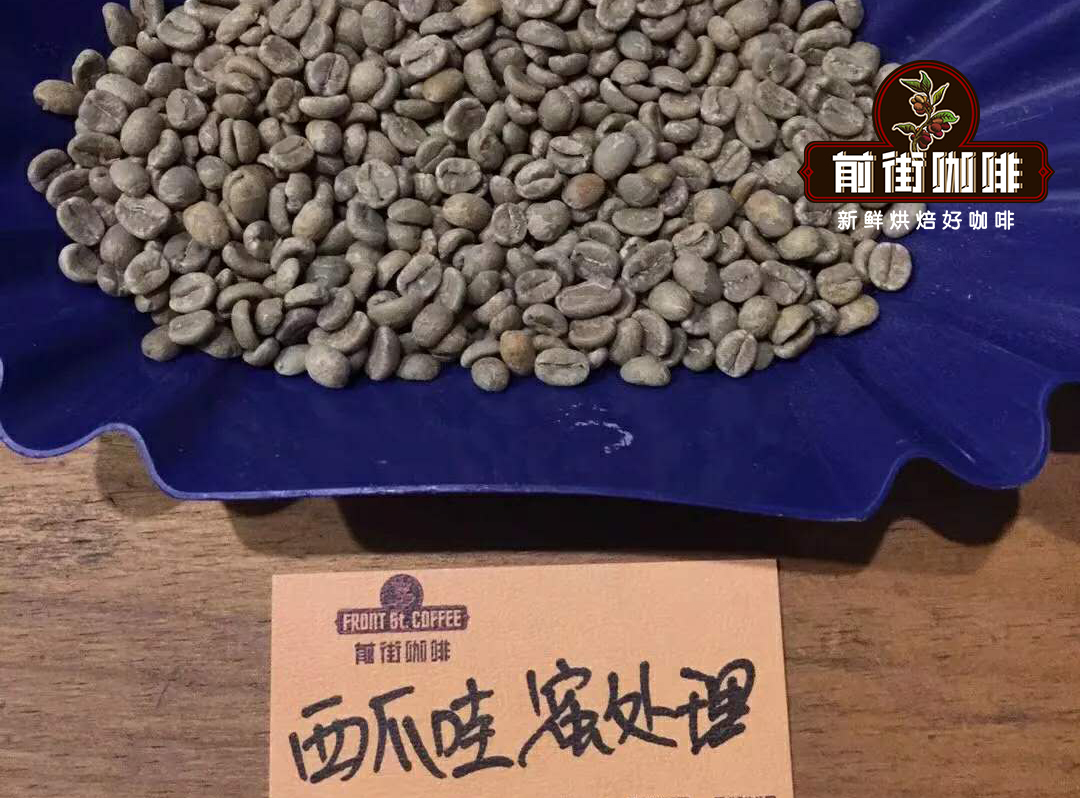
Roasters note that West Java green beans have a higher density, so special attention to heat control is essential during roasting. To fully showcase its fruity flavors and sweetness, a medium roast is recommended to fully express the beans’ uniqueness. During the initial stages of roasting, the heat can be slightly higher, but adjustments should be made during the drying phase to ensure a balanced aroma and flavor in the coffee.
Cupping results show that this Java coffee is characterized by complex sweetness and fruity notes. Compared to the floral notes for which African Yirgacheffe is known, its fruit flavors are more pronounced, especially highlighting the rich sweetness of tropical fruits like mango and jackfruit. The flavor is steady and layered. The honey processing method also adds a subtle hint of red wine undertone, enriching the depth and intrigue of the flavor.
Practical brewing recommendations are as follows: water temperature controlled at 90–91°C, grind size suggested at EK43s setting 10 (fine sugar size, or 20-mesh sieve bowl sieved to 80%), coffee-to-water ratio of 1:15, with about 15 grams of coffee. Brewing technique: the first pour is 30 grams of water for a 30-second bloom, followed by pouring 95 grams of water (scale shows approximately 125 grams), completed in about 1 minute; when the water level drops to two-thirds of the coffee bed, pour the remaining 100 grams of water (scale shows approximately 225 grams), completed in about 1 minute and 40 seconds. Total dripping time is about 2 minutes, and the filter can be removed to complete extraction. Under these parameters, the sweet notes of tropical fruit and the fermented flavor reminiscent of red wine can be fully expressed, delivering a rich and balanced drinking experience.
The above content is compiled by CoffeeHunters, a coffee news website.


