







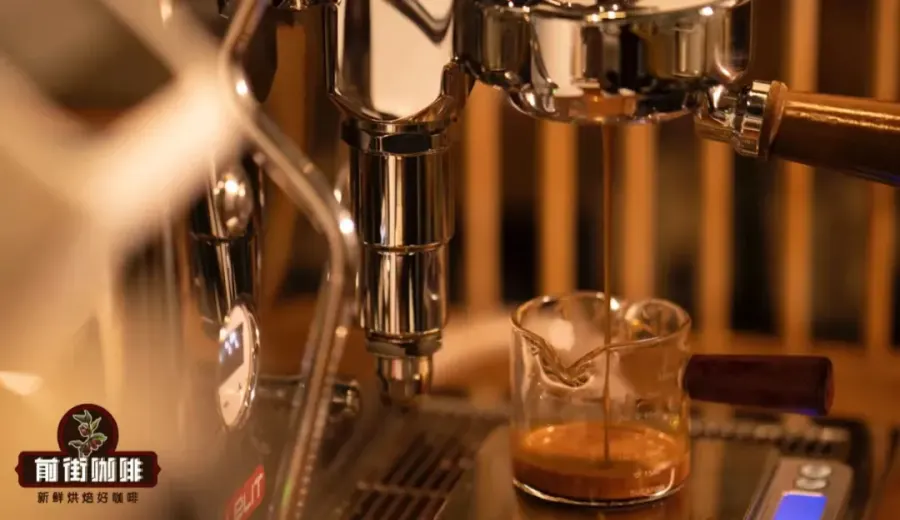
Introduction:To brew a richly flavored espresso at home, extraction pressure and grind fineness are key. Many home espresso machine users struggle with the pressure failing to reach 9 bar, resulting in sour and thin-tasting coffee. This article delves into the mechanics of pressure formation and provides precise tuning advice from three major aspects—grind size, dose amount, and tamping technique—to help you master the core secrets of stable, high-quality extraction.
The most significant difference between an espresso machine and other common brewing methods like pour over or French press lies in its use of pressurized extraction technology at around 9 bar. It is this pressure that enables espresso to be extracted quickly within 25 to 30 seconds and forms that captivating golden crema. However, many home machine users often encounter issues where the pressure only reaches 5 to 7 bar, leading to coffee that tastes weak and overly acidic. The root cause often lies in insufficient resistance from the coffee puck. Below, we will analyze the causes of low pressure in detail and provide specific adjustment solutions through three key elements: grind size, dose, and tamping pressure.
First, let’s clarify a basic concept: what is extraction pressure? Simply put, pressure is the resistance the water encounters as it passes through the coffee puck, and its strength directly affects extraction efficiency and the final flavor profile. Ideally, extraction pressure should be maintained around 9 bar, as this range ensures that coffee flavor compounds are fully released while maintaining a balanced mouthfeel. But in practice, many home machine users find it difficult to push the pressure up to 9 bar, which is usually related to the coffee puck not providing enough resistance.
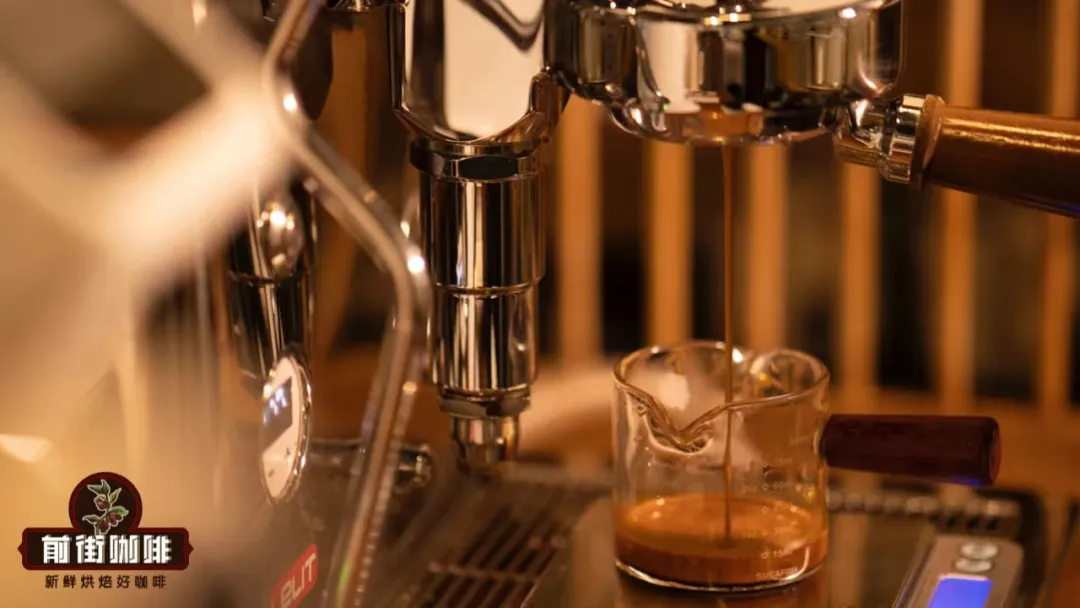
When hot water easily passes through a too-loose coffee puck, not only is the extraction time greatly shortened, but the extraction of flavor compounds is also limited, resulting in a cup of coffee with a flat taste. To improve this situation, it is necessary to start by increasing the resistance of the coffee puck. Specifically, this can be achieved by adjusting the grind fineness, controlling the dose amount, and ensuring appropriate tamping pressure. Next, we will explore the tuning techniques for these key elements one by one.
Grind fineness is the primary factor affecting the resistance of the coffee puck. Generally speaking, medium to dark roasted blends, such as classic blends with notes of butter and dark chocolate that expand noticeably when heated and have good water absorption, can use a slightly coarser grind; whereas medium roasted single-origin beans, such as a natural processed Red Cherry SOE with a firmer texture and shorter heating time, need to be ground finer to achieve full extraction. If you find the extraction pressure is on the low side, try gradually adjusting to a finer grind and observe whether the extraction time meets expectations. Usually, extraction time and grind fineness adjustments need to be coordinated to achieve an ideal extraction balance.
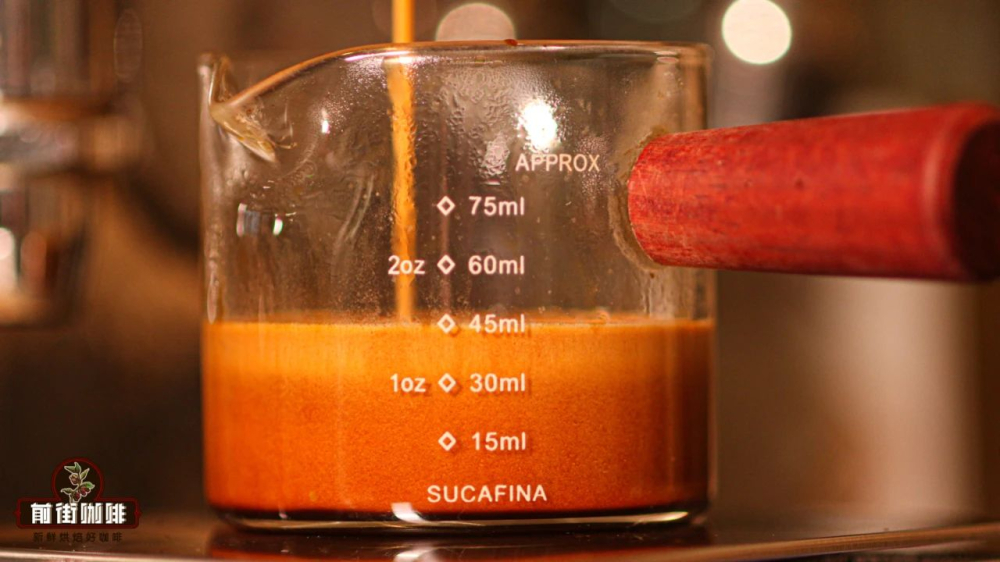
The amount of coffee dose also has a significant impact on pressure performance. Each portafilter basket has a recommended dose range. Too little coffee not only increases the gap between the coffee bed and the group head, causing water to pass through too quickly, but also weakens the overall resistance of the coffee puck. Users are advised to strictly follow the dose recommendations for their portafilter basket. If the actual dose differs significantly from the recommended value, you may need to consider switching to a more suitable basket. An appropriate dose ensures that the coffee puck has sufficient thickness and density, thereby forming a stable resistance structure.
Tamping pressure is another often overlooked yet crucial step. The purpose of tamping is to compact the coffee grounds tightly together, forming a uniform and dense puck. If the tamping pressure is insufficient, the puck will be loose, leaving too many channels for water to pass through quickly, resulting in ineffective pressure buildup. The correct tamping technique should ensure the coffee is compressed into a solid block, providing appropriate resistance to the water flow. In addition, the design of the portafilter basket—including the number and size of holes—can also affect water flow speed and pressure performance, but under normal usage conditions, mastering the adjustments of grind size, dose, and tamping pressure should be your priority.
The above content is compiled by CoffeeHunters, a coffee news website.


