







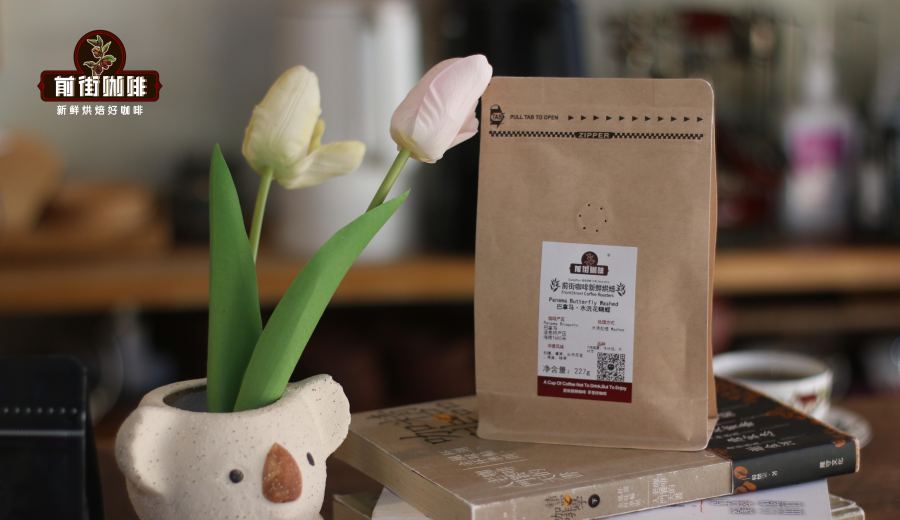
Introduction:Although Panama · Flower Butterfly is a Geisha blend, its single-origin growing region and consistent processing method often lead it to be regarded as a high-value single-origin bean. This article delves into its varietal composition of 70% Geisha and 30% Caturra and Catuai, explores why it is categorized as a single-origin coffee, and provides a detailed comparison of the brewing parameters, flavor profiles, and recommended brewing methods for both the washed and natural versions, helping you grasp the actual performance of this popular bean.
Panama · Flower Butterfly is often seen as an affordable alternative to Geisha, largely due to its over 70% Geisha content and its origin in the renowned high-altitude region of Boquete with its premium terroir. Although officially labeled as a Geisha blend, it is actually a mix of three varieties: Geisha, Caturra, and Catuai. However, because all beans come from the town of Boquete in Chiriquí Province, Panama, and are uniformly processed using the washed method, this bean exhibits characteristics typical of a single-origin coffee in terms of flavor expression.
The term “Geisha blend” generally refers to a blend where Geisha is the dominant component but is mixed with other varieties. For example, products like Costa Rica · Miramar Strawberry Candy sold by certain coffee brands, as well as the CHAKA batch from Geisha Village, are examples of such blends. However, despite its name, Flower Butterfly is often treated as a single-origin coffee in the market due to its consistent origin and processing method, making it particularly appealing to coffee enthusiasts who wish to explore the terroir of Boquete.
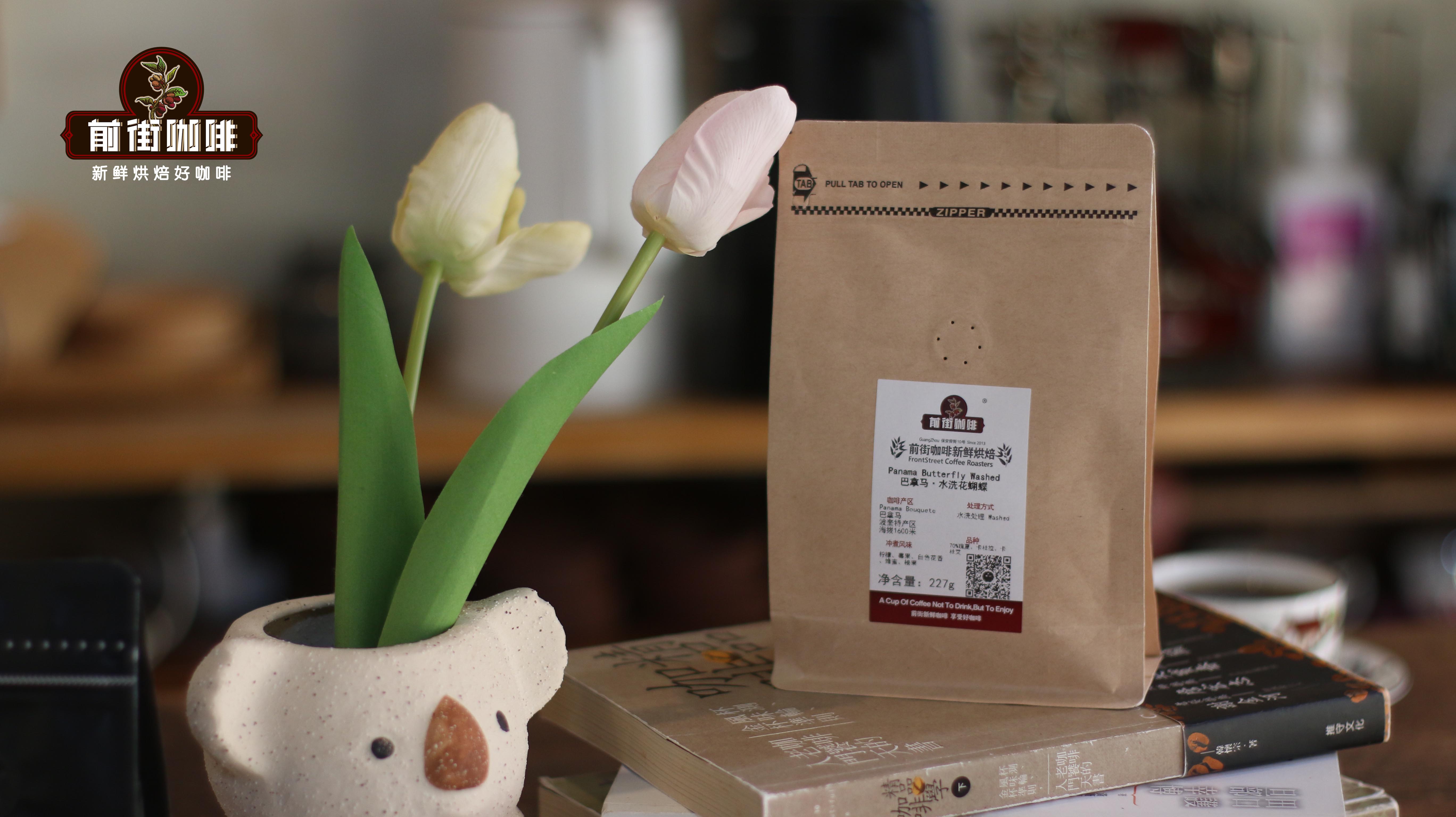
In terms of varietal composition, Flower Butterfly is based on 70% Geisha, complemented by 30% Caturra and Catuai. This ratio preserves the delicate floral notes, citrus tones, and tea-like qualities characteristic of Geisha, while the addition of the other two varieties enhances body and sweetness. Especially when grown at high altitudes in Boquete, these beans exhibit rich citrus-honey aromas and clear layering, often compared to the more expensive traditional Panamanian Geishas. It’s considered an excellent entry point for experiencing Geisha flavors.
It’s worth noting that multi-variety cultivation like this is actually quite common in many regions. For instance, in Ethiopia, farmers often interplant various native varieties in the same field, making it difficult to separate them during harvest. As a result, the beans are processed together and exported under the Heirloom (native variety) label—but such coffees are still considered single-origin. The case of Flower Butterfly is similar: although it clearly consists of three varieties, its single-origin classification is reasonable since all beans come from the same region and processing facility.
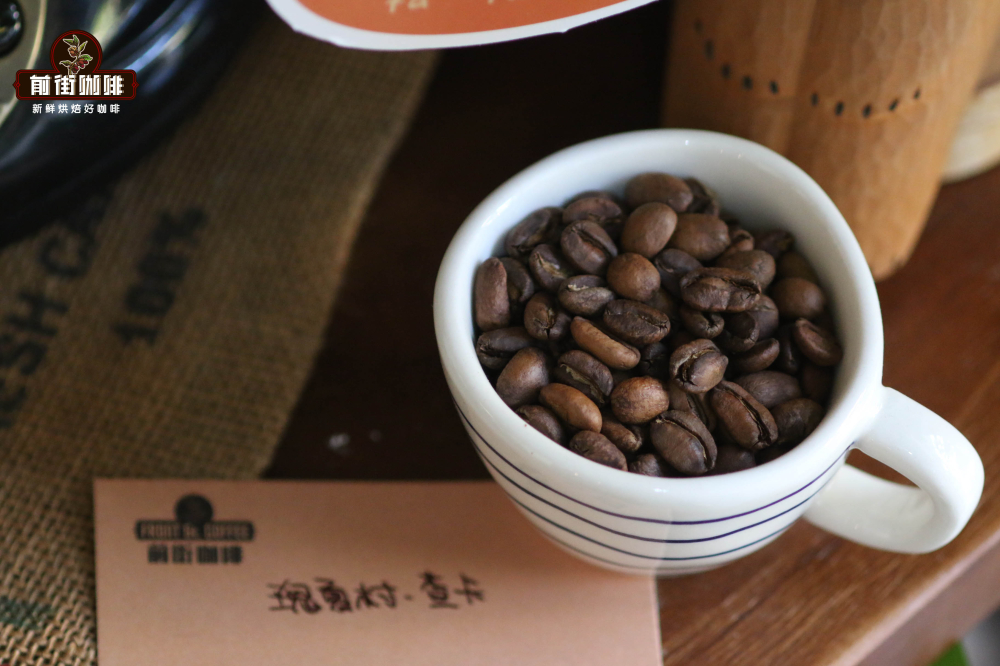
Looking further into the origins of Flower Butterfly’s blend, there are practical and economic considerations behind it. In the past, many farmers aimed to maximize land use efficiency by planting Geisha alongside higher-yielding varieties such as Caturra and Catuai, hoping to make full use of every piece of land. However, during harvest, sorting each variety individually is time-consuming and costly, so most farmers opt to harvest everything together—resulting in what is called “intentional mixed harvesting.” Unlike the natural crossbreeding found in Ethiopia, the blending in Flower Butterfly stems more from practical farming practices.
In terms of processing, Flower Butterfly comes in both washed and natural versions, which is also a key point of comparison among many coffee enthusiasts. The washed method, which involves removing the pulp and mucilage and fermenting with only minimal residual sticky material, typically results in a cleaner, brighter acidity, along with delicate flavors such as tea and floral notes. In contrast, the natural method allows the entire coffee fruit to ferment directly, with the involvement of pulp and mucilage leading to a more intense fermentation process. This often produces bold tropical fruit flavors, such as pineapple and mango, and even wine-like aftertastes.
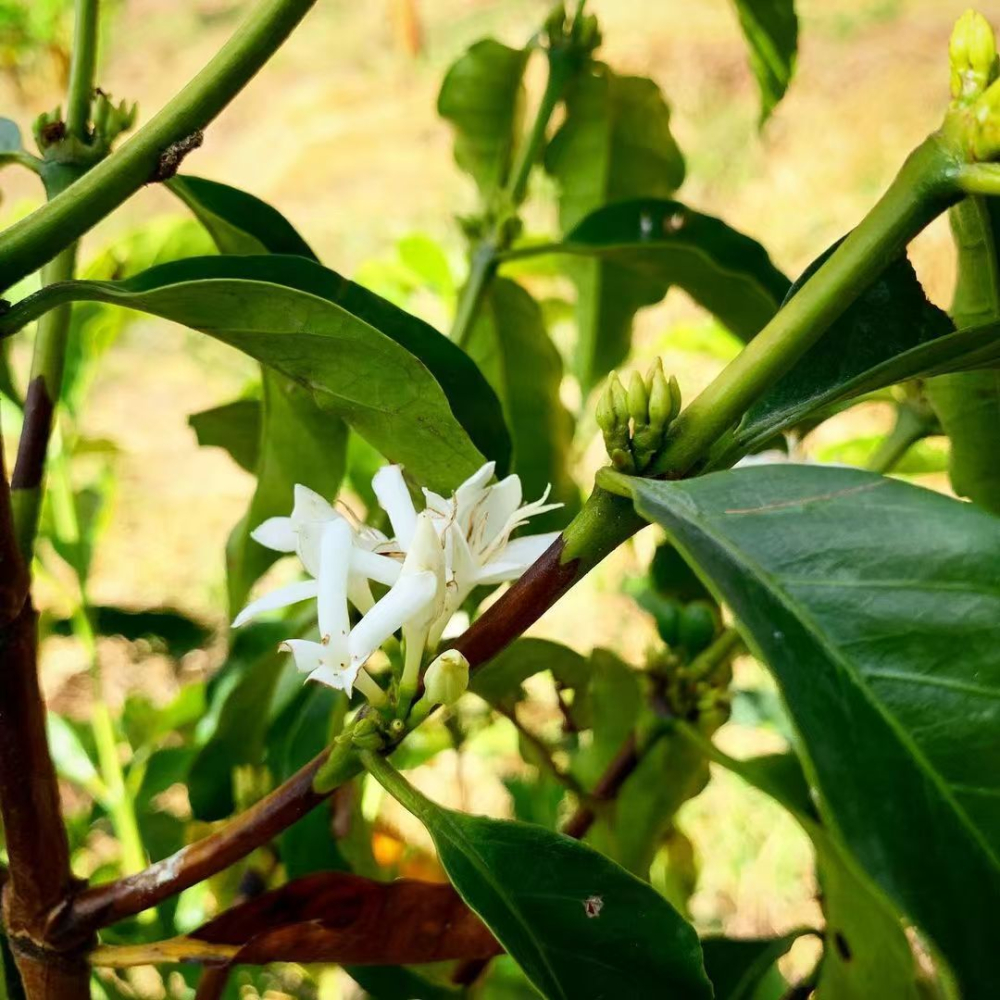
For actual brewing, it is recommended to use a V60 filter, with a brew ratio of 1:15, water temperature around 92°C, and grind size around setting 10 on the Ek43 (approximately 80% passing rate through a #20 sieve). Use a three-stage pouring method: start with a 30-second bloom by pouring about 30ml of hot water, then slowly pour in a large circle to add 120ml, and finish with a small circle to add the remaining 75ml, with total brewing time around 2 minutes. These parameters are suitable for most pour over enthusiasts and can fully showcase the bean’s potential.
From actual tasting results, the washed version of Panama Flower Butterfly displays pronounced white floral notes, gentle citrus acidity, and an black tea-like finish. The overall mouthfeel is clean and refreshing, making it ideal for those who prefer bright and crisp flavors. On the other hand, the natural version exhibits intense tropical fruit aromas, such as citrus and pineapple, with a hint of wine-like richness. Though it offers a more complex profile, it is slightly less clean than the washed version, suiting coffee enthusiasts who enjoy bold fruitiness and sweetness.
In summary, Panama · Flower Butterfly is not only one of the representative Geisha blends, but also showcases the unique charm of a single-origin coffee thanks to its single growing region and consistent processing. Whether you're looking for an entry-level Geisha or wish to compare the differences between washed and natural processing, this bean offers plenty of insights.
The above content is compiled by CoffeeHunters, a coffee news website.


