







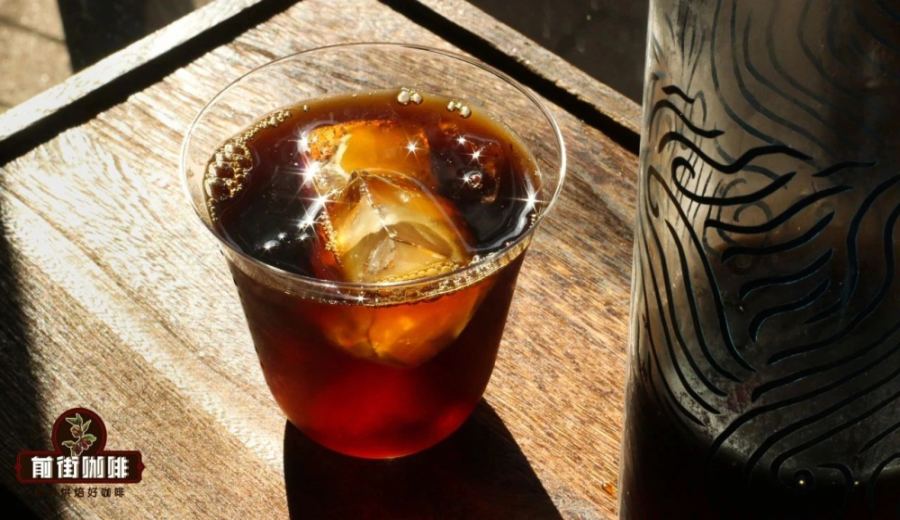
Introduction:Cold brew coffee excels in slow extraction at low temperatures, delivering a refreshing taste that is distinctly different from traditional hot-brewed coffee. This article delves into the differences between cold brew, ice drip, and iced Americano, explaining how low-temperature extraction affects the flavor profile. It also provides practical advice on bean selection and a detailed brewing guide. Whether you’re trying cold brew for the first time or looking to optimize your own recipe, you’ll learn key techniques to brew a well-balanced, layered cup with bright acidity and sweetness.
Among various iced coffee options, iced Americano, iced latte, and iced pour over are mostly made by cooling and diluting hot-brewed coffee. In contrast, cold brew coffee takes an entirely different approach through low-temperature extraction. Cold brew can be divided into two main types: ice drip, which requires specialized equipment, and cold steeping, which is suitable for home use. Its most notable feature is the slow extraction using room temperature or cold water, which greatly reduces bitterness while highlighting the coffee’s inherent sweet and acidic notes, as well as unique fermented aromas.
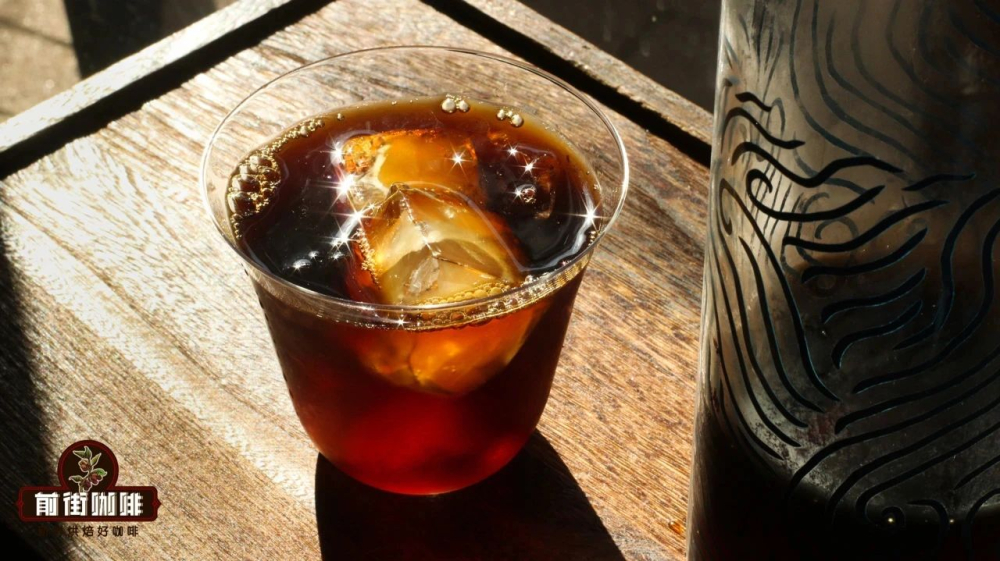
In a broad sense, iced coffee refers to all coffee beverages served cold. However, when it comes to the brewing method, iced Americano, iced latte, and iced pour over all originate from highly concentrated hot-brewed coffee, which is then adjusted in strength and temperature by adding ice cubes, cold water, or milk. In comparison, cold brew includes two forms: ice drip, which requires a specialized ice drip device and is commonly found in specialty coffee shops; and cold steeping, which can be done at home with simple tools. Due to its low barrier to entry and high flavor retention, cold steeping has become a popular choice for home brewing.
The essence of cold brew lies in using only cold water throughout the extraction process. The low-temperature environment effectively suppresses the release of tannins and bitter compounds, resulting in a coffee liquid with more pronounced fruity acidity and natural sweetness. Some batches may even exhibit unique layers of fermented flavors. Because the rate of compound dissolution is significantly slower under low temperatures, the steeping time for cold brew usually ranges from 8 to 12 hours—much longer than the few minutes required for hot water brewing.
The roast level of coffee beans has a decisive impact on the performance of cold brew. Dark roast beans, due to the caramelization reaction, produce a lot of heavy oils and intense smoky aromas. While they can create a familiar “coffee flavor” profile, they tend to mask delicate flavor characteristics. Light roast beans, on the other hand, retain more of the seed’s original traits. Their fresh juice-like quality, vibrant acidity, and floral and fruity notes, when extracted at low temperatures, can transform into a more layered taste experience. It is recommended to choose beans with a medium to light roast level to achieve the best cold brew results.

To meet diverse home brewing needs, three recommended specialty beans suitable for cold brew are: First, a certain brand’s washed Yirgacheffe G1, produced in the town of Yirgacheffe. When cold brewed, this bean releases prominent floral, citrus, lemon, honey, and green tea aromas, making it ideal for those who prefer a bright and acidic profile. Second is the Strawberry Sugar Gesha Blend, combining characteristics of Panamanian and Costa Rican Gesha beans, blending the lightness of washed processing with the sweetness of honey processing. When cold brewed, it presents a complex profile of rose, raisin, and fruit gummy, with a long-lasting aftertaste. The third option is a certain brand’s natural Huaguai, a championship bean from the Guji Hambella region. After meticulous natural processing, it offers delicate floral notes, strawberry, guava, dried mango, and other tropical fruit flavors, along with a rich black tea-like finish.
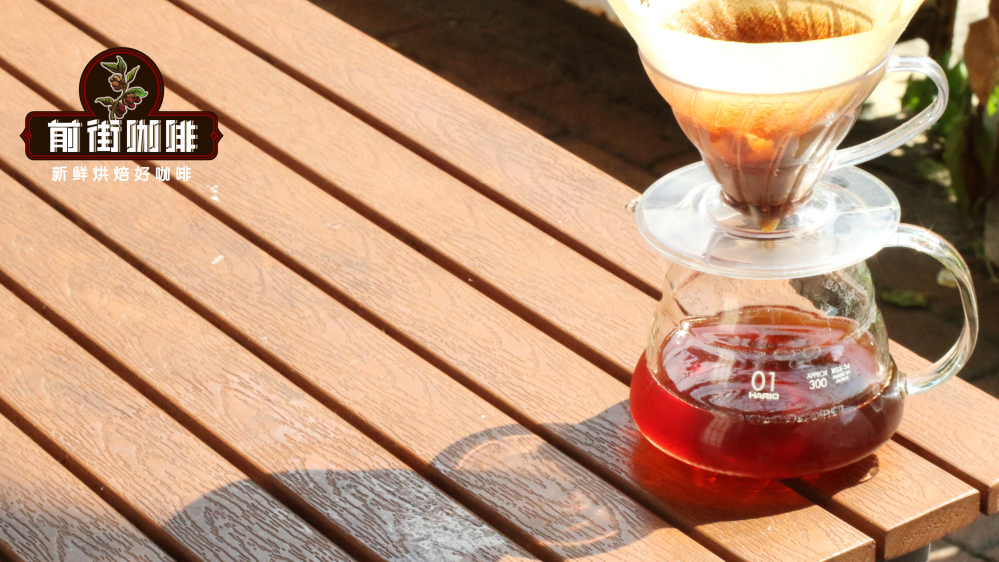
The standard process for making cold brew coffee at home is as follows: First, prepare a clean glass container with a capacity of 200 milliliters and a sealed lid, ensuring there is no residual oil inside. Accurately weigh out 20 grams of medium to light roasted coffee beans. It is recommended to grind them to a medium-coarse consistency similar to white sugar (measured using a Chinese No. 20 standard sieve, with a sieve passing rate of about 75%). This grind size balances extraction efficiency and flow rate. Place the ground coffee into the container, then pour in room temperature or cold water at a 1:10 ratio. It is recommended to use a stirring tool to mix thoroughly, ensuring each coffee particle is evenly saturated with water. Seal the container and place it in the refrigerator for 8 to 12 hours without shaking. After steeping, separate the coffee grounds using filter paper or a specialized filtering tool, and enjoy a fully flavored cold brew coffee.
The above content is compiled by CoffeeHunters, a coffee news website.


