







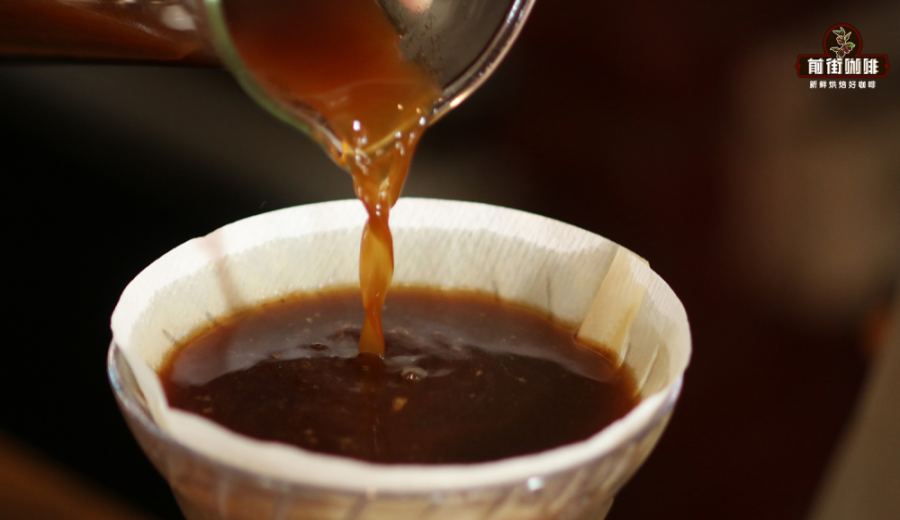
Introduction:Cold brew coffee, with its refreshing and low-acid profile, has become one of the most popular coffee beverages in summer. However, cold brew is not a one-size-fits-all method—common techniques such as cold steeping and ice dripping differ significantly in both extraction principles and flavor profiles. This article delves into the preparation processes of both methods, key parameters such as grind size, coffee-to-water ratio, and time control, and compares their performance differences in terms of acidity-sweetness balance, body, and aroma. It also recommends high-quality Kenyan coffee beans suitable for cold brewing to help you find the right cold brew method based on your taste preferences.
In the hot summer months, compared to traditional hot coffee, an increasing number of consumers prefer cold brew drinks that are refreshing while still showcasing the delicate flavors of coffee. Depending on the brewing method, cold brew coffee can be divided into two main forms: cold steeping and ice dripping. These two methods vary significantly in terms of extraction principles, equipment requirements, time cycles, and even the final flavor characteristics. Compared to conventional iced coffee, which uses hot water for rapid extraction, the cold brew process, which extracts slowly at low temperatures, can greatly reduce acidity and astringency, delivering a smoother, rounder, and uniquely sweet taste experience.
Cold Steeped Coffee: Simple Operation, Ideal for Home Use
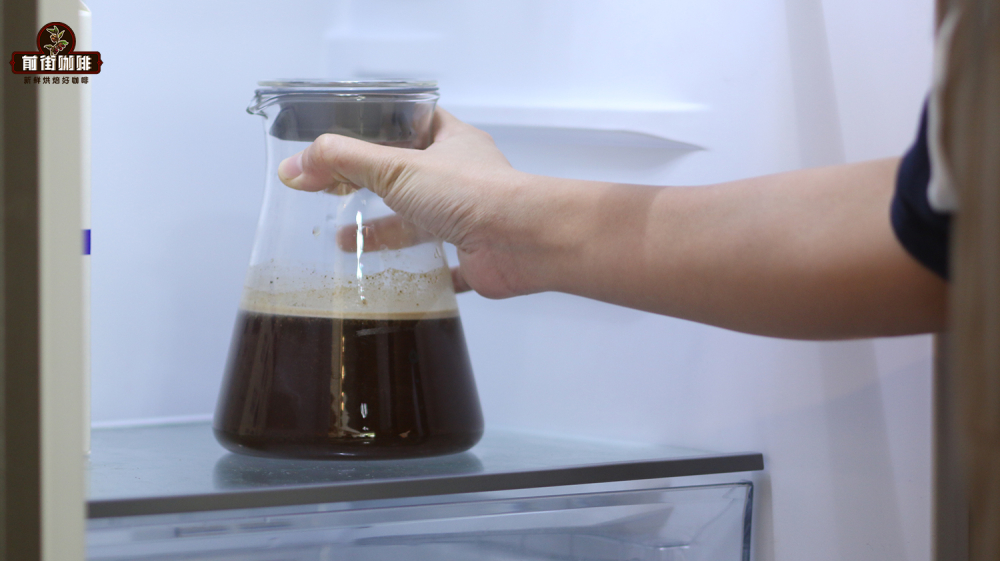
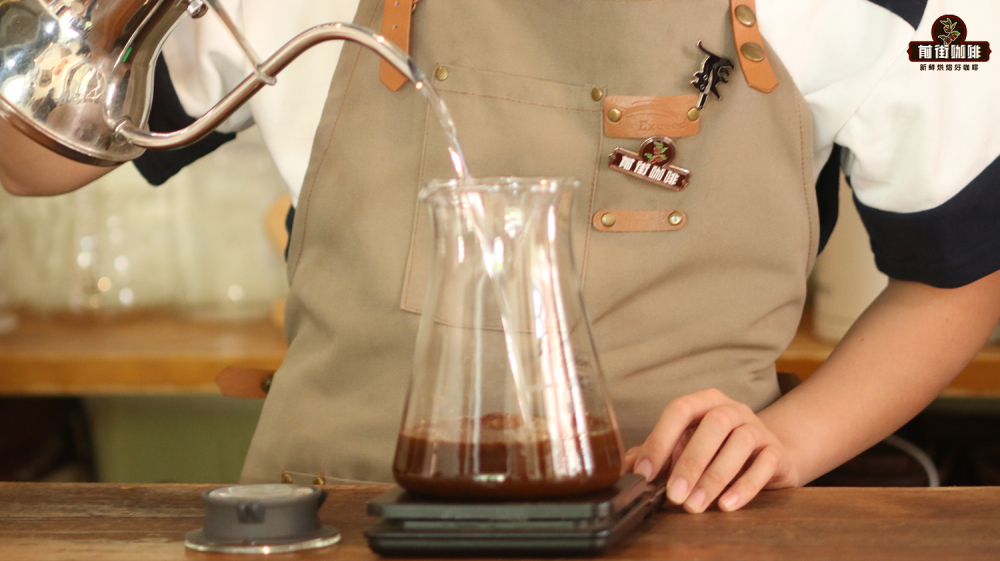
So-called cold steep coffee involves using cold water to soak coffee grounds for an extended period, allowing flavor compounds to naturally extract. This method requires no complicated equipment—just a sealed container and time—making it a popular choice for many coffee enthusiasts to make at home. During the cold steeping process, coffee grounds and cold water are typically mixed ata 1:10 coffee-to-water ratioand left to sit in the refrigerator for12 to 24 hoursor more. The longer the steeping time, the more intense the extracted flavors usually are, but this can also come with higher concentration and a stronger contrast between acidity and sweetness.

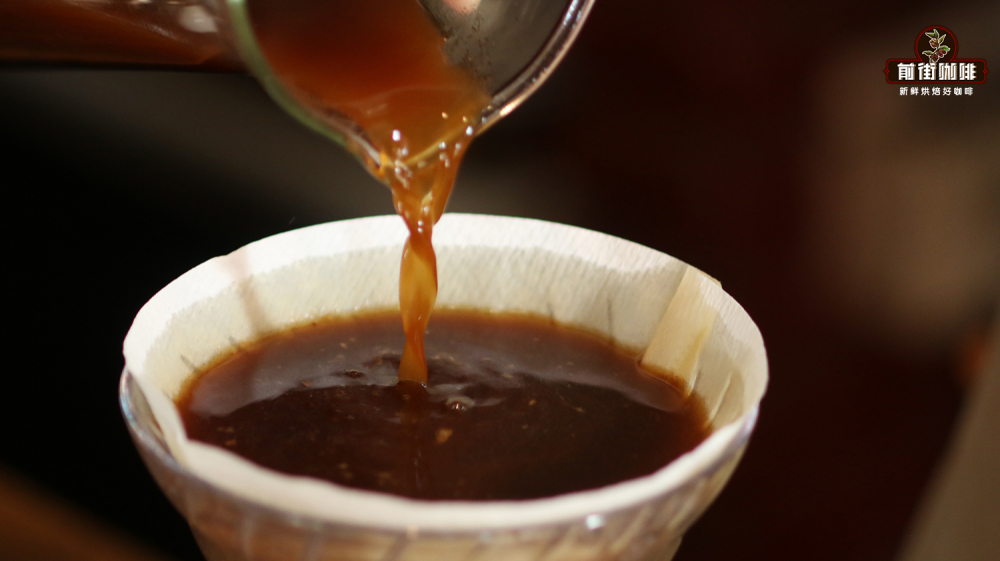
In terms of grind size, although the water temperature for cold steeping is far lower than that for pour over coffee, because it is a long soaking process, it is recommended to use aslightly coarser grind than pour over, such as when using a Chinese Standard No. 20 sieve, with a65%pass-through rate of approximately [grind percentage to be inserted],
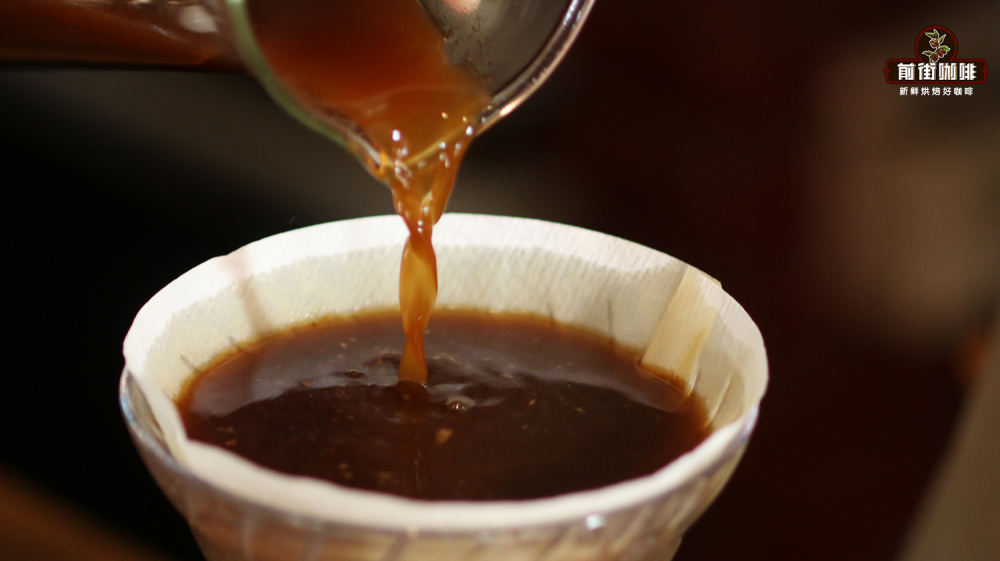
which helps avoid over-extraction that could release off-flavors or bitterness. To prepare, mix the coffee grounds and cold water thoroughly, seal, and refrigerate. Once the steeping time is up, filter out the coffee grounds using paper filters. It is recommended to refrigerate the resulting coffee liquid for a few more hours to allow the flavors to meld further before enjoying.

Practical experience shows that different steeping times directly affect the performance of cold steeped coffee: shorter steeping times yield gentler and more subdued flavors; extending to 24 hours results in more pronounced acidity and sweetness, along with increased concentration, making it suitable for those who prefer a bolder taste. Additionally, depending on personal taste preferences, adjustments can be made to the coffee-to-water ratio and steeping time—for example, increasing the amount of coffee grounds or extending the extraction time—to achieve a more fermented and personalized flavor profile.
Ice Dripped Coffee: Meticulous Craftsmanship, Delicate FlavorCompared to cold steeping, ice dripping is a more refined and time-consuming extraction method. Its history dates back to Europe, but it has been further developed in countries like Japan and South Korea, where it has even formed unique cultural and equipment design traditions. Ice drip extraction utilizes extremely cold water that drips at a controlled flow rate, slowly and steadily contacting the coffee grounds over an extended period. The entire process usually takes6 to 8 hours
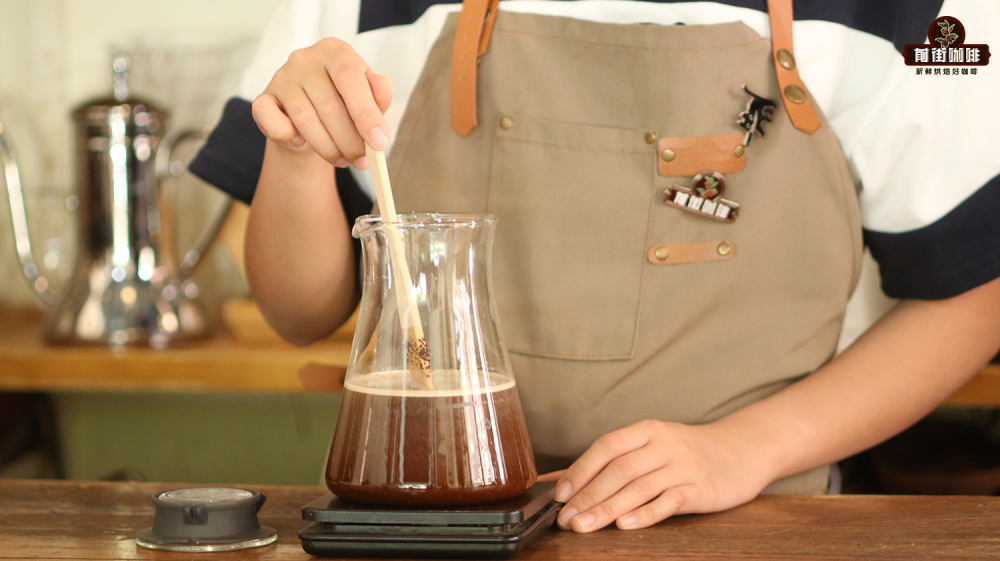
and has strict requirements for both the coffee-to-water ratio and drip speed.It is generally recommended to use a1:10 coffee-to-water ratioand opt for a finer grind size with apass-through rate of about 85% (No. 20 sieve)
to suit the extraction efficiency at low water temperatures. In practical operation, start by pre-wetting the filter paper and laying it flat at the bottom of the coffee chamber, then evenly fill in the ground coffee, lightly press to level the surface, and cover with a second layer of filter paper to prevent the coffee bed from collapsing during dripping, which could affect extraction uniformity. Next, moisten the coffee grounds with ice water for an initial bloom to enhance consistency in subsequent extraction.During actual extraction, place a mixture of ice water and regular water in the water reservoir and adjust the throttle valve to control the drip speed at7 drops per 10 seconds,
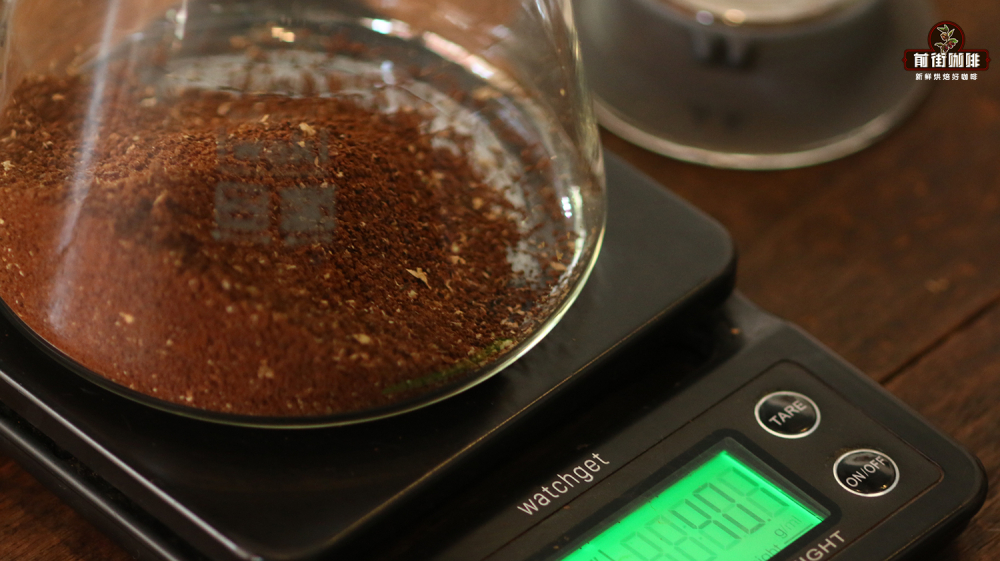
ensuring that the water droplets steadily interact with the coffee grounds layer. The finished coffee liquid should be left to sit and refrigerate for several hours to allow the flavors to further integrate, resulting in a richer and more nuanced taste experience. This method demands higher standards for equipment and operational details, but it can relatively showcase clearer, more layered aromas and a well-balanced acidity-sweetness profile.
Coffee Bean Selection and Flavor ProfileRegardless of whether you choose cold steeping or ice dripping, the quality and processing method of the coffee beans will greatly influence the final flavor. For summer cold brews, it is recommended to select beans with bright acidity and a refreshing taste profile, such as the Athiriya coffee beans from Kenya. These beans are grown in the Thika region at an altitude of1550 to 1750 meters,
of the classic SL28 and SL34 varieties, and are processed using the K72 washed method, exhibiting an overall clean, vibrant, and juice-like acidity.Kenya’s K72 processing method is a high-fermentation washed technique, involving multiple fermentation and washing stages with a total fermentation time of72 hours,
effectively enhancing the coffee’s acidity-sweetness layers and cleanliness. The SL28 and SL34 varieties, the former bringing intense fruity acidity and floral notes, and the latter offering a gentler and rounder acidity, combine to ensure that the coffee maintains a clear and bright acidity along with rich fruit aromas even after cold brewing. They are highly suitable for making either ice drip or cold steeped coffee, providing drinkers with a refreshing, juice-like experience.
The above content is compiled by CoffeeHunters, a coffee news website.


