







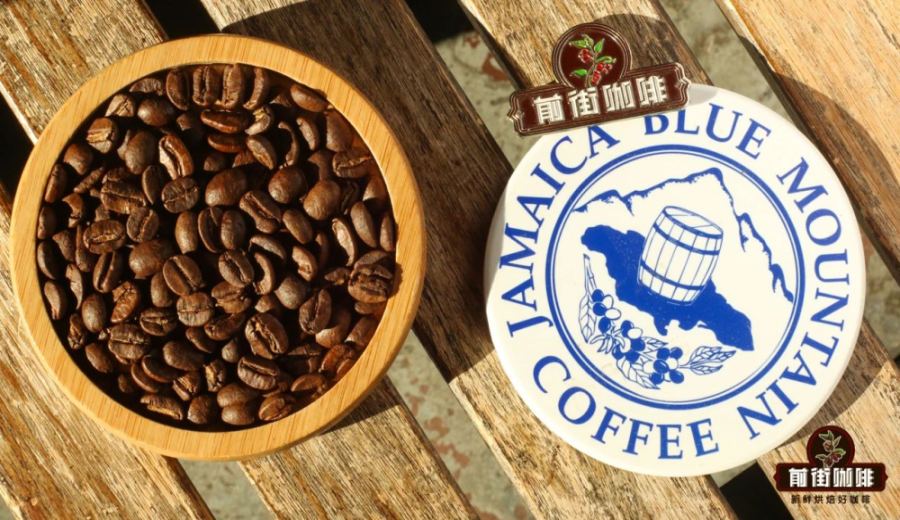
Introduction:Jamaican Blue Mountain coffee is hailed as the finest in the coffee world, yet the market is flooded with imitations. This article delves into the origin certification, flavor profile, and grading standards of authentic Blue Mountain coffee, and guides you through selecting pour-over compatible beans, debunking the myth that "only Arabica will do." With detailed insights and practical advice, it helps you identify genuine Blue Mountain and find high-quality options ideal for pour over.
Jamaican Blue Mountain coffee is the dream flavor for coffee lovers worldwide, yet many products on the market labeled as having a "Blue Mountain flavor" often make it hard to distinguish the real from the fake. What exactly constitutes authentic Jamaican Blue Mountain coffee? And what unique flavor traits does it possess? This article will take you through a comprehensive understanding of this premium coffee—from origin and certification to flavor layers—and analyze suitable bean choices for pour over, clarifying the common question of whether it’s limited to Arabica varieties.
Authentic Jamaican Blue Mountain coffee must come from specific areas above 2,200 feet (approximately 670 meters) in the Blue Mountains of Jamaica and be certified by the local Coffee Industry Board (CIB). These coffees are grown in renowned regions such as the Clifton Estate, which not only benefits from an exceptionally favorable climate but also enjoys a long-standing reputation for refined cultivation and processing techniques. Among them, the Clifton Estate, one of the oldest coffee-producing areas in the region, is also one of the few farms globally to have received "Rainforest" certification, with its Blue Mountain No. 1 being a top-tier representation.
Take the Blue Mountain No. 1 from the Clifton Estate as an example. This washed Typica variety coffee is grown at an altitude of 1,310 meters and boasts extremely high purity and layered flavors. When brewed, it first presents a sweet aroma reminiscent of brown sugar along with a hint of black chocolate bitterness. The mid-to-late stages gradually reveal rich notes of nuts and cocoa, with a silky-smooth mouthfeel and a warm, walnut-like finish. This combination of flavors is precisely the classic and hard-to-replicate hallmark of Blue Mountain coffee.
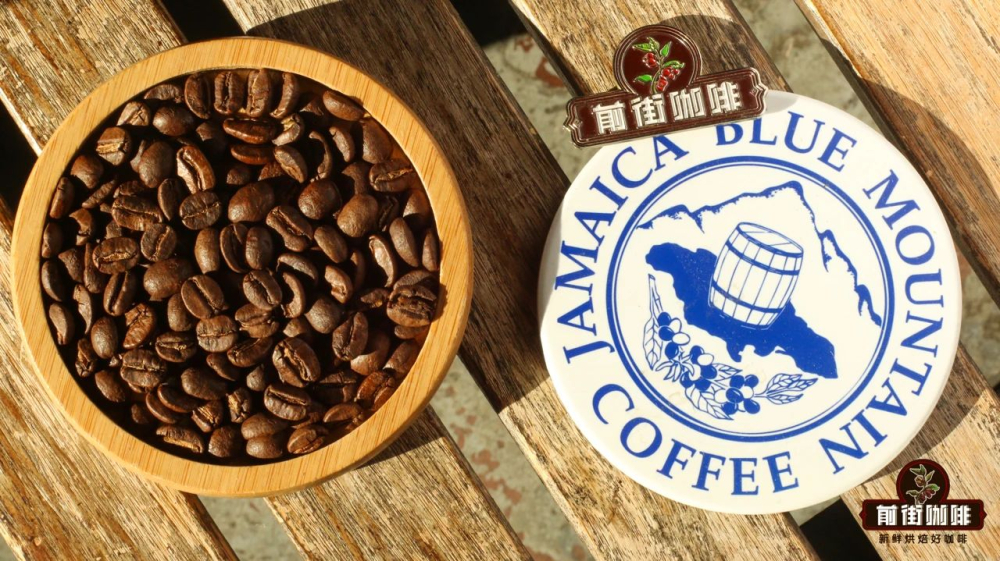
It’s worth noting that many commercially available "Blue Mountain-flavored coffees" do not actually come from the Jamaican Blue Mountain region—some may not even be related to Blue Mountain at all, merely blends designed to mimic similar flavors. Products that can genuinely be labeled as "Jamaican Blue Mountain coffee" are not only limited by origin, but also classified into grades NO.1 to NO.3 based on bean size and defect rate, as well as the premium hand-selected peaberry PB. Among these, NO.1 is the highest grade, requiring beans with a diameter of 17 mesh or above, a defect rate below 3%, and a moisture content of about 13%. These strict standards ensure high quality and consistency.
The produced Blue Mountain No. 1 coffee falls into this top-grade category. Its beans are plump and uniform. After medium-dark roasting, it achieves a bright and delicate acidity that perfectly balances with its rich body. This coffee is suitable for brewing via pour over or drip bags, allowing its subtle floral notes, mild spiciness, and soft lemony acidity to shine through. The cocoa aftertaste is prominent upon tasting, and the overall profile is clean, complex, and mild, with almost no perceivable bitterness. The balance among acidity, sweetness, and bitterness is nearly perfect.
For pour-over enthusiasts, when choosing Blue Mountain coffee, in addition to paying attention to origin and grade, it’s also essential to consider the bean variety and processing method. Blue Mountain coffee primarily uses the traditional Typica variety, a classic strain within the Arabica family known for its elegant acidity and delicate mouthfeel. Moreover, the pour-over method better highlights the nuanced layers of Blue Mountain coffee. It’s recommended to use medium-fine grind, control water temperature at 90–93°C, and employ a segmented extraction to fully bring out the balanced flavors of floral, fruity acidity, and sweetness.
In summary, true Jamaican Blue Mountain coffee is not only a product of geography and altitude but also represents a rigorous standard of cultivation, processing, and certification. Many products on the market that claim a "Blue Mountain flavor," while perhaps sharing a similar aromatic profile, cannot replicate the layers and details of authentic Blue Mountain. If you wish to experience the true charm of Blue Mountain, it’s recommended to choose NO.1 grade products certified by the CIB, and to savor this coffee art from the high mountains of the Caribbean with suitable pour-over parameters.
The above content is compiled by CoffeeHunters, a coffee news website.


