







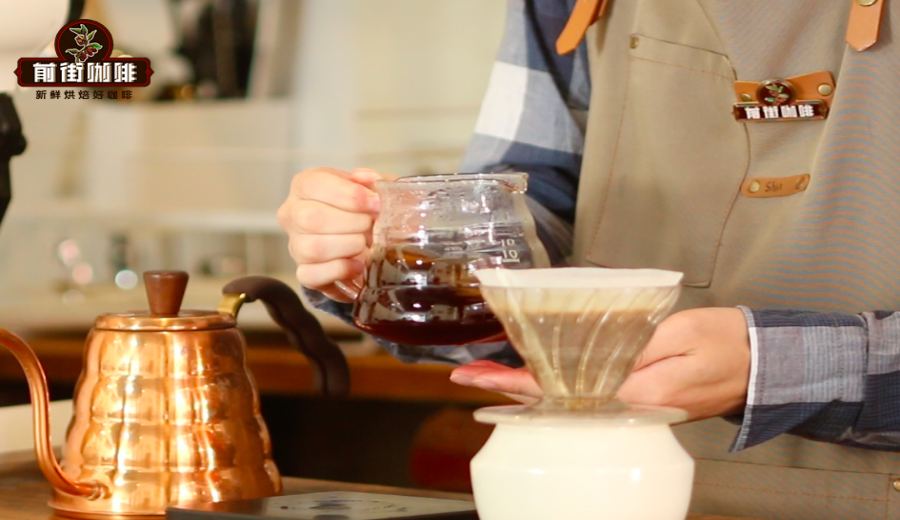
Introduction:Huila Province in Colombia, blessed with high altitudes and volcanic soil, produces specialty coffees with bright acidity and prominent sweet aromas. This article delves into the natural conditions and smallholder farming practices of the Huila region, explaining how medium-to-dark roasts bring out nutty and dark chocolate notes. It also provides a practical three-stage pour over parameter guide to help you easily extract balanced and mellow flavors—whether you’re a beginner or an advanced home brewer, there’s something here for you.
As the world’s second-largest coffee producer, Colombia’s southern Huila Province is renowned for its specialty coffees, characterized by vibrant berry acidity and rich caramel sweetness. It is considered one of the classic regions among pour over enthusiasts. This article not only explores the region’s geography, microclimate, and cultivation background, but also breaks down the common medium-to-dark roast profiles in detail, and walks you through using a three-stage pouring technique to fully highlight the layered flavors of the beans.
Whether you’re just starting out with pour over or are an experienced coffee lover looking to refine your brewing skills, this article offers practical parameter suggestions and operation details to help you consistently showcase the unique character of Huila coffee.
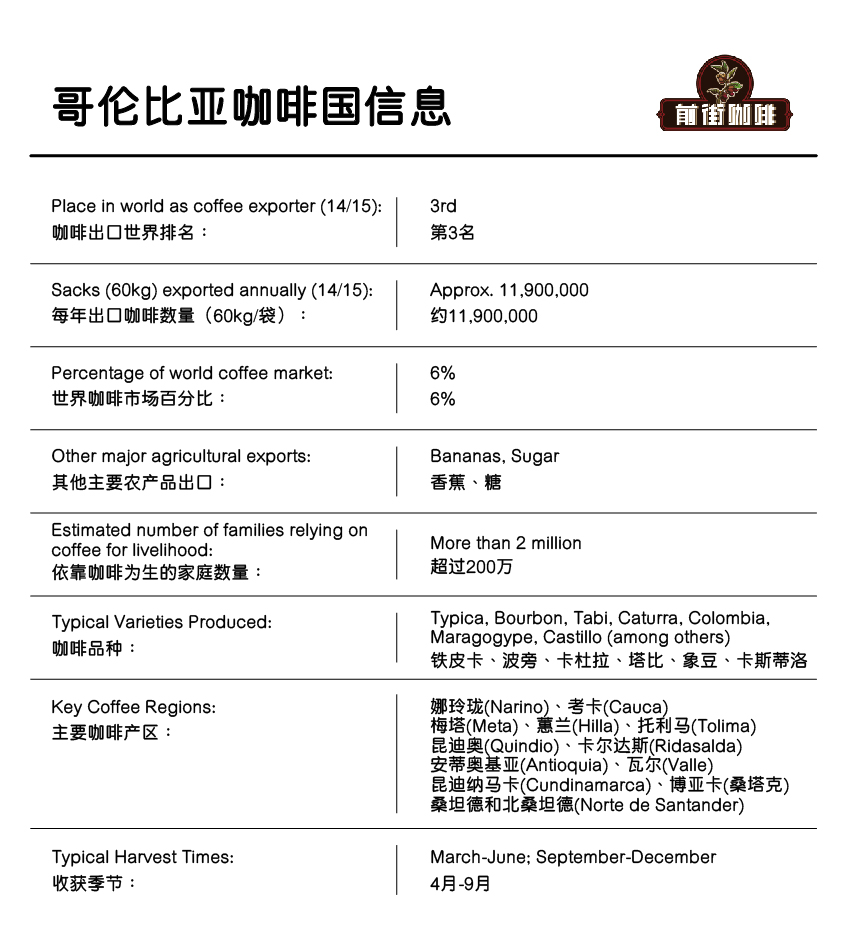
Colombia’s coffee-growing history dates back to the 1830s, and since then, it has become an important pillar of the country’s agricultural economy. Thanks to the terrain of the Andes Mountains and diverse microclimates, coffee is cultivated across more than 590 towns in 14 main producing regions, covering approximately 875,000 hectares. Around 75% of the coffee is exported overseas, making Colombia not only a major supplier of Arabica beans globally, but also well-known for its high proportion of washed processed beans.
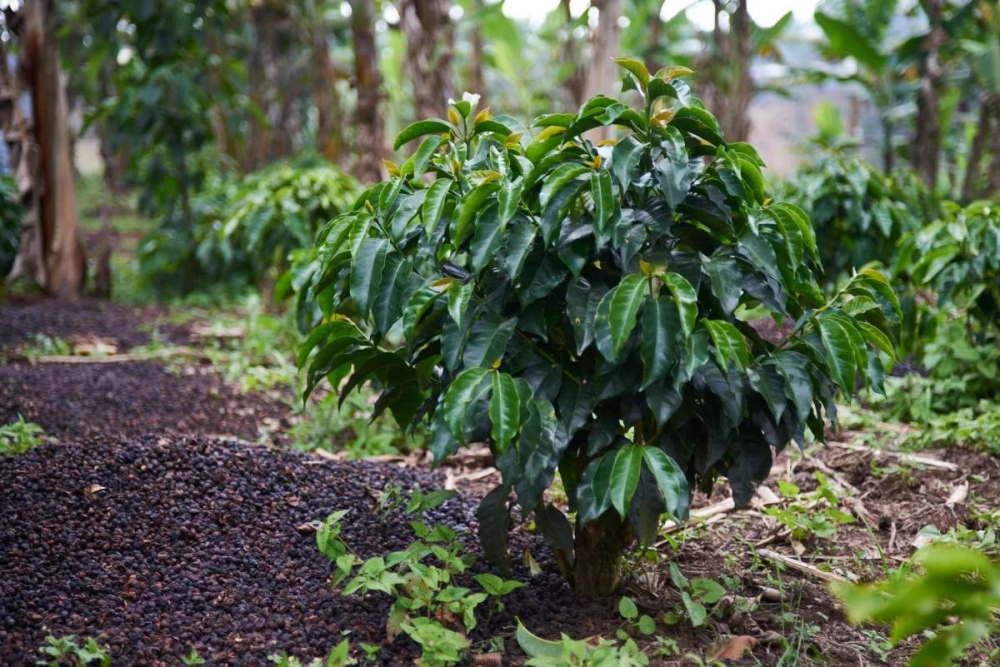
Behind such a large output, over 60% of the coffee comes from smallholder farmers managing plots smaller than one hectare. This family-run model ensures that each coffee bean receives the utmost care during planting and harvesting. Farmers insist on handpicking only fully ripe coffee cherries, and maintain soil vitality through moderate fertilization and shade cultivation. The growing environment often features tall shade trees that help the coffee ripen slowly and accumulate richer aromatic compounds.
Colombian coffee generally boasts intense aroma, balanced acidity and sweetness, and consistent performance, often characterized by nutty and chocolatey tones—making it ideal for those who enjoy a full-bodied cup with layered complexity. Traditionally, many coffees are medium-to-dark or even dark roasted to emphasize their bold characteristics, but in recent years, more and more specialty Huila beans have used medium-to-dark roasting to showcase the perfect balance between sweetness and fruit acidity.
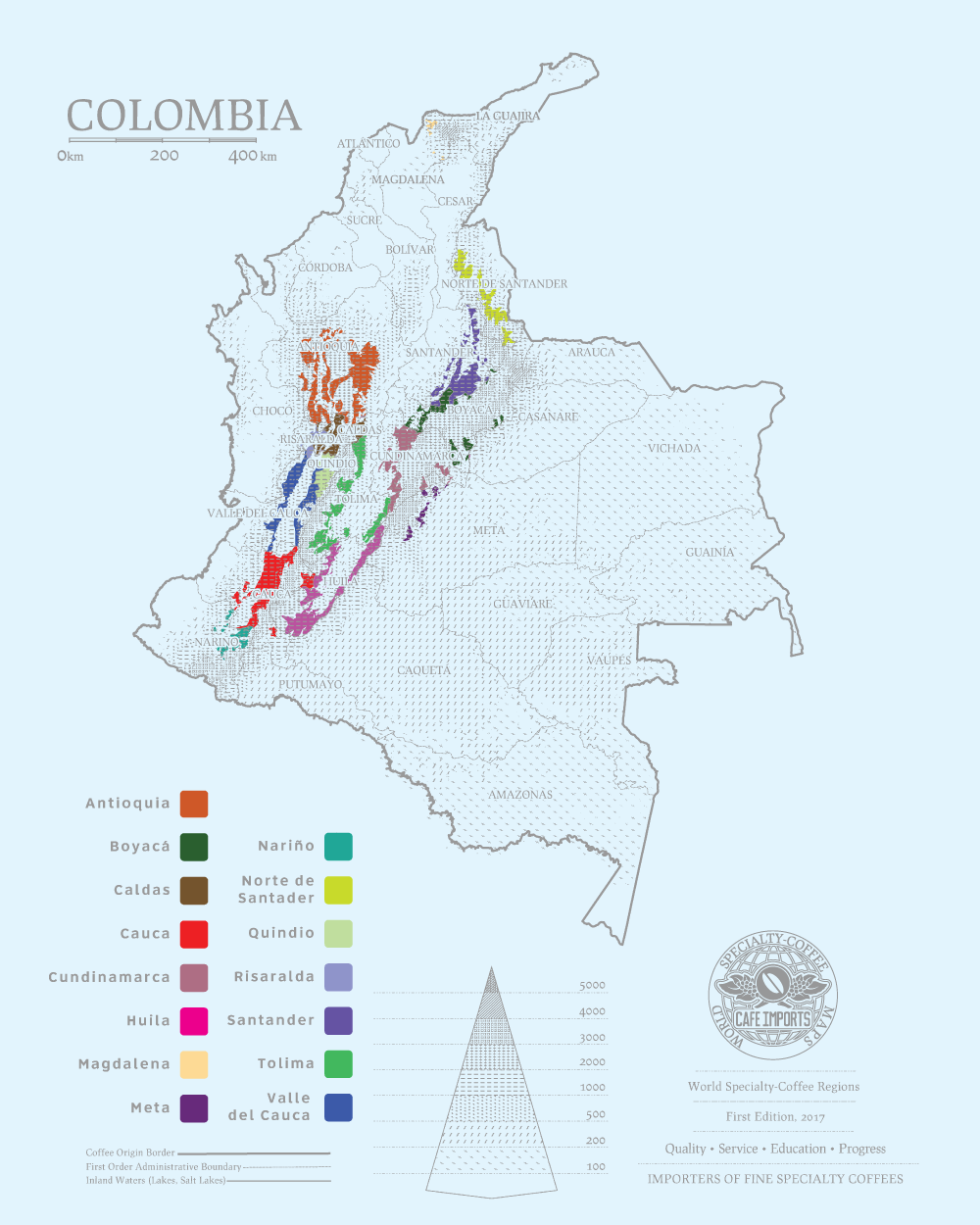
Huila Province is located in the southern section of Colombia’s central mountain range and is one of the country’s most representative specialty coffee regions. With an average altitude exceeding 1,500 meters, numerous important rivers providing abundant water and stable humidity, and volcanic soils rich in minerals, the region creates a highly distinctive flavor profile.
Unlike most northern or central Colombian regions, which primarily focus on commercial bulk exports, Huila is known for its micro-lot production by smallholder farmers. These coffees are often grouped through cooperatives and launched as micro-regional selections. Each batch undergoes rigorous cupping selection, and the flavors often feature bright berry acidity, delicate caramel sweetness, and soft citrus notes. The overall profile is both vibrant and full-bodied.
The Huila washed Caturra introduced in this article is one of the classic varieties of the region, grown at altitudes between 1,500 and 1,800 meters. The washed processing method preserves a clean and refreshing flavor profile, while the medium-to-dark roast enhances the nutty and dark chocolate finish—making it an ideal choice for pour over enthusiasts.
In terms of roasting, due to the bean’s plump shape and high density, the roaster chose to extend the development time after first crack, maintaining a stable heat for 3 minutes, and dropping the beans at 202°C. This successfully brings out rich caramel and nutty aromas. The specific roast profile is as follows: beans were loaded at 185°C, with the fan set to 3 and heat at 120. At about 1 minute and 32 seconds, the temperature returned to 98.6°C. The fan and heat were then gradually adjusted. After the first crack started at 9 minutes and 15 seconds, roasting continued for 3 more minutes, and the beans were dropped at 202°C, achieving the desired rich base and aromatic layers.
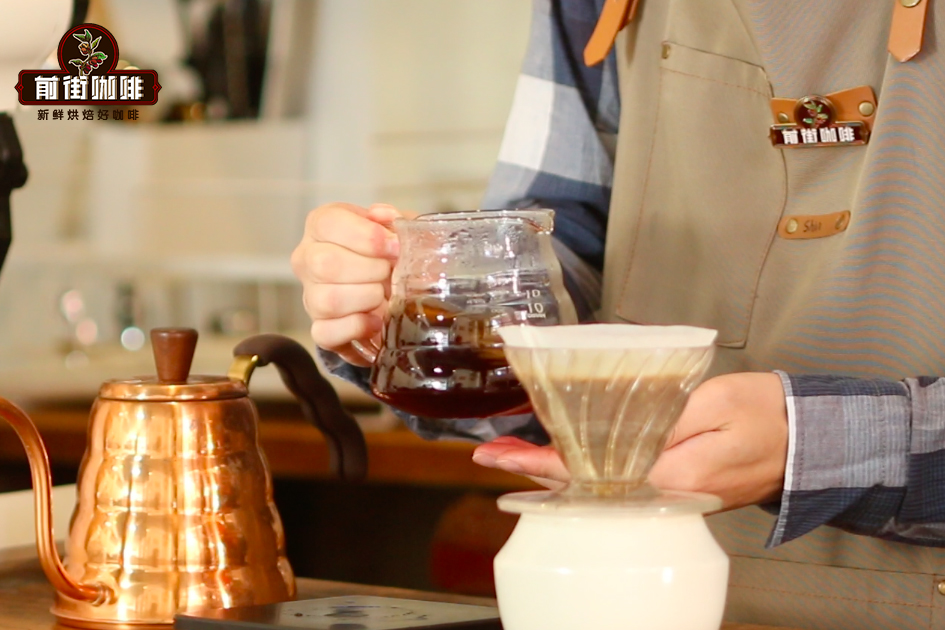
For pour over brewing, we recommend using the three-stage pouring method, which allows for more precise control of water-to-ground contact time and extraction uniformity—perfect for highlighting the nuanced flavors of Huila coffee. Here are the practical parameters and steps:
We suggest using 15 grams of coffee, with a 1:15 coffee-to-water ratio, 88°C water temperature, and a medium-coarse grind size (approximately 75% through a #20 sieve). First, warm your equipment and filter paper, place the coffee grounds in the filter, and gently shake to level.
The first pour: add 30 grams of hot water, circling from the center outward. The coffee grounds will absorb the water and expand, forming what’s called the “coffee burger” state. Let it bloom for 30 seconds. Then, begin the second pour at the 31-second mark: steadily pour 100 grams of water from the center outward. Keep the water flow vertical to allow the coffee foam to release fully, letting the liquid level rise to the shorter rib position. When the liquid level drops to about half, proceed to the third pour: add 95 grams of water, again pouring slowly from the center outward. You may slightly slow the water flow and observe the foam change from deep brown to light yellow. The total brew time should be kept between 2 minutes and 30 seconds to 3 minutes.
Judging when to pour again is key: the second pour is recommended 30 seconds after blooming—it’s stable and easy to manage. For the third pour, watch the water level and pour when it has dropped to about half or two-thirds to avoid the coffee bed being too dry or too wet, which can lead to uneven extraction.
Using this brewing method allows you to fully highlight the berry acidity, caramel sweetness, and nutty finish of Huila coffee. It’s perfect for pour over lovers who enjoy layered and balanced flavors. With the right water temperature, grind size, and pouring rhythm, you can easily recreate a professional-level coffee experience at home.
The above content is compiled by CoffeeHunters, a coffee news website.


