







Introduction:Delve into the varietal evolution of Sumatran Mandheling coffee, the intricacies of the wet-hulling process, and how beans from this region perform in both pour over and espresso brewing. This article analyzes the key factors influencing its flavor profile, and offers practical roasting and extraction advice to help you better understand the characteristics and ideal applications of this classic Southeast Asian origin.
As Indonesia’s largest island, Sumatra lies on the equator with a warm, humid climate and numerous volcanic landscapes. The fertile, mineral-rich volcanic ash soil built up over time provides an exceptionally conducive environment for coffee cultivation. This region is not only one of the few major producers globally that employs the wet-hulling method, but also the birthplace of Indonesia’s most iconic specialty coffee — Mandheling.
As early as the late 18th century, Dutch colonists introduced the Typica variety to Indonesia, initially planted mainly on Java. Over time, cultivation expanded to other islands such as Sumatra, Sulawesi, and Timor. However, the leaf rust disease outbreak of 1869 dealt a devastating blow to global Arabica coffee production, and Indonesia was no exception, leading to the death of a large number of Typica plants.
To rebuild the coffee industry, Indonesia began introducing more disease-resistant varieties, such as Robusta, as well as Arabica-Robusta hybrids including Tim Tim, Bor Bor, and the Ateng series. These varieties, which are hardier and higher-yielding, gradually replaced the original Typica and became the predominant cultivars in Sumatra, with Mandheling being the most well-known representative.
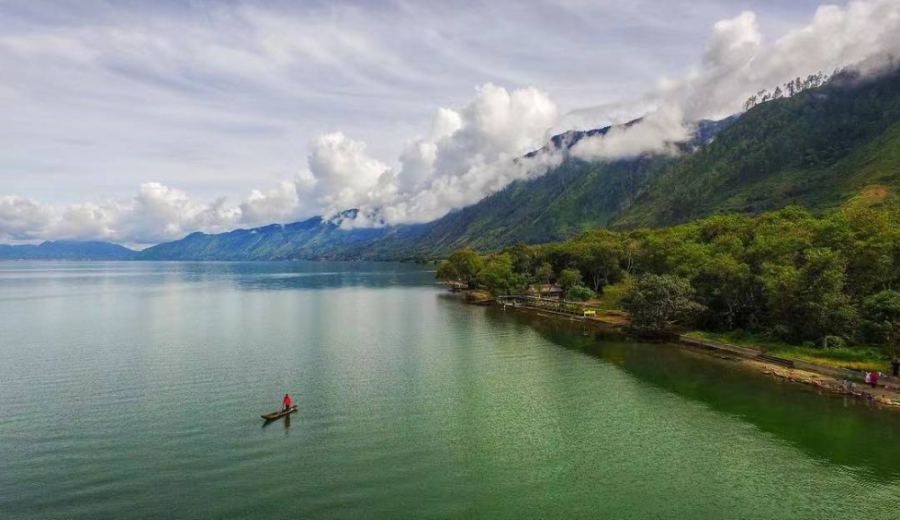
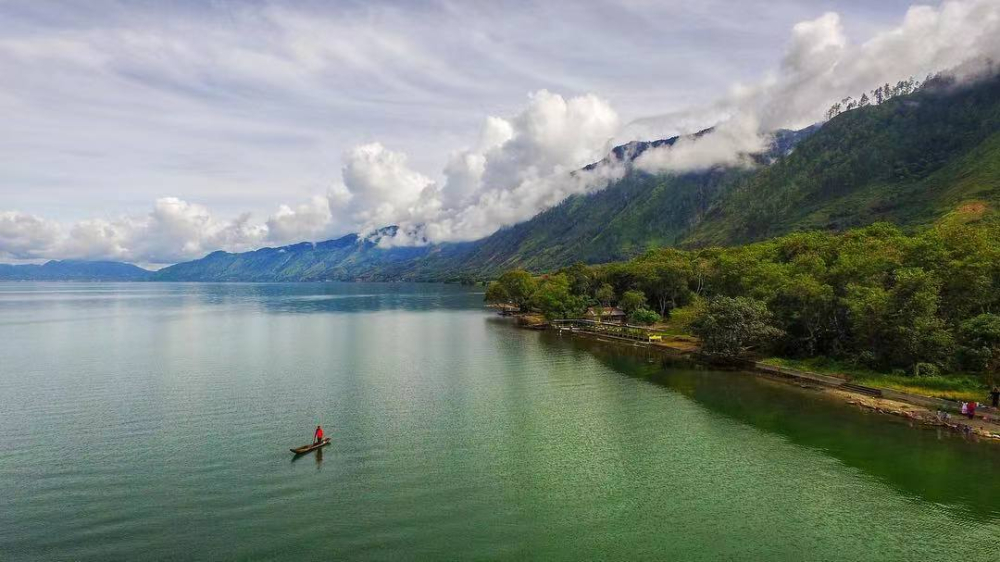
Mandheling coffee is primarily grown in the northern regions of Sumatra — Aceh and North Sumatra — especially around the highlands near Lake Toba and Lake Tawar. Lake Toba, the world’s largest volcanic lake, is located in a tropical rainforest climate zone at an altitude of approximately 1,400 meters. The area enjoys a consistently warm and humid climate, and its mountainous slopes are naturally covered with abundant ferns and trees that provide good shade, so most coffee trees do not require additional shading systems.
The Gayo Highlands in central Aceh, adjacent to Lake Tawar, represent another highly distinctive Mandheling-producing region. With elevations ranging between 1,200 to 1,800 meters, the area is perpetually shrouded in mist and experiences significant diurnal temperature variations. The nutrient-rich volcanic soil, combined with local organic farming practices and traditional management methods, yields coffees with complex flavor layers and a unique regional character. Beans from this area are often regarded as premium-grade representatives of Sumatran Mandheling.
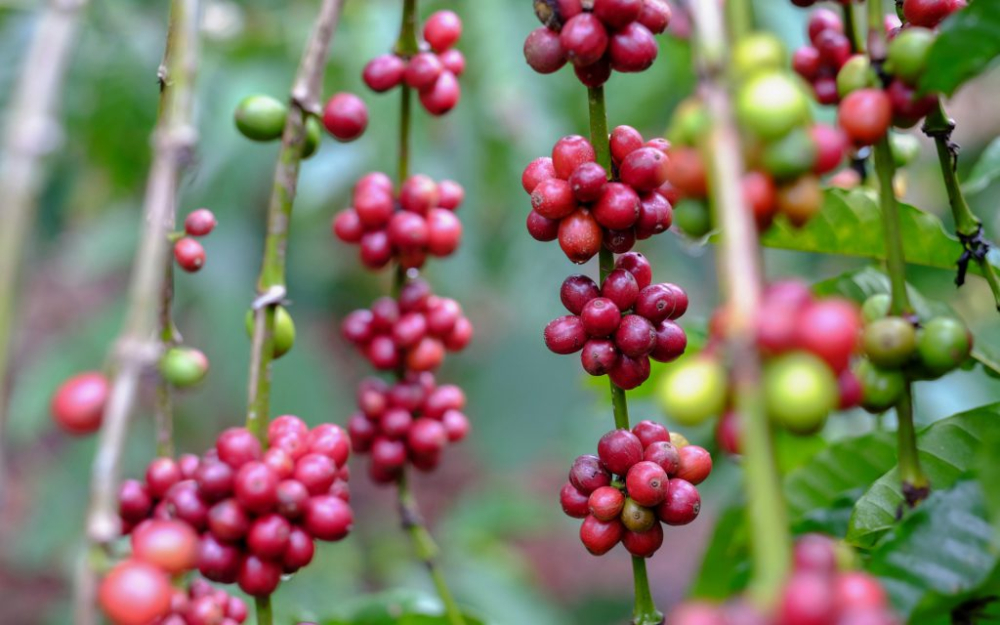
The coffee harvesting season typically runs from September to April of the following year. Local farmers hand-pick ripe red cherries and process them afterward according to the traditions of different villages and ethnic groups. Lintong Mandheling is primarily cultivated by the Mandailing and Batak peoples, while the Lake Tawar region is mostly farmed by the Gayo community, resulting in subtle differences in microclimate and processing details.
Most parts of Indonesia receive annual rainfall exceeding 2,000 mm, with humidity levels consistently maintained between 70% and 90%. Coupled with frequent rainfall and high temperatures, these conditions pose challenges for traditional sun-drying and washed processing methods. Sun-drying requires several consecutive days of stable sunshine, which is difficult to achieve in Sumatra. While washed processing can preserve bright acidity, it demands large amounts of clean water and labor, making it cost-prohibitive for Indonesia’s volume-oriented coffee industry.
To address these issues, Sumatra developed a uniquewet-hulling process (Giling Basah). This method combines elements of washed and semi-dry processing, significantly shortening the processing time and adapting to the humid environment. The steps are as follows:
First, the harvested coffee cherries have their outer skin and pulp removed, leaving parchment-covered beans with mucilage attached. These undergo a brief fermentation period (usually a few hours), followed by rinsing with clean water to remove residual slime. The beans are then placed on drying patios for initial drying. However, unlike washed processing, the wet-hulling method only reduces the moisture content to30% to 40%— much lower than the 11% to 12% required for washed coffee. This stage takes about 2 to 3 days.
At this point, farmers typically sell the semi-dried parchment beans to buyers, who then carry out the next steps. Upon receiving the beans, buyers use specialized hulling machines to remove the still-moist parchment layer. Since the beans are not fully dried, mechanical force can easily tear the fragile outer layer. The friction during this process releases white or greenish slippery substances, causing the beans to become damp, swell, or even slightly deform. The commonly seen “elephant ear” marks (i.e., crushed tips or dents at both ends of the bean) often form at this stage.
This method of hulling beans that are not fully dried exposes the green coffee to high humidity and friction, fostering unique fermentation and oxidation reactions. These processes contribute to the signaturedeep woody tones, herbal aromas, and spicy notesfor which Sumatran Mandheling is world-renowned, becoming key identifiers of its flavor profile.
In terms of roasting and brewing applications, Mandheling exhibits a rich spectrum of flavor nuances due to its distinctive processing method and regional traits. Commonly available Lintong Mandheling and PWN Gold Mandheling are typically medium-dark roasted to highlight dominant notes of dark chocolate, nuts, cream, and caramel — appealing to those who enjoy bold, full-bodied profiles.
If you prefer pour over brewing, we recommend using a medium-fine grind and maintaining a water temperature of90°C~92°C, employing a step brewing method to more clearly bring out its nutty and herbal aromas. For espresso, however, the combined effects of high pressure, high temperature, and fine grind may amplify Mandheling’s woody and spicy characteristics, making it less ideal for single-origin straight shots.
If you still wish to explore Mandheling’s flavors in an espresso, we suggest using a blend — for example, combining 50% Brazilian beans, 30% Mandheling, and 20% Robusta. This not only balances the rich caramel and creamy base but also preserves Mandheling’s distinctive spicy finish, creating a more layered and complex coffee experience.
The above content is compiled by CoffeeHunters, a coffee news website.


