







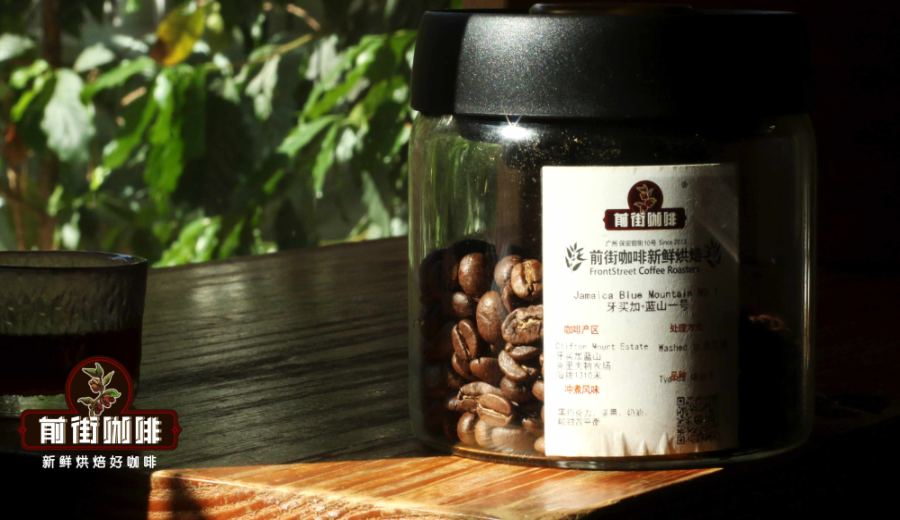
Introduction:Selecting the right coffee beans for pour over is key to brewing a great cup. This article takes Jamaican Blue Mountain No.1 as an example, detailing its bean variety characteristics, growing environment, grading standards, and roast-to-green ratio, while analyzing in depth its balanced flavor profile of acidity, sweetness, bitterness, and body. It also provides practical brew parameters using the KONO filter and step-by-step pouring techniques, along with recommendations for several distinctive alternative beans to help you easily find your ideal pour over setup.
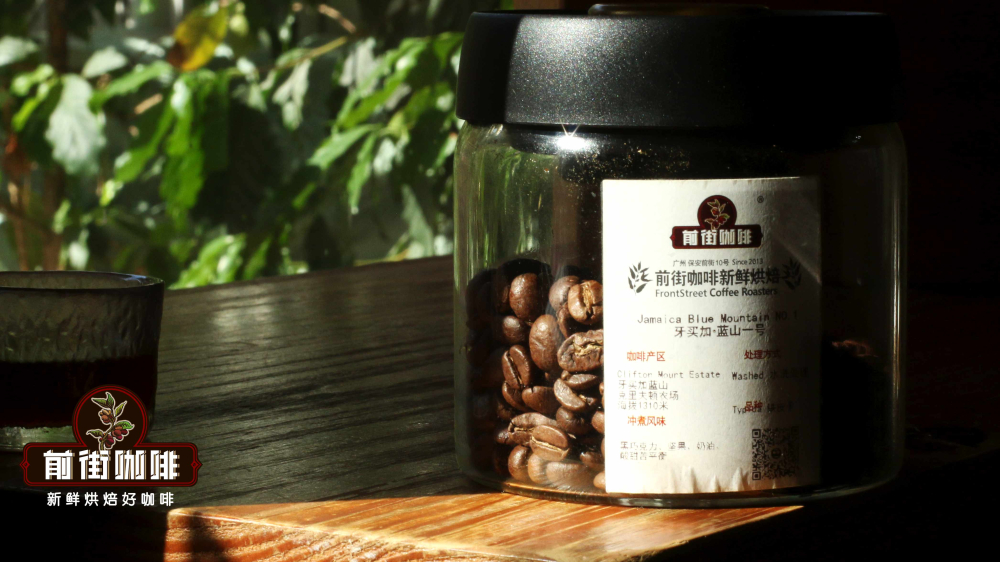
To brew a smooth and well-balanced cup of pour over coffee at home, choosing the right beans is the first step. Jamaican Blue Mountain coffee is hailed as one of the world’s top-tier coffees. Its use of the Typica variety, combined with the region’s unique volcanic soil and maritime climate, results in a mellow and layered taste. This article uses the commonly available Jamaican Blue Mountain No.1 as an example to introduce its green bean appearance, grading system, roast-to-green ratio, and how its acidity, bitterness, sweetness, and body intricately blend to deliver a unique drinking experience.
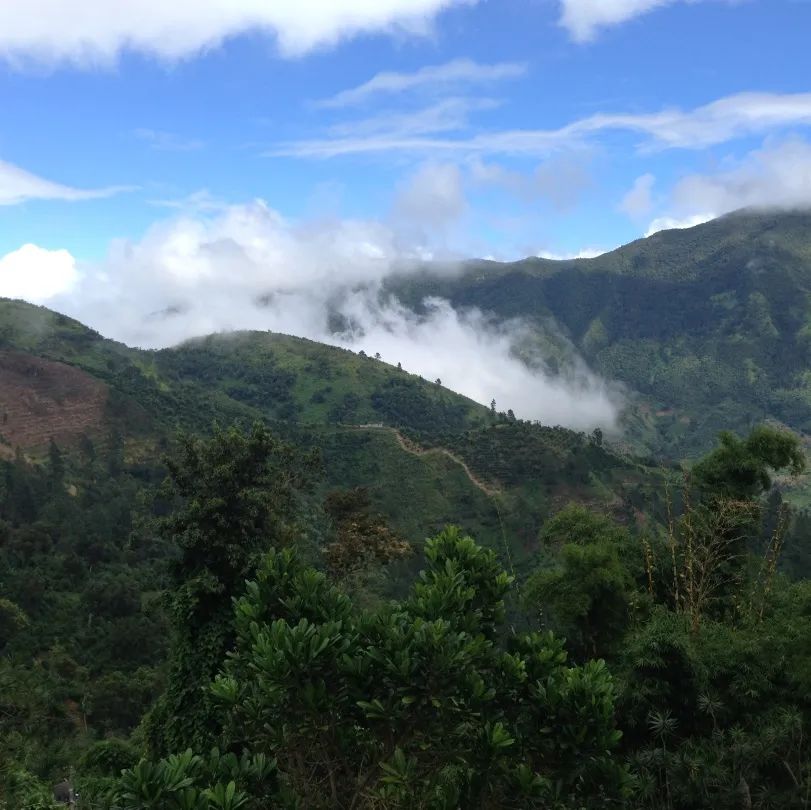
The Jamaican Blue Mountain region primarily grows the Typica variety, a classic Arabica originating from Ethiopia, known for its delicate taste and gentle acidity. The reason Blue Mountain coffee can exhibit such a balanced flavor lies not only in the inherent traits of the variety but also in Jamaica’s exceptional geographical environment. As a Caribbean island nation, Jamaica benefits from abundant sea breezes, and the terrain of the Blue Mountains provides moderate rainfall and mineral-rich volcanic soil. Even under relatively low altitude conditions, it fosters coffee with a mild taste and elegant aroma.
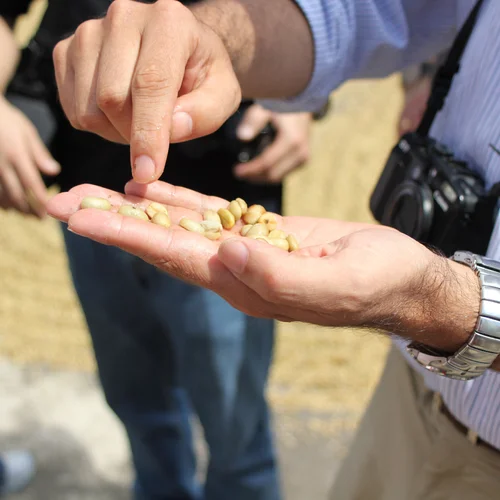
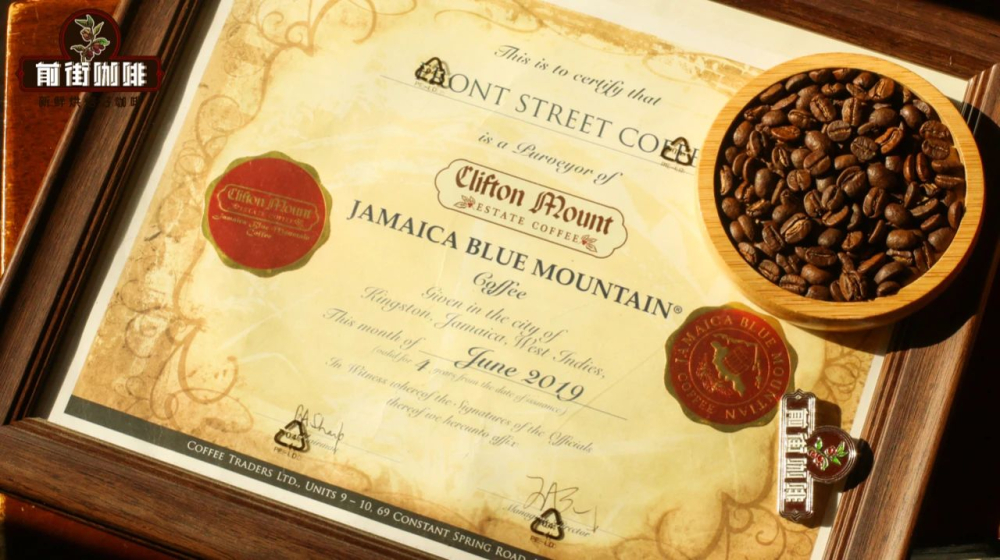
According to the regulations of the Jamaica Coffee Industry Board (CIB), exported Blue Mountain green beans are subject to strict quality control: the percentage of defective beans must not exceed 3%, moisture content is generally maintained around 13%, and the roast-to-green ratio is approximately 83%. In terms of green bean grading, classification is based on bean size: beans larger than 17 mesh are graded as NO.1, those larger than 16 mesh as NO.2, and those larger than 15 mesh as NO.3. Therefore, the freshly imported Jamaican Blue Mountain No.1 green beans sold here are usually dark green, with a waxy sheen on the surface, plump and round in shape, resembling high-quality emeralds. As for roasted beans, they must undergo cupping certification by CIB quality control managers to ensure they meet quality standards before export.
Authentic No.1 beans from the Jamaican Blue Mountain region exhibit an excellent balance of acidity, bitterness, sweetness, and body, with an elegant and understated aroma, making them the “coffee beauty” in the hearts of many coffee enthusiasts. While the flavor of this type of coffee may be relatively mild upon entry, careful sipping reveals its refinement and complexity, with lingering aroma and a long-lasting aftertaste, highly favored by consumers who seek delicate taste profiles.
So, how can you brew a cup of Blue Mountain No.1 at home that approaches professional standards? Here is a set of tested and stable brewing recommendations:
For brewing equipment, it is recommended to use a KONO filter, with water temperature controlled at around 88°C, a water-to-coffee ratio set at 1:15, and a coffee dose of 15 grams. The grind size can be around 80% extraction through a Chinese No.20 standard sieve, which is roughly medium-fine.
The specific brewing steps are as follows: First, pour 30 grams of hot water for a 30-second bloom to initiate the release of coffee aroma; then pour in a thin stream of water in circles, and when the total water volume reaches 125 grams, perform the first pour. When the water level in the filter gradually drops and is about to expose the coffee bed, pour again until the total reaches 225 grams. Then wait for the water level to naturally drop to the point where it is about to expose the coffee layer before removing the filter. The total extraction time, starting from the bloom, is about 2 minutes. This parameter setup is designed to balance the delicate characteristics of Blue Mountain coffee, though differences in users’ water quality, grinder, and technique may still affect the final flavor. Adjustments can be made according to personal taste preferences.
Of course, Blue Mountain No.1 is not the only option for pour over. If you prefer coffee with distinct floral notes, you might try single-origin beans offered by some shops such as Guodingding, Huakui, or Xizhao. These varieties often showcase rich fruit tones, with almost no bitterness, making them suitable for drinkers who enjoy fresh and bright flavors.
On the other hand, if you’re not accustomed to coffee with pronounced acidity, you might consider medium to dark roast beans, such as Queen’s Estate, Brazilian Cerrado, or PWN Golden Mandheling. These coffees are not only suitable for pour over but can also be used in a moka pot or home espresso machines, delivering a richer and more full-bodied taste experience.
The above content is compiled by CoffeeHunters, a coffee news website.


