







Introduction:Jamaica Blue Mountain No.1 coffee is hailed as one of the world’s top-tier coffees, yet genuine beans are rare and prohibitively expensive. Counterfeits abound on the market, making it difficult to discern the real deal. This article delves into the reasons behind the high price of Blue Mountain No.1, including its limited production, Japan’s long-term monopoly, and the impact of Japan’s historical right of first refusal. It also teaches you how to distinguish authentic beans by examining certificates, pricing, and bean appearance, and provides practical pour over recommendations and parameters to help you better understand the unique flavor profile and correct brewing methods of this legendary coffee.
Jamaica Blue Mountain coffee is regarded as the pinnacle of the coffee world, and No.1 is especially the dream of many coffee enthusiasts. However, very few people have actually had the chance to taste authentic Blue Mountain No.1 from Jamaica’s official growing regions. The scarcity is not only due to limited production but also involves a complex mix of history, trade, and market distribution. This article will help you understand why Blue Mountain No.1 is so expensive, teach you how to identify the genuine product, and provide useful pour over parameters so you can enjoy a flavor close to the origin even at home.
Jamaica produces only about 2,000 tons of Blue Mountain coffee per year, a figure lower than the monthly output of many coffee-growing regions. The coffee’s rarity is closely tied to its unique geographical environment. The Blue Mountains are located in northeastern Jamaica, at elevations exceeding 1,200 meters, with a cool, foggy climate and fertile volcanic soil that create a distinctive flavor and balance in the beans. Yet what truly makes it legendary is not just the natural conditions, but also its historical background.
In 1969, Jamaica was hit by a severe hurricane that devastated its coffee industry. At the time, Japan’s UCC Ueshima Coffee introduced advanced eco-friendly cultivation techniques to aid in the region’s recovery. In gratitude, the Jamaican government signed an agreement with Japan in 1971, stipulating that 90% of annual Blue Mountain coffee production would be exported to Japan, with the remaining 10% mostly pre-booked by specific high-end clients. This agreement led to a long-term Japanese monopoly on Blue Mountain No.1 and indirectly drove up its international price. It wasn’t until Japan’s right of first refusal expired that other countries gradually gained import quotas—Mainland China, for example, officially imported Blue Mountain No.1 coffee beans for the first time in 2004.
Due to limited supply, many commercially available products labeled as “Blue Mountain coffee” are actually blends made from beans from other regions, marketed as “Blue Mountain flavor” or “Blue Mountain blend.” While these attempt to replicate the bright acidity, balanced sweetness, and rich body of true Blue Mountain, they differ significantly from beans grown in Jamaica’s official Blue Mountain region. Consumers should pay special attention to whether the product has official certification to avoid purchasing ordinary blends merely riding on the “Blue Mountain” name.
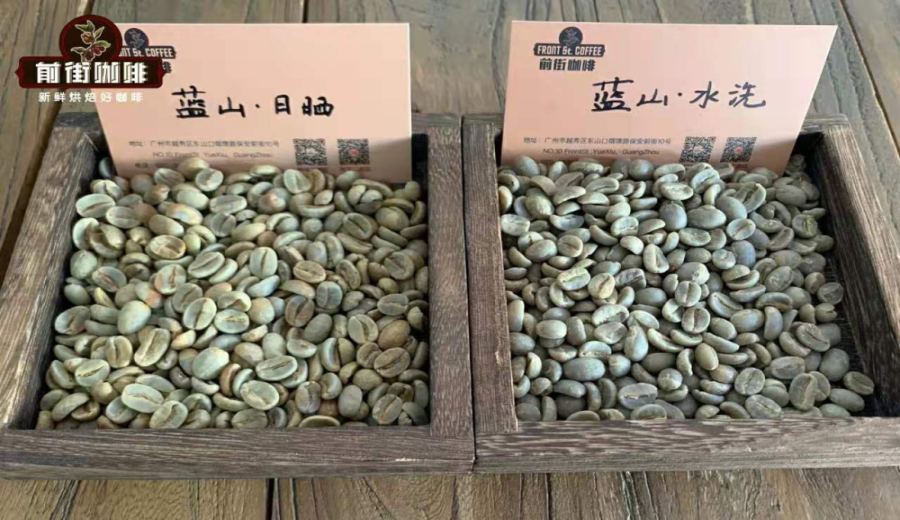
To identify genuine Jamaica Blue Mountain No.1 coffee, you can focus on three key aspects: First, certification—authentic Blue Mountain coffee usually comes with certificates issued by the Jamaica Coffee Industry Board, including quality assurance, authorized sales certificates from producers, and certificates of origin. These documents effectively verify the coffee’s source and authenticity. Second, price is also a major indicator—if the cost is less than three digits per 100 grams, it’s very likely not genuine Blue Mountain No.1. Lastly, observe the beans themselves: Blue Mountain No.1 green beans must meet high standards, such as being 17 mesh or larger with a defect rate below 2%. Roasted beans should have uniform, plump particle sizes, and visual inspection can offer preliminary insight into their quality.
The Blue Mountain No.1 coffee beans featured here come from the Clifton Estate in Jamaica, a historic farm with over 200 years of heritage and the only plantation in the Blue Mountain region certified by the Rainforest Alliance. Its coffee barrels are typically stamped with a frog logo, a symbol of quality. These beans are processed using the washed method, which preserves the delicate acidity and clear layers characteristic of Blue Mountain coffee—an ideal choice for experiencing the authentic flavor of true Blue Mountain.
For brewing, it is recommended to use a Kono filter cone, with water temperature at 88°C and a coffee-to-water ratio of 1:15—for example, 15 grams of coffee grounds to 225 grams of water. Since Blue Mountain No.1 is often medium to dark roasted, to avoid over-extraction and bitterness, a three-stage pouring method is advised: start with 30 grams of water for a 30-second bloom, then pour in a small circular motion up to 125 grams before pausing. After the liquid level drops, continue pouring to reach 225 grams for full extraction, keeping the total brew time around 2 minutes. These parameters fully highlight the sweet and acidic balance, richness, and layered complexity of Blue Mountain No.1.
Additionally, the freshness of the coffee beans greatly impacts flavor. It is recommended to choose beans roasted within five days and allow a 4 to 7 day resting period after receipt to let the flavors reach their peak. With proper selection and brewing techniques, you too can enjoy a classic cup of coffee at home that closely resembles the authentic taste from the Blue Mountain region.
The above content is compiled by CoffeeHunters, a coffee news website.


