







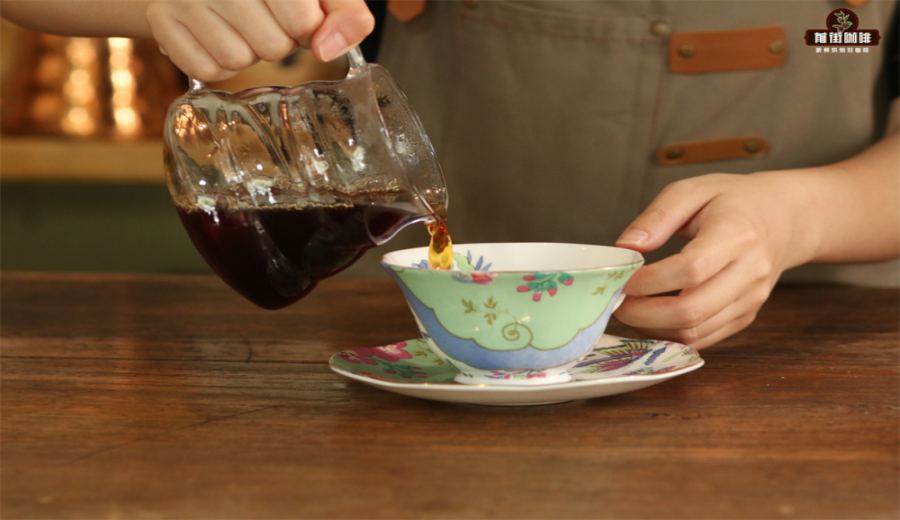
Introduction:Want to delve deeper into the top-tier Geisha coffee from Panama’s Elida Estate? This article provides a detailed introduction to this ASD anaerobic slow-dry natural processed Geisha, which once scored highly in the Best of Panama (BOP). It covers everything from the variety’s origins and processing methods to its unique flavors, along with professional pour over recommendations and practical extraction parameters to help coffee enthusiasts fully master the brewing techniques for this premium bean.
Geisha coffee is regarded as one of the finest varieties in specialty coffee. Panama’s Elida Estate, with its meticulous cultivation and unique processing techniques, achieved a historic record in the 2016 Best of Panama (BOP) competition with a score of 94.15 for its Geisha. This article will explore in depth the variety background, the ASD anaerobic slow-dry natural processing method of Elida Estate, as well as the delicate flavor profile of this coffee, accompanied by pour over suggestions and precise parameters to help you grasp everything from the variety to the brewing process.
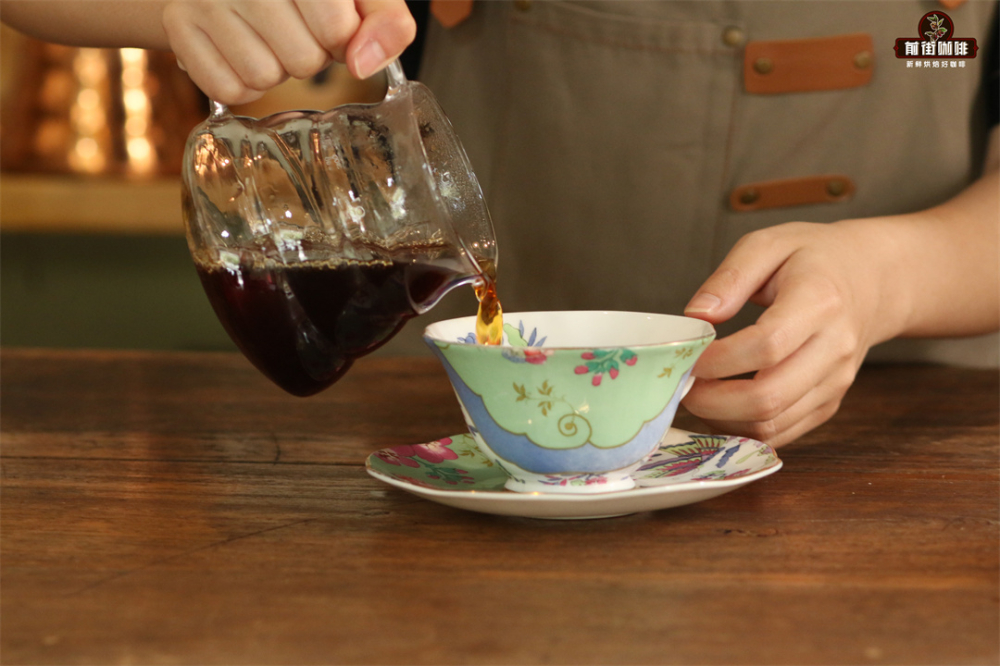
The cultivation history of Geisha can be traced back to 1931, when it was first discovered in the Gesha mountains of Ethiopia, hence its name. Due to its name sounding similar to the Japanese word for “geisha (芸者),” it was initially mistakenly associated with Japan, but this was merely a phonetic coincidence. The variety later traveled through Kenya, Uganda, Tanzania, and even Costa Rica, before finally being introduced to Panama by the Hacienda La Esmeralda in the 1970s. However, due to its limited production, it did not receive much attention initially, until 2004 when Hacienda La Esmeralda made Geisha shine brightly in the BOP, propelling it to fame.
Geisha coffee beans usually exhibit an elegant bluish-green hue with an elongated bean shape and a jade-like texture. The dry fragrance often carries notes of fresh grass, peach, berries, and the rare oolong tea milk aroma, distinguishing it clearly from regular coffees. Compared to Yirgacheffe, Geisha has a more intense and layered aroma, primarily characterized by fresh floral notes and bright citrus acidity. At the same time, depending on the producing region and processing method, Geishas from different areas each have their own unique characteristics.
Located in the Boquete region of Panama, Elida Estate sits at an altitude of 1850 to 1900 meters in a mountainous environment, with some areas even within the Volcán Barú National Park. Such an environment creates ideal conditions for coffee cultivation. The estate primarily grows varieties such as CATUAI, GEISHA, and Caturra. Among them, Elida’s Geisha Green Tip Natural won the washed Geisha category championship in the 2016 BOP with a score of 94.15, setting a record for that year. It was also sold for nearly NT$9,000 per pound, becoming an industry legend to this day.
A well-known coffee brand provided the following tasting notes for Elida Estate’s Geisha: Produced in Boquete, Panama, at an altitude of 1850 meters, washed processed, variety is Geisha. The flavors include citrus, honey, berries, and a sense of green tea, with a round and smooth mouthfeel. However, what has truly brought Elida attention in recent years is its unique ASD anaerobic slow-dry natural processing method.
ASD (Anaerobic Slow Dry) anaerobic slow-dry natural processing is a method pioneered by Mr. Wilford, the owner of Elida Estate. This method involves first thoroughly washing and sorting fully ripe coffee cherries, then placing them in a sealed container for anaerobic fermentation for approximately 3 to 7 days. During this stage, by controlling the oxygen environment, specific microbes are encouraged to ferment, further refining the flavors.
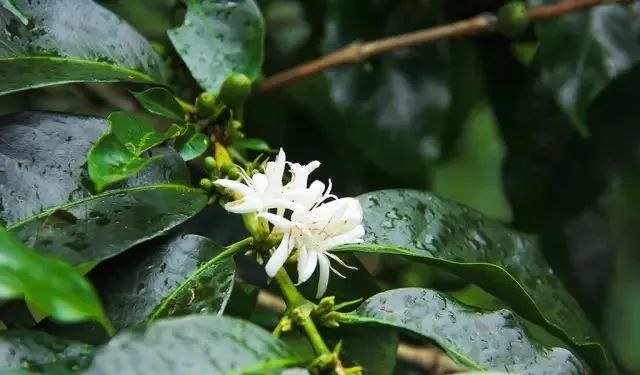
After fermentation, the coffee cherries enter the slow drying phase, during which temperature and drying speed must be strictly controlled, typically taking 10 to 20 days. The benefit of low-temperature slow drying is that it helps preserve more fruity and floral notes while allowing the coffee beans to reach an ideal water activity level, which aids in subsequent storage and flavor stability. Although this processing method is time-consuming and labor-intensive, it brings out more layered tropical fruit aromas and delicate floral notes in the Geisha, which is its most distinctive feature.
For this Panama Elida Estate Geisha processed using the ASD anaerobic slow-dry natural method, the following pour over parameters are recommended: Use a Hario V60 filter, with water temperature controlled at 90-91°C. The grind size is suggested to be medium-fine (approximately equivalent to 58% passing rate through a Chinese standard No. 20 sieve, i.e., BG 5R). The coffee-to-water ratio is set at 1:15, with 15 grams of coffee.
The specific brewing steps are as follows: First, perform a 30-second bloom with 30 grams of water, then continue pouring in a small circular motion until the total water reaches 125 grams for the first pour. Once the water level drops slightly, continue pouring until the total water volume reaches 226 grams. Stop pouring just as the water level is about to expose the coffee bed and remove the filter. The total extraction time is approximately 1 minute and 50 seconds. These parameters are designed to fully showcase the fruitiness, floral notes, and the honey-like sweetness in the aftertaste of this coffee.
In terms of flavor, this Elida ASD Geisha offers subtle fermented aromas and distinct floral notes in the cup. The sip reveals a bright acidity of grapefruit, lemon, and guava, transitioning into a gentle honey sweetness in the mid-palate, with a soft black tea-like finish. The overall profile is layered with a long-lasting aftertaste. Whether you’re a coffee novice or an experienced enthusiast, you can appreciate the unique charm of high-altitude Geisha from this cup.
The above content is compiled by CoffeeHunters, a coffee news website.


