








Introduction:Have you noticed that the flavors of freshly bought coffee beans often differ from what you taste at the café? The key likely lies in how they’re stored. Light, oxygen, moisture, and high temperatures are the four main culprits that accelerate coffee bean aging. This article delves into how these factors impact freshness, offers expert-level storage advice, and debunks common myths—such as whether coffee should be kept in the fridge, the optimal shelf life of whole beans vs. ground coffee—and helps you preserve the ultimate flavors of your pour over coffee.
Many coffee enthusiasts overlook a crucial aspect when brewing at home: how to properly store coffee beans. Even if you purchase high-quality beans, improper storage can cause rapid flavor loss or even undesirable tastes. Especially after opening, the four external factors—light, oxygen, moisture, and high temperature—can significantly speed up the aging process, affecting the final aroma and taste of your brew. This article will break down these influencing factors in detail and provide practical storage strategies to help you enjoy a better coffee experience.
First, let’s understand which external conditions affect coffee bean freshness. The most direct culprit is direct light, especially sunlight. Prolonged exposure to light can cause the organic compounds inside the beans to break down, reducing flavor richness and complexity. To avoid this, store your coffee beans in a dark place like a cabinet or drawer, or use opaque containers made of dark glass or metal, which can effectively block out light.
The second key factor is oxygen. From the moment coffee beans are roasted, they begin to oxidize when exposed to oxygen in the air. Over time, this process degrades aromatic compounds. Many specialty coffee packages come with one-way degassing valves that allow carbon dioxide produced during roasting to escape while preventing oxygen from entering. If you’re using a regular container, opt for one with a tightly fitting lid equipped with a rubber seal to ensure an airtight environment and slow down oxidation.
Moisture is another major enemy of coffee storage. When coffee beans absorb excess moisture, it not only affects grind consistency but also increases the risk of mold or off-flavors. Ground coffee, in particular, absorbs moisture much faster and can quickly become clumped or spoiled. Therefore, it’s essential to keep the storage environment dry, with relative humidity ideally below 50%, and avoid placing beans near washing machines, water heaters, or open water sources.
The last critical element is high temperature. Although coffee beans have already gone through the roasting process, excessive heat during storage can accelerate internal chemical reactions, causing the rapid evaporation of aromas and potentially intensifying oxidation. The ideal storage temperature is room temperature or slightly lower—never place your beans near stoves, balconies, or areas prone to heat buildup in summer.
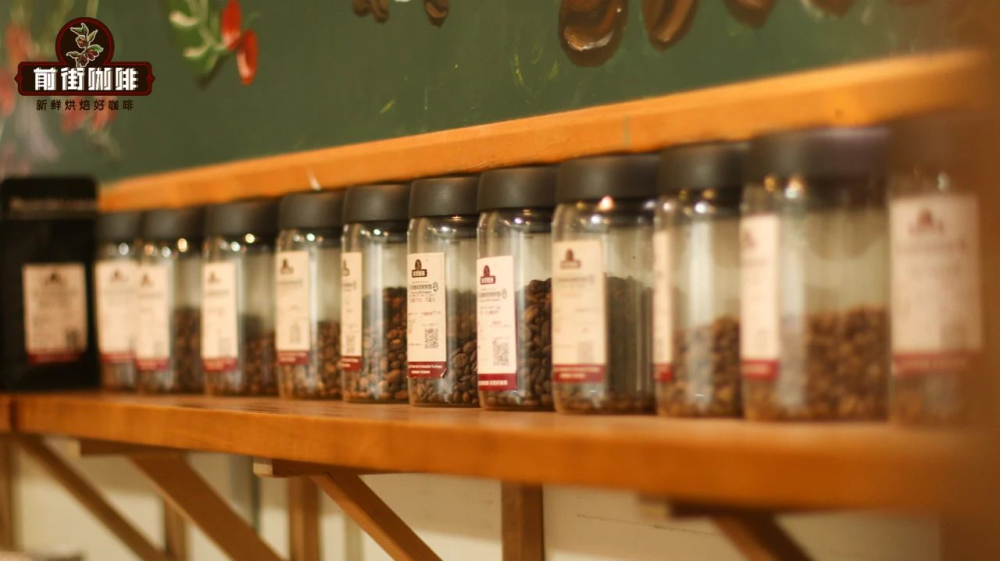
Taking all these factors into account, we can summarize the best practices for storing coffee beans. First, it’s recommended to keep beans whole rather than pre-ground, as ground coffee has a much larger surface area exposed to oxygen, leading to faster flavor loss. Grinding just before brewing helps preserve the fullest aroma. If you buy coffee in large quantities, divide it into smaller portions and only take out what you’ll use in the near future, keeping the rest sealed.
When choosing a container, prioritize glass jars, stainless steel cans, or ceramic containers with rubber seals to ensure a tight closure each time you open them. Avoid using flip-top lids or regular plastic containers that rely solely on threaded closures, as their airtightness is usually insufficient. Additionally, while dark, opaque containers can be placed in visible areas, it’s still advisable to store coffee beans in cool spots like cabinets, drawers, or storage closets to further minimize light and heat exposure.
As for common misconceptions, such as storing coffee beans in the refrigerator, it’s actually a big no-no. While low temperatures may seem to help delay spoilage, the temperature difference between the fridge and room can cause condensation on the bean surface, introducing moisture and potentially absorbing odors from other foods. If long-term storage is necessary, consider vacuum-sealed packaging or professional aluminum foil composite materials, and always mark the roast date to track the optimal flavor window.
So, how long can coffee beans be stored? Generally speaking, under good storage conditions, unground coffee beans can maintain good flavor for about 40 to 60 days after roasting. When purchasing, pay attention to the roast date on the package rather than vague “expiration dates.” Once ground, the rate of aroma evaporation increases significantly—even if stored in an airtight container, it’s best to use the coffee within 1 to 2 weeks for the optimal pour over experience.
By mastering these basic principles, you can more confidently select and store your coffee beans. Whether for daily drinking or appreciating specialty coffee, you’ll be able to fully enjoy the unique flavors of each cup. These practical tips are beneficial for every pour over coffee lover, from beginners to advanced enthusiasts.
The above content is compiled by CoffeeHunters, a coffee news website.


