







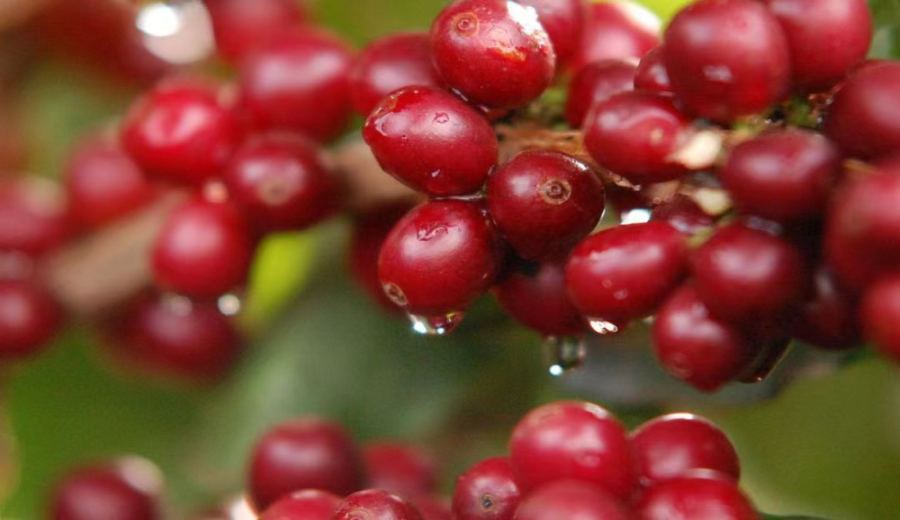
Introduction:Understanding coffee varieties is the foundation of refining your coffee tasting skills. This article delves into the botanical characteristics of major Arabica varieties such as Typica, Bourbon, Caturra, Catuai, and Geisha, guiding you to observe differences in their tree shape, leaves, and fruits. We’ll analyze key visual identification points and their corresponding flavor profiles. Whether you’re a pour over enthusiast searching for the right beans or a beginner aiming to build variety awareness, this practical guidebook offers clear direction.
There are over a hundred coffee varieties worldwide, but Arabica, accounting for 70% of production, stands out as the mainstream due to its mild acidity and diverse aromas. Not only do different varieties offer unique flavor profiles, but their plant appearances also vary noticeably—from tree height and leaf shape to cherry color, all serving as key identifiers. Mastering these features helps you more intuitively understand a coffee’s “lineage” and thus choose beans that match your flavor expectations.
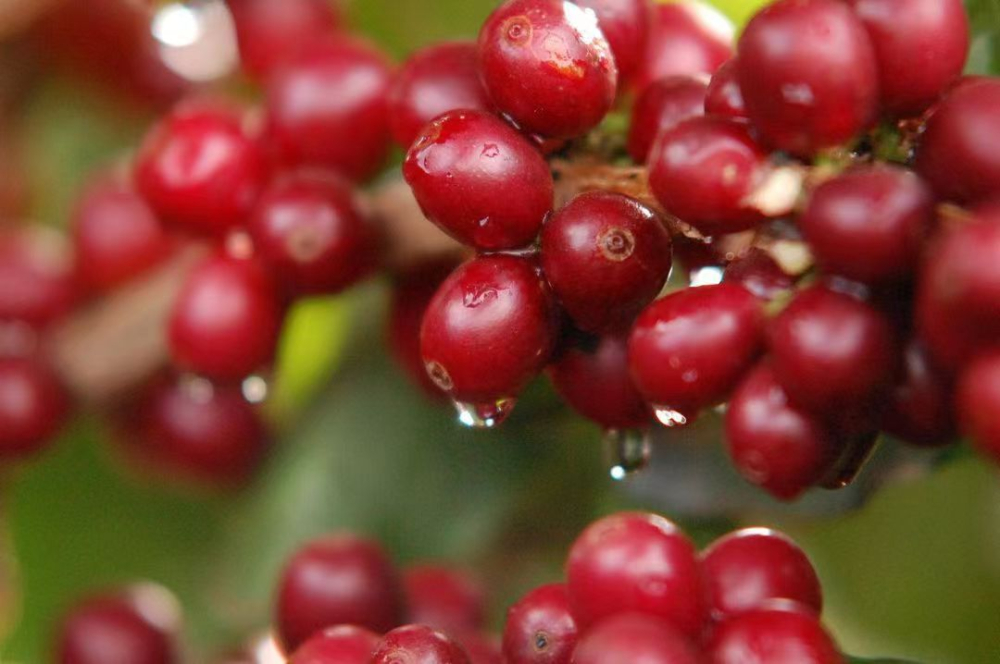
Where do the visual differences in coffee trees come from? Beyond variations in flower morphology, the overall structure of the plant provides crucial clues. From a professional perspective, observers look at “stature height” (upright or compact), “leaf tip color” (green or bronze when young), “tree silhouette” (conical or rounded), “leaf shape” (narrow or broad), “fruit specifications” (size and shape, such as the ratio of cherry to seed), “maturity hue” (red, yellow, orange, or even pink), branch angles, and distribution density. This combination of phenotypic traits often serves as the variety’s “ID card.”
Take the classic Typica as an example—it’s like the “standard model” of the coffee world. The tree has a distinctly conical shape, with a straight central trunk that can grow up to five meters tall, resulting in wider spacing between branches and nodes compared to other varieties.The angle between lateral branches and the main trunk is about 50 to 80 degrees, giving the overall structure an open and airy feel, with neither the trunk nor branches being particularly thick. Leaves and fruits (cherries and green beans) are generally slender, with young leaf tips often exhibiting a bronze sheen, smooth leaf surfaces, and less pronounced wavy edges.Mature cherries are a vibrant red, serving as a key field identifier.
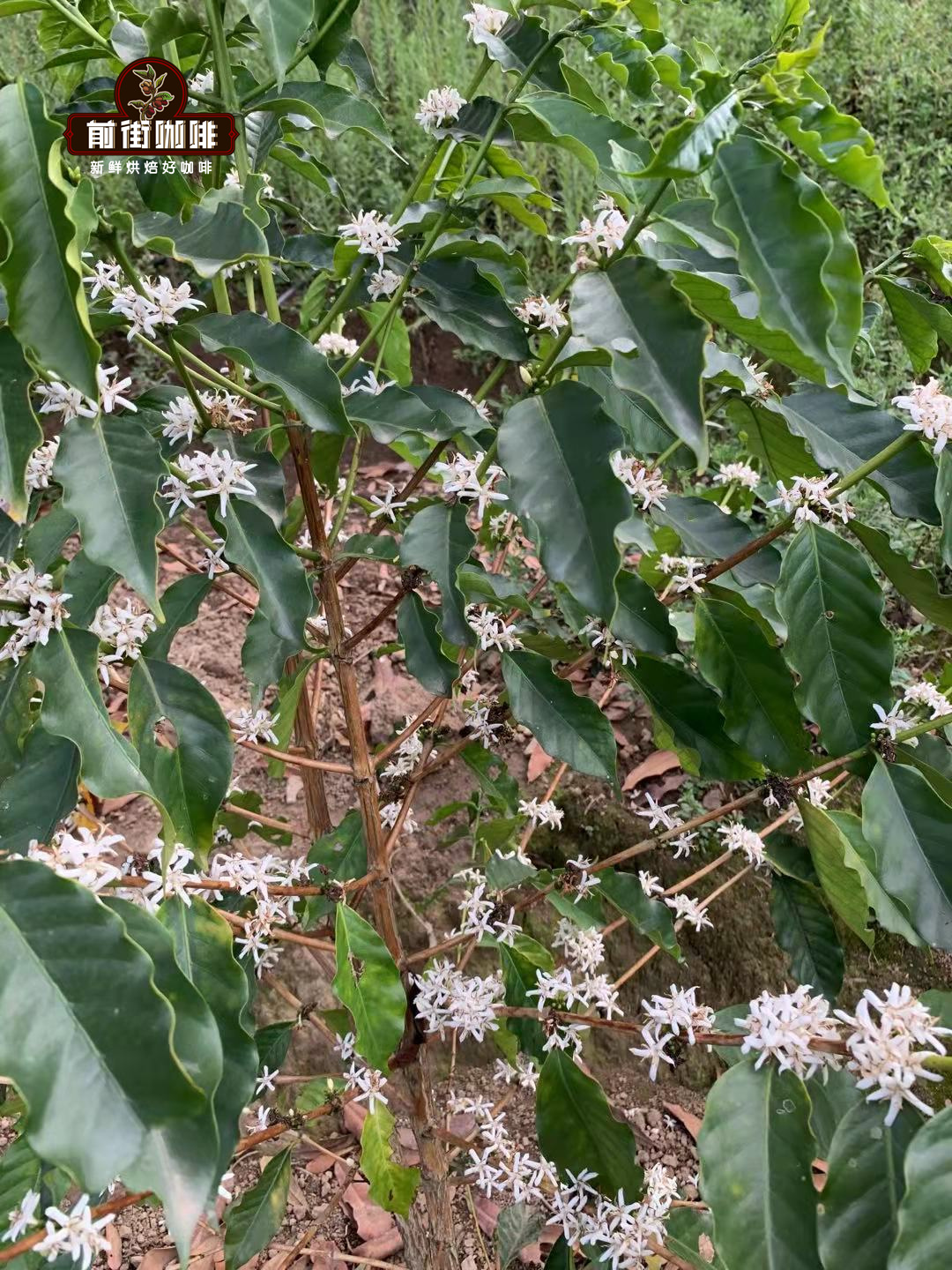
Bourbon, originating from the same lineage as Typica, exhibits a more robust character. It maintains a conical silhouette but is overall denser and sturdier—the main trunk is noticeably thicker, and the spacing between branches and nodes is reduced by about 30%, resulting in roughly 30% higher yields per plant compared to Typica. Leaves are wider, with fine wavy edges and a slightly rough texture; young leaves are mostly green, occasionally showing bronze tips. Cherries tend to be rounder and can mature to red, orange, or yellow, offering rich flavor potential.
Caturra is a natural mutation of Bourbon, with its standout feature being a “dwarfing gene.” The plant height is significantly reduced, but branch density increases, resulting in a denser canopy.The distance between branches and secondary branches is shortened, creating a dense, clustered appearance. Leaves retain Bourbon’s wavy edge characteristic, with tips mostly green, and cherries are similarly round, maturing primarily to red or yellow. This variety is well-suited for extraction methods that emphasize balanced flavors, such as pour over or single-origin (SOE) preparations.
Catuai is a hybrid descendant of Mundo Novo and Caturra, inheriting the practical traits of both parents. It has a medium-to-low plant height, with lateral and primary branch angles nearly vertical, leading to rare secondary branching at the top and an overall appearance closer to an umbrella than the traditional cone.Leaves maintain wavy textures, with green tips commonly seen, and the fruits have strong attachment, making them less prone to dropping in rainy or windy conditions—ideal for cultivation in regions with unstable climates.
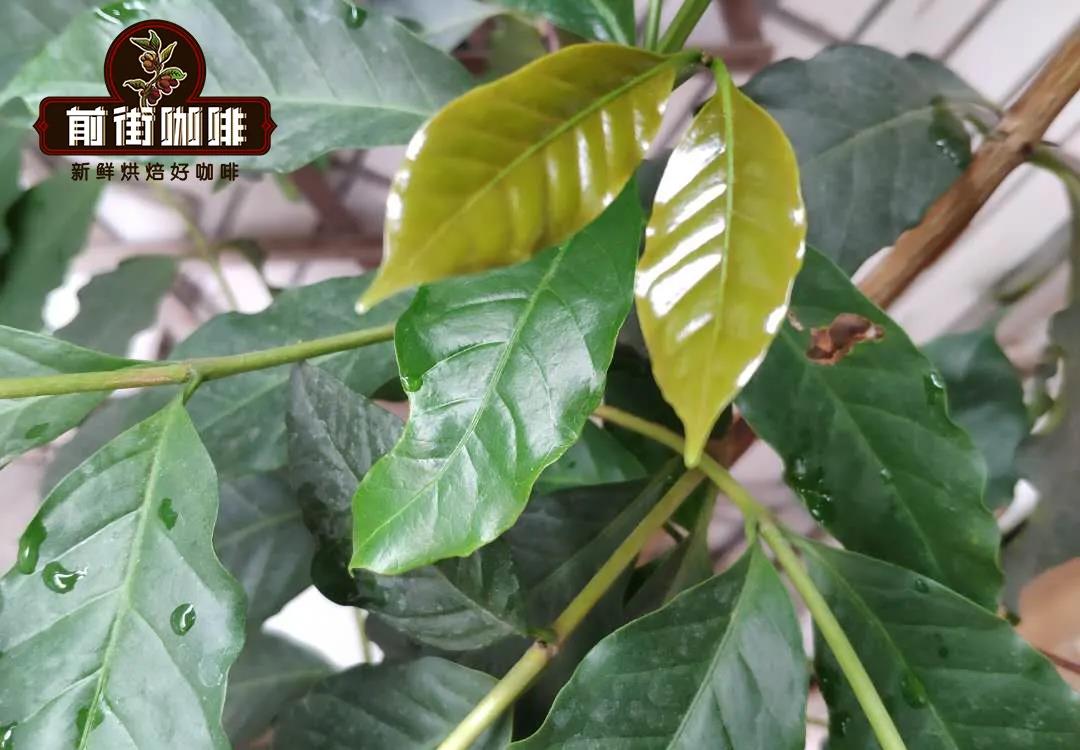
Geisha (also translated as Artisan or Geisha), a star variety that has gained immense popularity in recent years, boasts highly distinctive visual traits. Its branches grow upward at wide angles of 45 to 50 degrees, resulting in a tall, sprawling tree shape. The trunk and branches are as delicate as Typica’s, but the branch spacing is wider, forming a loose umbrella or flat-top structure.Leaves are slender and smooth, and cherries are also relatively elongated, sharing a similar outline with Typica, but the most noticeable difference lies in the tree crown’s silhouette. Its flavor profile truly stands out—combining citrusy acidity, bright sweetness, and jasmine floral notes, it frequently appears among competition-grade beans.
Observing the visual traits of these varieties not only satisfies curiosity about coffee plants but also provides an intuitive reference for selecting beans. From the single-origin pour over experience to gaining deeper insight into regional cultivation traditions, variety identification is a key link connecting planting, processing, and extraction.
The above content is compiled by CoffeeHunters, a coffee news website.


