







Introduction:Kenyan coffee is renowned for its uniquely bright acidity and clean flavor profile, which stems largely from its labor-intensive double-washed processing method that can take up to 72 hours. This article delves into how this special process enhances acetic acid expression through a two-stage fermentation, and breaks down the strict grading criteria for AA-grade beans. It also provides tested hot pour-over parameters and real flavor notes, offering a comprehensive grasp of both the processing logic and brewing applications that define the essence of this renowned bean variety.
The world-famous vibrant fruit acidity and clarity of Kenyan coffee owe their distinction to the 72-hour washed process, which takes 48 to 72 hours in total. Also known as double washed, this technique involves two separate fermentations and precise washing steps that thoroughly remove mucilage while building moderate acetic acid levels—creating its signature lively acidity and delicate fruity aromas. Below, we fully reveal the operational details of this unique process, explain the principles behind its variable total duration, and analyze the strict grading standards for Kenya’s AA-grade coffee.
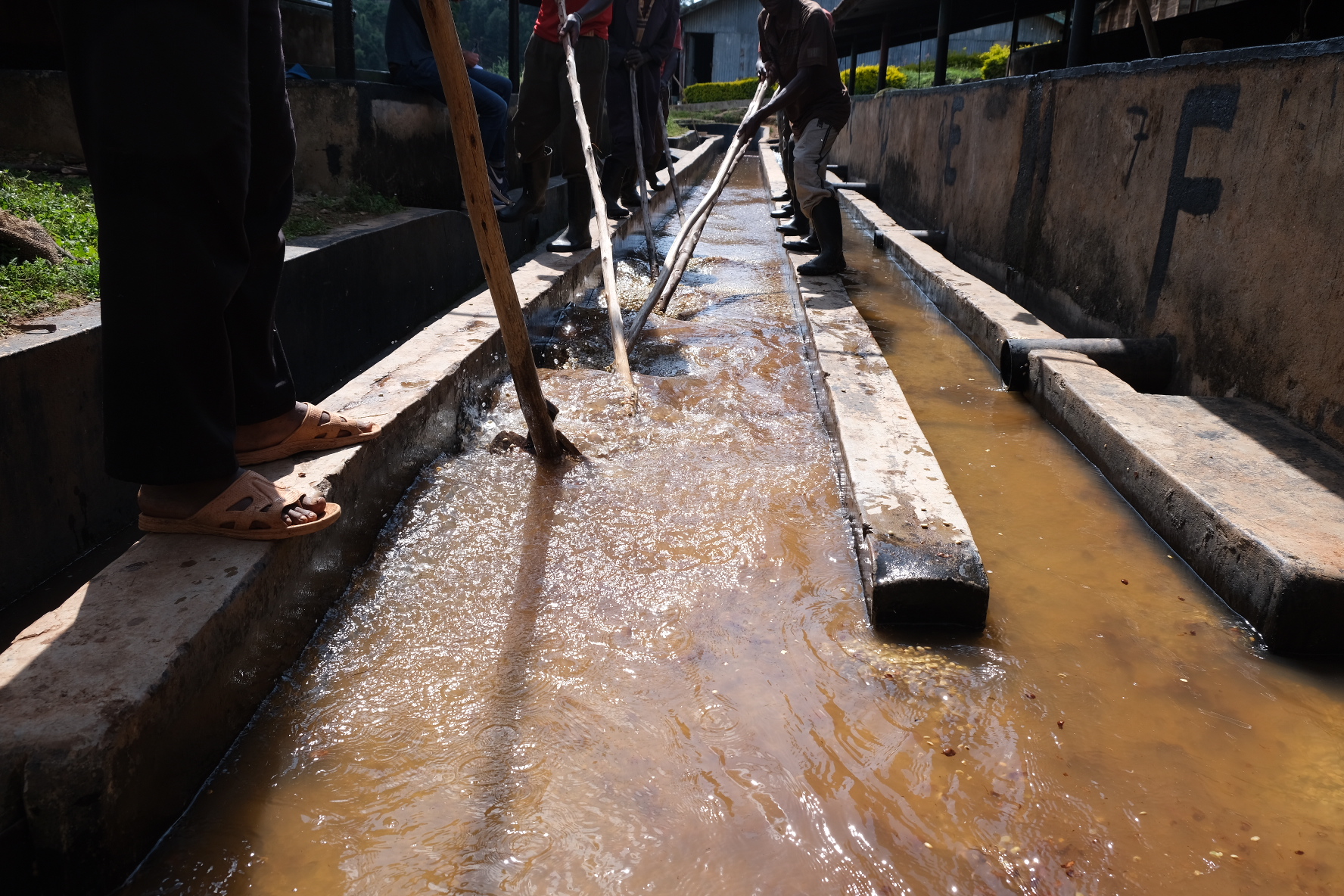
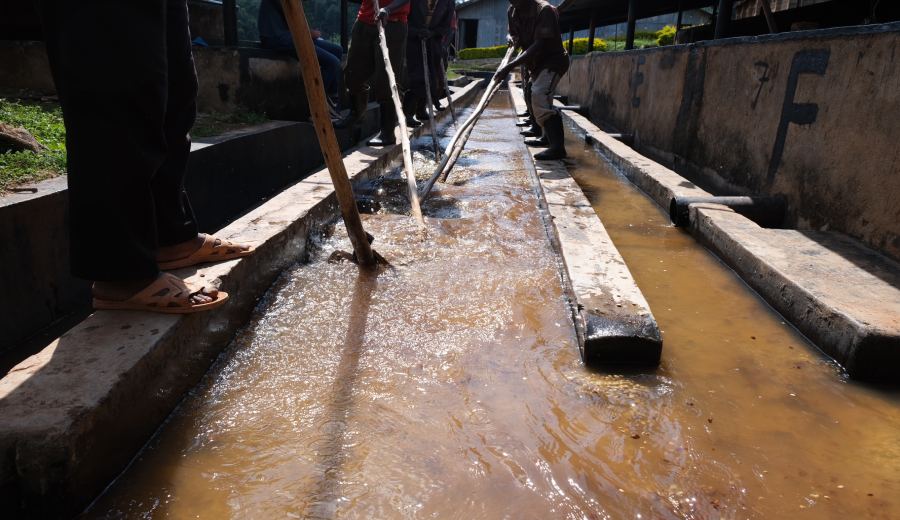
The K72 washed method commonly used in Kenya is actually an advanced version of traditional washed processing. Unlike the conventional single fermentation, this process employs a dual fermentation mechanism—first allowing the coffee cherries to undergo an initial fermentation of about 24 hours in an upper fermentation tank, then after washing off part of the mucilage, transferring them to a lower clarification tank for a secondary fermentation lasting up to 36 hours. The entire process requires strict control of water temperature and water change frequency, with the circulating water being refreshed every few hours to prevent off-flavors.
The processing begins with the floatation sorting of fresh coffee cherries, where unripe or overripe defective beans are removed. The outer skin is then mechanically or manually stripped, and the mucilage-covered beans are placed into the upper fermentation tank. The fermentation time at this stage is flexibly adjusted according to ambient temperature; under hot conditions, the reaction is faster but requires close monitoring. After the first fermentation, the first wash removes loosened mucilage, and the parchment beans are transferred to the lower fermentation tank for longer, deeper processing. Notably, after the second fermentation, there is also a 12-hour soaking in clean water followed by sun drying, which can extend the overall processing cycle to up to three full days.
The ingenuity of this dual fermentation design lies in extending the acetic acid generation time to enhance the coffee’s bright acidity. The fermentation tanks use a two-tier separated structure to ensure that each stage allows for precise parameter control.The total processing time typically falls within the range of 48 to 72 hours; if fermentation goes too far, it can not only produce excessive fatty acids leading to sharp, sour bitterness, but may also disrupt the coffee’s balanced flavor.
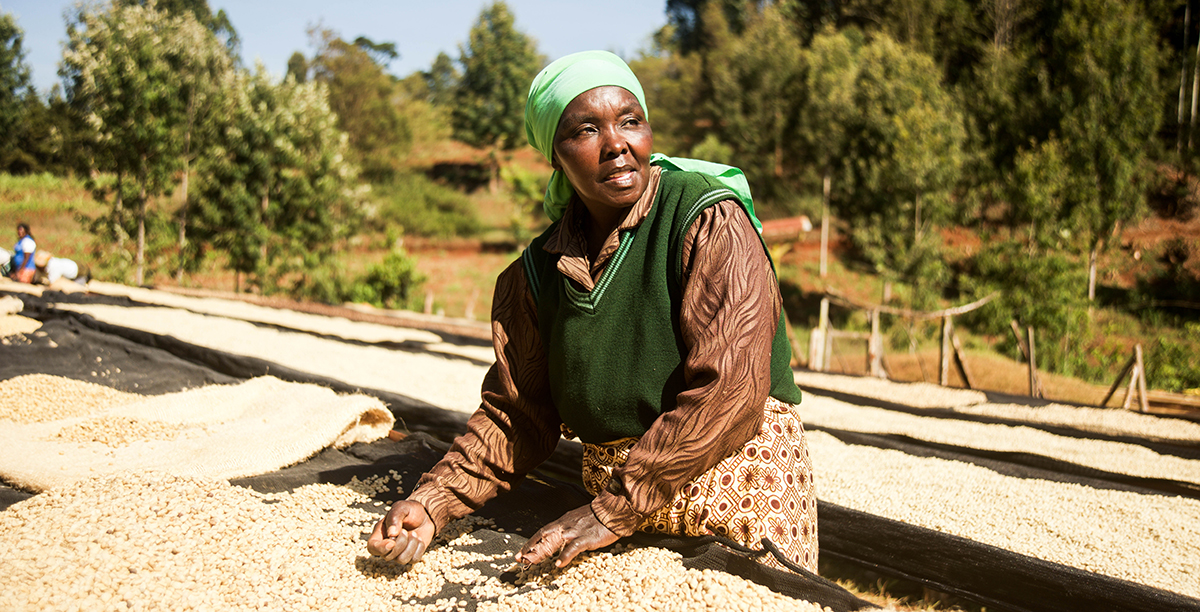
In Kenya’s coffee grading system, AA grade is one of the highest quality tiers. According to international standards, AA-grade green coffee beans must have a diameter between 17 and 18 mesh (approximately 7.2 to 8.2 millimeters) and be flat beans containing two seeds. These beans typically come from high-altitude regions (such as the 1550-1750 meter Siaya region featured in this case), and are cultivated from disease-resistant varieties like SL28 and SL34, forming the foundation for their rich flavor profiles.
For brewing Kenyan AA-grade coffee, the hot pour-over method best highlights its characteristics. Tested recommended parameters are as follows: using a Hario V60 filter cone, water temperature controlled at 90–91°C, a powder-to-water ratio of 1:15, and grind size roughly equivalent to #10 on the EK43s grinder. The specific operation follows a staged extraction—first pouring 30 grams of hot water for a 30-second bloom, then circling in small streams of water up to 125 grams for the first pour. After the water level drops naturally, continue pouring up to a total of 225 grams, with the total extraction time around 2 minutes. This parameter combination effectively balances acidity and sweetness, avoiding the sharpness caused by over-extraction.
In terms of actual tasting experience, Kenya’s “little tomato” coffee showcases a distinctive fruity aroma spectrum. During the wet aroma stage, the scents of ripe tomatoes and fresh floral notes can already be detected. Upon tasting, the flavors of cherry tomatoes and black plums are clearly outlined, paired with a bright acidity that presents a clean and crisp mouthfeel structure. The mid-palate gradually releases juice-like sweetness, while the finish lingers with berry aromas accompanied by brown sugar sweetness and a subtle green tea aftertaste. The overall performance is as steady and layered as an African elephant.
The above content is compiled by CoffeeHunters, a coffee news website.


