








Introduction:Although both lattes and cappuccinos are espresso-based milk coffees, they differ significantly in milk foam thickness, milk ratio, and overall flavor. This article delves into the origins, preparation characteristics, and taste differences of the two, and through recommendations of five practical Italian-style blends, helps you understand which beans are suitable for which type of milk coffee—giving you a more informed basis for selecting beans or ordering drinks.
Both lattes and cappuccinos are popular Italian-style coffees, both based on espresso and mixed with different proportions of milk and foam. However, subtle differences lead to distinctly unique flavor experiences. Understanding their distinctions not only helps you make more satisfying choices when ordering at cafes but also gives you clearer direction when selecting coffee beans.
Let’s first take a look at the latte. Its English name is Coffee Latte, and it is a type of flavored coffee. It is made by combining espresso with a large amount of milk. Due to the higher proportion of milk added, lattes usually have a softer and smoother taste while maintaining a balance between coffee and milk aroma, making them very suitable for those new to coffee or who prefer a mellow flavor.
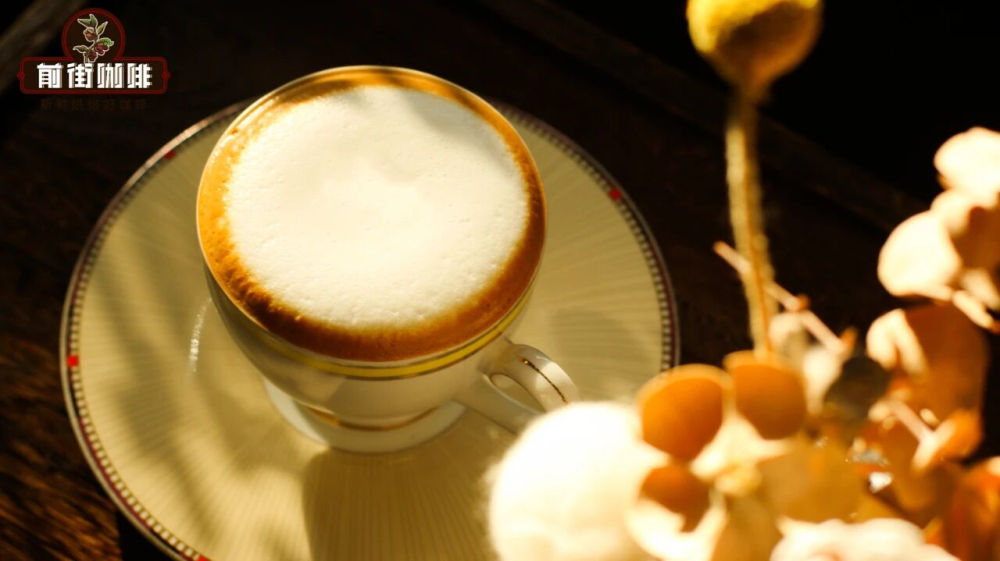
As for the cappuccino, its name originates from the Italian word Cappuccino, which is said to be related to the white hooded cowls worn by monks of the Catholic Capuchin order. The color of these cowls resembles the thick foam on top of a cappuccino, hence the name. This coffee is known for its intense coffee aroma and thick foam, with the foam being fluffy and often presenting a three-dimensional, mushroom-like appearance. It is usually not latte-arted, emphasizing the beverage’s original texture.
<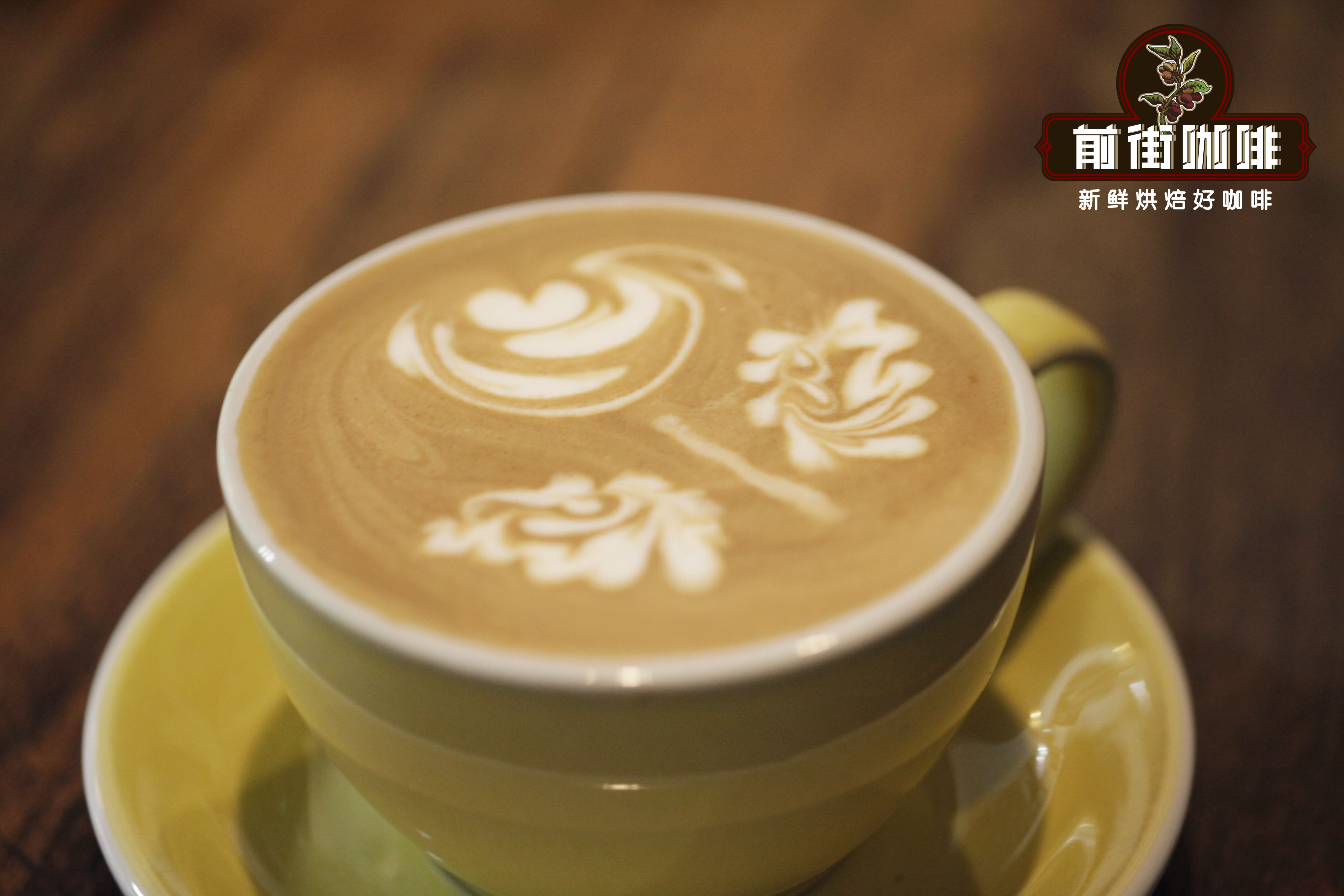 In direct comparison, lattes generally use a cup with a capacity of about 300 milliliters, with medium-thickness foam that makes up about one-third of the entire drink. The common coffee-to-milk ratio falls between 1:5 and 1:6, offering an overall balanced and smooth profile, well-suited for pairing with delicate latte art. Cappuccinos, on the other hand, typically use a cup of about 250 milliliters, with thicker and denser foam, at a ratio of around 1:4. The coffee’s inherent flavor is more pronounced, resulting in a richer and more layered taste.
So, when making these two types of milk coffee, how should you choose the right coffee beans? It is recommended to prioritize the following five Italian-style blends from a certain brand: Classic Blend, Commercial Blend, Premium Blend, Dark Cocoa Base Blend, and Strawberry Sugar Espresso Italian Blend. Each has its own unique roasting style and suitable scenarios.
If you want to brew a classic-flavored latte, the Classic Blend and Commercial Blend are two highly recommended options. Both use medium-dark roasts and incorporate a small amount of Robusta beans, bringing out distinct notes of butter, nuts, spices, and dark chocolate. They have a rich crema, a vivid flavor profile, and pairing them with latte art can further enhance the overall drinking experience, leaving a lasting impression.
If you prefer a milder yet layered nutty profile, such as the aroma of almonds, hazelnuts, or walnuts, then the Premium Blend and Dark Cocoa Base Blend will better suit your taste. Both beans contain a high proportion of Brazilian beans, providing a natural balance of bitterness and sweetness along with a smooth mouthfeel. Among them, the Premium Blend presents the typical nutty, chocolatey, and caramel notes of Colombian beans, with just the right acidity; the Dark Cocoa Base Blend incorporates the ripe plum acidity of Yunnan small-grain coffee, releasing a creamy chocolate aroma after grinding. It has a wide range of uses and is suitable not only for lattes but also for various other espresso-based drinks.
< For those already accustomed to traditional dark roast flavors but looking to try a less bitter, sweeter milk coffee, the Strawberry Sugar Espresso Italian Blend offers a fresh alternative. This blend consists of single-origin beans from three different regions, with outstanding sweetness performance. In addition to a clear rose floral note, when brewed into Americano or latte, it also reveals complex fruit aromas such as grape, dried blueberry, sweet orange, and fruit candy—offering a unique flavor profile suited for coffee lovers seeking new taste experiences.
In summary, the difference between lattes and cappuccinos lies not only in their names but also in details such as cup size, foam thickness, and coffee-to-milk ratio, all of which influence the overall flavor presentation. By understanding these differences and choosing the appropriate Italian-style blend, whether you’re a barista or an amateur enthusiast, you can achieve a more satisfying experience in both making and enjoying these drinks.
The above content is compiled by CoffeeHunters, a coffee news website.


