







Introduction:Want to brew a balanced and sweet Brazilian Yellow Bourbon at home? This article uses the Yellow Bourbon from Fazenda Rainha as an example. From practical water temperature, precise grind size, ideal coffee-to-water ratio, to a step-by-step three-pour pour-over method, it will guide you through the key parameters that affect extraction. The article also analyzes how altitude and variety influence flavor, and includes a professional method for dialing in your grinder to help you consistently extract the nutty and cocoa-toned profile of this classic bean.
Brazil has long ranked first in global coffee production, yet Brazilian beans are not commonly seen in specialty cafés, which is related to the generally low altitude of most of the country’s producing regions. Nevertheless, some Brazilian specialty beans still stand out. For example, the Yellow Bourbon produced by Fazenda Rainha is beloved by coffee enthusiasts worldwide for its layered profile of nuts, cream, and cocoa.
This Yellow Bourbon, grown in the mountainous regions of São Paulo State, Brazil, at altitudes between 1400 and 1950 meters and processed using the honey method, exhibits a sugary sweetness and soft fruity notes. However, many people face issues such as unclear flavors or uneven extraction when brewing at home. This article will use the Yellow Bourbon from Fazenda Rainha as an example to systematically explain how to adjust water temperature, grind size, coffee-to-water ratio, and brewing techniques to consistently brew a rich and sweet Brazilian profile at home.
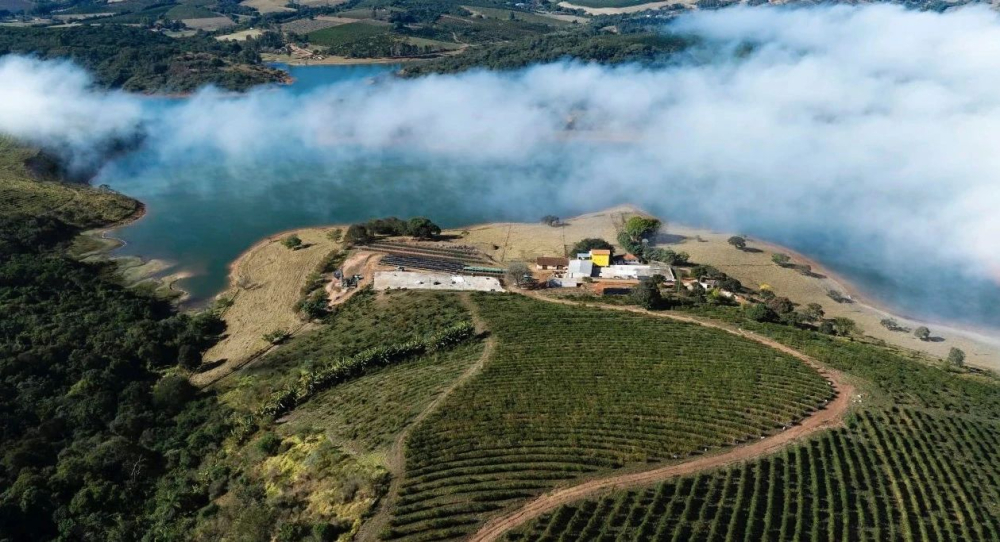
Fazenda Rainha belongs to the renowned Carvalho Dias family in Brazil. Since the first Brazilian COE competition in 1999, the family’s four farms have repeatedly achieved outstanding results, winning more than 12 awards within just seven years, and even sweeping the championship, 9th place, and 11th place in 2004. Among them, Fazenda Rainha has been particularly outstanding, securing 2nd place in 2000, 3rd place in 2001, and 29th place in 2005, accumulating three honors to date.
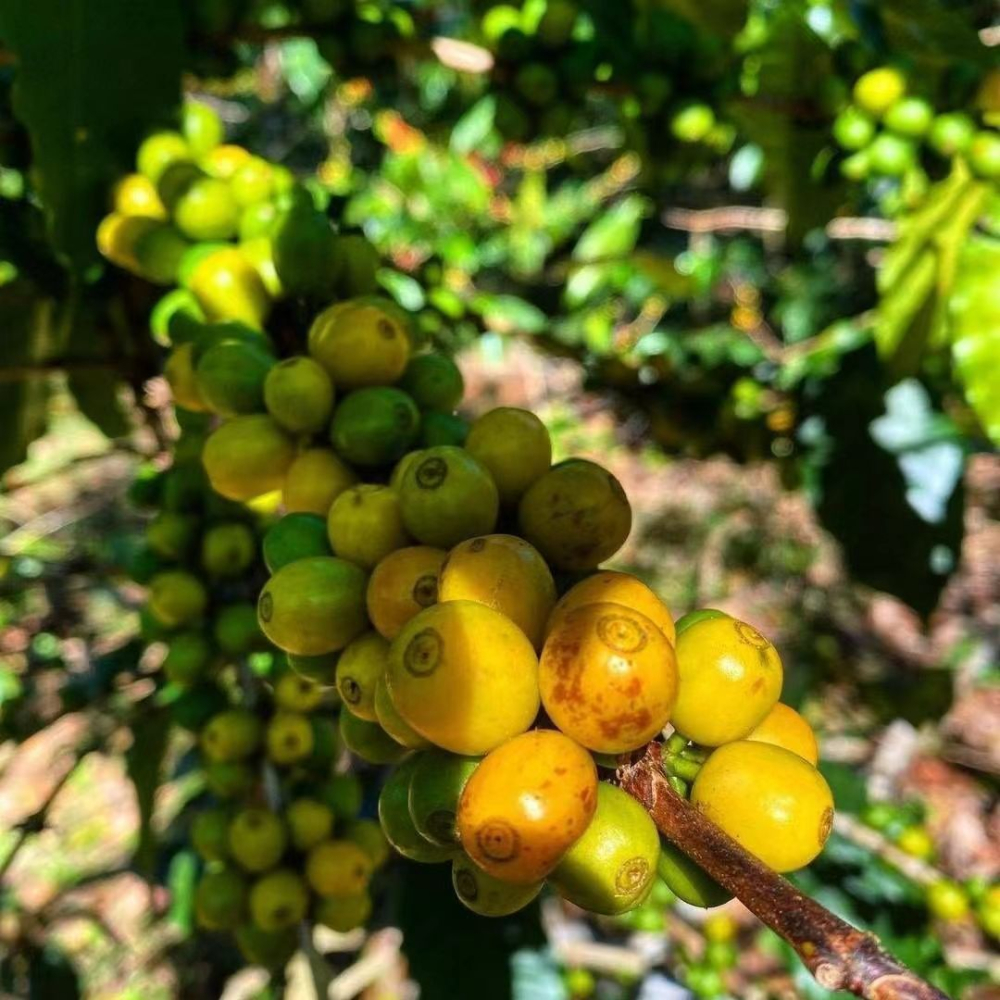
The coffee trees on this farm are planted in high-altitude mountainous areas, coexisting with surrounding shrubs and grasslands, with microclimatic conditions highly suitable for the growth of Arabica. In addition, the farm has chosen to cultivate the uniquely Brazilian Yellow Bourbon variety—its fruits ripen into a distinctive orange-yellow color, rather than the typical red of other Bourbons, which is also the origin of the variety’s name.
Yellow Bourbon often exhibits richer aromas and complexity in high-altitude environments. According to the results of Brazil’s Cup of Excellence over the years, the Yellow Bourbon variety has consistently occupied most of the top three spots for two consecutive years, gradually becoming a focal point in the specialty coffee market.
To successfully brew out the characteristic flavors of the Yellow Bourbon from Fazenda Rainha, the key lies in precisely controlling four elements: water temperature, grind size, coffee-to-water ratio, and brewing technique.
1. Water Temperature Setting
Different roast levels of coffee beans suit slightly different water temperatures. Generally, medium-light roasted beans are recommended to use water at 90–91°C to fully bring out acidity and aroma; whereas medium-dark roasts such as Mandheling are advised to go down to 87–89°C to avoid over-extraction of bitter and astringent off-flavors.
The Yellow Bourbon from Fazenda Rainha is a medium-dark roast, with its flavor profile centered around nuts and cocoa, so it is recommended to set the water temperature at87-89°Cthis temperature range helps enhance body and sweetness while avoiding over-extraction.
2. Grind Size Adjustment
Grind fineness directly affects the contact area and time between coffee grounds and water, thereby influencing extraction yield and flavor expression. Too fine a grind can lead to over-extraction, resulting in bitterness and astringency; too coarse a grind may cause under-extraction, leading to a thin flavor.
It is recommended to use a standard #20 sieve (with 0.85mm holes) for grind size calibration: take 10 grams of coffee beans, grind them, then pour them into the sieve and sift until no more powder can be sifted out, then weigh the passed coffee powder. Ifthe pass rate is about 80% (approximately 8 grams), it is the ideal grind size for medium-light roasts; ifthe pass rate is between 70%–75% (approximately 7–7.5 grams), it is suitable for medium-dark roasts. If the result falls outside this range, you can adjust the grinder settings accordingly—make it coarser if too fine, or finer if too coarse.
3. Coffee-to-Water Ratio Recommendation
According to the SCAA Golden Cup extraction theory, the coffee-to-water ratio greatly affects the concentration and extraction yield of coffee. Common ranges include:
• Bold taste: 1:10~1:11 (Golden Cup range is approximately 1:12.5~1:13.5)
• Moderate taste: 1:12~1:13 (Golden Cup range is approximately 1:14.5~1:15.5)
• Light & refreshing taste: 1:14~1:16 (Golden Cup range is approximately 1:16.5~1:18.5)
Among these,1:14.5~1:15.5is the easiest to achieve the Golden Cup standard extraction yield (18%–22%) and concentration (1.15%–1.35%). Therefore, for the Yellow Bourbon from Fazenda Rainha, it is recommended to use the stable and easy-to-control1:15coffee-to-water ratio.
4. Pour-Over Technique Breakdown
Common pour-over methods include three-pour, single-pour, and drip methods. For the medium-dark roasted Yellow Bourbon from Fazenda Rainha,the three-pour methodcan more effectively control the extraction rhythm, gradually highlighting the front, middle, and back notes of the coffee, and is suitable for beginners.
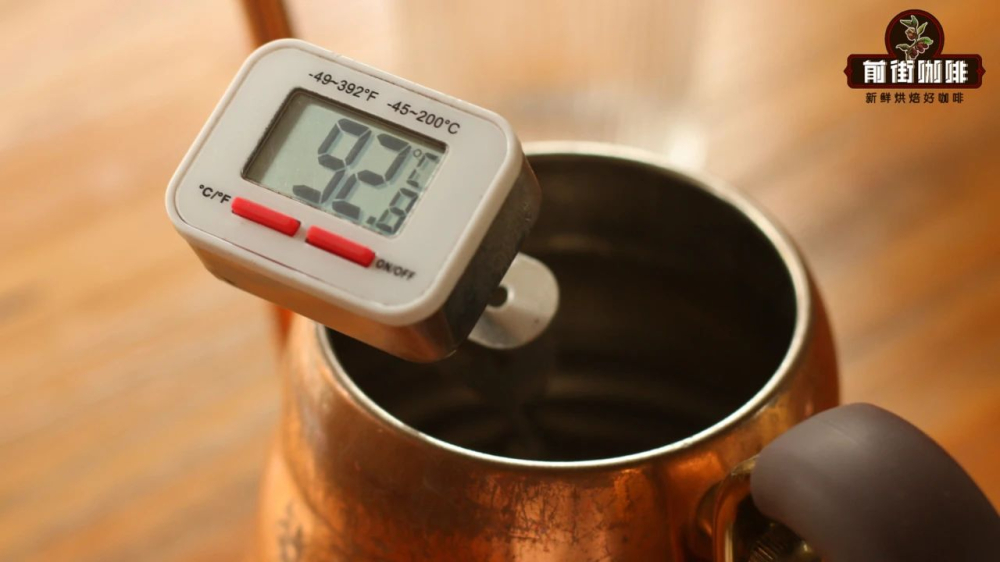
Practical Pour-Over Process (Using KONO Filter Cone as Example)
• Coffee amount: 15 grams
• Water temperature: 87–89°C (image shows 90°C, practical recommendation is to fine-tune slightly)
• Grind size: Medium grind, 20号筛网通过率约75%
• Coffee-to-water ratio: 1:15
• Total extraction time: Approximately 2’10” (KONO filter cone)
Steps are as follows:
1. First pour 30 grams of water for blooming, for about 30 seconds.
2. Then pour water in small circles, and when the total water volume reaches 125 grams, pause pouring to segment.
3. Wait until the water level drops close to exposing the coffee bed, then pour again up to 225 grams, maintaining a steady flow.
4. When the water level drops again and is about to expose the coffee bed, remove the filter cone to end extraction.
Note: If using a V60 filter cone, it is recommended to keep the total time around 2’00”. Due to material and design differences, the KONO may take slightly longer, up to 2’10”.
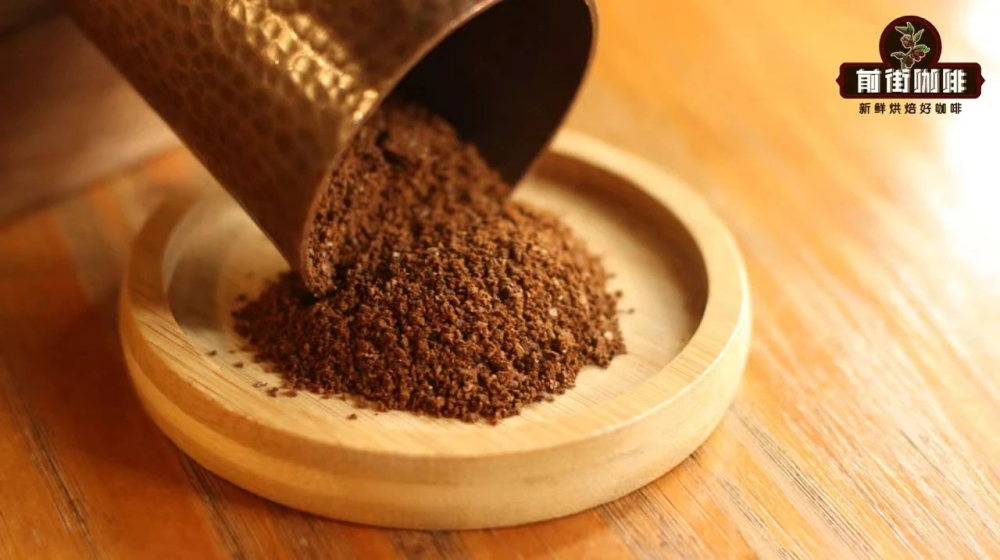
The brewed Yellow Bourbon from Fazenda Rainha has a rich and balanced mouthfeel, based on nuts and cocoa, complemented by bright sugarcane sweetness, with a long-lasting aftertaste. It is a classic Brazilian bean that is suitable for daily drinking and also great for showcasing pour-over skills.
The above content is compiled by CoffeeHunters, a coffee news website.


