







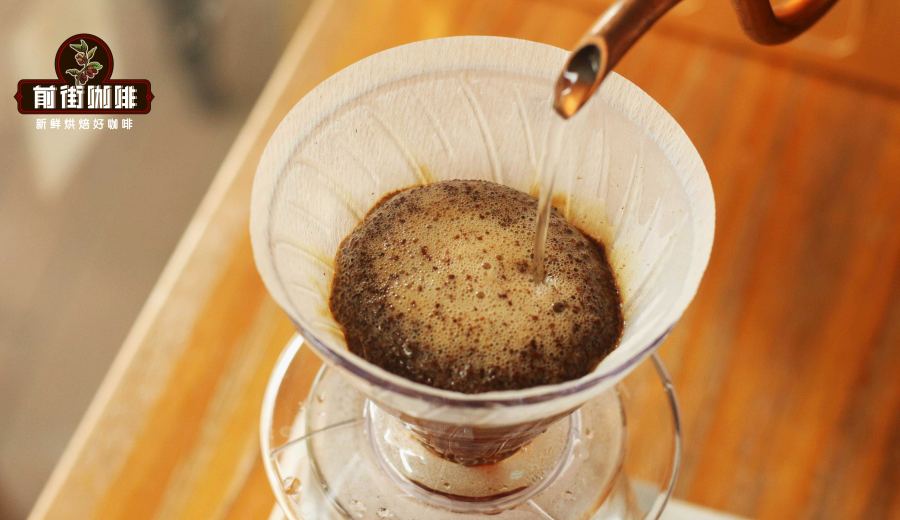
Introduction:Pour-over coffee may seem simple, but it involves many details — from the freshness of the beans and grind size to water temperature and pouring technique. Every variable can affect the final flavor. This article delves into the six core elements of pour-over extraction, including coffee-to-water ratio and brew time, and provides practical grind recommendations and parameter ranges for both light and medium-dark roasted beans. It helps beginners establish a stable and repeatable brewing system, making it easy to produce richly layered coffee.
The charm of pour-over coffee lies in the meticulousness and focus involved in every step. However, slight oversights — such as mood fluctuations, uneven pouring rhythm, incorrect grind size, or poor temperature control — can significantly diminish the flavor. In truth, the quality of pour-over extraction largely depends on six key variables: coffee bean freshness, grind size, coffee-to-water ratio, brew water temperature, pouring technique, and extraction time. These factors are interconnected, and with proper mastery, you can consistently highlight the delicate flavors of your coffee.
Many people ask how to start with pour-over coffee, and the answer is simple: with care and patience. Although the pour-over process involves more steps compared to other direct brewing methods, the entire experience is quite therapeutic. Interestingly, the same coffee beans brewed when you're in a good mood versus a low mood can often yield very different flavors. This isn’t mysticism, but rather because when we’re restless or impatient, our movements tend to become hasty, possibly neglecting grind adjustments, water temperature control, or pouring rhythm — leading to unstable extraction.
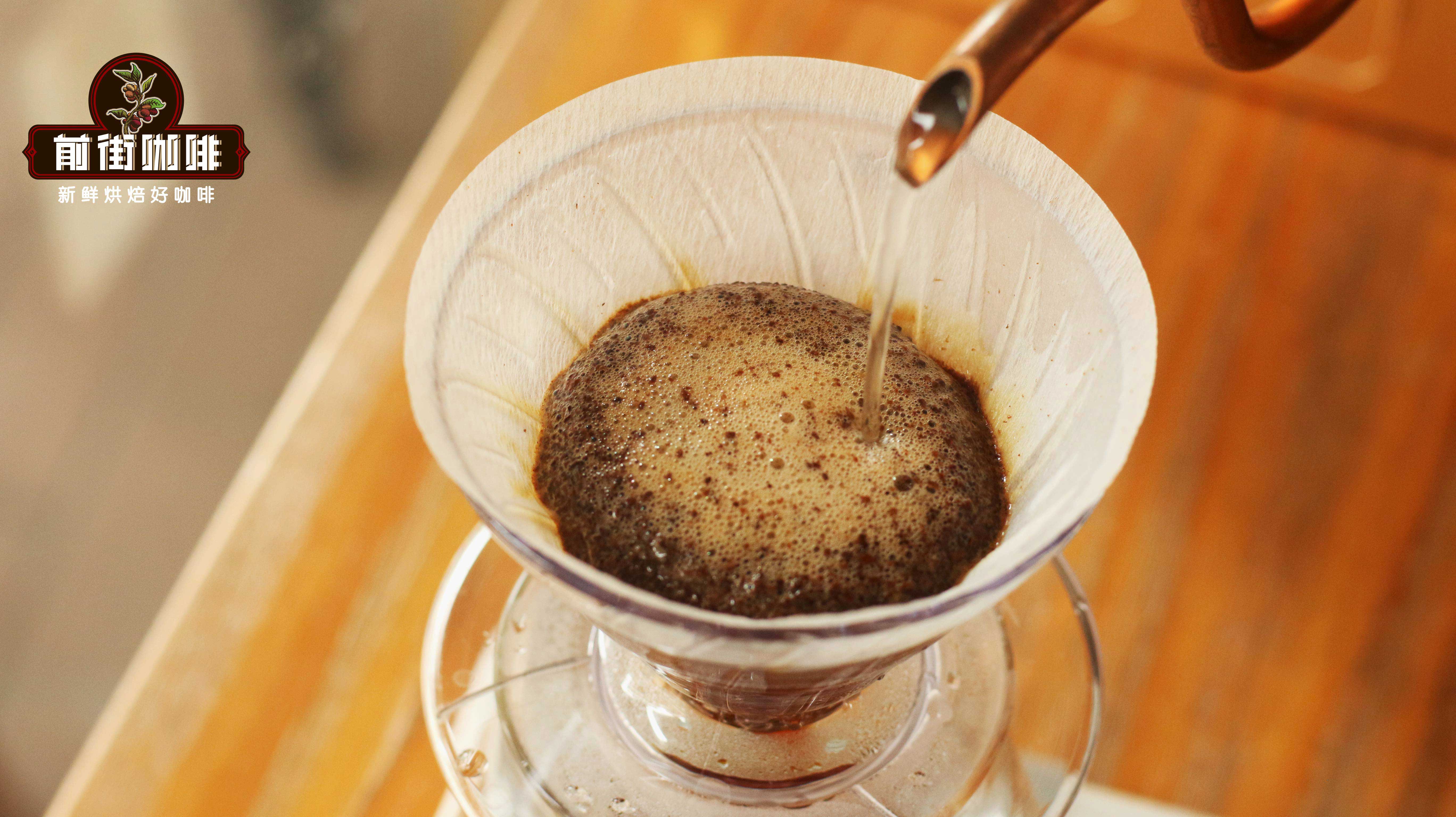
So what exactly affects the performance of pour-over coffee? The following six variables play a crucial role: coffee bean freshness, grind size, coffee-to-water ratio, brew water temperature, pouring technique, and extraction time. Next, we’ll break down their specific impact on flavor and offer practical parameter suggestions, including 20-mesh sieve retention rate, a coffee-to-water ratio range of 1:14 to 1:18, suitable water temperatures of 90–91°C and 88–89°C, as well as a detailed demonstration of the three-stage pouring method. All this will help you build your own stable brewing structure.
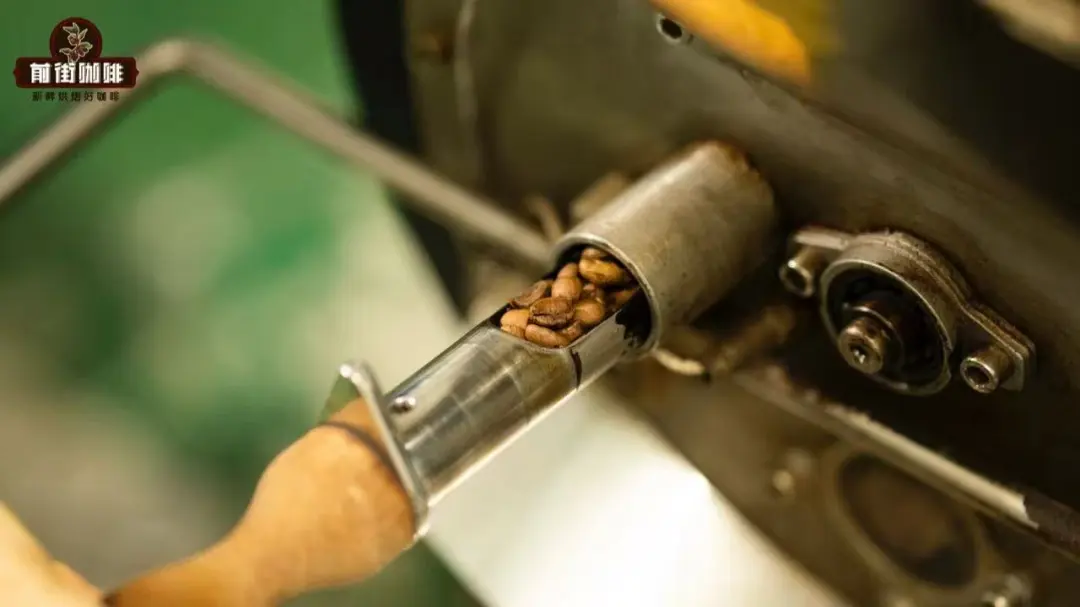
The freshness of coffee beans is the primary factor affecting flavor. Freshly roasted beans contain a large amount of carbon dioxide and volatile aromatic compounds, which are important sources of coffee aroma and taste. However, these small molecules evaporate quickly, and once the beans have been sitting for too long, the flavor will noticeably diminish. But be aware: beans aren’t necessarily better the fresher they are. Right after roasting, the high carbon dioxide content can cause unstable water flow during blooming if not properly degassed, leading to inconsistent extraction. It’s recommended that freshly roasted coffee beans be left unopened for 4 to 6 days after purchase, allowing them to naturally release gas through the one-way valve on the packaging while preventing air and moisture from entering.
Grind SizeDirectly determines the speed at which water passes through the coffee grounds and the efficiency of extraction. Simply put, the larger the particle size, the longer it takes for water to pass through, resulting in slower extraction; the smaller the particle size, the faster the water flows through, leading to faster extraction. But over-extraction can easily bring out bitter and astringent large molecules, while under-extraction leaves the coffee tasting thin. It is recommended to use a standard 20-mesh sieve for a retention test — take 10 grams of ground coffee, sieve it, and observe the proportion of coffee grounds that remain. Generally,for light-roasted coffee beans, a suitable sieve retention rate is 75%–80%(about 7.5 to 8 grams of retained grounds), and fruity beans are recommended for trying;for medium-dark roasted beans, a sieve retention rate of 65%–70%(about 6.5 to 7 grams of retained grounds) is suggested, ideal for those who prefer a richer mouthfeel.
Coffee-to-water ratio is also a crucial parameter affecting coffee strength and flavor expression. Simply understood, the higher the ratio, the lighter the coffee tastes; the lower the ratio, the stronger it becomes. A common coffee-to-water ratio range is 1:14 to 1:18 — the smaller the number, the stronger the coffee. For example, using a 1:15 ratio (e.g., 15 grams of coffee beans with 225 grams of water) usually achieves a balanced flavor and is the preferred starting point for many coffee enthusiasts. You can fine-tune the coffee amount or water volume according to personal taste preferences to find your ideal ratio.
Water temperature also has a significant impact on extraction. Generally speaking,light-roasted coffee, which retains more acidity and small-molecule flavor compounds, is recommended to be brewed at 90–91°Cto help fully release fruity acids and aromas; whilemedium-dark roasted coffee, having undergone more Maillard and caramelization reactions, is advised to use a lower water temperature of 88–89°Cto avoid over-extracting bitter substances. Choosing an appropriate water temperature can effectively highlight the inherent characteristics of the coffee beans.
For pouring technique, it’s recommended that beginners start withthe three-stage pouring method.This approach allows for even extraction across the coffee bed, enhances flavor layers, and is suitable for beans of most origins and roast levels. In practice, first pour water up to 30 grams and let it bloom for 30 seconds; then, in the second pour, steadily circle from the center outward with about 100 grams of water to allow coffee foam to fully release; in the final pour, add about 95 grams in a “fragrance-sniffing” style to lift the liquid level and stabilize extraction. Throughout, maintain a steady and even water flow, avoiding sudden changes in speed or pressure.
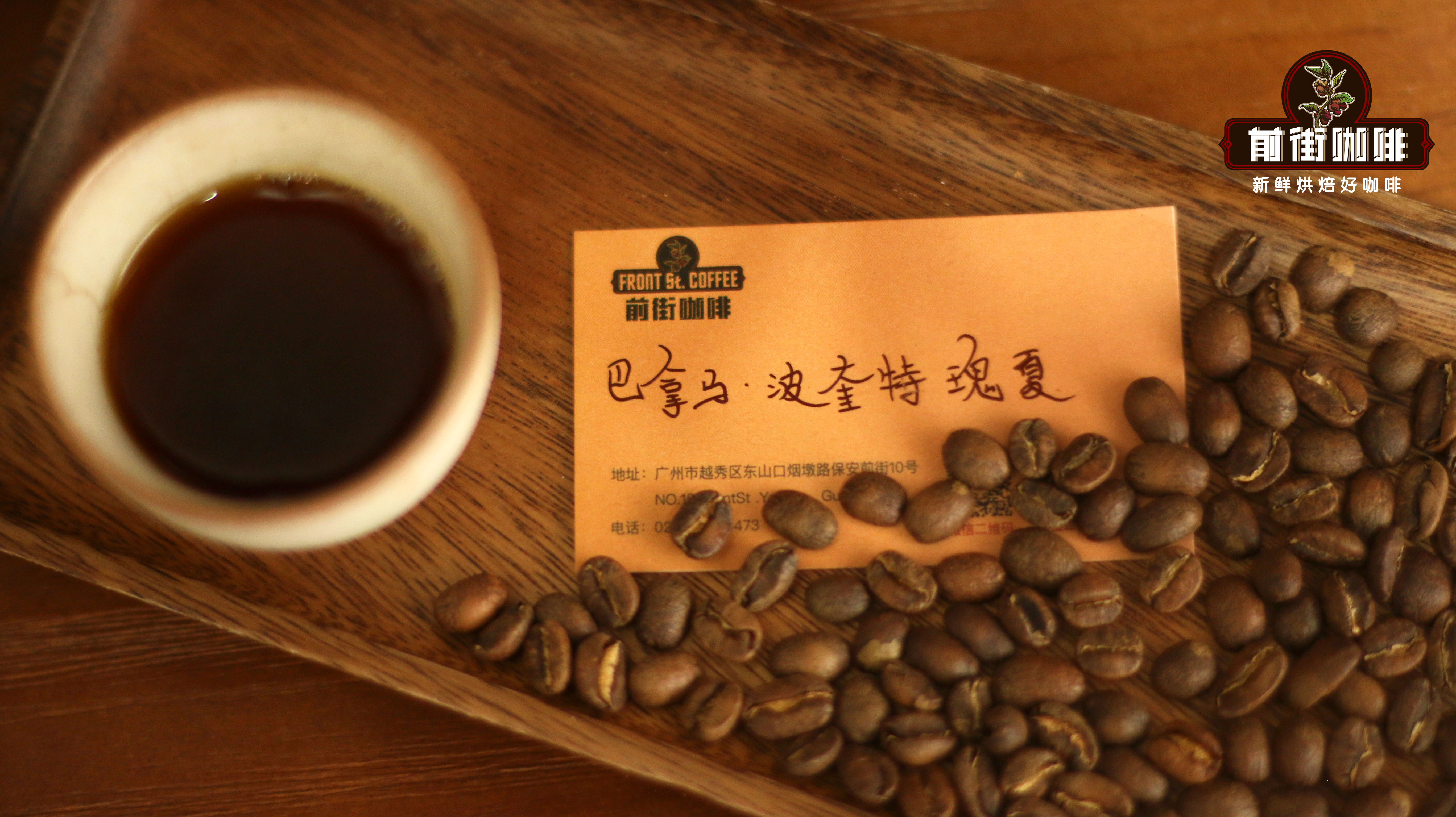
Finally,extraction timeis also a key indicator of a successful pour-over. For example, with 15 grams of coffee grounds, the ideal extraction time falls between 1 minute 50 seconds and 2 minutes 10 seconds — a range that generally offers a higher margin for error. If the extraction time is too long, it may be due to too fine a grind or too slow a pour; conversely, if it’s too short, it could result from too coarse a grind or too fast a pour. Adjusting these variables based on actual conditions can help you more accurately manage extraction balance.
In summary, the key to pour-over coffee lies in controlling the six variables: freshness, grind size, coffee-to-water ratio, water temperature, pouring technique, and extraction time. Each step is worth careful adjustment and practice. Through continuous experimentation and recording, you’ll gradually develop your own pour-over style, enjoy the focused process of each brew, and savor the endless nuances within your coffee.
The above content is compiled by CoffeeHunters, a coffee news website.


