








Introduction:Tanzanian AA coffee beans may often be overlooked, but they hold delightful surprises within. This guide delves deep into their premium origin from the slopes of Mount Kilimanjaro, the classic characteristics of the Bourbon variety, and the crisp flavor profile brought by the washed processing method. Not only does it analyze the perfect balance of citrus, berries, and honey, but it also provides expert-level pour over recommendations to help you easily extract bright acidity and a rich aftertaste. It’s a must-read for anyone looking to explore emerging African beans.
Among many high-quality African coffee-producing countries, Tanzania may not be as well-known as its neighbors Ethiopia and Kenya, but its coffee potential is absolutely worth understanding in depth. Especially the AA-grade coffee beans produced in the Kilimanjaro volcanic region, which, thanks to unique geographical conditions and traditional processing techniques, showcase highly distinctive flavor profiles. This article will fully break down the full picture of this coffee—from its growing environment, varietal heritage, processing technology, to brewing suggestions—to help you master an underestimated high-quality bean variety.
Like Kenya, Tanzania uses a grading system based on bean size, where AA grade represents the highest quality, typically with a screen size of 17–18 mesh (about 7.20 mm). Coffee beans of this specification are not only plump in appearance, but also because of their high density, they can exhibit a richer layering during roasting and extraction. If you see the “Tanzanian AA” label when selecting beans from African origins, it usually signifies a stable level of quality.
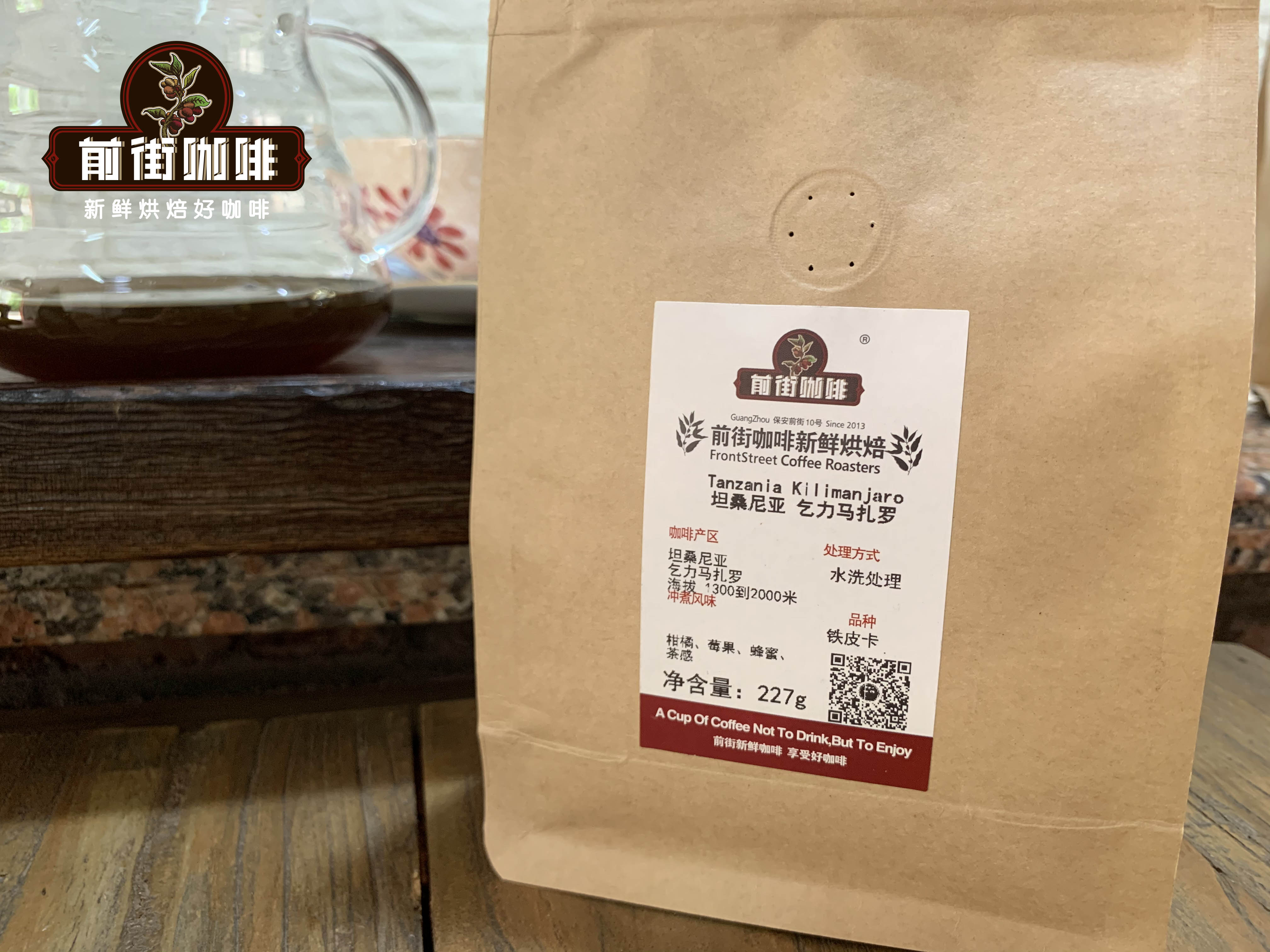
As Africa’s highest peak, Mount Kilimanjaro and its surrounding high-altitude areas, ranging from 1,300 to 2,000 meters above sea level, have fertile volcanic soil—an environment that provides ideal growth conditions for Arabica coffee. The high altitude encourages slow ripening of the coffee cherries, allowing them to accumulate more sugars and flavor compounds, resulting in bright acidity and a complex aroma profile. This producing region is not only the largest source of coffee in Tanzania, but also one of the important crops supporting the local economy.
This Tanzanian AA coffee bean belongs to the Bourbon variety, which was first introduced to the area by Catholic missionaries in 1898. Bourbon, along with the common Typica, belongs to an ancient branch of Arabica, but it has a rounder and fuller bean shape and higher yield potential—typically about 30% higher than Typica. Its flavor profile is known for its prominent berry acidity, creamy texture, and clear floral and fruity notes, while maintaining a moderate body, making it suitable for drinkers who prefer a fresh flavor.
In terms of processing methods, Tanzanian farmers commonly use the washed process, which enhances the clarity and purity of the coffee’s flavors. The standard procedure includes: initial removal of impurities, removal of pulp and outer skin, placing the beans in a fermentation tank for 18 to 36 hours for mucilage breakdown, and finally thorough washing and even drying. This technique helps highlight the inherent sweet-and-sour balance of the coffee, minimizes interference from impurities, and allows the unique regional character of the Kilimanjaro volcanic area to be fully presented.
Tanzania’s coffee grading is not only based on bean size but is also subdivided into AA, AB, PB, and C grades. Among these, AA grade has the largest particle size (17–18 mesh), AB grade is slightly smaller (15–16 mesh), PB grade consists of peaberry beans, accounting for about 10% of the total, while C grade has even smaller size (12–14 mesh). Choosing AA grade not only means the beans are solid and suitable for roasting, but also implies a higher chance of extracting delicate and layered flavor expressions.
For this Tanzanian Kilimanjaro AA coffee bean, it is recommended to use a V60 filter dripper for pour over. Its wide mouth design and spiral ribs help control water flow and air circulation, thereby improving extraction efficiency and flavor clarity. In practice, it is suggested to use a medium-fine grind (similar to fine sugar, with about 80% passing through a #20 sieve), paired with a 1:15 coffee-to-water ratio, using 15 grams of coffee and a water temperature controlled between 90–91°C.
The specific pour over steps are as follows: for the first pour, add 30 grams of hot water and let it bloom for 30 seconds to initiate the release of aromatic compounds from the coffee grounds; the second pour involves steadily pouring in a circular motion with a small stream until reaching 125 grams, then pause and wait for the water level in the dripper to noticeably drop; the final pour continues until the total reaches 225 grams, with the overall extraction time being approximately 2 minutes and 3 seconds (including the bloom). This set of parameters effectively balances the sharpness of the acidity with the richness of the body, showcasing berry aromas, citrus acidity, mid-palate nuttiness, and a honey-like sweetness in the aftertaste.
In summary, although Tanzanian AA coffee beans may not have as loud a market presence as other star African origins, the combination of volcanic soil, high-altitude environment, and traditional washed processing creates a drinking experience that is both fresh and layered. Whether you are a beginner just starting out or a coffee enthusiast seeking new flavor inspirations, this premium bean from Kilimanjaro is worthy of being added to your try list. With precise pour over techniques, you can uncover the unique charm of Tanzanian coffee.
The above content is compiled by CoffeeHunters, a coffee news website.


