







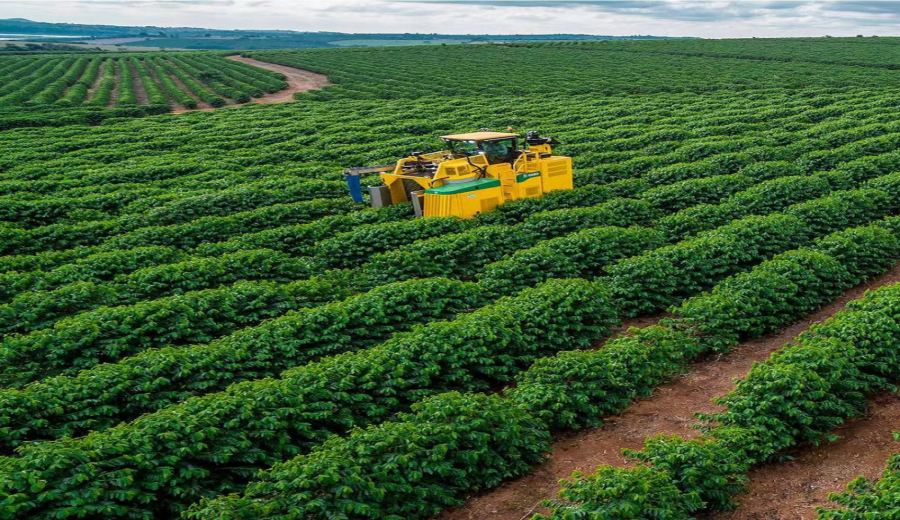
Introduction:Want to brew a balanced Brazilian coffee at home? This article takes the renowned Yellow Bourbon from Fazenda Rainha as an example, offering an in-depth analysis of its regional characteristics, varietal advantages, and the impact of the pulped natural processing method. Tailored to medium-dark roast profiles, it provides practical parameter combinations for water temperature, grind size, brew ratio, and pour-over technique. Whether you're a beginner or an advanced enthusiast, you'll find key tips to elevate your extraction quality.
Brazil has long held the title of the world’s top coffee producer, with beans celebrated for their pronounced sweetness, full body, and nutty profile—making them especially appealing to pour-over lovers. This article focuses on the Yellow Bourbon from Fazenda Rainha in the Mogiana region of São Paulo state, breaking down the causes behind this classic cup profile through geography, variety traits, and processing methods. It also systematically explains how to highlight its nutty, creamy, and fermented fruit notes by fine-tuning four core parameters: water temperature, grind coarseness, brew ratio, and pouring technique.
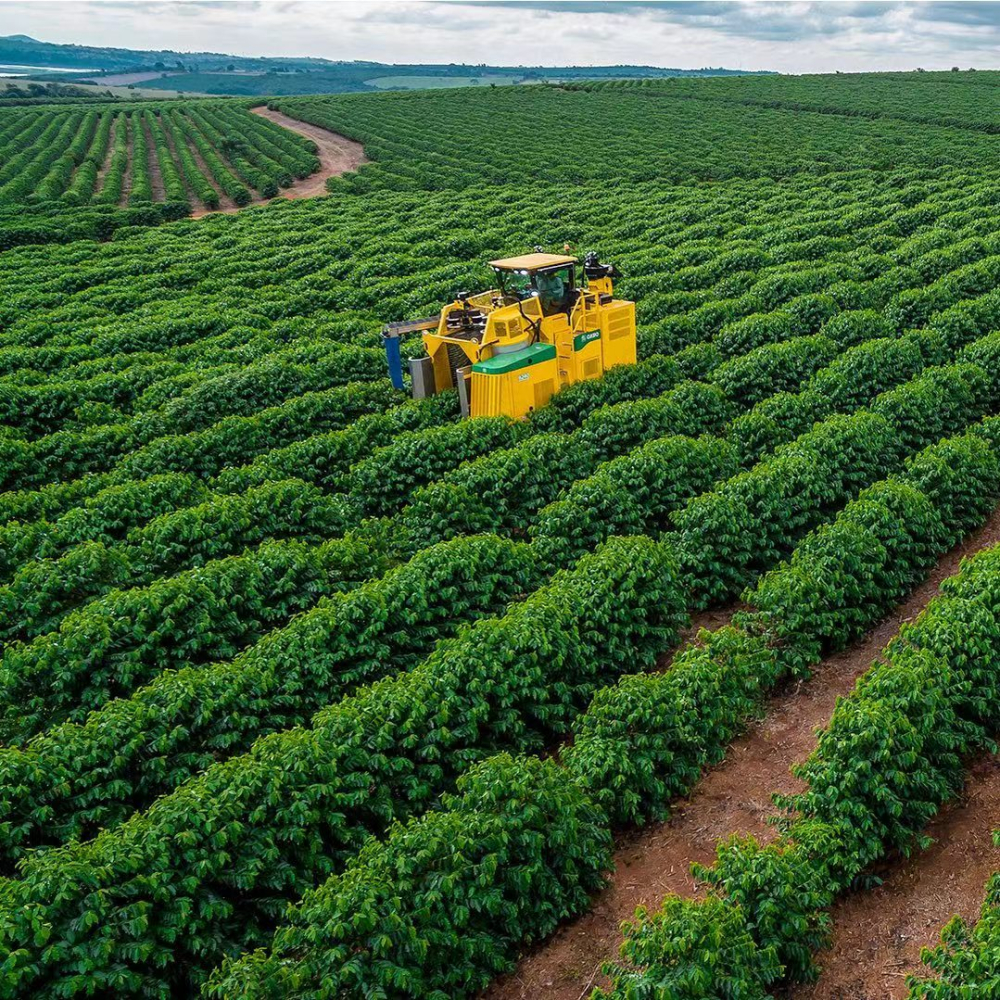
As the largest coffee-producing region in South America, Brazil’s bean profiles are widely favored, with many enthusiasts preferring to enjoy representative regions like Fazenda Rainha via pour-over. However, beginners often face various questions, from temperature control to grind selection. The following details the background and processing features of Fazenda Rainha, along with ready-to-use pour-over recipes to help you more consistently extract the bean’s finest qualities.
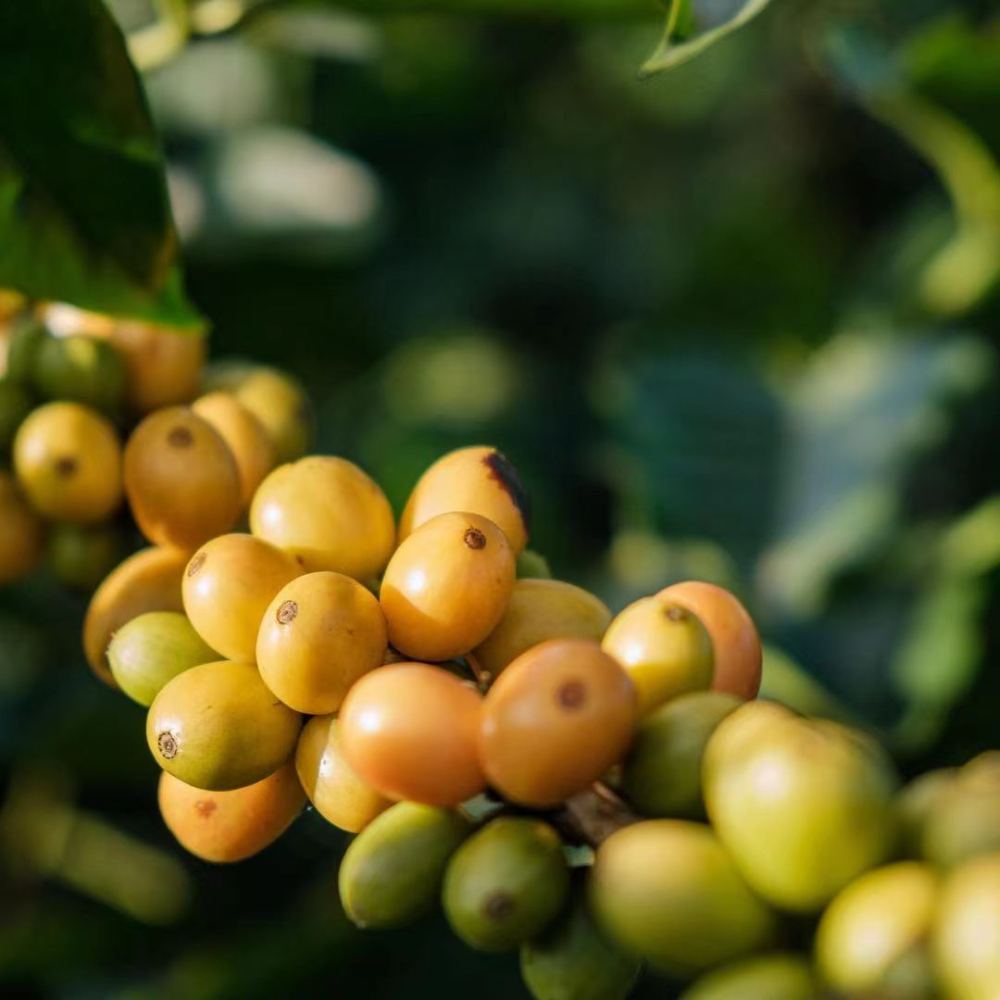
The sample analyzed here is the Yellow Bourbon from Fazenda Rainha in Brazil, grown at elevations of 1400–1950 meters in São Paulo state, and medium-dark roasted. This variety is a mutation of Bourbon with yellow fruit skins due to recessive genes, naturally endowed with good sweetness and cleanliness, often accompanied by tropical fruit and cane sugar aromas. The estate belongs to the Carvalho Dias family, which has consistently achieved outstanding results since the first Brazilian COE competition in 1999—winning the championship, 9th, and 11th places simultaneously in 2004, a testament to its flavor consistency.
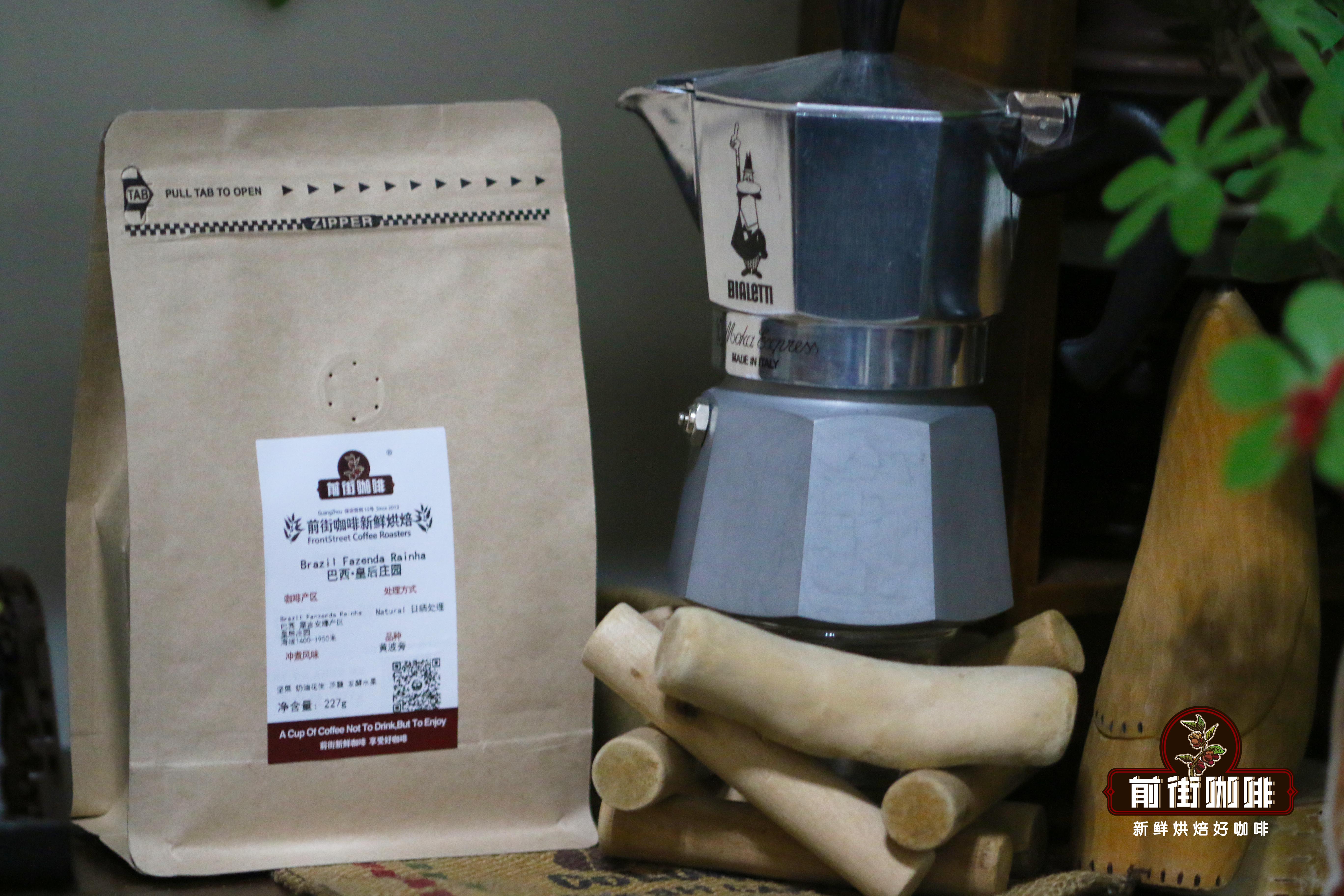
Fazenda Rainha is located in the Mogiana region in northern São Paulo state, one of Brazil’s oldest coffee-growing areas, surrounded by other notable micro-regions such as Santos and Mogiana. The elevation and microclimate here provide ideal growing conditions for Yellow Bourbon, contributing to its rich nutty base and gentle acidity.
In terms of variety, Fazenda Rainha selects Yellow Bourbon—a mutation of the Bourbon variety where recessive genes result in yellow-colored fruits. Compared to traditional Red Bourbon, Yellow Bourbon typically exhibits higher sweetness and a more balanced flavor profile, often with distinct tropical fruit and dried fruit notes. It’s reported that 200 of the estate’s 280-acre cultivation area is dedicated solely to Yellow Bourbon, ensuring flavor consistency.
For processing, this bean employs Brazil’s unique pulped natural method. Due to the region’s relatively dry climate, this technique allows precise control over the fermentation level during the mucilage stage after depulping, while skipping the water fermentation and rinsing steps—thereby influencing the final flavor direction. Compared to traditional washed or fully sun-dried processes, pulped natural retains more sweetness and creaminess while imparting unique fruity fermentation notes.
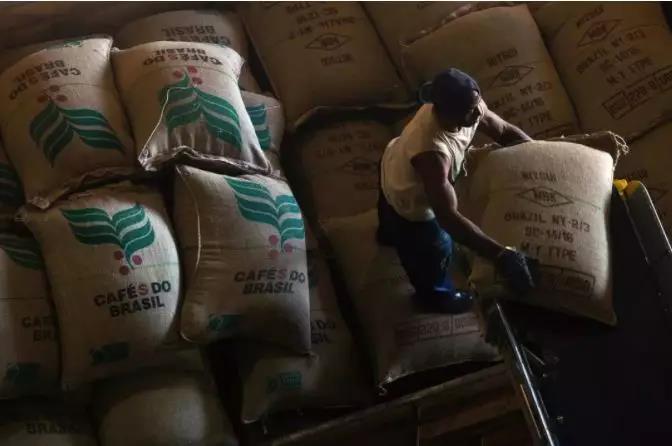
With an understanding of what shapes the bean’s profile, the next step is optimizing pour-over parameters. We recommend adjusting four key elements: water temperature, grind size, brew ratio, and pouring technique. Below are specific suggestions and practical details.
First is water temperature—different roast levels require different temperatures to avoid over-extraction or under-extraction. Dark roasts benefit from lower temperatures to reduce off-flavors, while light to medium roasts suit higher temperatures to highlight acidity and aroma. For this medium-dark roasted Fazenda Rainha, to enhance its nutty and creamy characteristics, we recommend setting the water temperature between 87–89°C to stably present its full-bodied base.
Regarding grind size, the fineness of coffee grounds directly affects extraction efficiency. Finer grounds release more flavor compounds per unit time but risk over-extraction; coarser grounds may under-extract. In practice, you can use a #20 cupping sieve (0.85mm aperture) for testing: take 10g of coffee beans, grind them to the target size, then sift. Weigh the amount that passes through. Medium-light roasts suit around 80% passage (10g yields 8g), while medium-dark roasts perform best at 70–75% (10g yields 7–7.5g). Adjust your grinder settings accordingly if results deviate.
Brew ratio is key to influencing strength and extraction yield. According to SCAA’s Golden Cup standard, a 1:14.5 to 1:15.5 ratio (e.g., about 15g coffee to 225g water) most reliably falls within the optimal range (extraction yield 18–22%, concentration 1.15–1.35%). We recommend using this ratio for brewing Fazenda Rainha to balance its flavor expression.
As for pouring techniques, common methods include three-pour, single-pour, and pulse pouring. For medium-dark roasted Fazenda Rainha, beginners are advised to use the three-pour method: start with a small stream for a 30-second bloom (adding about 30g water), then pour in a circular motion until reaching 125g for the first pause, wait for the water level to drop slightly, then continue pouring to 225g to finish. Total brew time is about 2 minutes 10 seconds (using a KONO filter) or 2 minutes (using a V60 filter), helping clearly express the flavor layers in the early, middle, and late stages.
Combining all the above parameters, the recommended pour-over setup for Fazenda Rainha is as follows: use a KONO filter, 15g coffee, water temperature 87–89°C, medium grind (20-mesh sieve passage ~75%), 1:15 brew ratio, and a three-pour technique—start with 30g bloom water, then pour to 125g for the first pause, and finally pour up to 225g to finish. This combination stably extracts a base of almond and cocoa, highlights the sweetness of cane sugar, and delivers a rich yet balanced mouthfeel.
The above content is compiled by CoffeeHunters, a coffee news website.


