







Introduction:Guatemalan coffee is renowned for its unique volcanic terrain and high-altitude environment, producing extremely hard beans with richly layered flavors. This article delves into the characteristics of the region’s mainstream varieties—Bourbon, Caturra, and Catuai—exploring key indicators such as bright acidity, balanced sweetness, and disease resistance. It also highlights the practical differences in performance between the Huehuetenango and Antigua regions, accompanied by professional-grade V60 brewing parameters to help you master the refined flavors of Central American coffee.
As a powerhouse of coffee in Latin America, Guatemala leverages its volcanic soil and high-altitude advantages to produce intense yet delicately acidic high-mountain hard beans from the Central American region. These coffees not only showcase the balanced profile typical of Latin American origins but also boast unique aromatic profiles due to varietal differences. This article will focus on three major Arabica varieties—Bourbon, Caturra, and Catuai—analyzing their flavor personalities and, through real-world regional examples, allowing you to experience the profound impact of geography on coffee.
Guatemala’s coffee-growing regions encompass several well-known areas such as Antigua, Huehuetenango, and Atitlán, with all produced beans belonging to the Arabica species. As the mainstream of specialty coffee worldwide, Arabica contains only 0.8%-1.5% caffeine and is celebrated for its delicate flavors, accounting for 75% of global coffee production. Compared to Robusta, Arabica demands stricter growing conditions, requiring high altitudes and cool temperatures, while also being more susceptible to pests and diseases—for instance, the common coffee leaf rust has once posed a serious threat to the region.
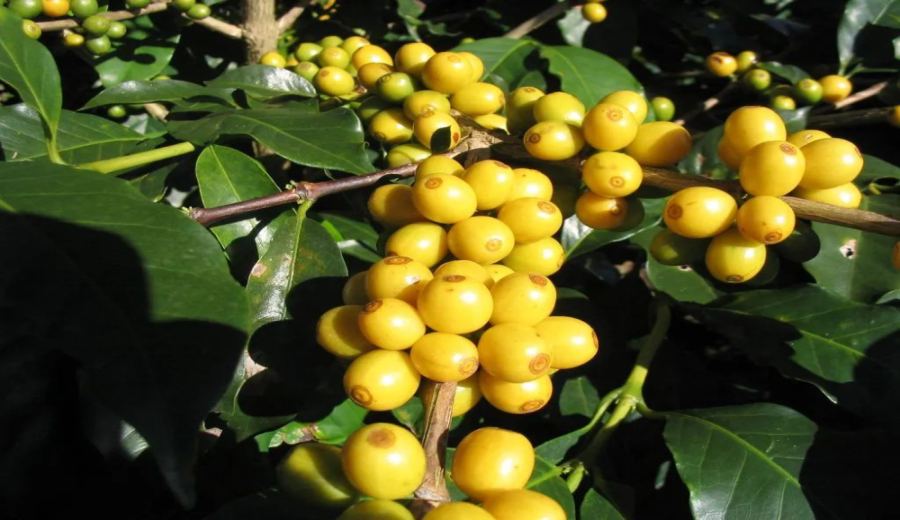
In Guatemala, the most common varieties include Bourbon, Caturra, and Catuai. Bourbon coffee originated from Réunion Island (formerly known as Bourbon Island) and is a natural mutation of Typica. Its red Bourbon cherries are short and round, with high sweetness and bright acidity, serving as the base variety for many specialty coffees. Caturra is a single-gene mutation of Bourbon, discovered in Brazil in 1937. It offers higher yield potential and disease resistance, with shorter trees that are easier to harvest. However, it’s worth noting that its yield fluctuates cyclically every two years. It also adapts well, capable of growing directly under sunlight, making it suitable for high-density planting, though this requires increased fertilization costs.
Catuai is a hybrid of Mundo Novo and Caturra, combining wind and rain resistance with sturdy fruit characteristics, making it less prone to dropping due to strong winds. However, its flavor profile is relatively muted, with lower body, and its fruit lifespan is only about ten years, which is a major limiting factor.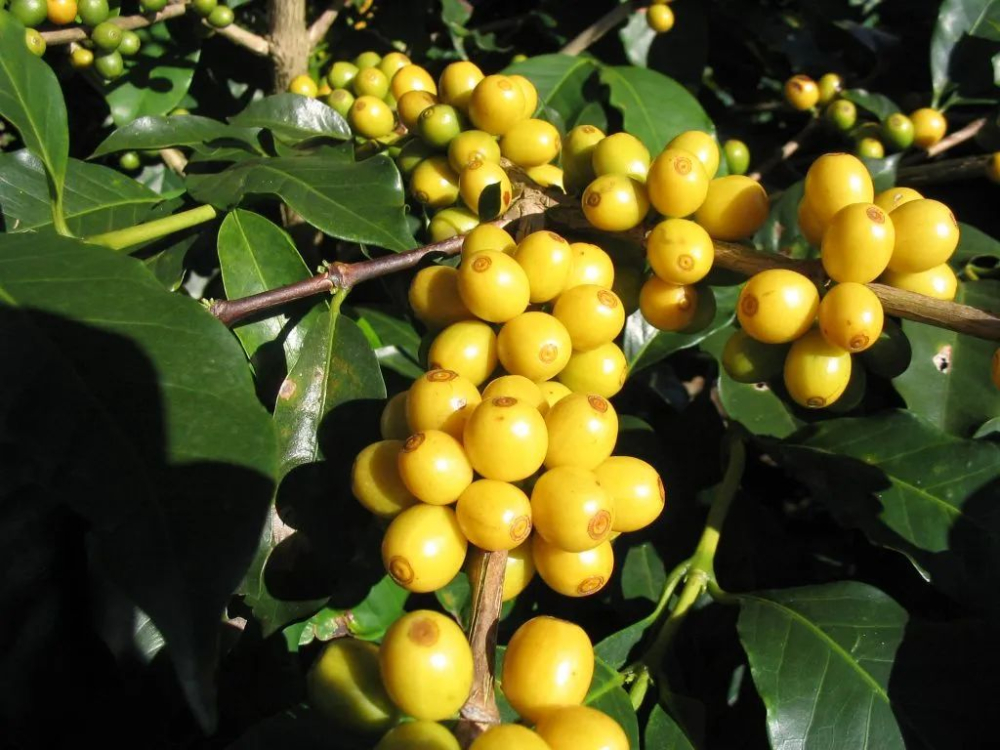
Taking actual regions as examples, the coffee-growing altitude in the Huehuetenango area ranges between 1500-2000 meters, with main varieties including Bourbon, Caturra, and Catuai. The washed processing method yields flavors of nuts, lemon peel, berries, and citrus, with a distinct nutty aroma in the mid-palate and a tea-like aftertaste. In contrast, the Antigua region (represented by the La Minita estate) sits at an altitude of 1200-1600 meters, also using Bourbon, Caturra, and Catuai varieties. After washed processing, it presents brighter citrus acidity, rich floral notes, and caramel aromas, with a hint of light smokiness in the backend. The overall flavor is clean and multi-layered.
Despite these two coffees sharing the same varieties and processing methods, their flavor profiles differ significantly due to variations in altitude and microclimate. This is precisely the charm of coffee as a crop—the soil, altitude, and climatic conditions of the origin directly influence the final flavor profile.
For these two medium-roasted Guatemalan coffees, it is recommended to use a V60 #01 filter for pour over, with the following parameters: water temperature 90-91°C, coffee dosage 15 grams, coffee-to-water ratio 1:15, grind size BG6M (medium-fine grind, approximately 20-mesh sieve yielding 80% through). The brewing technique employs a three-stage extraction: the first stage involves pouring 30 grams of water for a 30-second bloom, followed by 95 grams of water (totaling approximately 125 grams), completed within about 1 minute; when the water level drops to two-thirds of the coffee bed, pour the remaining 100 grams of water (totaling approximately 225 grams), finishing in about 1 minute and 35 seconds, with the final drip-through completed between 2 minutes 00 seconds and 2 minutes 10 seconds.
When brewed using the above parameters, the Huehuetenango coffee exhibits citrus and berry acidity, paired with lemon peel aroma and a mid-palate nutty character, with a soft tea-like aftertaste. The Antigua “Flora” coffee, on the other hand, centers around a brighter citrus acidity, accompanied by rich floral notes and moderate sweetness, with a smoky finish adding depth. The overall mouthfeel is smooth and distinctly layered. Mastering these varietal characteristics and brewing details will help you more precisely appreciate the unique profile of Guatemalan coffee.
The above content is compiled by CoffeeHunters, a coffee news website.


