








Introduction:Sun-drying is one of the most traditional and distinctive methods in coffee processing. By slowly drying the beans in the sun, the coffee cherries undergo full fermentation within the fruit, developing intense fruity aromas and complex layers. This article delves into the principles, steps, and flavor characteristics of the natural (sun-dried) process, using Ethiopia’s renowned Huila Geisha (commonly referred to as "Huikui" or "Flower Queen") coffee beans as an example. We’ll explore how different roast levels affect the cup profile and brewing recommendations. Whether you’re a beginner or an advanced enthusiast, you’ll gain practical insights from this guide.
The unique flavor of a cup of coffee is shaped at every step—from the growing environment and variety selection, to the processing method and roasting technique. Among these, the processing method is one of the most decisive factors influencing the final flavor. Among the many processing techniques, the natural (sun-dried) method is one of the oldest and most iconic. It involves directly exposing the whole coffee cherry to sunlight, allowing the seeds (what we commonly call coffee beans) to slowly dry while still encased in their pulp and mucilage, thereby accumulating rich sugars and fermented flavors.
The essence of coffee processing is to extract the seed—the coffee bean—from the fruit and stabilize its moisture content around 11% to facilitate storage and roasting. Traditionally, the natural process is considered the most primitive method and is still widely used in many producing regions, especially where sunlight is abundant but water resources are limited.
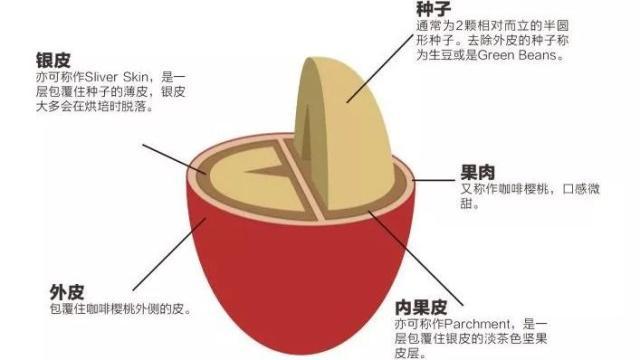
A whole coffee cherry consists, from the outside in, of the skin, pulp, mucilage layer, parchment (also called the inner skin), silver skin, and at the core, the coffee bean. Freshly harvested coffee cherries have high moisture content, and the mucilage layer is sticky, making processing relatively complex. The basic principle of the natural method is to gradually reduce the moisture content of the entire fruit through prolonged natural drying, while allowing the seed to absorb sugars and flavor compounds from the surrounding pulp.
In traditional practice, farmers evenly spread freshly harvested whole coffee cherries on drying beds, turning them daily to ensure even exposure to heat. The entire process usually takes 30 to 45 days, until the fruit’s moisture content drops to around 11%. At this point, the cherries resemble dried raisins, and the outer layers can be easily peeled off by hand to retrieve the inner coffee beans.
This lengthy drying process not only dehydrates the coffee beans but also keeps them immersed in the sweet aromas of the pulp and mucilage. As a result, the final brewed coffee often exhibits pronounced notes of berries and tropical fruits, with a richer mouthfeel and more layered complexity. Compared to other processing methods, naturally processed coffee tends to display a stronger burst of fruitiness and sweetness.
When discussing classic representatives of the natural processing method, one cannot overlook Ethiopia, the birthplace of coffee. Many renowned producing regions such as Sidamo, Yirgacheffe, and Guji commonly produce high-quality coffee beans using the natural method. For instance, the highly acclaimed Huila Geisha (marketed as "花魁" or Flower Queen), is one of the exemplary beans processed using the natural method. Its intense fruity aroma and delicate floral notes make it a favorite daily brew for many coffee enthusiasts.
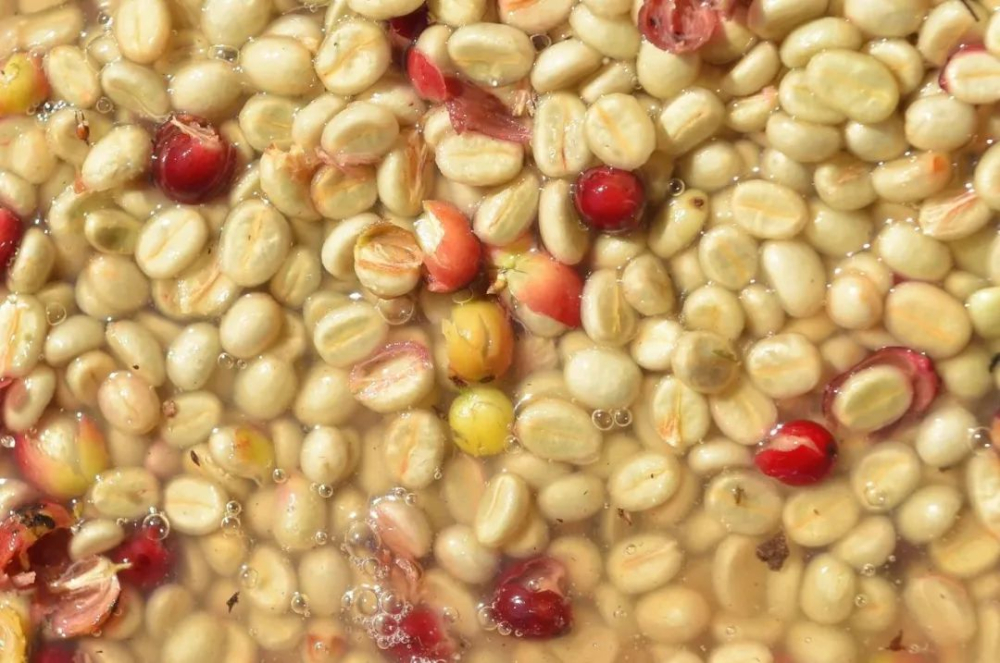
The Flower Queen coffee is widely loved for its creamy strawberry and tropical fruit aromas, along with subtle fermented notes, offering a multi-dimensional yet balanced profile. These characteristics largely stem from the natural sugars and fermentative compounds released by the pulp and mucilage layers during the sun-drying process, allowing the coffee beans to accumulate a rich flavor foundation during the drying stage.
In terms of product applications, Flower Queen coffee is available in multiple formats to suit different needs: busy professionals can opt for convenient seasonal drip bags for instant brewing; those wishing to delve deeper into the nuances of the natural process are advised to choose medium-light roasted beans to grind and brew fresh, which better highlights its fruity aromas and layered complexity; meanwhile, consumers who prefer a bold mouthfeel and coffee oils might try the medium-roasted single-origin (SOE) Flower Queen, which showcases a blend of dark berry, dried apricot, caramel, and buttery chocolate aromas. Brewed as Americano, it presents a refreshing citrus note, while adding milk transforms it into a mellow flavor profile reminiscent of butter cookies, plums, and almonds.
The natural processing method is particularly well-suited for regions with limited water resources but long hours of sunlight, and Ethiopia is a prime example. Even as washed processing techniques have become more widespread in recent years, approximately 70% of Ethiopian coffee beans are still processed using the natural method. This not only reflects the continuation of traditional craftsmanship but also demonstrates the close relationship between the local environment and processing methods.
The above content is compiled by CoffeeHunters, a coffee news website.


