







Introduction:You can easily enjoy a smooth and rich cold brew latte even without an espresso machine. By steeping coffee grounds in cold milk, you not only avoid the bitterness often associated with traditional high-temperature extraction, but also allow the coffee and milk to blend perfectly, resulting in a full-bodied yet easy-on-the-stomach drink. This article will guide you step-by-step on how to make a professional-grade cold brew latte at home — from ingredient selection, grind size, coffee-to-milk ratio, to optimal steeping time and storage tips — covering all the key details in one go.
Have you ever wanted to brew a café-quality silky latte at home but hesitated because you don’t have professional coffee equipment? In fact, by using the low-temperature steeping technique with milk and coffee grounds, you can easily replicate that rich yet non-cloying cold brew latte flavor at home. This method not only eliminates the need for complicated tools, but also allows you to adjust the strength to your personal taste, enjoying your own unique coffee moment.
So-called milk-steeped coffee is essentially using milk instead of water as the brewing medium, allowing the coffee grounds to slowly release their aroma and flavor compounds in a low-temperature environment. This low-temperature extraction method effectively suppresses the release of bitter-tasting large molecular compounds, while extending the release time of lighter aromatic molecules, resulting in a cleaner, richer coffee liquid with a smooth and layered taste.
Compared to regular hot-pressed or high-temperature extracted lattes, low-temperature milk steeping better preserves the fruitiness and floral notes of the coffee itself, while also reducing stomach irritation. Since the milk fat and proteins slightly slow down the release of flavors, the final coffee concentration may be slightly lower than that of an espresso-based latte, but the overall flavor is smoother and almost effortless to drink, making it ideal for everyday enjoyment.
When preparing ingredients, it’s recommended to use freshly refrigerated whole milk with a fat content of 3% or higher, which ensures a smoother, creamier latte with a richer milk flavor. As for the coffee beans, you can choose based on your personal preference — if you like fresh floral notes, go for sun-dried beans; if you prefer bold fermented flavors, consider beans with wine-like characteristics, or opt for a blended profile with berry and nut tones, all of which can bring different layers of taste to your milk-steeped latte.
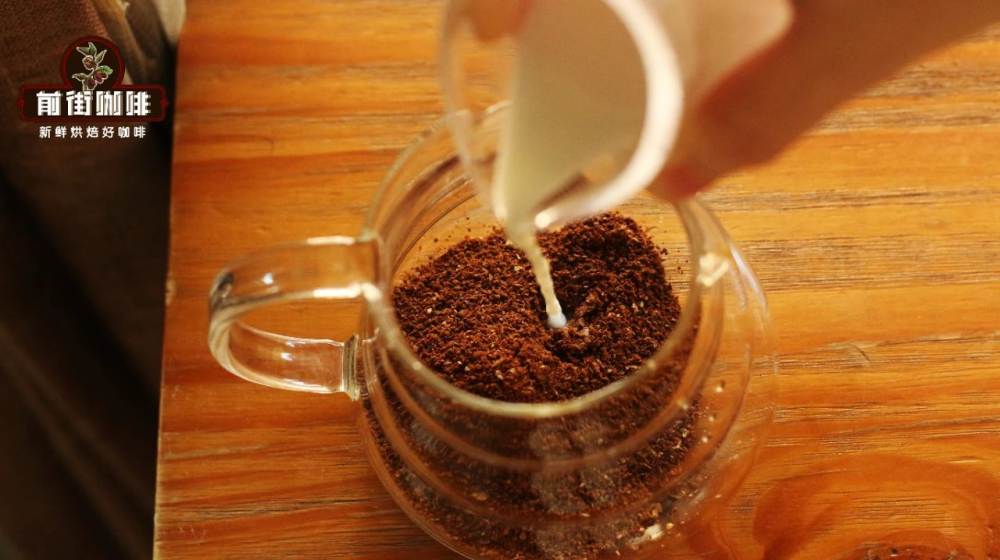
Here are the detailed preparation parameters and process: First, it’s recommended to use medium-fine ground coffee, roughly at a consistency where 85% can pass through a Chinese No. 20 sieve. This grind size helps the coffee flavors release evenly in the milk.The recommended coffee-to-milk ratio is set at 1:13, which means about 20 grams of coffee grounds paired with approximately 260 grams of fresh milk. The steeping time should be controlled between8 to 10 hours, and the mixture should be refrigerated for low-temperature extraction. This ensures a stable release of aroma and prevents off-flavors.
In practice, you can place the coffee grounds in a tea bag, tie the opening securely, then put it into a clean, airtight container. Pour in the chilled fresh milk, gently shake to evenly wet the coffee grounds, and then let the whole thing sit in the fridge. After 8 to 10 hours, remove the tea bag and squeeze out any remaining liquid to enjoy a smooth and aromatic cold brew latte. Please note that since milk is nutrient-rich, it’s best to consume it within12 hours after preparationto ensure optimal flavor and food safety.
If you prefer a more convenient method, you can also try the “lazy version”: simply place the tea bag filled with coffee grounds into an unopened small carton of fresh milk, seal the opening with plastic wrap, and refrigerate for steeping. This not only saves you the trouble of pouring back and forth, but also maintains cleanliness and convenience — perfect for busy individuals or first-timers.
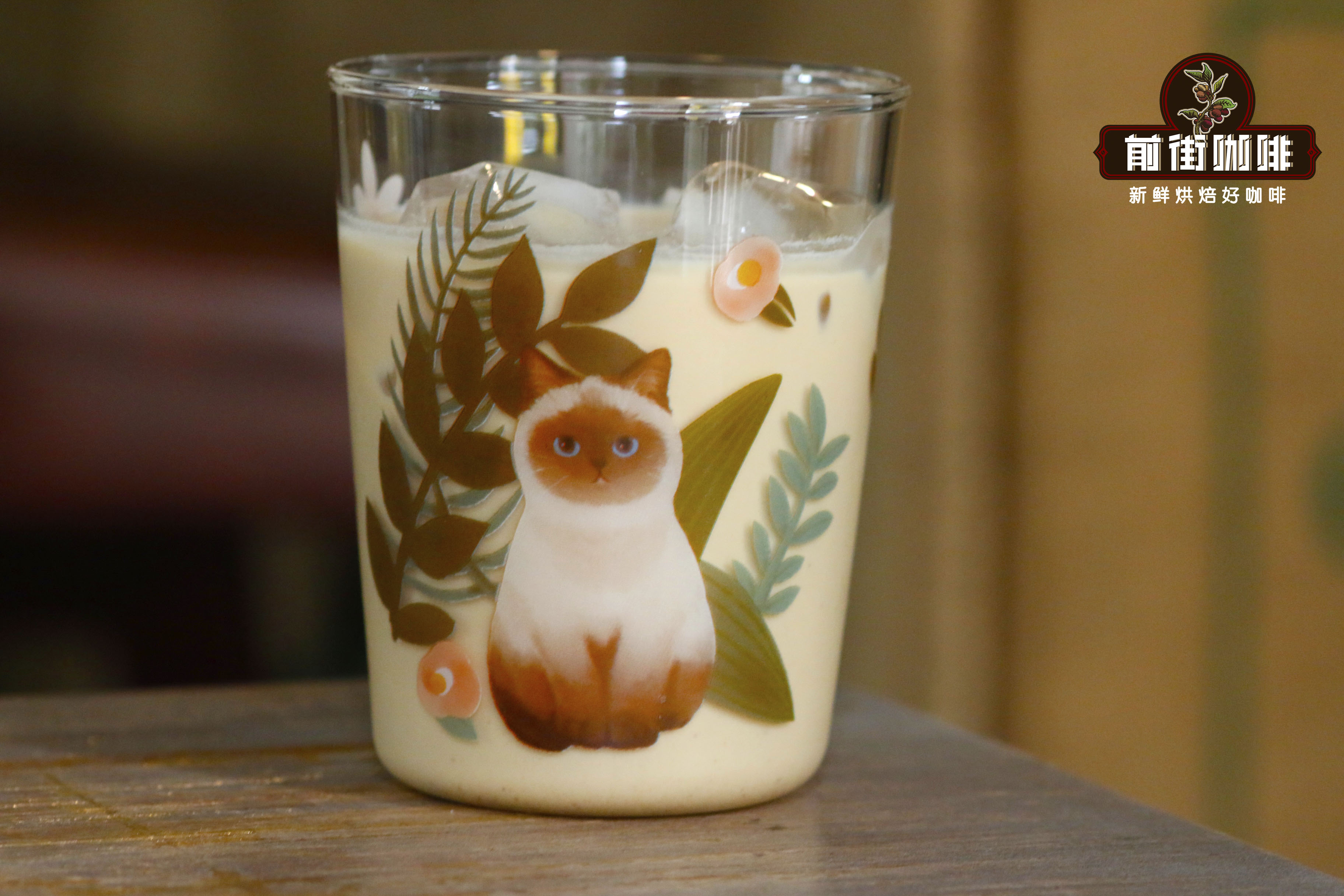
As for the finished cold brew latte, it’s best enjoyed fresh. When the coffee has just been filtered, its color presents an attractive milky-tea hue, with aromas of hazelnuts and roasted peanuts. The taste isIt is recommended to consume it as soon as possible after preparation to enjoy the optimal flavor and ensure safety.
The above content is compiled by CoffeeHunters, a coffee news website.


