







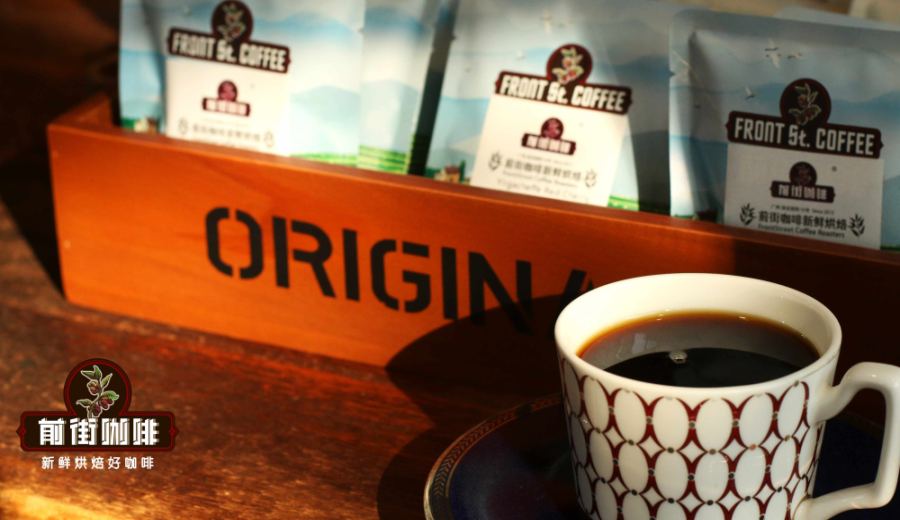
Introduction:For beginners in pour over coffee, selecting a bean that balances affordability and representativeness is an ideal starting point for exploring the flavors of different regions. A certain brand’s everyday coffee series offers seven premium beans from globally renowned regions at accessible prices—from African floral and fruity notes to Asian bold and herbal profiles. Each comes with detailed flavor descriptions and brewing references. This article delves into the microclimatic characteristics of each origin, bean variety traits, and provides practical brewing advice along with parameter sources to help you quickly develop regional recognition skills.
When starting out with pour over coffee, many people opt for small packages to try new flavors, avoiding the waste of buying too much at once only to find the taste unsuitable. When searching for “100g pour over beans” or “affordable everyday beans,” a certain brand’s everyday series often ranks high in search results. These budget-friendly beans maintain high quality even when sold at surprisingly discounted prices during promotions—the brand clearly states that regardless of package size, including the free 15g sample included with each purchase, all beans are freshly roasted high-quality green beans. For coffee enthusiasts on a budget who want to explore diverse regional characteristics, this series is an extremely valuable entry-level choice.
The so-called “regional flavor” refers to the flavor profile exhibited by coffee beans due to the unique local altitude, climate, soil, and processing methods. The international coffee community generally agrees that one of the core appeals of specialty coffee is the ability to trace distinct flavor characteristics back to specific origins. When curating its everyday beans, a certain brand takes a regional approach, carefully selecting the most representative beans from various countries, allowing beginners to experience typical flavors from different regions at reasonable prices before gradually diving into the nuanced differences of specific farms or cooperatives.
The everyday bean series from a certain brand covers seven renowned origins across Africa, Central America, and Asia, including: Ethiopia Yirgacheffe, Colombia Huila, Guatemala Huehuetenango, Brazil Cerrado, Costa Rica Tarrazú, Indonesia Lintong, and China Yunnan Baoshan. Below, we will analyze the regional background, flavor profile, and practical brewing tips for each of these seven beans one by one.
Ethiopia Yirgacheffe Coffee Beans
The town of Yirgacheffe is located on a plateau in Ethiopia at an altitude of 1700–2100 meters, making it one of the highest-altitude coffee-growing regions in the world. The spring-like microclimate here nurtures coffee beans that combine floral and fruity notes. The washed Yirgacheffe from a certain brand, made from local heirloom varieties, has its cleanliness and acidity enhanced by the washed process. Its flavor profile features bright citrus and lemon acidity, elegant jasmine floral notes, a tea-like mouthfeel, and a lingering tea-like aftertaste—overall, it’s like a tropical fruit and flower tea.
Colombia Huila Coffee Beans
Huila Province is located in the central southern mountain range of Colombia, where the surrounding hills provide an elevation of over 1500 meters. Coffee trees are planted on sheltered slopes, enjoying stable temperatures and abundant rainfall. The Huila washed beans from a certain brand are primarily of the Caturra variety, with a full-bodied flavor profile, a rich mouthfeel, and aromas of nuts, chocolate, and caramel. The acidity is smooth and pleasant, and the washed process achieves a well-balanced acidity and saltiness with moderate body—suitable for those who enjoy warm and mellow flavors.
Brazil Cerrado Coffee Beans
It’s important to note that true Cerrado coffee is only produced in the premium zone at altitudes of 1000–1300 meters, where fertile soil contributes to its unique flavor expression. The semi-washed Cerrado beans from a certain brand are made from the Red Bourbon variety, with a flavor profile leaning toward sweetness, featuring prominent notes of chocolate and nuts, high body, and no earthy or musty interference. For those who prefer less pronounced acidity, it’s an excellent entry-level choice. The semi-washed process retains some of the sweetness from partial fruit fermentation, resulting in a rounder overall mouthfeel.
Costa Rica Tarrazú Coffee Beans
The Tarrazú region is located in Central America’s volcanic belt, boasting fertile volcanic soil, abundant rainfall, and a high-altitude environment (mainly cultivated above 1500 meters). Nearly 95% of the coffee here is Strictly Hard Bean (SHB), grown without the use of pesticides or chemical fertilizers. The Tarrazú washed beans from a certain brand have plump beans that yield rich aromas of chocolate and nuts after brewing, with moderate acidity, a smooth mouthfeel, and enticing aromas—suitable for those seeking a more layered body.
Indonesia Lintong Mandheling Coffee Beans
The Lintong region is located near Lake Toba in northern Sumatra, on the Lintong Mountains at an altitude of 1000–1500 meters in a highland area with volcanic soil and a tropical rainforest climate, enjoying year-round rainfall. The Lintong Mandheling beans from a certain brand are processed using Indonesia’s unique wet-hulled method. Although their cleanliness is lower compared to other methods, this highlights the typical bold body, intense flavors, and unique herbal-spicy notes of Asian coffee—it’s a classic choice for experiencing Southeast Asian coffee characteristics.
China Yunnan Baoshan Coffee Beans
Yunnan Baoshan is hailed as one of the best regions for growing small coffee beans, thanks to its stable climate (average annual temperature of 21.5°C, frost-free year-round) and fertile soil. The Yunnan everyday beans from a certain brand are processed using the washed method, with a balanced flavor profile based on sweet notes of nuts and brown sugar, a full-bodied mouthfeel without bitterness, and a hint of fruity notes—suitable for those who prefer mild and sweet flavors.
How to Get Brewing Parameters?
Each package of a certain brand’s everyday beans comes with a QR code printed on the outer packaging. Users can scan it (e.g., via WeChat) to access a related mini-program, where they can view detailed regional information about the beans and the official recommended brewing parameters—including grind size, water temperature, coffee-to-water ratio, and brewing techniques—to ensure the beans’ full flavor potential is realized.
The above content is compiled by CoffeeHunters, a coffee news website.


