







Category: Coffee Knowledge
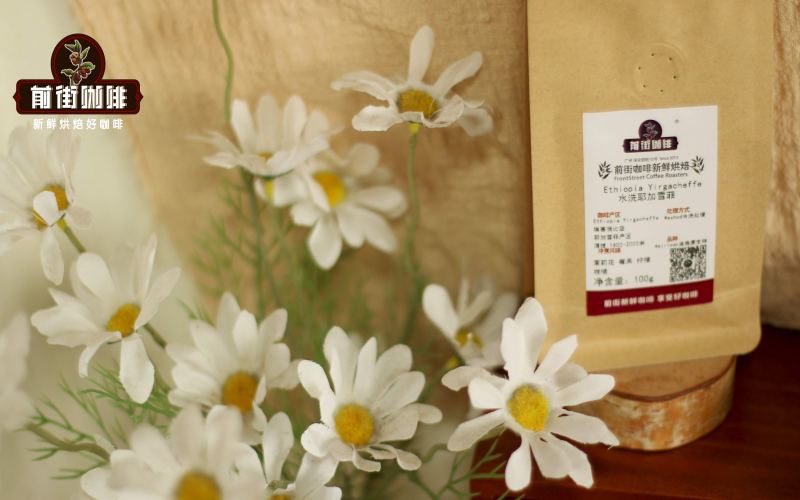
Ethiopia Yirgacheffe Region Guide: Sun-Dried vs Washed Differences and Pour Over Parameter Suggestions
Delve into Ethiopia's Yirgacheffe region to explore its historical roots, varietal characteristics, and the significant impact of its two main processing methods—natural (sun-dried) and washed—on flavor. Analyze multiple representative beans from Aricha to Guji Dingding, along with practical suggestions on water temperature and grind size to help you master the optimal extraction method and savor Yirgacheffe’s unique fruity acidity and floral notes. [more…]
Beginner’s Guide to Single-Origin Coffee Beans: Flavor Analysis of Natural and Washed Processing Methods & Pour Over Parameters
Choosing the right coffee beans is the first step to enjoying single-origin coffee. The processing method not only influences the flavor profile of the coffee but also determines its performance during brewing. This article provides an in-depth analysis of the differences in craftsmanship between the two traditional processing methods—natural and washed—along with visual identification tips and typical flavor characteristics. It also offers practical pour over extraction suggestions and temperature references to help beginners select and brew their ideal coffee experience based on flavor essence. [more…]
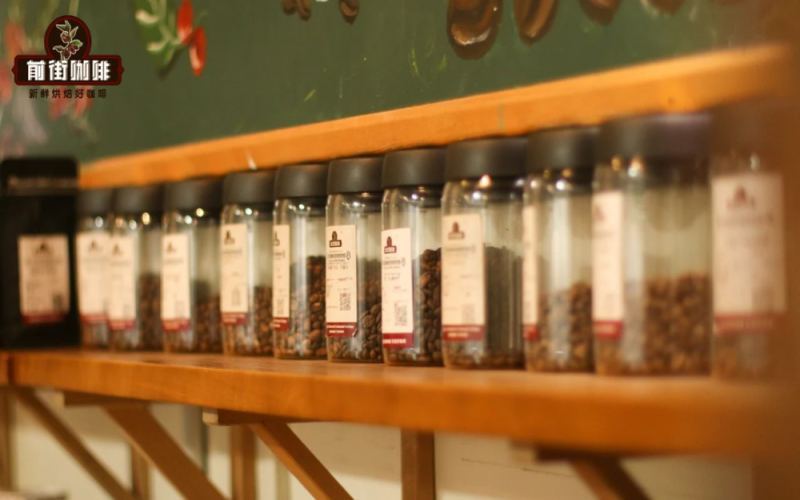
How to Brew Honduran Lishilan Wine Barrel Beans? Exploring the Caturra Variety and Washed Fermentation
This article delves into the Lishilan coffee beans produced by Honduras' Masaguara Mocha Estate, analyzing everything from its brandy wine barrel low-temperature fermentation process to the characteristics of the Caturra and Catuai varieties. It provides a comprehensive guide on how to bring out the captivating layers of lychee, honey, and wine aromas through different roasting and brewing methods. Whether you're a pour over beginner or an advanced enthusiast searching for unique beans, you'll find practical flavor insights and recommended parameters. [more…]
Why does your pour over coffee taste bitter and astringent? 4 common causes and precise adjustment techniques
When making pour over coffee at home, do you often encounter issues with your coffee tasting burnt, bitter, or astringent? These flavors may stem from the characteristics of the coffee beans, how long they’ve been stored, the grind size, or water temperature control. This article delves into the four main reasons behind bitter and astringent pour over coffee, offering a comprehensive set of adjustments — from bean selection to brewing — to help you accurately pinpoint the problem and brew a smoother, more layered cup. [more…]
Flavor Analysis and Brewing Recommendations for Honduras' Six Premium Coffee Regions
Delve into six renowned coffee regions in Honduras. From altitude and climate to coffee varieties, we provide a comprehensive analysis of each area’s unique flavor characteristics. We’ll also introduce you to the popular Lishilan beans from the Marcala region and guide you on the optimal brewing methods to enjoy their well-balanced acidity, sweetness, bitterness, and rich body. [more…]

Complete Guide to Indonesian Civet Coffee: Flavor Profile, Brewing Parameters & Value Analysis
Civet coffee, commonly known as "kopi luwak," originates from Sumatra, Indonesia, and is renowned for its rare production origin and unique digestive fermentation process. This article provides an in-depth analysis of its historical background, flavor characteristics, recommended brewing methods, and market pricing, along with practical roasting and extraction tips to help you rationally assess whether this highly debated specialty coffee is worth trying. [more…]
Essential Pour Over Skills for Beginners: Water Pouring Techniques and Recommended Beans for Practice
The key to pour over coffee lies in stable and delicate water pouring techniques. For beginners, mastering the correct pouring method can significantly improve extraction quality. This article will delve into the details from blooming to circular pouring—including water stream control, filter cone characteristics, common mistakes—and recommend several beans with outstanding flavor profiles and reasonable prices for practice, helping you build a solid foundation in pour over brewing. [more…]
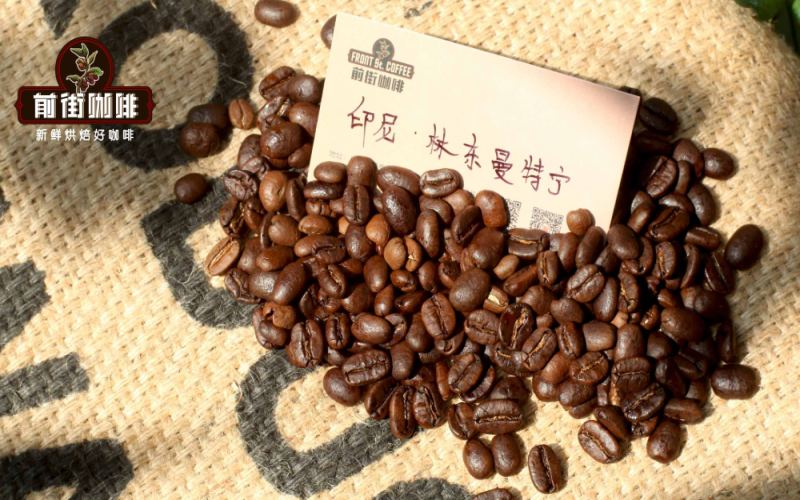
How to Brew Indonesian Mandheling Coffee? Flavor Analysis and Pour Over Parameters Guide
Mandheling coffee originates from Sumatra, Indonesia, and is renowned for its rich, full-bodied profile and low acidity, making it a top single-origin choice for many coffee enthusiasts. This article provides an in-depth analysis of the two most representative wet-hulled beans: PWN Golden Mandheling and Lintong Mandheling. It covers everything from the regional terroir and processing method to the flavor profile, along with professional pour over recommendations and milk pairing tips to help you brew a balanced and aromatic cup of Mandheling. [more…]
Is Mandheling suitable for cold brew? A complete guide to coffee-to-water ratio, storage, and bean selection
Cold brew coffee, with its low bitterness and smooth taste, has become a popular choice in summer. Different coffee beans, when brewed at low temperatures over a long period, can exhibit vastly different flavor profiles—from bright, fruity sun-dried beans to deep-roasted beans that are rich and acidity-free, or even beans with wine-like notes from anaerobic processing. This article will analyze how various types of beans pair with cold brew, provide practical recommendations on coffee-to-water ratios and storage durations, helping you brew your ideal cup of cold brew at home. [more…]
Mandheling Coffee Flavor Profile & Ideal Audience | Introductory Guide to Typica Variety & Wet-Hulled Processing
Mandheling coffee is renowned for its rich, low-acid flavor profile, yet many remain unclear about its origins and the background of its varieties. This article delves into the historical roots of Mandheling, the characteristics of the Typica variety, and how Sumatra’s unique wet-hulled processing method shapes its classic flavor profile. It also introduces three popular Mandheling beans—including Golden Mandheling, Tiger Mandheling, and Lintong Mandheling—along with detailed brewing recommendations and flavor characteristics to help you find the one that best suits your palate. [more…]
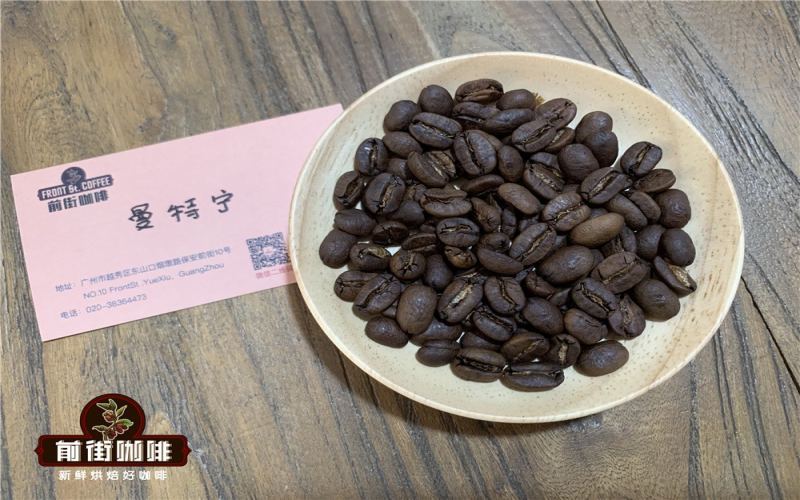
Deep Dive into Indonesian Coffee: Exploring Mandheling Flavor, Sumatra Origins, and the Wet-Hulled Processing Method
As a globally significant coffee-producing country, Indonesia is renowned for its Mandheling coffee from Sumatra, which boasts a uniquely bold, low-acid flavor profile. This article takes you through the legendary origins of Mandheling, the characteristics of Sumatra’s two core producing regions, the microclimate differences between Lintong and Lake Tawar, and an in-depth analysis of how Indonesia’s unique wet-hulled processing method contributes to its rich herbal and nutty notes. It also provides brewing recommendations and flavor profiles for both Lintong and Golden Mandheling—essential reading for anyone who loves Southeast Asian coffee flavors. [more…]
Analysis of Caturra Coffee Variety Characteristics and Flavors: A Bourbon Mutant Ideal for Pour Over — Planting and Brewing Recommendations
As a natural mutation of the Bourbon variety, Caturra stands out for its sun tolerance, high yield, and adaptability to a wide range of altitudes, making it a popular choice for coffee cultivation in Central and South America. This article delves into the origins of Caturra, its plant advantages, key growing regions, and through real flavor profiles and pour over brewing recommendations, helps you understand this specialty coffee variety suitable for medium-to-high altitude planting. Whether you’re a beginner or an advanced enthusiast, you’ll find practical insights here. [more…]
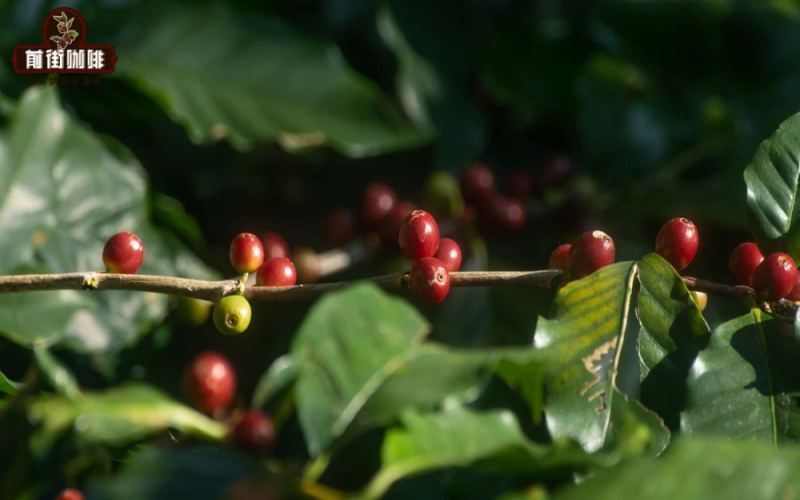
Guide to Pour Over Brewing with Yunnan Small-Bean Typica: Regional Characteristics, Varietal Differences, and Optimal Extraction Parameters
Yunnan coffee has evolved from being a raw material for instant coffee into a focal point of the specialty market. The evolution and varietal characteristics of its small-bean Arabica lineage are worth exploring in depth. This article focuses on the planting history of the Typica variety in the Lincang region, analyzing the genetic origins and flavor differences between Typica and Catimor, and provides a field-tested pour over brewing method for sun-dried Typica. From brew ratio and water temperature to a three-stage pouring rhythm, we’ll guide you in extracting cleaner, more layered flavors. [more…]
Pour over vs Americano: Big differences in flavor profile – A full breakdown of extraction differences and parameters with the same beans
Even when using single-origin specialty coffee beans, pour over and Americano can showcase completely different flavor profiles. This article takes you in-depth through practical testing to understand the principles and technique differences between the two brewing methods. Using a popular Ethiopian Yirgacheffe Huila Huashan (Huashan is the Chinese name for Huila, often referred to as "花魁" in Chinese market contexts) bean as an example, we detail the specific parameter settings, flavor expressions of pour over vs espresso (the base for Americano), and how to brew the most balanced Americano. Ideal for coffee enthusiasts looking to deepen their knowledge. [more…]

Analysis of Pour Over Coffee Filter Paper Materials: How to Choose Between White and Unbleached? With Size and Buying Tips
During the pour over coffee brewing process, filter paper is not only a tool for filtering impurities, but its material also directly affects the flavor of the coffee and your eco-friendly choices. The commonly available white bleached and unbleached natural-color filter papers each have their own characteristics in terms of production process, flavor performance, and environmental impact. This article will delve into the differences between the two types of filter paper, explain how to choose the right type based on your personal needs, and provide suitable scenarios for different sizes of filter paper to help you optimize your pour over experience. [more…]
What is the frog symbol on Jamaican Blue Mountain coffee wooden barrels? Rainforest Alliance certification and No. 1 flavor profile
The frog symbol on the wooden barrels of Blue Mountain coffee actually holds the secret to Rainforest Alliance certification. This article will take you deep into the legally defined production area restrictions of Blue Mountain coffee, its rigorous grading system, and the unique tradition of wooden barrel packaging. From the ecological certification of the Clifton Estate to the flavor characteristics of the No. 1 grade, it helps you fully grasp the key points of appreciating this world-class coffee. [more…]
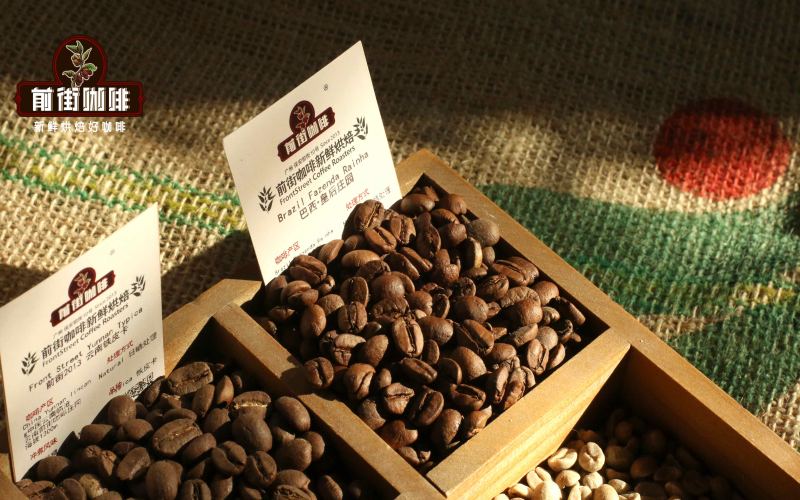
Complete Guide to Coffee Bean Roast Levels: Flavor Analysis & Optimal Pour Over Parameters
Understanding the roast level of coffee beans is the key first step to mastering a great cup of coffee. This article provides an in-depth analysis of eight roast stages—from light to dark—explaining the flavor characteristics, Agtron color values, and drop timing for each. It helps you determine roast depth from flavor descriptions, and offers practical parameters for grind size and water temperature for different roast levels when brewing pour over. Even without package information, you can precisely extract the ideal flavors. [more…]

A Complete Guide to Making Iced Pour Over, Cold Brew & Iced Drip Coffee: Parameters, Flavor Profiles & Shelf Life Explained
Want to enjoy a cup of clear-flavored iced coffee in the hot summer but not sure where to start? This article provides an in-depth analysis of the brewing methods for three popular types of iced coffee—iced pour over, cold brew, and iced drip—covering everything from coffee-to-water ratio, grind size, ice usage, to optimal drinking window and storage tips. It offers detailed parameters and practical advice to help you easily brew rich, layered iced coffee at home. [more…]
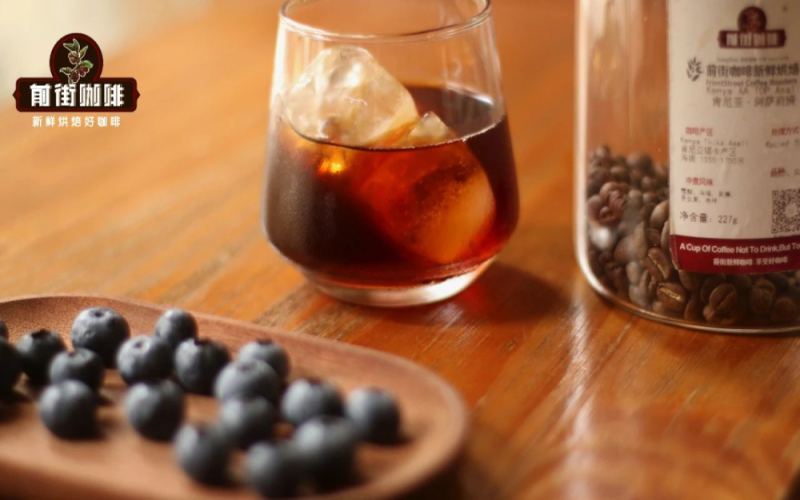
Cold Brew Coffee for Beginners: Ideal Bean Varieties, Flavor Profiles, and Diverse Brewing Methods
Cold brew coffee delivers a smooth, mellow taste with low acidity through a low-temperature, slow extraction method. It’s simple to make—just water and ground coffee, refrigerated overnight. This article explores the principles of cold brewing, how it differs from hot brewing, recommends ideal coffee bean varieties for cold brew, and extends creative variations such as adding sparkling water, milk, or alcohol to help you master this refreshing coffee drink suitable for summer or year-round enjoyment. [more…]
How to Choose Between Golden Mandheling and G1 Mandheling? A Complete Guide to Flavor Differences and Pour Over SOE Brewing Parameters
Mandheling coffee from Sumatra, Indonesia, is renowned for its rich herbal and spicy character, but many coffee beginners shy away due to its bitterness. In fact, Golden Mandheling from the same origin stands out with higher selection standards, offering a purer sweetness and a more rounded body. This article will explore the historical background from World War II and the wet-hulling process, analyzing the differences between G1 and Golden Mandheling in terms of grade, defect rate, and flavor. We’ll also provide practical brewing parameters for pour over, siphon, moka pot, and espresso SOE to help you choose the right one. [more…]