







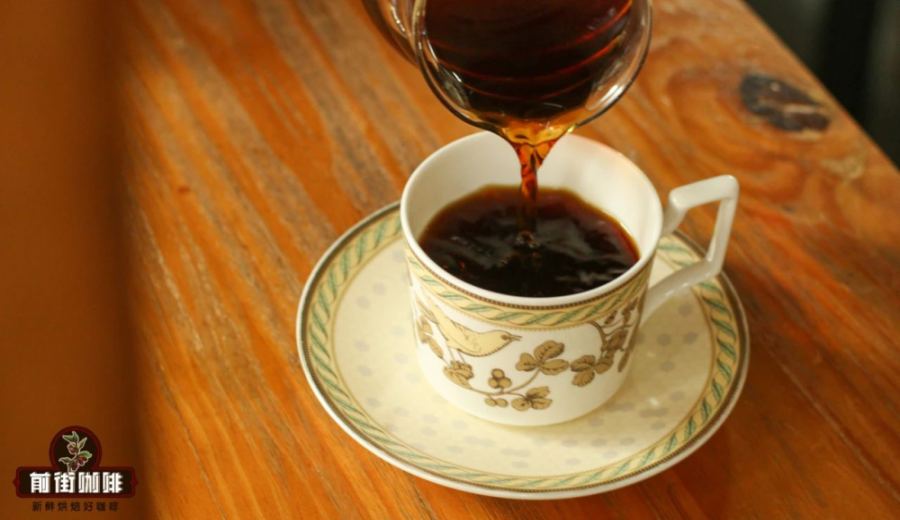
Introduction:Mandheling coffee is renowned for its rich, full-bodied flavor and low acidity, yet many people still have only a vague understanding of its origins and the varieties behind it. This article delves into the historical roots of Mandheling, the characteristics of the Typica variety, and how Sumatra’s unique wet hulling processing method shapes its classic flavor profile. It also introduces three popular types of Mandheling beans—including Golden Mandheling, Tiger Mandheling, and Lintong Mandheling—along with detailed brewing recommendations and flavor characteristics to help you find the Mandheling that best suits your taste.
In the world of coffee, Mandheling is an instantly recognizable name, beloved by many coffee enthusiasts for its bold, low-acid profile. However, Mandheling does not refer to a specific origin or a single coffee variety. Instead, its name stems from a linguistic misunderstanding during World War II. Understanding the origins of Mandheling not only adds to the enjoyment of drinking it but also helps you better appreciate its distinctive flavors.
Origin of the Name: From Ethnic Group to Coffee Synonym
Mandheling is actually a mispronunciation of the name of Indonesia’s “Mandheling ethnic group.” Legend has it that during World War II, a Japanese soldier drank an exceptional cup of coffee at a café in Indonesia. When he asked the shop owner for the name of the coffee, due to the language barrier, the owner misunderstood the question as asking where he was from and answered “Mandheling ethnic group.” After the war, the soldier brought this coffee back to Japan, where it became hugely popular, and the name “Mandheling” has endured to this day. Nowadays, when people mention Mandheling, they usually think of the classic coffee flavors from Sumatra, Indonesia.
The Connection Between Mandheling and the Typica Variety
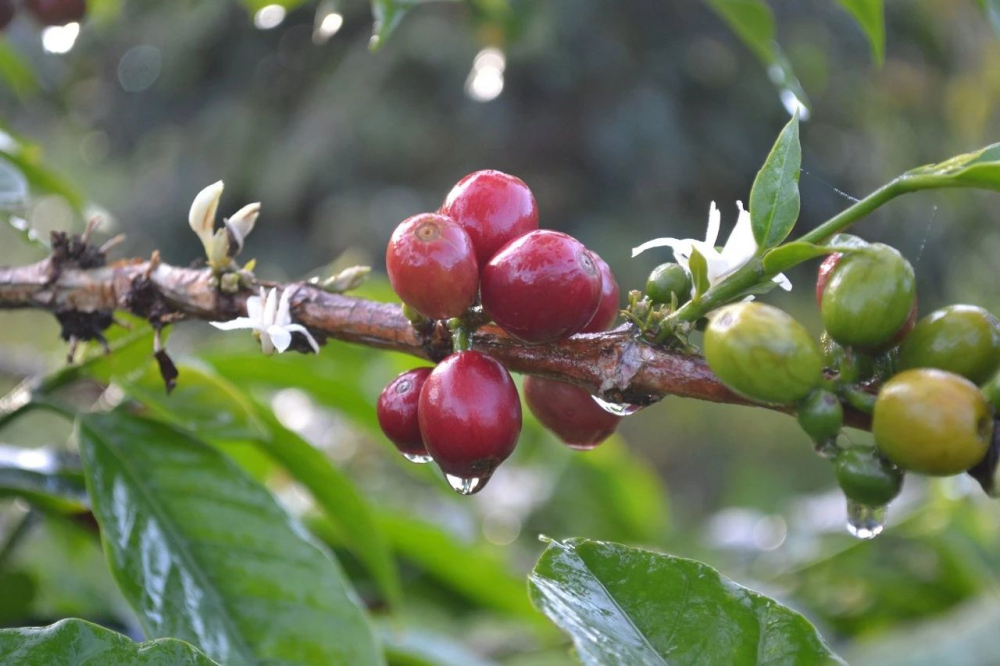
Common Mandheling coffees, such as Golden Mandheling, primarily use the Typica variety. Typica is one of the oldest Arabica varieties, known for its delicate and clean flavors, though it comes with several limitations. It is susceptible to disease, particularly leaf rust, yields are relatively low, and it requires specific altitudes and growing conditions. Despite these drawbacks, Typica offers clear, soft acidity and, when paired with the right processing method, can produce layered and nuanced flavors.
Typica trees are relatively tall, reaching up to five meters, with a conical canopy and bronze-tipped top leaves, one of the variety’s distinctive features. Its beans are oval or slightly pointed, large and prominent. This variety was first introduced to Asia by the Dutch in the 17th century and was once planted in places like Java and Sumatra. However, due to the ravages of leaf rust, it was gradually replaced by more disease-resistant Robusta. Still, small plantings of high-quality Typica can still be found in certain parts of Indonesia.
Wet Hulling: The Key to Shaping Mandheling’s Flavor
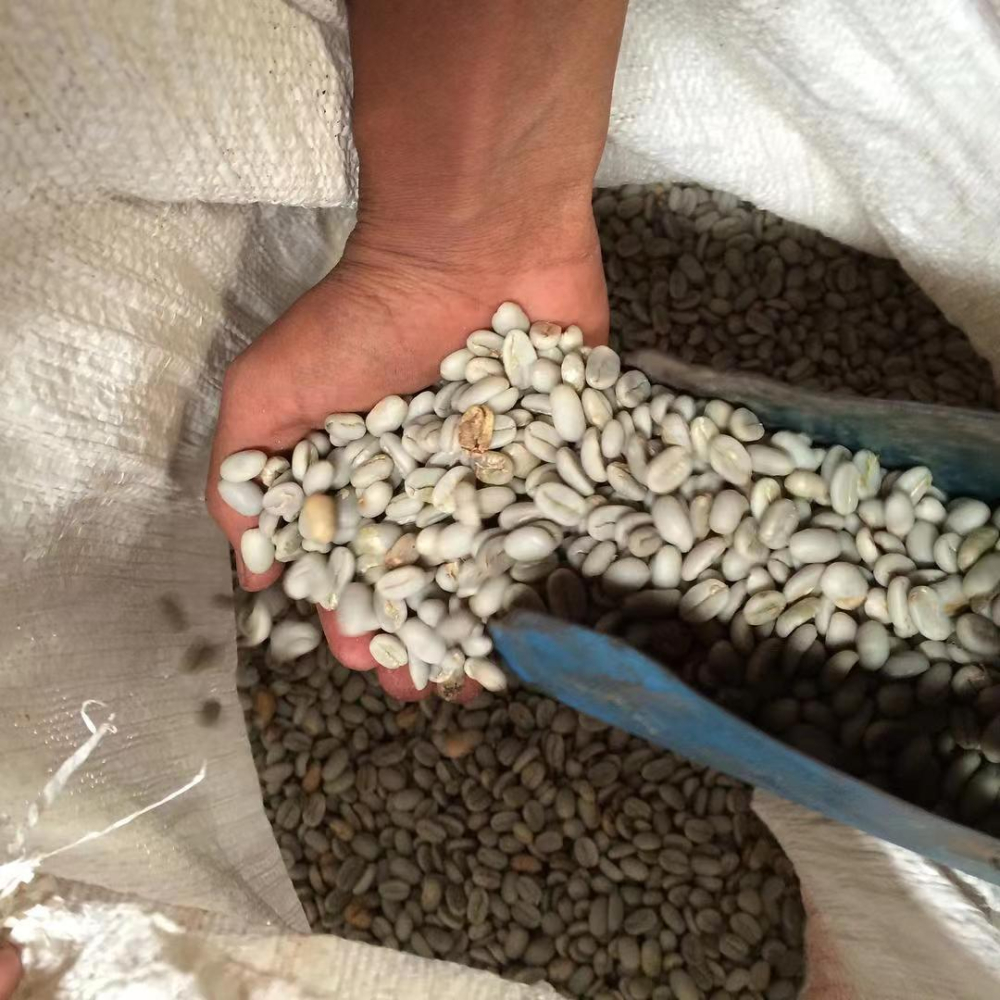
The reason Mandheling from Sumatra boasts such a distinctive personality—rich, bold, low in acidity, and with earthy and herbal notes—is closely tied to the region’s commonly usedwet hulling process (Wet Hulling). This method was developed in response to Sumatra’s rainy, humid climate and economic and technical constraints.
The process generally involves: first removing the coffee fruit's skin and pulp, then fermenting it briefly for about three hours, followed by initial drying to around 30%-50% moisture content (semi-dry state). Next, the mucilage layer and part of the parchment are removed, and drying continues until the moisture level drops to 12%-13%. Because the outer layers are removed before the bean is fully dry, the resulting coffee has a bolder flavor, rich and full-bodied with distinctive earthy and spicy undertones.
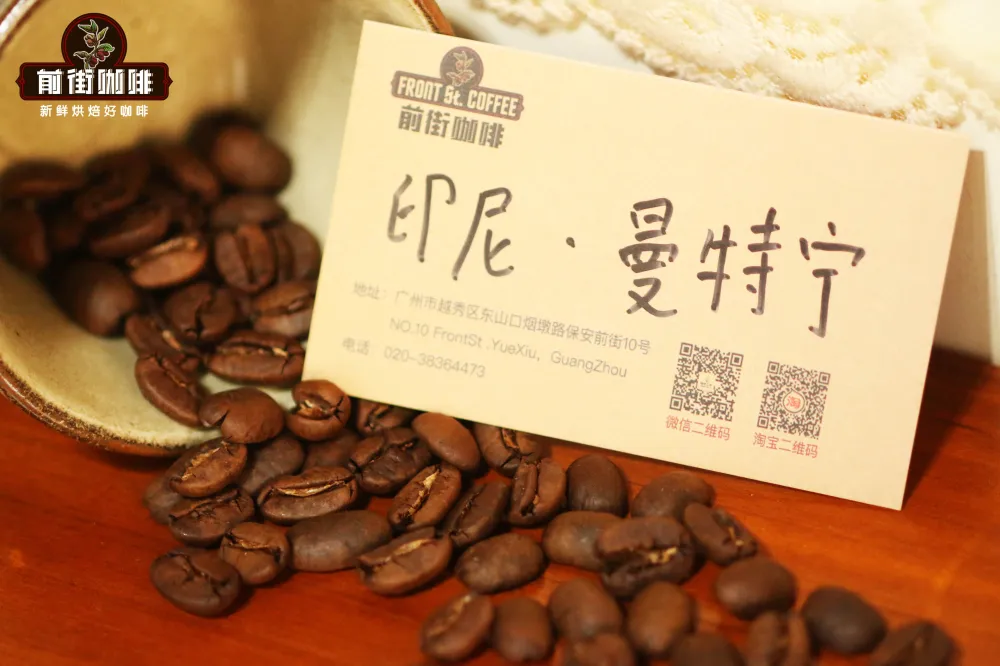
While wet hulling is the most iconic processing method for Mandheling, in recent years some producers have experimented with sun-drying and other methods to bring out different flavor profiles—such as versions with more pronounced fruitiness and sweetness—offering consumers more diverse choices.
Flavor Profiles of Three Popular Mandheling Varieties
Currently, common Mandheling offerings on the market include Golden Mandheling, Tiger Mandheling, and Lintong Mandheling, each with its own unique flavor expression and target audience.
Golden Mandheling (Golden Mandheling)
Classified as high-quality G1 grade, it is carefully selected with beans larger than eighteen mesh and fewer than three defects. Golden Mandheling is meticulously screened to remove off-flavors, delivering a cleaner and brighter taste. Its flavors mainly include nuts, spices, licorice, dark chocolate, and caramel, with notable sweetness and a long aftertaste. This coffee is typically produced by PWN Company and is widely recognized as the authentic representative.
Tiger Mandheling (Tiger Mandheling)
Mainly a blend of Catimor and Typica varieties, with beans larger than seventeen mesh and a defect rate below 4%. Tiger Mandheling has a more balanced flavor, featuring bright acidity from citrus and lemon, alongside creamy and dark chocolate richness. It has a clear sweetness and overall clean, distinct profile, making it suitable for drinkers who enjoy complex flavor layers.
Lintong Mandheling (Lintong Mandheling)
Produced in the Lintong region of Sumatra, its beans are larger and harder. Although the defect rate is slightly higher, careful selection still brings out rich herbal, chocolate, and caramel flavors. With a well-balanced overall taste, it’s an economical choice for experiencing the classic Mandheling flavors of Sumatra.
Who Is Mandheling For?
Mandheling’s bold, low-acid character makes it especially suitable for drinkers who prefer intense flavors and are not fond of highly acidic coffee. Its flavor profile is often described as the “taste of an old man”—rich and layered, appealing to coffee lovers who enjoy deep notes like dark chocolate, spices, and herbs. It’s also recommended for beginners who are new to single-origin coffee and want to experience classic Indonesian flavors.
Brewing Recommendations and Parameters
Since Mandheling is often medium to dark roasted, using a KONO filter cone is recommended to enhance the roundness and body of the cup. During brewing, a medium-fine grind (approximately 75% passing through a Chinese standard 20-mesh sieve) is advised, with water temperature controlled at88-89°C, a powder-to-water ratio of1:15, and a blooming time of about25 seconds, for a total extraction time of around2 minutes.
The specific steps are as follows:
1. First, pour double the amount of water (e.g., 30g of coffee with 30g of water) for blooming, lasting 25 seconds;
2. Then, pour water in small circles to reach 125g for the first pour;
3. Continue pouring to 225g, then stop and wait for the drips to finish;
4. Starting from the initial pour, the total extraction time is recommended to be 2 minutes;
5. Finally, swirl the coffee liquid before pouring into the cup for a more uniform flavor.
If you’ve pre-ground the coffee, it’s best to use it promptly to avoid aroma loss affecting the flavor. Freshly ground and brewed is the way to fully experience Mandheling’s layers and charm.
Conclusion
Mandheling coffee is more than just a representation of a single flavor—it embodies the essence of history, region, and processing methods. From the selection of the Typica variety to the unique craftsmanship of the wet hulling process, to the subtle differences showcased by various regions and farms, every cup of Mandheling tells the story of Indonesian coffee. Whether you prefer bold, rich flavors or are a newcomer eager to explore classic profiles, Mandheling is definitely worth a try.
The above content is compiled by CoffeeHunters, a coffee news website.


