







Category: Coffee Knowledge
How Does Bitterness in Dark Roast Coffee Arise? A Pour Over Extraction Guide and Flavor Analysis
Bitterness in coffee is often misunderstood as a flaw, but it is actually a key element of dark roast flavors. This article delves into the science of roasting behind bitterness generation—from the first crack stage to caramelization reactions—to help you understand how dark roast beans develop complex aromas of nuts, chocolate, and caramel. It also provides practical pour over tips, using Golden Mandheling as an example, to teach you how to extract a rich yet non-astringent coffee experience through water temperature, grind size, and pouring techniques. [more…]
Analysis of Acidity in Colombian Coffee | Regional Terroir, Grading System, and Flavor Profiles of Geisha and Maragogype
Colombian coffee is renowned for its bright acidity and smooth mouthfeel, with its unique flavor profile stemming from its geographical environment and rigorous grading system. This article delves into the sources of acidity in Colombian coffee, introduces how the FNC association ensures quality, analyzes the characteristics of regions such as Huila, and provides a detailed look at the flavor profiles and brewing recommendations for specialty beans like Geisha and Maragogype, helping you gain a more comprehensive understanding of the allure of coffee in this "kingdom of green gold." [more…]
Flavor Analysis of Colombian Rose Valley Coffee: How Volcanic Soil and Anaerobic Processing Create Captivating Aromas?
Colombian Rose Valley coffee is renowned for its distinctive flavors of ripe peach, cranberry, liqueur-filled chocolate, and rose blossoms, attracting many coffee enthusiasts to try it. Where do these captivating flavors come from? Are they artificially flavored? This article delves into the growing environment, varietal characteristics, and the increasingly popular anaerobic enzymatic washed processing technique, analyzing the true reasons behind the aromas, and providing practical V60 pour over parameters to help you brew a well-balanced, sweet-and-acidic specialty coffee at home. [more…]

Ristretto Espresso Guide: Extraction Methods, Coffee Bean Pairings & Flavor Analysis
Ristretto is a more concentrated and flavor-focused Italian-style coffee than traditional espresso, ideal for coffee lovers who enjoy intense taste profiles. This article delves into the definition of Ristretto, how it differs from espresso, and provides two practical extraction methods. It also recommends two blends perfect for making Ristretto, helping you master the key techniques and flavor characteristics of this refined small cup of coffee. [more…]

The Key to Pour Over Grind Size: Understanding the 20-Mesh Sieve and Golden Cup Extraction Parameters
The flavor of a pour over coffee is often set from the very beginning by the grind size. How can you adjust the grind based on the beans’ characteristics to avoid over-extraction or under-extraction? This article delves into the impact of 20-mesh sieve passing rate on extraction, introduces the principles and practical applications of the Golden Cup extraction standard, and shares a complete brewing parameter example using Colombian Rose Valley beans, helping you master pour over techniques step by step. [more…]
Cold Brew Coffee Making Guide: A Complete Tutorial on Grind Size, Water-to-Coffee Ratio, and Steeping Time
Want to easily make rich-flavored, low-bitterness cold brew coffee at home? This guide will dive deep into the characteristics of cold brew coffee, key brewing parameters including the ideal water-to-coffee ratio, grind size, and optimal steeping time, and analyze how it differs from hot brewed coffee. Additionally, we’ll share the historical origins of cold brew and the types of coffee beans that work best, helping you go from beginner to expert and craft your own perfect iced coffee. [more…]
The History of Costa Rica’s Coffee Industry & Brewing Guide for Honey-Processed Mozart Beans
Dive into how Costa Rican coffee evolved from a highland crop in the late 18th century to a leader in the global specialty coffee market. This article details the century-long development of the country’s coffee industry, analyzes how the honey process—introduced in 2006—shaped its distinctive sweetness and berry notes, and guides you through the key pour over parameters and flavor profile of Costa Rica’s honey-processed Mozart beans. [more…]
Complete Guide to Pour Over Brewing of Indonesian Golden Mandheling: Deep Roast Extraction Techniques and Optimal Flavor Parameters
Indonesian Golden Mandheling is widely loved for its rich, full-bodied flavor with notes of caramel and herbs. However, its dark roast profile can also make it prone to bitterness when brewed using pour over methods. This article provides an in-depth analysis of the Golden Mandheling bean variety and its wet-hulled processing method, along with practical pour over brewing recommendations — including coffee-to-water ratio, grind size, water temperature, and a three-stage pouring technique — to help you avoid excessive bitterness and bring out its sweet complexity and balanced mouthfeel. [more…]
A Comprehensive Comparison of COE and SCA Cupping Standards: Scoring Details and Specialty Coffee Grading Guide
Have you ever wondered what makes a cup of coffee qualify as 'specialty'? Beyond origin and processing methods, cupping scores are the key. This article delves into the globally recognized cupping systems — COE (Cup of Excellence) and SCA (Specialty Coffee Association) — breaking down their scoring criteria in detail. We’ll explore factors such as cleanliness, sweetness, acidity, mouthfeel, and balance, dissecting the logic behind the scoring and the rules for defect deductions. We’ll also explain what scores like 80 and 85 truly mean, helping you choose high-quality coffee more professionally. [more…]
Analysis of Costa Rica Gesha Blend Beans | Complete Guide to Millesu Estate Flavors and Pour Over Parameters
These Costa Rica Tarrazú Millesu Estate Gesha blend beans combine four major varieties: Gesha, ET47, SL28, and MAICO. Processed with the raisin honey method, they showcase intense floral and fruity aromas along with sweet layered flavors. This article provides an in-depth exploration of their varietal origins, processing methods, and medium-light roast flavor profiles, along with professional pour over recommendations to help you fully experience the captivating notes of rose, strawberry gummy, and almond. [more…]
The Ultimate Guide to Coffee Grind Sizes: Precise Parameter Comparison for Four Major Brewing Methods – Pour Over, French Press, Cold Brew, and Espresso
From sour and astringent imbalance to rich and balanced flavors, the key to coffee flavor often lies in the coarseness of the grind. This article delves into the ideal grind ranges for four mainstream brewing methods—pour over, French press, cold brew/ice drip, and espresso. It teaches you how to precisely calibrate the fineness of coffee grounds using a standard #20 sieve, and provides practical parameter references for beans of different roast levels, helping you easily adjust to achieve the optimal extraction. [more…]
A Comprehensive Guide to Costa Rica Honey Processed Coffee: Regional Characteristics, Flavor Quality, and Estate Experiences
The honey processing method in Costa Rica is a highlight in the global specialty coffee scene. Combining high altitudes with volcanic soils, it produces richly sweet and full-bodied flavors. This article delves into the geographical advantages of key producing regions, details of the honey processing techniques, and the unique secrets of renowned estates—offering practical insights from green bean characteristics to brewing recommendations. Whether selecting beans or planning a coffee trip, you’ll find valuable guidance here. [more…]
Costa Rica Brunca Region Blueberry-Flavored Coffee: A Complete Guide to Anaerobic Honey Processing
This article will take you on an in-depth journey into the geographical background and climate conditions of Costa Rica’s Brunca Region, as well as how Jade Mountain Estate creates a specialty coffee with the sweet taste of blueberry taffy and a refreshing mint finish through anaerobic honey processing. From the altitude of the growing region and microclimate to the details of the processing method, we offer a comprehensive breakdown of the secrets behind this limited-edition summer flavor, along with practical reference information. [more…]
How to Determine the Freshness of Green Coffee Beans? A Complete Guide to Flavor and Shelf Life | Essential Read for Beginners
The flavor of coffee comes not only from roasting techniques but also largely depends on the freshness of the green beans. From freshly harvested new-season beans to aged beans stored for years and special vintage lots, each stage has its unique flavor characteristics and ideal usage scenarios. This article takes an in-depth look at the shelf life of green coffee beans, analyzes how flavor changes at different stages of storage, and provides practical preservation tips and bean selection advice to help you better understand how to choose and store high-quality green beans. [more…]
A Comprehensive Analysis from Acidity to Bitterness: Flavor Profiles and Recommended Brewing Methods for Coffee Beans from Seven Major Origins
Choosing coffee beans that suit your taste is the first step into the world of coffee. This article categorizes seven representative types of coffee beans along a spectrum from higher acidity to lower acidity, and from brighter to deeper flavors. These include Ethiopian natural, Costa Rica honey process, Brazil pulped natural, Indonesian wet-hulled, and classic Italian espresso blends. For each, we describe their flavor characteristics, recommended brewing methods, and suitable audiences to help you find your perfect match. [more…]

How to brew a Lungo and a Long Black? Key differences from Americano and brewing parameter analysis
Although both the Lungo and Long Black originate from espresso, they are often mistaken for an Americano. In reality, they each have their own nuances in brewing methods, coffee-to-water ratios, and flavor profiles. This article delves into the core differences among the three—from extraction principles and ratio settings to actual flavor experiences—and uses the Sunflower Warm Sun blend as an example to show you how the same coffee beans can present completely different flavor profiles based on brewing techniques. [more…]

How to brew washed and natural Yirgacheffe using pour over? A guide to parameter settings and flavor profiles
Yirgacheffe is an entry-level specialty coffee for many beginners, with washed and natural processing methods offering distinctly different taste experiences. This article delves into the characteristics and differences of the two processing methods, and provides detailed brewing guidelines—including grind size, filter choice, water temperature recommendations, and brew ratio—for two specific beans: the washed Guji Dingding Cooperative and the natural Aletaland Red Cherry, both offered by a well-known café. These tips will help you easily extract either a bright and refreshing or richly sweet Yirgacheffe cup. [more…]

Beginner's Guide to Pour-Over Coffee Bags: Brand Recommendations, Brewing Techniques, and Optimal Flavor Parameters
Pour-over coffee bags combine the flexibility of pour over brewing with the convenience of instant preparation, making them a top daily choice for many coffee enthusiasts. But with so many products on the market, how do you choose? What water temperature and brewing time will extract the best flavors? This article will delve into the drip filtration principle behind pour-over coffee bags, guide you through the correct brewing methods, and recommend four distinctive single-origin options—from washed Yirgacheffe to Indonesian wet-hulled beans—to help you master the brewing essentials and enjoy a cup with distinct layers and balanced flavors. [more…]
Analysis of the Flavors of Brazil’s Three Classic Coffee Varieties | Red Bourbon, Yellow Bourbon & New World Pour Over Recommendations
Brazil is the world’s largest producer of Arabica coffee, renowned for its full-bodied, low-acid beans with notes of chocolate and nuts. This article delves into Brazil’s three most representative coffee varieties—Red Bourbon, Yellow Bourbon, and New World—analyzing their historical origins, flavor profiles, and suitable brewing methods. Based on actual cupping experiences, we also provide pour over parameter recommendations for medium-dark roasts, helping you better understand the unique charm of Brazilian coffee. [more…]
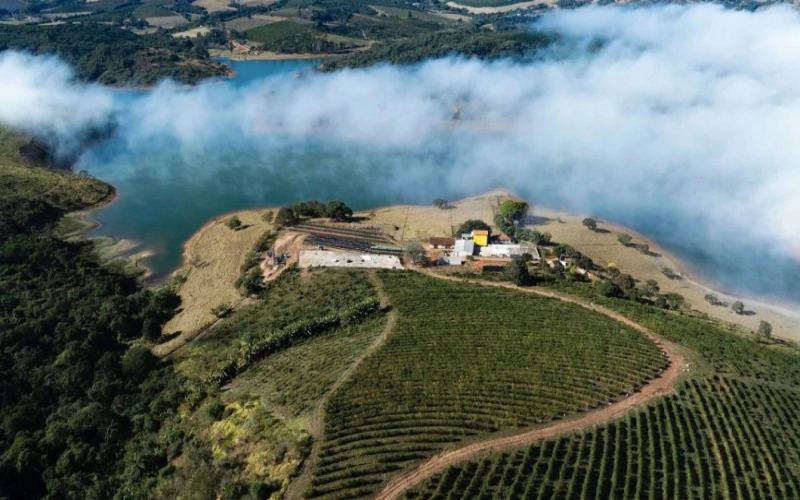
How to Choose Brazilian Yellow Bourbon Coffee Beans? A Comprehensive Guide to High-Altitude Regions & Honey Process Flavors
Want to understand the flavor essence and cultivation secrets of fine Brazilian coffee? This article takes you deep into three high-altitude regions—South Minas, Cerrado, and Mogiana—to explore the unique variety characteristics of Queen Estate Yellow Bourbon, and explains in detail how the honey processing method enhances the coffee’s sweetness and cleanliness. It also provides practical pour over parameters and flavor descriptions, making it a complete guide for coffee enthusiasts new to Brazilian beans. [more…]