







Introduction:Yunnan coffee has evolved from being a raw material for instant coffee to becoming a focal point in the specialty market. The evolution and characteristics of its Typica variety are worth exploring in depth. This article focuses on the planting history of Typica in Lincang, analyzes the genetic origins and flavor differences between Typica and Catimor, and provides a field-tested effective pour over brewing method for sun-dried Typica. From the coffee-to-water ratio and water temperature to a three-stage pouring rhythm, it will guide you to extract cleaner flavors with more layers.
When it comes to Yunnan coffee, most people used to associate it with instant coffee ingredients. But now, in the specialty market, coffee from this region stands out with a variety of unique processing methods, showcasing unprecedented flavor potential. However, what should the true profile of Yunnan coffee be? Especially regarding the commonly seen Typica and Catimor, aside from their names, how do they differ in terms of planting history, genetic background, and final cupping performance?
The history of Yunnan coffee dates back to 1904, when French missionary Téodore Monod planted the first coffee tree in Dali, marking the beginning of coffee cultivation on the Chinese mainland. The initial variety planted was Typica, an ancient Arabica variety originating from Ethiopia and southeastern Sudan, known for its reddish-copper-colored top leaves and also referred to as "red-leaf coffee." However, over time, Typica gradually fell out of favor in the market and was replaced by Catimor, which was introduced from Brazil.
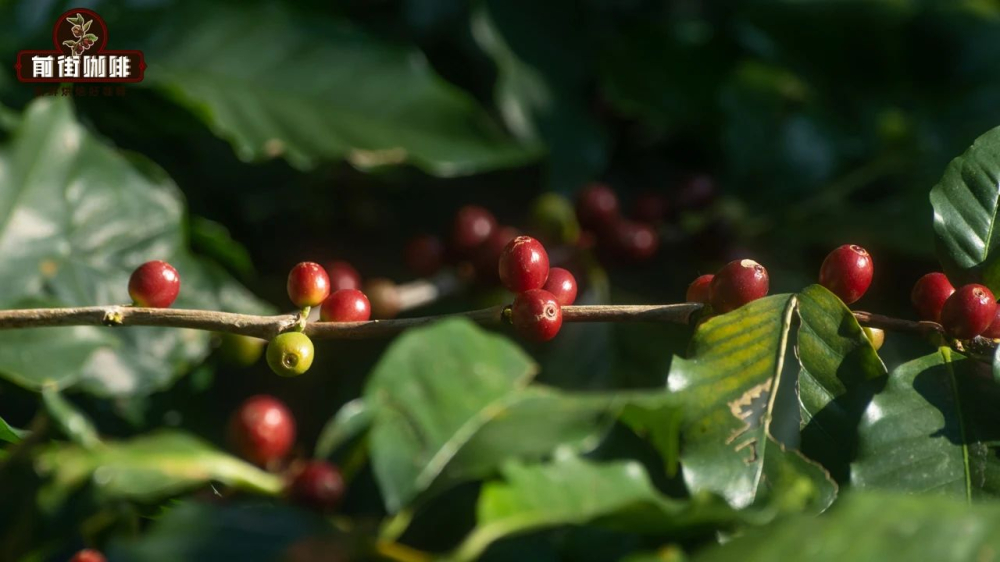
Catimor is actually a hybrid of Arabica and Robusta, containing approximately 25% Robusta genetics. This gives it strong disease resistance, high yield, and high oil content, making it very suitable for large-scale cultivation. However, due to this genetic makeup, its flavor profile is generally less nuanced than that of pure Arabica. In Yunnan, Catimor often exhibits flavors of nuts, brown sugar, and plums, but overall clarity is slightly lacking — which is why the specialty coffee community favors Typica more.
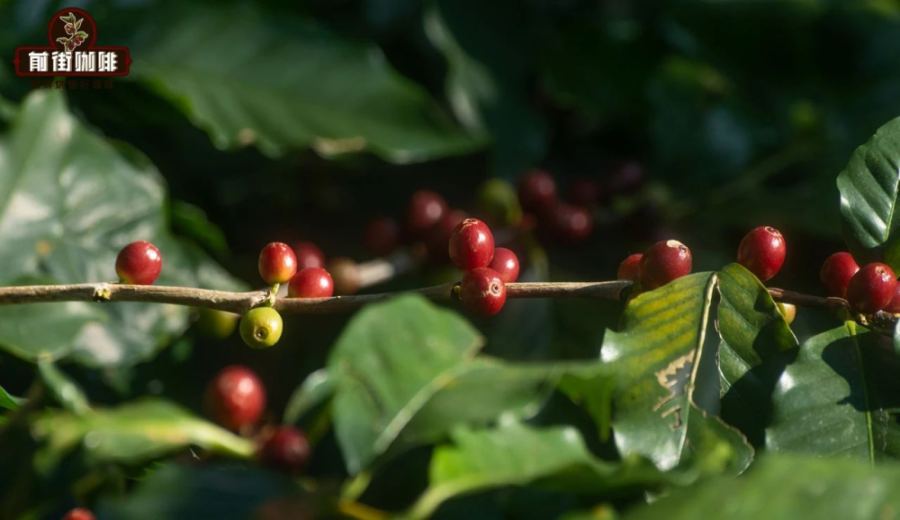
Since 2014, Typica has been grown in Lincang, Yunnan, bringing back the original charm of this variety. Although Typica has low yields and is challenging to cultivate, its flavor performance is quite outstanding — with delicate acidity, a hint of sweet licorice-like notes, and moderate body. Though not intense, its overall balance is excellent. More importantly, with appropriate processing methods, its subtle fruit acids and aromatic layers can be fully expressed.
Take sun-dried processing as an example. After harvest, carefully selected coffee cherries from Lincang’s Typica are slowly fermented under the sun. The sugars in the pulp and mucilage gradually seep into the seeds, accompanied by mild fermentation, giving the beans a rounder mouthfeel and fermented aromas. After roasting, these beans often present bright plum-like acidity, black tea-like texture, and a lingering sweetness reminiscent of brown sugar in the aftertaste.
So, how can you brew Yunnan Typica to bring out its most captivating qualities? Below are field-tested recommended parameters and steps, suitable for most V60 filter cone users and adjustable according to personal taste preferences.
Basic parameter recommendations:
• Coffee dose: 15 grams (adjustable based on cup size)
• Coffee-to-water ratio: 1:15 (can be adjusted to 1:16 if you prefer a cleaner flavor)
• Water temperature: 88°C (helps soften acidity and avoid excessive sharpness)
• Grind size: Medium grind (approximately 78% passing through a #20 Chinese sieve, similar to the texture of fine sugar)
• Filter cone: V60 (or other medium-hole filter cones of the same type)
Three-stage pouring technique:
1. Start by pouring 30 grams of water for the bloom, for about 30 seconds, to help release CO₂ and initiate extraction.
2. Then pour water in small circles, and when the total water volume reaches 125 grams, pause briefly for a split pour — at this point, the water level will begin to drop.
3. When the water level is about to expose the coffee bed, pour again to reach a total of 225 grams. Then wait for the water level to naturally drop until it is about to expose the coffee layer before removing the filter cone to end extraction.
4. The total brewing time is recommended to be around 2 minutes and 10 seconds.
This brewing setup balances sweetness and acidity, avoids over-extraction or under-extraction, and highlights the clean and delicate characteristics of Typica. If you prefer a richer taste, you can slightly increase the water temperature to 90°C or raise the coffee-to-water ratio to 1:14; if you prefer a lighter and fresher flavor, lower the temperature to 86°C and shorten the brewing time.
In summary, the transformation of Yunnan coffee reflects not only market trends but also the combined influence of variety and processing methods. Understanding the differences between Typica and Catimor, and mastering the right brewing parameters, you too can easily brew the unique charm of this highland Arabica variety at home.
The above content is compiled by CoffeeHunters, a coffee news website.


