







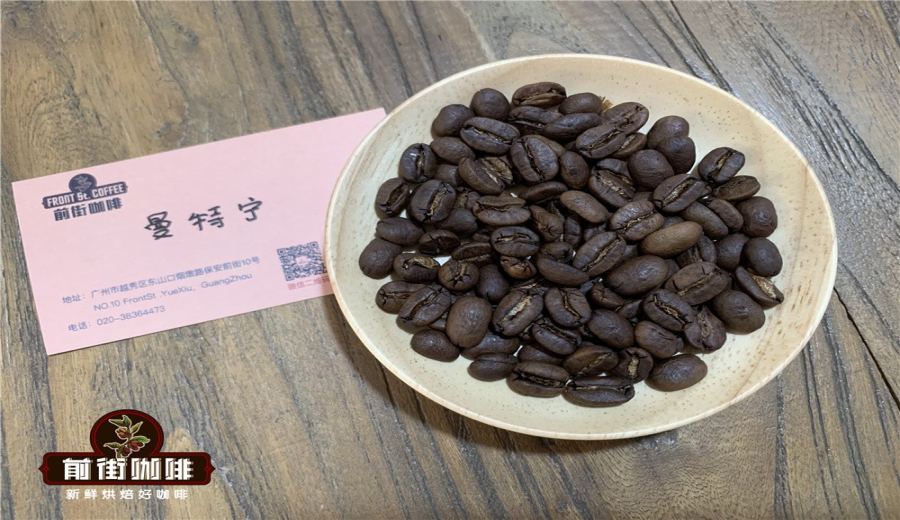
Introduction:As a globally significant coffee-producing country, Indonesia is renowned for its Sumatran Mandheling coffee, which is famous for its unique rich, low-acid flavor profile. This article will take you through the origin legend of Mandheling, the characteristics of Sumatra’s two core producing regions, the microclimate differences between Lintong and Lake Tawar, and an in-depth analysis of how Indonesia’s unique wet-hulling processing method creates its bold herbal and nutty notes. It also provides brewing suggestions and flavor profiles for both Lintong and Golden Mandheling, making it an essential beginner’s guide for readers who enjoy Southeast Asian coffee flavors.
When it comes to Indonesian coffee, “Mandheling” is almost the first impression that comes to mind for most people. These coffee beans from Sumatra are known for their deep, rich flavors with complex notes of pine, herbs, nuts, and caramel. Compared to the bright acidity and fruity notes of other regions, Mandheling offers a bold, full-bodied taste and a highly distinctive aftertaste, making it the representative of “Asian flavor” in the hearts of many coffee enthusiasts.
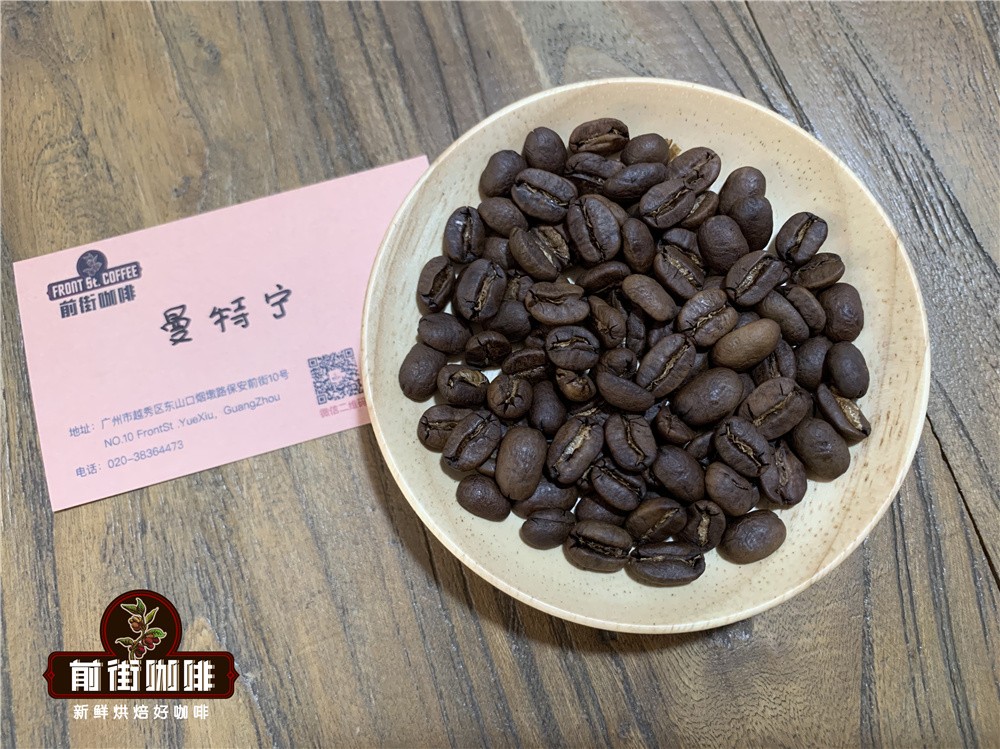
Interestingly, the name “Mandheling” actually stems from a historical misunderstanding. During World War II, a Japanese soldier in Indonesia tasted a cup of richly flavored coffee and asked the shopkeeper about the bean variety. Due to a language mix-up, he misheard the local ethnic group “Mandailing (Mandheling)” as the name of the coffee. After the war, the soldier, still longing for that coffee, commissioned another search, and thus the name “Mandheling” spread and became synonymous with high-quality Sumatran coffee.
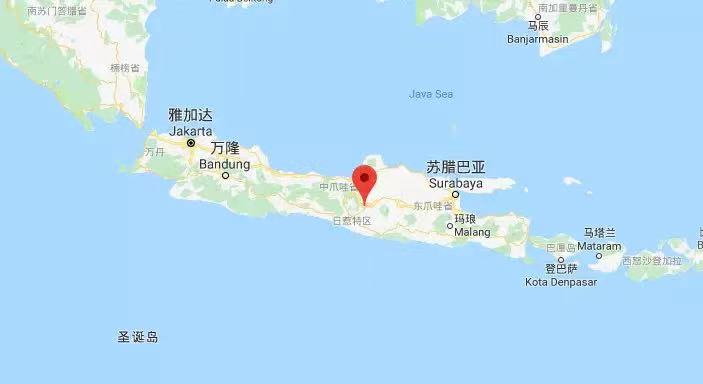
Indonesia’s coffee cultivation history dates back to the 17th century when Dutch colonists made their second attempt to introduce coffee to Indonesia in 1699 and exported coffee to Europe for the first time in 1711. The initial plantings were concentrated on Java Island before later expanding to Sumatra. However, late 19th-century coffee leaf rust devastated the local Arabica coffee, forcing farmers to switch to more disease-resistant varieties such as Robusta and later hybrid varieties like Catimor.
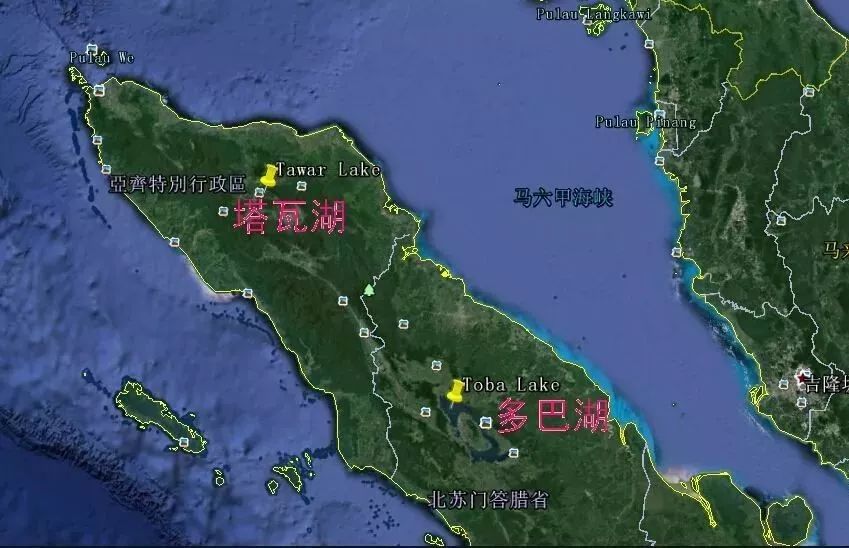
As the main coffee-producing region in Indonesia, Sumatra’s high-quality coffee is concentrated in the north, particularly in Aceh Province and North Sumatra Province. These two provinces each have well-known volcanic lakes: Lake Tawar in Aceh and Lake Toba in North Sumatra. The highland areas surrounding these lakes are situated at elevations of approximately 1,400 to 1,600 meters, coupled with a tropical rainforest climate and fertile volcanic soil, providing an ideal growing environment for coffee trees.
The Lintong region, located south of Lake Toba, is a well-known and historically significant coffee hub in Indonesia and the source of many everyday-grade Mandheling beans. Coffee from this area typically features strong spicy and herbal notes with an intense flavor profile. However, in recent years, the planting of many new varieties to boost yield has slightly reduced overall flavor consistency. In contrast, the Lake Tawar area in Aceh, due to its more remote geography and previously unstable political situation, has preserved many traditional Typica heirloom trees, resulting in higher-quality coffee.
Lintong Mandheling often exhibits slight batch-to-batch flavor variations due to inconsistent harvesting and processing quality control, but it remains an economical choice for experiencing the characteristics of Sumatran coffee. Golden Mandheling, on the other hand, is carefully selected by Indonesia’s major exporter PWN, using only Grade G1 green beans that undergo four rounds of manual sorting to ensure uniformity in bean size, shape, and appearance. The result is a cleaner and brighter flavor profile, making it a more premium choice among Mandheling coffees.
The most well-known processing method in Indonesian coffee is undoubtedly “wet-hulling” (Giling Basah). This technique was developed in response to Indonesia’s hot and rainy climate. Traditional washed processing requires long periods of sun drying, which is difficult to achieve in Indonesia’s humid environment. Therefore, after removing the coffee fruit pulp and fermenting to remove the mucilage, farmers hull the parchment layer (the inner skin) while the beans are still in a semi-dry state, significantly shortening the drying time. However, this also leaves unique indentations and deformations on the surface of the green beans, commonly referred to as “elephant foot beans.” This is not a defect but a typical characteristic of this process.
The most distinctive feature of wet-hulling is its ability to reduce the coffee’s acidity while enhancing body and sweetness, giving Mandheling its low-acid, bold profile with woody, spicy, and nutty notes. Although this processing method may seem rough, it is key to shaping the unique personality of Indonesian coffee.
In terms of varieties, Mandheling originally started with the Arabica Typica variety, an ancient type with bronze-tipped leaves, slender beans, clean flavors, but low yield and susceptibility to disease. However, with the onslaught of coffee leaf rust in the late 19th century, many Typica plants died, and farmers gradually switched to more disease-resistant varieties such as Catimor and Tim Tim. Catimor, a hybrid descendant of Bourbon Caturra and Timor, is often criticized for lacking refined flavors, but in Sumatra’s unique environment, it exhibits bold woody tones and a full-bodied taste, becoming one of the mainstream varieties in the region.
If you want to brew Mandheling at home, it is recommended to use a dark roast and pay attention to controlling extraction to avoid over-extraction, which can lead to excessive bitterness. It is recommended to use a KONO filter cone, with medium-coarse grind (about 75% passing through a Chinese standard No. 20 sieve), water temperature around 88°C, a coffee-to-water ratio of 1:15, and a coffee dose of 15 grams. Begin with a 30-second bloom using 30 grams of water to help release gases, then pour in two stages up to 125 grams and 225 grams, keeping the total extraction time around 2 minutes. This method fully highlights Mandheling’s rich body and low acidity, resulting in a more balanced flavor.
[Lintong Mandheling Coffee Flavor Profile]
Herbal, chocolate, caramel — overall well-balanced, with a rich and full-bodied taste, suitable for everyday drinking.
[Golden Mandheling Coffee Flavor Profile]
Nutty, spicy, herbal, licorice, chocolate, and caramel with layered complexity, offering a cleaner and brighter taste profile — an advanced choice among Mandheling coffees.
The above content is compiled by CoffeeHunters, a coffee news website.


