







Introduction:During the pour over brewing process, the filter paper is not only a tool for filtering out impurities—its material directly affects the flavor of the coffee and your choice in sustainability. The commonly available white, bleached filter papers and unbleached, natural-color ones each have distinct characteristics in terms of manufacturing process, flavor impact, and environmental effects. This article will delve into the differences between these two types of filter paper, explain how to choose the right one based on your personal needs, and provide usage scenarios for different sizes to help you optimize your pour over experience.
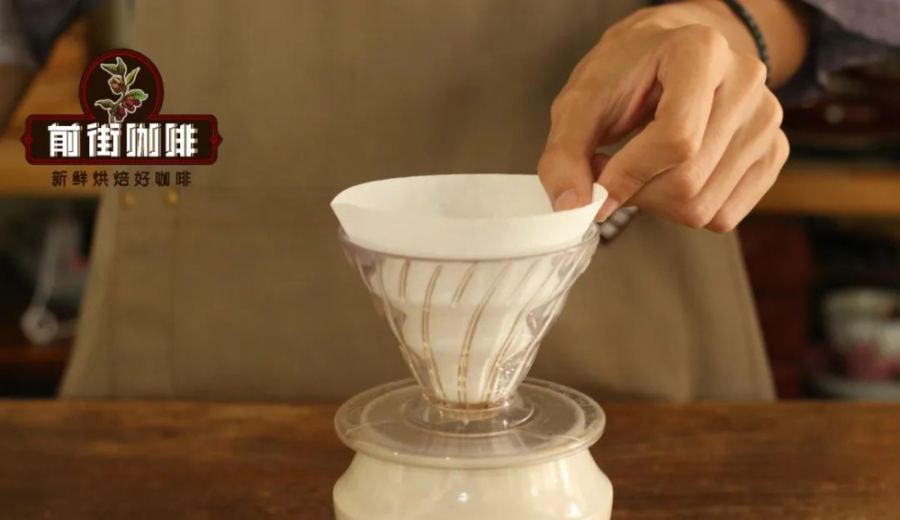
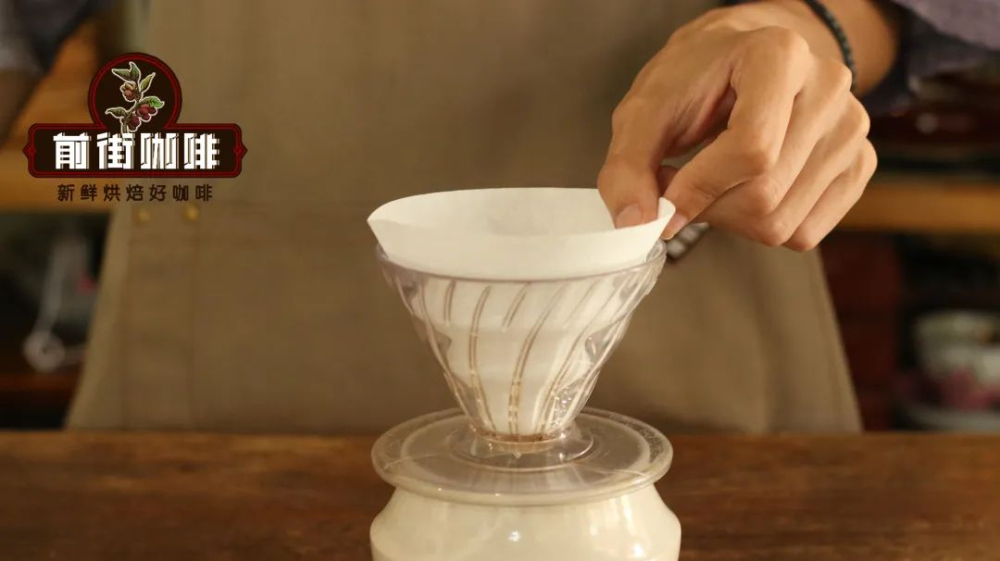
Before starting your pour over, we usually habitually take out a piece of filter paper, fold it, place it in the filter cone, and then pour in the coffee grounds. This seemingly simple piece of paper actually plays a crucial role in the flavor of your pour over. But have you ever wondered why there are both white and natural wood-colored filter papers on the market? What exactly is the difference between them? This article will start from the origin of filter paper, explore the pros and cons of bleached and unbleached options, further explain the suitability of different sizes, and finally offer purchasing advice to help you find the one that best suits you.
The Origin and Development of Filter Paper
The history of filter paper can be traced back to the German town of Dresden. It is said that a woman named Melitta Bentz used sheets from her son’s notebook and placed them on a perforated copper bowl to serve as a makeshift filter cone for brewing coffee. At that time, people commonly used cloth rags to filter coffee, but these often retained impurities and struggled to fully remove unwanted flavors. In contrast, paper provided better filtration, effectively reducing unnecessary taste interference.
Inspired by this, Melitta Bentz founded the Melitta company in 1908, focusing on producing improved filter cones and filter paper. By 1937, the company’s filter cone design had gradually evolved into the prototype of the pour over cones we are familiar with today. It can be said that the invention of filter paper not only changed the way coffee is brewed but also laid the foundation for the popularization of home pour over brewing.
Analysis of the Differences Between Bleached and Unbleached Filter Papers
Currently, the filter papers on the market are mainly divided into bleached and unbleached types, which differ significantly in their manufacturing processes, flavor profiles, and environmental impacts.
Bleached Filter Paper
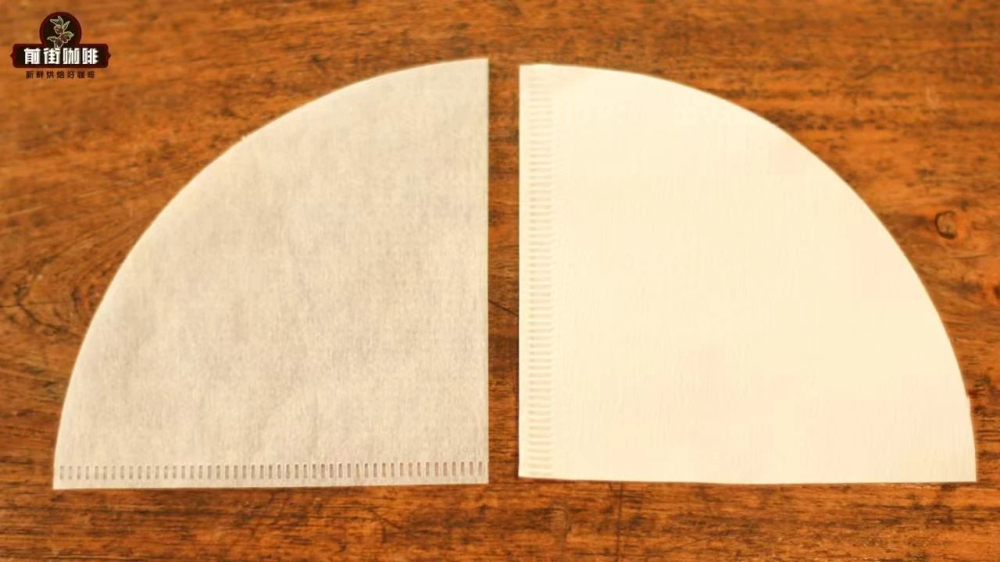
The biggest advantage of bleached filter paper is that the treated pulp has a lighter odor, allowing the inherent flavors of the coffee to shine through more clearly, resulting in a purer cup. However, traditional bleaching processes that use chlorine-based agents, if not handled properly, can pose pollution risks to the environment. In recent years, many well-known brands have switched to more eco-friendly oxygen-based bleaching techniques or adopted non-fluorescent processes. Some manufacturers even produce filter paper made from bamboo fibers, balancing environmental responsibility with safety.
Unbleached Filter Paper
The production process of unbleached filter paper is relatively simple, usually without chemical bleaching, making it more environmentally friendly. However, this type of paper may carry a slight pulp odor. If used directly without pre-treatment, it could affect the overall flavor of the coffee. To eliminate this smell, it is recommended to rinse the filter paper with hot water 1–2 times before brewing, or use a combination of hot and cold water to pre-wet it, ensuring the purity of the coffee’s flavor. Many professional baristas enhance the quality of their brews by using this method.
Common Sizes of Filter Paper and Their Applicable Scenarios
The size of filter paper is generally categorized based on the number of users and the amount of coffee grounds:
• 1–2 servings: Suitable for one or two people, typically holding up to about 20 grams of coffee grounds, ideal for everyday home use or small gatherings.
• 3–5 servings: These have a larger surface area, suitable for brewing more coffee grounds at once to meet the needs of multiple people, commonly used in cafés or family gatherings.
How to Choose the Right Filter Paper for You?
If you prioritize sustainability, unbleached filter paper is a great option—just give it a quick rinse with hot water to remove the paper taste without affecting the coffee’s flavor. If you prefer to skip the pre-wetting step, you can opt for white filter paper made with eco-friendly processes (such as oxygen bleaching). These not only have a smaller environmental footprint but also deliver a purer coffee experience. Keep in mind that the quality of the filter paper directly affects your brewing experience—higher-quality papers usually have a milder pulp taste and offer better flavor performance.
The above content is compiled by CoffeeHunters, a coffee news website.


