







Introduction:Indonesian Sumatran Mandheling coffee is renowned for its intense herbal and spicy profile, but many coffee beginners are put off by its bitterness. In fact, Golden Mandheling from the same region, with its higher selection standards, offers a purer sweetness and richer body. This article will explore its World War II origins and the wet-hulling process, analyzing the differences between G1 and Golden Mandheling in terms of grade, defect rate, and flavor. It also provides practical brewing parameters for pour over, siphon, moka pot, and espresso SOE to help you choose the right specialty Mandheling.
When it comes to Indonesian Sumatran Mandheling coffee, many people immediately think of its strong bitterness and unique herbal aroma. While this flavor delights connoisseurs, it also deters many first-timers. However, within the Mandheling family, there’s one variety hailed as the “cream of the crop”—Golden Mandheling. Like the common G1 Mandheling, it comes from Sumatra, but due to stricter selection criteria, it delivers a purer sweetness and more refined body. This article will take you through historical anecdotes, altitude, and processing methods to deeply analyze their key differences, along with practical brewing tips for pour over, siphon, moka pot, and espresso SOE, so you can buy wisely and drink precisely.
First, let’s discuss the origin of the name “Mandheling,” which actually has no direct connection to the region. During World War II, a Japanese soldier tasted a rich coffee at an Indonesian café and curiously asked its name. The shop owner, misunderstanding the question, replied “Mandheling.” The soldier couldn’t forget the flavor and later had 15 tons of coffee beans shipped back to Japan, giving this accidental name lasting fame. In truth, Mandheling comes from the highland plateaus of Sumatra at elevations of 750 to 1500 meters, particularly the regions of Takengon and Sidikalang, whose beans are highly praised. These beans naturally have a full body, pronounced aftertaste, mild acidity, and rich sweetness, making them especially well-suited for dark roasting to bring out intense spice and caramel notes.
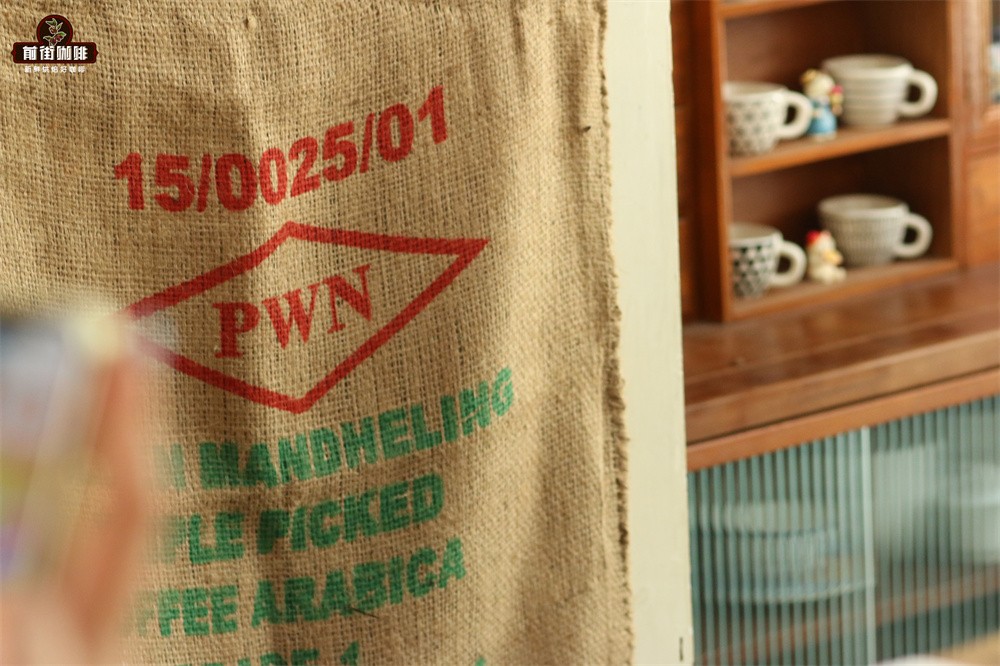
So why is Golden Mandheling more expensive than G1 Mandheling? The key lies in the selection standards. Golden Mandheling is an exclusive product of PWN, a well-known Indonesian green bean supplier. Though its name has no relation to gold, it is the pinnacle of Mandheling. Indonesian green beans are graded by defect rate, with G1 already being the highest grade. Golden Mandheling goes further, undergoing three rounds of manual sorting and one machine screening on top of the G1 standard, keeping only plump, evenly colored premium beans. As a result, counterfeit products are common on the market—when purchasing, be sure to choose a reputable roaster and check the certification documents accompanying the jute bags, as these are key to verifying authenticity.
Take a common G1 Mandheling, such as the Lin Tong Mandheling sold by a well-known brand, which uses Sumatra’s unique wet-hulling process to perfectly showcase the classic Mandheling flavor profile: a solid herbal base, warm spice notes, and moderate caramel sweetness. These beans offer excellent value, ideal for coffee lovers on a budget who want to experience Mandheling’s character. They’re also compatible with various brewing methods like pour over, moka pot, and siphon, making them a great entry-level choice.
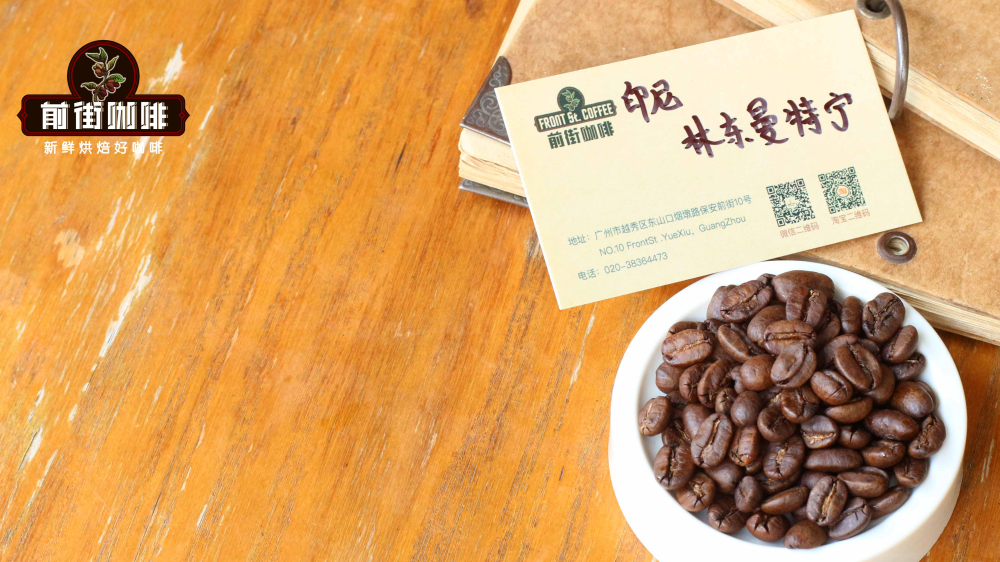
In contrast, a well-known brand’s PWN Golden Mandheling, due to its multiple rounds of strict selection, excels in sweetness, cleanliness, and body. Its beans are uniformly sized and large, suitable not only for pour over, siphon, and moka pot, but also for espresso SOE or drip coffee makers, extracting rich, captivating aromas and a balanced crema. If you’re seeking a more refined Mandheling experience, Golden Mandheling is undoubtedly the more exquisite choice.
Whether you choose G1 or Golden Mandheling, freshness is key. It’s recommended to select beans roasted within 5 days and ensure shipping within 24 hours to lock in optimal flavor. For beginners, starting with pour over is advisable: aim for a grind size similar to superfine sugar, control the water temperature at 90-92°C, and use a multi-pour method (e.g., 30g water for a 30-second bloom, then pour to 240g total in about 2 minutes 30 seconds), which clearly highlights Mandheling’s spice and sweetness layers. If using a siphon, maintain a steady medium flame with an extraction time of about 1 minute 30 seconds to better emphasize its rich body.
In summary, G1 Mandheling offers classic Mandheling flavors at an affordable price, suitable for daily drinking and beginners; while Golden Mandheling, with its stricter selection process, achieves higher levels of sweetness, cleanliness, and body, making it a great choice for personal enjoyment or gifting. Remember, always check the roast date and official certification to truly savor the essence of Sumatra’s highlands.
The above content is compiled by CoffeeHunters, a coffee news website.


