







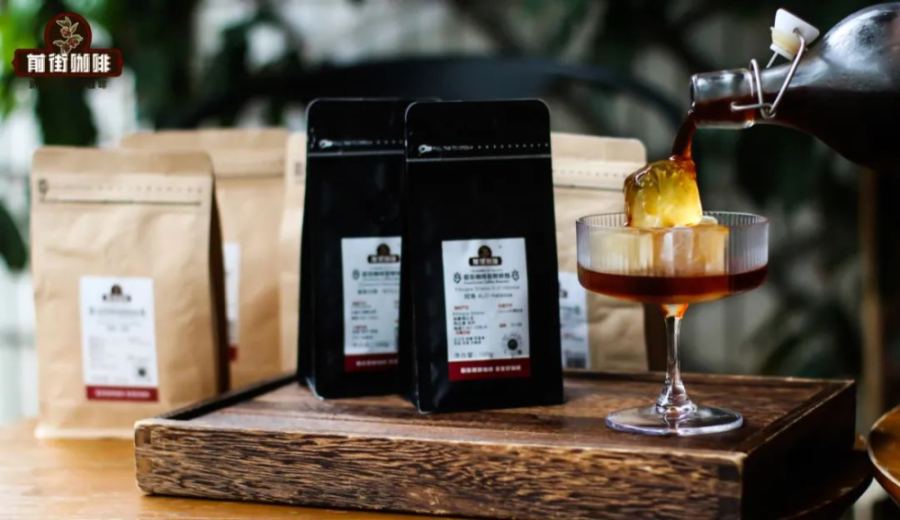
Introduction:Cold brew coffee, with its low bitterness and smooth taste, has become a popular choice in the summer. Different coffee beans, when brewed at low temperatures over an extended period, can showcase vastly different flavor profiles — from bright and fruity sun-dried beans to rich, low-acid dark roasts, and even those with wine-like notes from anaerobic processing. This article will explore how various bean types pair with cold brew, offer practical grind-to-water ratio suggestions, and provide guidance on shelf life, helping you craft your ideal cold brew flavor at home.
The greatest charm of cold brew lies in its silky texture and extremely low bitterness, coupled with the unique fermented undertones produced during the low-temperature, long-duration extraction process, resulting in a flavor profile distinct from hot-brewed coffee. By understanding the characteristics of different beans and the principles of extraction, you can predict and shape a cold brew flavor that suits your personal taste. If you’re still unsure which type of coffee bean to choose, feel free to refer to the following analysis, select your beans based on the recommendations, and easily enjoy the pleasure of homemade cold brew.
If you prefer a refreshing, sweet, and fruity cold brew flavor, choosing sun-dried or honey-processed beans from regions such as Ethiopia, Colombia, and Panama is an excellent starting point. Coffee beans from these regions are naturally rich in fruit notes, and sun-dried or honey processing further enhances and expands these aromatic layers, allowing the cold brew to exhibit a vibrant, juice-like character.
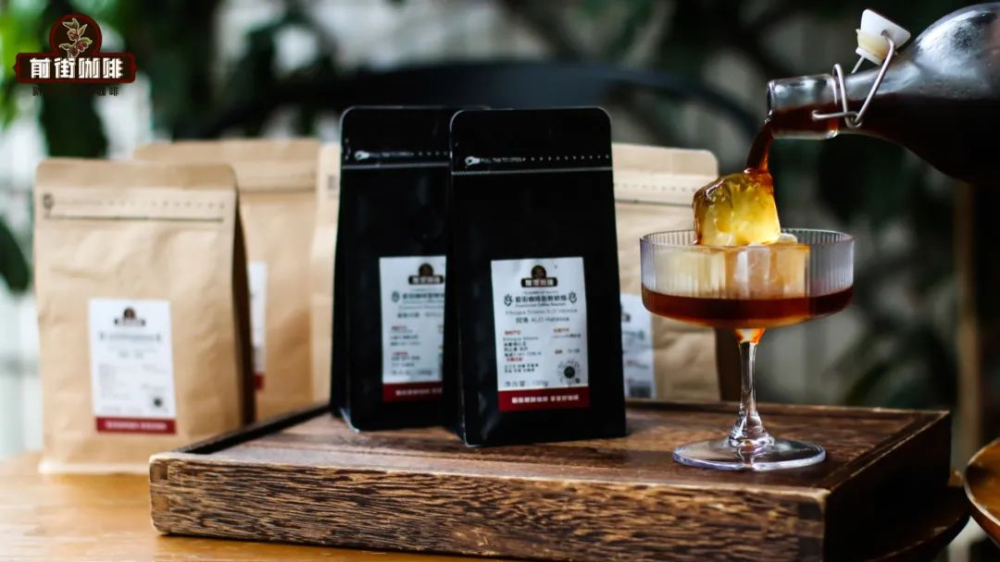
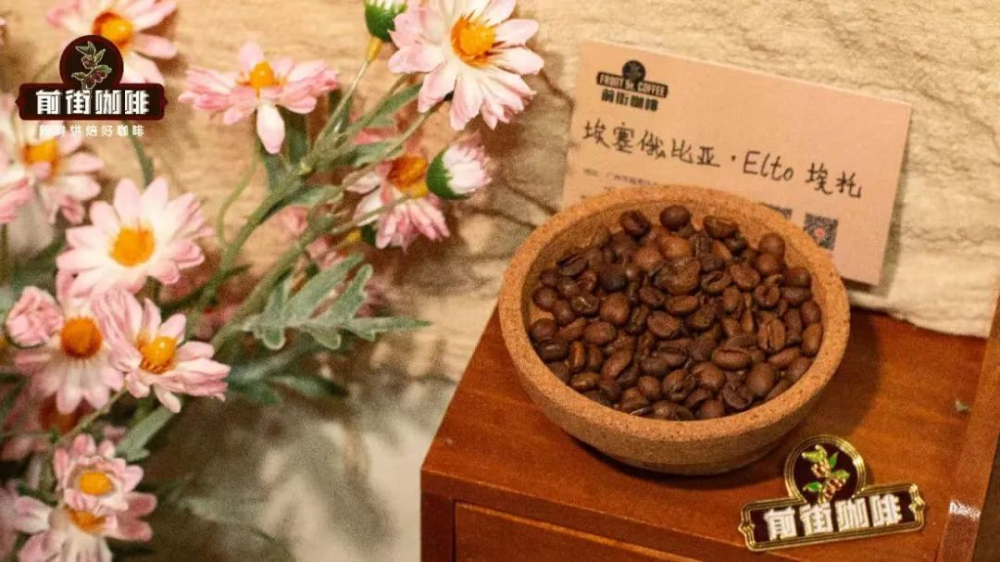
Taking actual bean examples, varieties like Sidamo·ALO and Huakui, when used for cold brew, can showcase intense mango aromas, paired with round citrus acidity and hints of pineapple fermentation. Ethiopian Elto also performs exceptionally well, extracting an enticing combination of lychee, mango, and blueberry aromas. If you prefer a cleaner and fresher fruit expression, washed-process beans are a better choice, especially washed beans from Ethiopia and Panama, which are known for their clear fruitiness. Among them, the Geisha T2722 variety is particularly renowned for its rich floral notes.
For example, Yirgacheffe·Gutiti, after being washed, releases subtle notes of lemon, white flowers, and green tea when cold brewed; washed Geisha from Poku and washed Hua Hudie present a fresh combination of white floral, citrus, and honey flavors. These washed beans not only have bright acidity but also preserve the pure flavor characteristics of the coffee itself, making them highly suitable for cold brew enthusiasts seeking a refreshing taste.
For those who prefer a rich, full-bodied, and low-acid flavor, dark roast beans are also an excellent choice for cold brew. Dark roast beans typically feature intense chocolate tones and caramel sweetness, resulting in a cold brew that not only has a heavy body but also a more robust flavor. Dark roast varieties such as Blue Mountain No.1, Golden Mandheling, and Huilan are ideal for crafting this type of cold brew, delivering a deep and satisfying taste experience.
If you want to try a cold brew with wine-like characteristics, anaerobically processed beans are the top choice. These beans, having undergone a deeper level of fermentation, often release strong alcoholic aromas, adding unique fermented undertones to the cold brew, making it taste almost like sipping fine liquor.
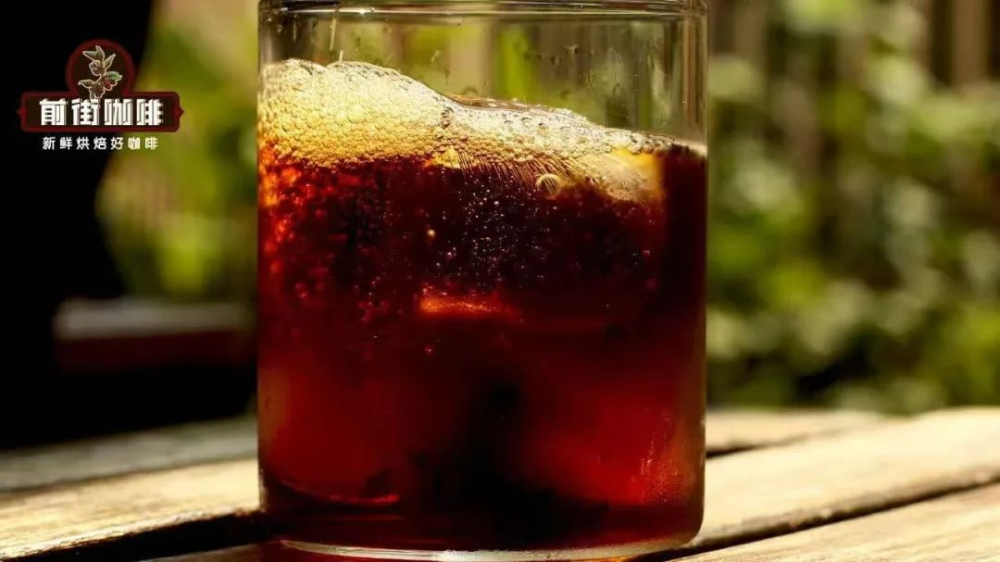
Common recommendations include Honduras·Sherry, a medium-roast anaerobically processed bean. The resulting cold brew is almost acid-free, instead showcasing sweet notes of vanilla and cream, accompanied by intense whiskey-like alcohol aromas. If you prefer a fruit-forward, sweeter wine-style cold brew, you might opt for Costa Rica Strawberry Sugar — a raisin honey-processed bean that naturally carries fermentation aromas of strawberry, berries, and raisins. Its sweetness is elevated after cold brewing, resulting in an enchanting fruit-wine-like flavor. Similarly, the raisin honey-processed Costa Rica·Mozart also features berry and raisin aromas, along with a hint of lavender-like purple floral notes, definitely worth trying.
It’s worth noting that while the fermentation reactions during cold brew are slowed down at low temperatures, they do not completely stop. Over time, compounds dissolved in the water gradually change, not only affecting the flavor but also potentially leading to spoilage. Additionally, each time the container is opened, it increases exposure to air, accelerating aroma loss while also possibly introducing bacteria, which can impact beverage safety.
Considering both flavor maintenance and food safety, it is recommended that whether made via ice drip or cold brew, the coffee should be consumed within five days after preparation (counted from the day of brewing) to ensure optimal flavor and safe consumption. Furthermore, the grind-to-water ratio is advised to be kept between 1:12 and 1:16, which can be slightly adjusted according to personal taste preferences. The extraction time is best set between 12 to 24 hours, with the brew placed in the refrigerator for a more controlled temperature and flavor development.
The above content is compiled by CoffeeHunters, a coffee news website.


