







Introduction:This article delves into the Litchi Orchid coffee beans produced by Honduras' Masaguara Mocha Estate, analyzing everything from its brandy barrel low-temperature fermentation process to the characteristics of the Caturra and Catuai varieties. It provides a comprehensive guide on how different roasting and brewing methods can bring out the captivating layers of litchi, honey, and wine aromas. Whether you're a pour over beginner or an advanced enthusiast seeking unique beans, you'll find practical flavor insights and reference parameters.
As a major coffee-producing country in Central America, Honduras has gained global recognition in the specialty coffee market in recent years thanks to its diverse microclimates and continuously evolving post-harvest techniques. Among them, the Mocha Estate from the Masaguara region has launched a Litchi Orchid coffee bean that combines washed processing with brandy barrel low-temperature fermentation. With its unique wine aroma, litchi sweetness, and honey finish, it has become a top choice for many coffee lovers looking to try something new.
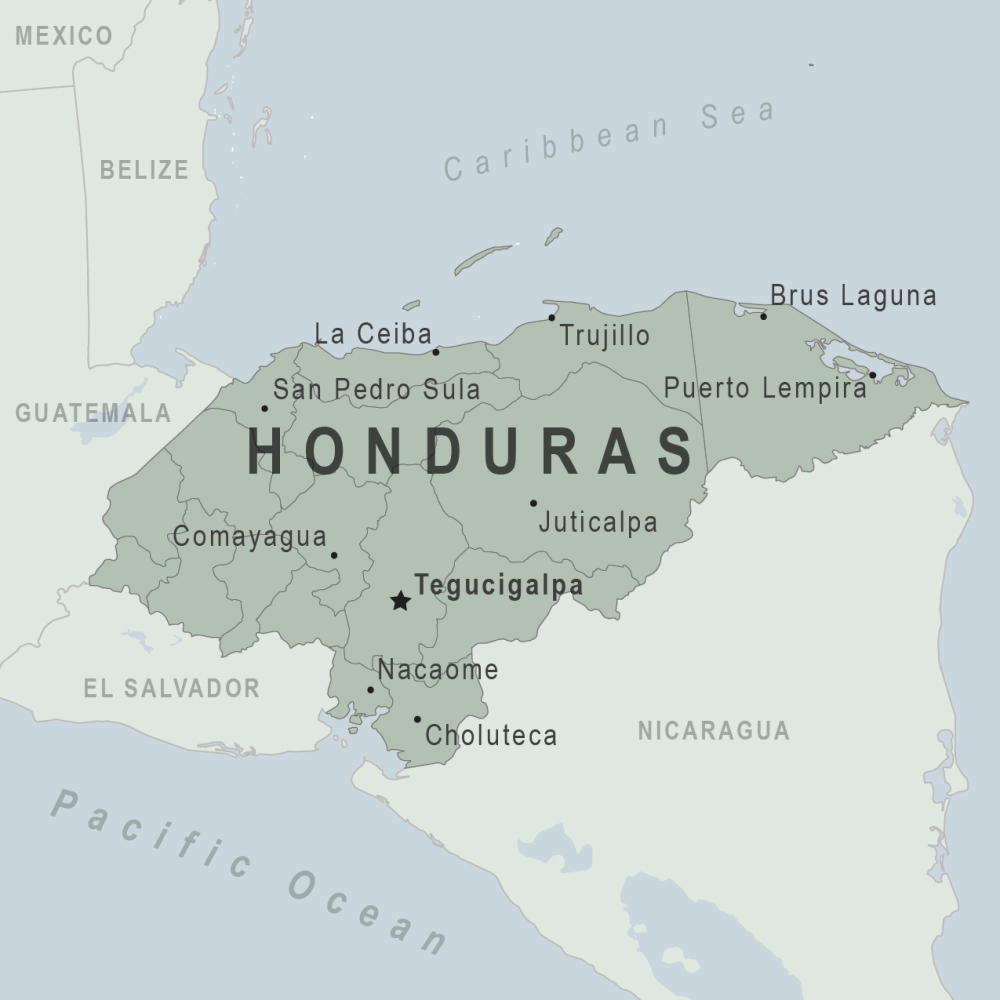
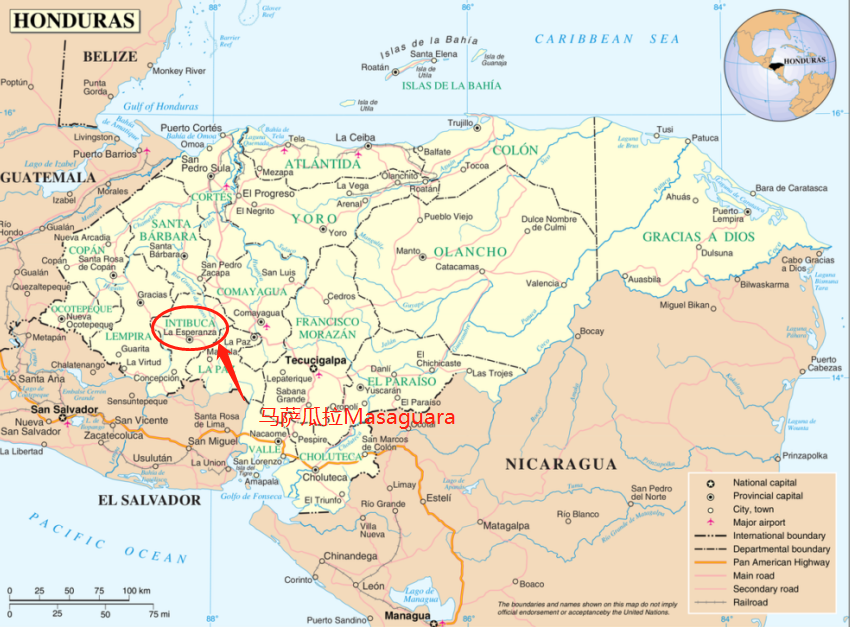
The origin of these Litchi Orchid coffee beans, Masaguara, is located in Intibucá Province, Honduras, on the southern side of the Jesús de Otoro Valley, surrounded by mountains and hills — a typical micro-environment for specialty coffee cultivation. The local economy is primarily coffee-based, with planting altitudes ranging between 1,500 to 1,700 meters, making it highly suitable for mid-to-high altitude varieties such as Caturra and Catuai. These beans are processed with meticulous washed methods combined with brandy barrel fermentation, showcasing a complex flavor profile that balances fruity notes with wine-like undertones.
Speaking of Honduras’ overall coffee landscape, the country has over 280,000 hectares of coffee-growing areas, most of which are small-scale farms, typically under 3.5 hectares in size. Yet, these small farms contribute to about 60% of the nation’s total coffee production. Over the past two decades, Honduras has made significant progress in coffee post-harvest processing and export logistics. Coupled with the fact that most harvesting is still done manually, this allows for careful selection of ripe red cherries, gradually increasing the proportion of specialty beans. Honduras is now one of the world’s top ten coffee-exporting countries.
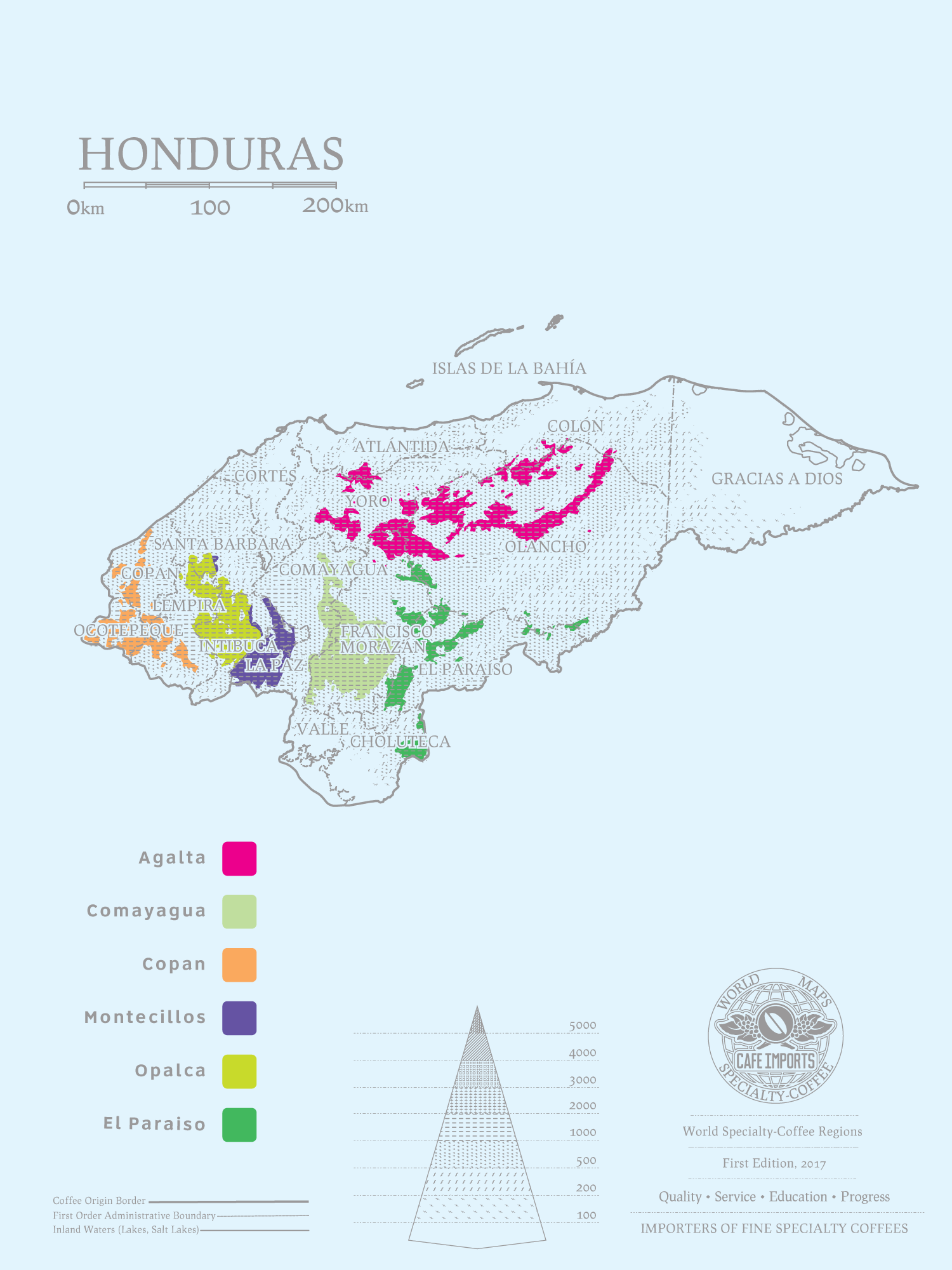
The country’s six main producing regions include: Copán, El Paraíso, Comayagua, Opalaca, Montecillos, and Agalta, with altitudes generally ranging from 1,000 to 1,600 meters. The primary cultivated varieties are Bourbon, Caturra, Typica, Catuai, and Pacas. Honduran green coffee beans are usually large in size, bright in color, and uniform. To facilitate harvesting, coffee trees are typically pruned to under 150 cm, and multiple rounds of manual picking ensure that only fully ripe fruits are selected — one of the reasons behind their rich and layered flavors.
In addition to coffee, the Litchi Orchid beans’ producing region of Masaguara also engages in grain cultivation and livestock farming. According to local sources, the name “Masaguara” means “place of deer” in the indigenous language, symbolizing its abundant natural resources. The area’s high altitude and mild climate provide ideal growing conditions for coffee, contributing to the full-bodied foundation of its flavor profile.
In terms of variety, Caturra is a natural mutation of Bourbon, first discovered in Brazil in 1937. Although it is less resistant to disease than the original variety, it offers higher yields and is well-suited to mid-to-high altitude cultivation, often yielding brighter flavors at higher elevations. However, it did not gain widespread popularity in Brazil due to adaptability issues but has instead thrived in Central and South American countries such as Colombia, Costa Rica, Nicaragua, and Honduras. When lightly roasted, Caturra often exhibits bright acidity and fruity notes but with slightly lower body, whereas dark roasting can bring out caramel and nutty tones.
Catuai is a hybrid of Caturra and Mundo Novo, offering stronger resistance to wind and rain, with tightly clustered fruits that are more labor-intensive to harvest. The fruits come in both red and yellow varieties. This variety performs exceptionally well in terms of stable yield and consistent flavor, making it a solid choice for many specialty farms.
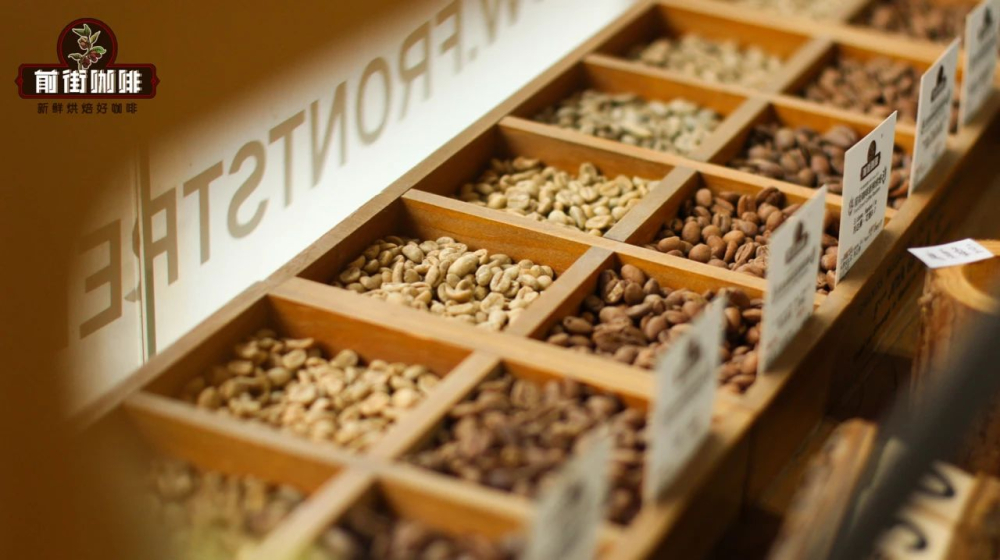
As for the brandy barrel fermentation process used in these Litchi Orchid beans, its inspiration comes from winemaking. Just as wine matures in wooden barrels through micro-oxygenation, so do coffee beans. Washed green beans are placed in brandy oak barrels and fermented at a low temperature of 15–20°C for 30 to 40 days, allowing the beans to slowly absorb the aroma and tannins from the barrels, thereby developing wine-like, honey, and woody notes. During this process, oxygen seeps minimally through the barrel walls, promoting stable fermentation while softening the tannins, ultimately giving the coffee a complex yet rounded finish.
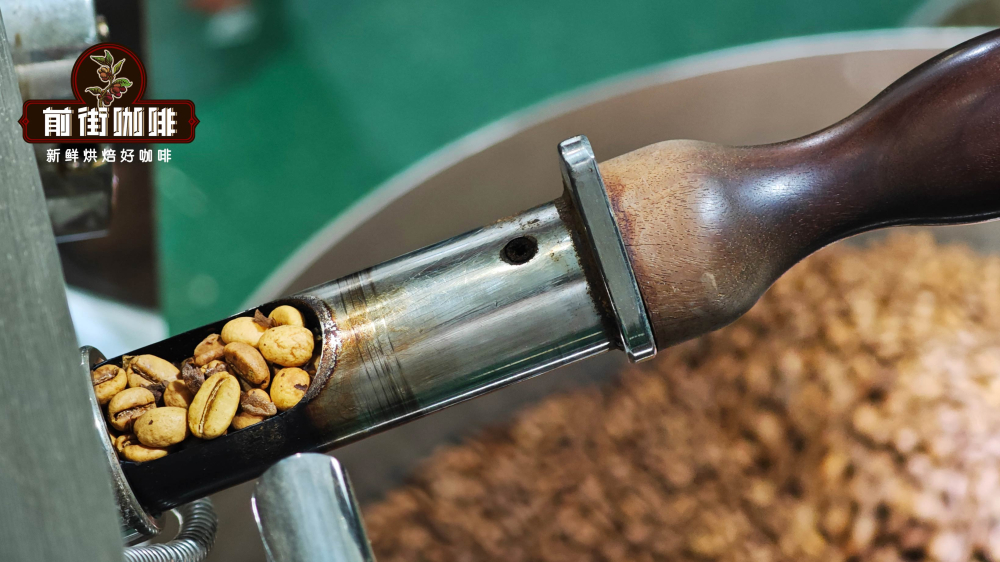
To bring out the potential of these Litchi Orchid beans, the roaster specially designed two different roast curves for comparison. The first curve starts with a charge temperature of 220°C, turning yellow at 6 minutes 30 seconds and 151.6°C, with the first crack beginning at 9 minutes 53 seconds and 183°C. Development after first crack lasts 1 minute 40 seconds, with the final roast temperature at 196°C. The second curve turns yellow slightly earlier (5 minutes 50 seconds and 152.6°C), with first crack occurring at 9 minutes 15 seconds and 183°C, and development extended to 2 minutes 10 seconds after first crack, finishing at 195°C, with a more generous overall development time.
From cupping results, the first curve shows pronounced floral, berry, dark chocolate, and honey notes. The acidity is vibrant upon entry, and a hint of wine aroma can be detected as the temperature drops. However, the overall cleanliness is slightly compromised, with a touch of astringency and a shorter aftertaste. The wine character is not fully released, suggesting that light roasting and rapid development may not be ideal for this bean.
The second curve, on the other hand, delivers a richer expression, with flavor layers dominated by cream, dark chocolate, litchi, and brandy. The sweetness is prominent, and the wine and woody notes are more pronounced. The mouthfeel is smooth and the aftertaste is long-lasting, with better overall balance — making it suitable for coffee lovers who enjoy wine-like notes and bold flavors.
Practical pour over recommendations are as follows: Use a Hario V60 filter, water temperature at 90°C, coffee-to-water ratio of 1:15, and grind size as fine as granulated sugar (approximately 80% passing rate through a Chinese standard No. 20 sieve). The brewing method adopts a pulsed pour: start with 30g of water for a 30-second bloom, then pour in a small circular motion until reaching 125g for the first pour. After the water level drops, continue pouring to 225g and stop. Total brew time is around 2 minutes. Both curves should be brewed as consistently as possible to fairly compare flavor differences.
Overall, this Honduran Litchi Orchid brandy-barrel-fermented coffee bean, when given appropriately extended development time and medium-to-dark roasting, can more fully showcase its multi-layered charm of litchi sweetness, honey smoothness, and brandy wine notes. It is not only suitable for single-origin pour over brewing but also serves as a great entry point for those looking to explore the art of barrel fermentation.
The above content is compiled by CoffeeHunters, a coffee news website.


