







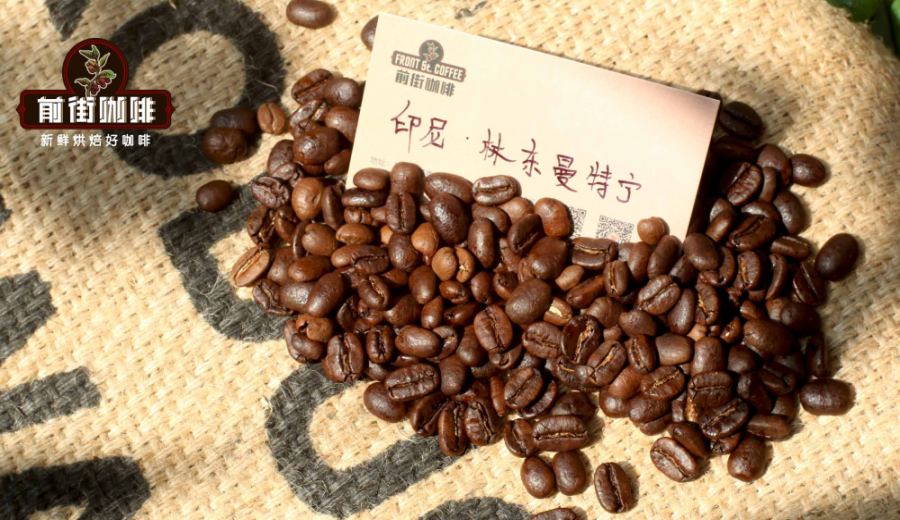
Introduction:Mandheling coffee originates from Sumatra, Indonesia, and is renowned for its bold, rich body and low acidity, making it a top single-origin choice for many coffee enthusiasts. This article delves into two of the most representative wet-hulled beans—the PWN Golden Mandheling and the Lintong Mandheling—covering everything from regional terroir and processing methods to flavor profiles. It also provides expert pour-over brewing tips and milk pairing techniques to help you brew a balanced, aromatic cup of Mandheling.
When it comes to Mandheling coffee, many people’s first impression is its bold, full-bodied texture and low acidity. This classic coffee from Indonesia’s Sumatra Island actually owes its name to a beautiful misunderstanding—Japanese soldiers back then misheard the local Mandailing ethnic group (Mandheling) and accidentally popularized the name. Beyond the anecdote, Mandheling is also celebrated for its unique wet-hulling process, which lends it intense herbal, nutty, and caramel aromas, making it a must-try classic for single-origin coffee lovers.
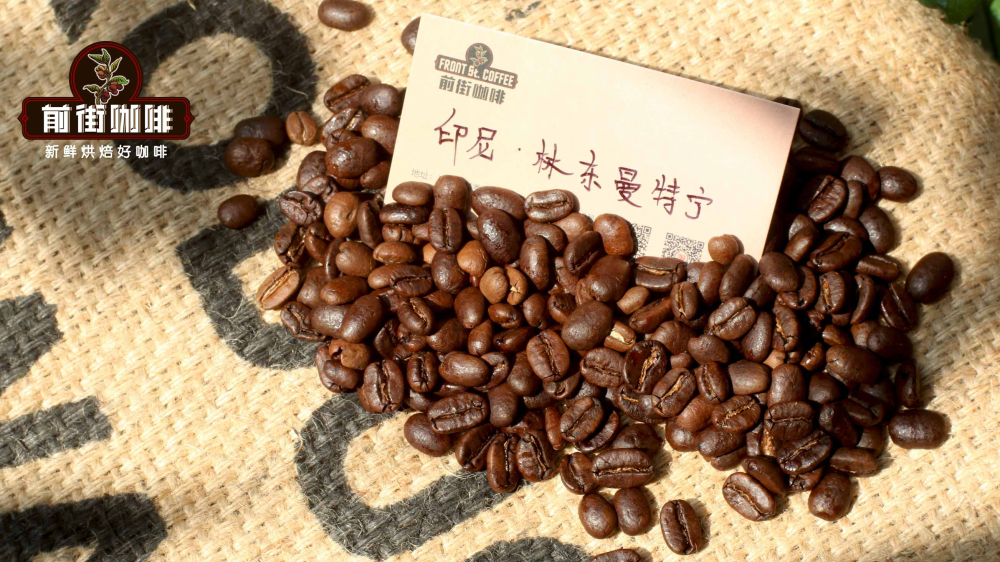
Mandheling coffee beans are not named after a region or variety but are instead a transliteration of an ethnic name. This story dates back to the Japanese colonial period when Japanese soldiers stationed in Indonesia raved about the local coffee. Upon returning home, they obtained the beans through traders but couldn’t learn the official name due to trade secrecy. Locals casually referred to it as “Mandheling,” and the name exploded in popularity in Japan after 15 tons of beans were exported, eventually becoming synonymous with this Sumatran coffee.
The high-altitude terrain and unique microclimate of Sumatra provide an ideal growing environment for Mandheling. Typically cultivated at elevations between 750 and 1,500 meters, key producing regions include Takengon and Sidikalang. Mandheling from these areas is known for its rich body, low acidity, and abundant chocolatey, syrupy notes. Even when brewed as iced coffee or kept warm for extended periods, it rarely develops unpleasant sourness, making it ideal for those who prefer bold flavors.
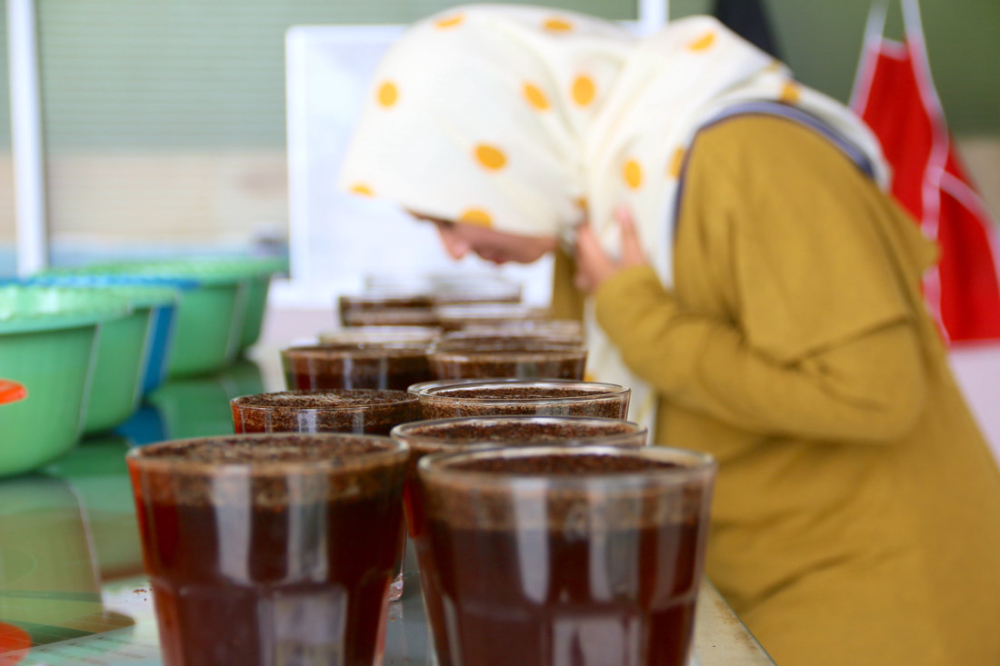
Among the many Mandheling offerings, the PWN Golden Mandheling and Lintong Mandheling are the most iconic wet-hulled beans. The PWN Golden Mandheling comes from Gayo Mountain in Aceh, Sumatra, at elevations of 1,100–1,600 meters. It uses the Ateng variety and undergoes multiple rounds of manual sorting, selecting only plump, flawless beans, resulting in exceptional consistency. Note that “Golden Mandheling” is a registered trademark of Pwani Coffee Company—only beans produced by this company are genuine, while many market-labeled products are actually standard specialty Mandheling.
The PWN Golden Mandheling has a clear flavor profile, often featuring roasted toast, nuts, pine, and caramel notes, with a herbal freshness in the aftertaste. The other standout, Lintong Mandheling, hails from the Lintong mountainous region in central-northern Sumatra, near Lake Toba. It uses the Typica and Catuaí varieties and is also processed via wet hulling. This bean offers a more approachable flavor, showcasing bold roasted aromas, nuttiness, and herbal notes, making it a popular entry point for many coffee enthusiasts.
To brew a well-balanced cup of Mandheling, it’s recommended to use a Kono filter, with a coffee-to-water ratio of 1:15, around 15 grams of coffee, a water temperature of approximately 88°C, and a grind size of 70–75% through a #20 standard sieve. For the specific pour-over technique, use a pulse pouring method: start with a 30-second bloom using 30 grams of water, then pour in small circles to reach 125 grams for the first pour. When the water level drops and the coffee bed begins to show, continue pouring to 225 grams before stopping. Total brew time should be around 2:00–2:10 minutes (slightly varying by filter type).
Once brewed, Mandheling delivers a pronounced herbal, dark chocolate, and caramel flavor upfront, with a sweet, full-bodied finish but relatively low acidity. For those accustomed to milk-based drinks like lattes, if the strong herbal notes of Mandheling feel too intense, adding a moderate amount of fresh whole milk can effectively mellow the coffee’s sharpness and bitterness, resulting in a smoother, rounder mouthfeel—perfect for everyday enjoyment.
The above content is compiled by CoffeeHunters, a coffee news website.


