







Introduction:Even when using single-origin specialty coffee beans, pour over and Americano can showcase distinctly different flavor profiles. This article takes you in-depth into the principles and brewing technique differences between the two methods through practical testing. Using a popular Ethiopian Yirgacheffe Huila Huakai (HuaKui) bean as an example, it details the specific parameter settings, flavor expressions, and how to brew the most balanced Americano—both from espresso-based concentrate—for enthusiasts looking to deepen their coffee knowledge.
Many coffee lovers have wondered: what exactly is the difference in taste when using the same coffee beans for pour over versus Americano? In fact, the brewing logic and techniques behind these two drinks are completely different, which can lead to vastly different flavor outcomes even with the same beans. This article will start with basic definitions, gradually break down the differences between pour over and Americano, and use actual brewing data and flavor records to help readers more comprehensively understand the characteristics of both.
Definition and Principles of Pour Over Coffee
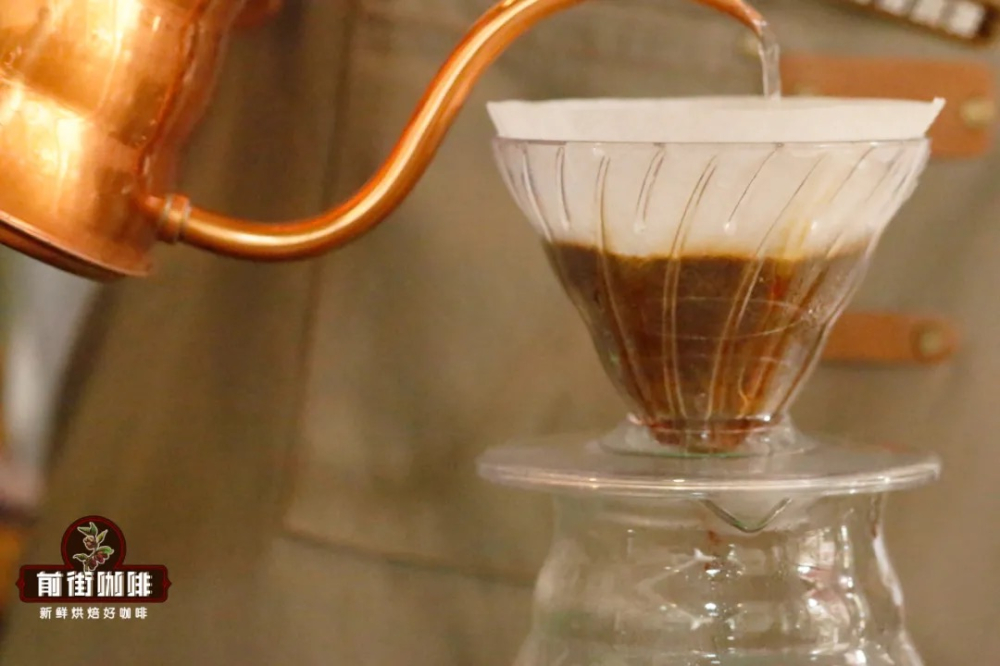
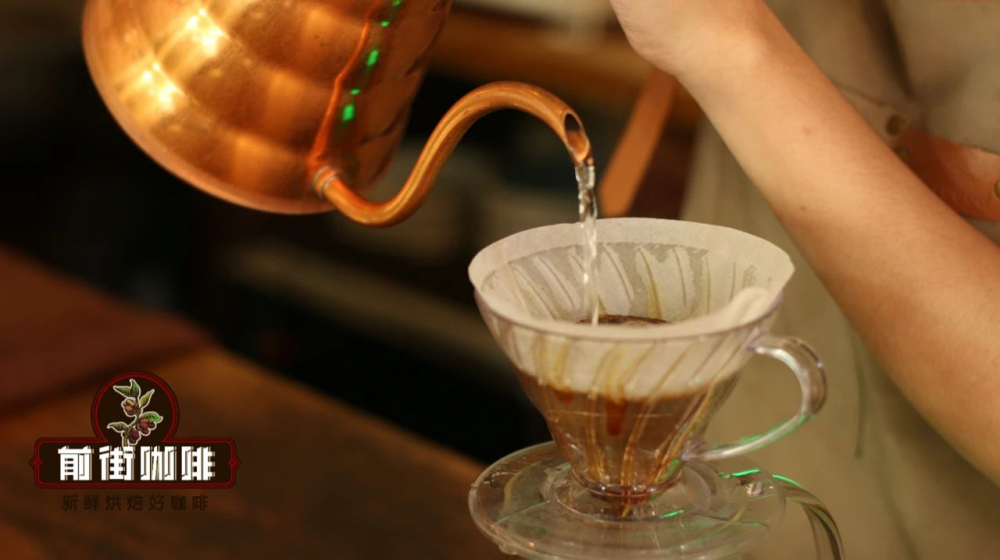
Pour over coffee, often referred to in English as Pour Over or Hand Drip, is a brewing method that relies entirely on gravity and water temperature control to slowly pour hot water over a bed of coffee grounds, extracting soluble flavor compounds through a filter paper. This technique does not rely on additional pressure—the coffee liquid drips down by its own weight—making it a classic drip filtration extraction. During the pour over process, choosing the right filter cone (such as Hario V60, Kalita Wave), adjusting the grind size of the coffee (usually medium-fine, around 75–80% passing through a #20 sieve), controlling water temperature (common range 88–94°C), and pouring techniques (such as center pour, pulse pour, spiral pour) can all significantly affect the final flavor expression.
Pour over is ideal for highlighting the inherent regional characteristics and delicate aromas of coffee beans, especially single-origin beans with prominent floral and fruity notes, bright acidity, and elegant sweetness. Common recommendations include beans with fresh citrus and berry aromas, as well as those with honey and caramel undertones and medium-to-high sweetness.
Origins and Brewing Methods of Americano
The so-called Americano, known in English as Americano, originally referred to the practice of U.S. soldiers diluting espresso with hot water in the field during wartime, which later evolved into a globally familiar coffee style. The traditional method uses espresso as the base, adding hot water to adjust the concentration. However, many "Americanos" made by commercial coffee machines are actually extracted via drip filtration, with a principle similar to pour over, though the equipment and operation processes differ.
Espresso is extracted under high pressure (around 9 bar) using extremely finely ground coffee (usually about 30–40% finer than pour over) in a short time (20–30 seconds), with a common coffee-to-water ratio of 1:2, producing a rich and oily coffee liquid. This high-pressure extraction brings out more roasted, bold, and body-forward flavors, but can also accentuate bitterness and defect flavors, thus requiring precise parameter control.
Practical Test Case: Two Expressions of Ethiopian Yirgacheffe Huila Huakai Beans
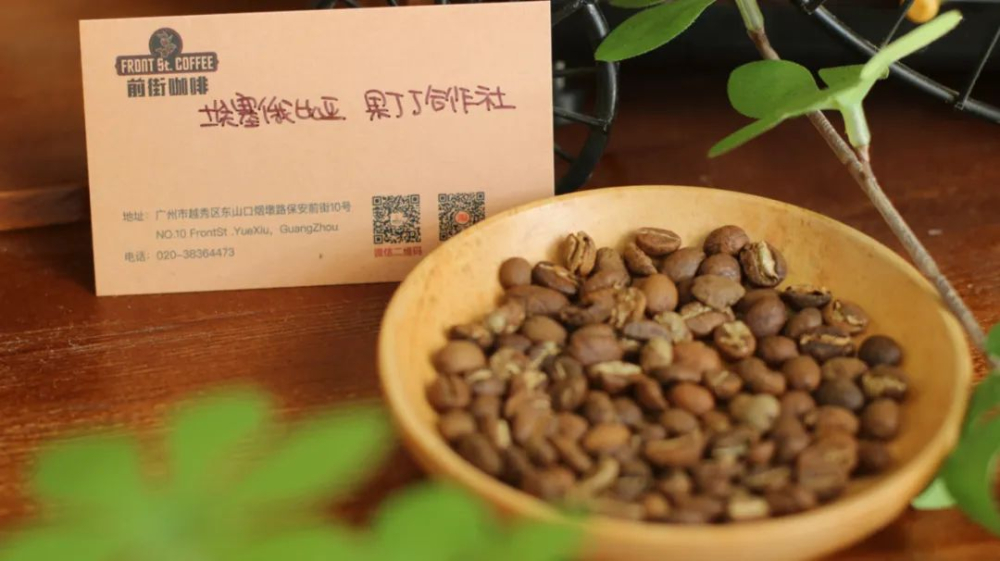
For this practical test, we selected Huila Huakai coffee beans from Ethiopia’s Yirgacheffe region. These beans demonstrated clear floral and fruity aromas, soft acidity, and balanced sweetness during cupping, making them an excellent comparative sample for both pour over and espresso extraction.
Pour Over Test Parameters and Flavor Notes
Using a Hario 01 filter cone, with medium-fine grind (approximately 78% passing through a #20 sieve), water temperature controlled at 92°C, 15 grams of coffee, and a 1:15 coffee-to-water ratio. Employing a classic three-pour technique: first, a 30-second bloom with 30 grams of water, followed by small circular pours up to 125 grams for the first pour, then waiting for the water level to drop before continuing to 225 grams total. Total brew time was approximately 2 minutes and 8 seconds.
Flavor Profile: Clear floral, berry, and citrus notes, accompanied by a plum-like sweet-tart layer, with a distinct mango juice sensation in the mid-palate, and a honey and black tea sweetness in the finish. Overall mouthfeel is clean and layered with good clarity.
Espresso Test Parameters and Flavor Notes
Using a Feima E98 espresso machine and ek43s grinder (grind setting 0.1, very fine), coffee-to-water ratio 1:2, 20 grams of coffee in a double basket, extracted for 24 seconds, yielding 40 grams of espresso.
Flavor Profile: Medium-to-high acidity, clear but not overpowering sweetness, soft and smooth bitterness. The entry features citrus acidity, followed by berry aromas, with the aftertaste transitioning into a blend of dark berries and caramel. Crema is fine and persistent.
Optimal Dilution Ratio for Americano
To transform espresso into a smooth and balanced Americano, multiple coffee-to-water ratios were tested. The optimal ratio was determined to be 1:6.5 (i.e., 40 grams of espresso diluted with 260 grams of 86°C hot water). At this ratio, acidity becomes softer, tropical fruit notes more pronounced, mouthfeel is refreshing like juice, and the aftertaste carries a creamy and caramel sweetness.
Comprehensive Comparison: Pour Over vs. Americano
In summary, pour over coffee, due to its pressure-free extraction, typically offers clearer and more delicate flavor layers, bright acidity, and a clean, refreshing mouthfeel—ideal for appreciating the intrinsic flavor characteristics of the coffee beans. Americano (especially the espresso-based version), on the other hand, extracts more body and oils through high pressure, resulting in a fuller, more robust mouthfeel, richer and more concentrated flavors, and a longer-lasting aftertaste.
Whether you prefer the light and refreshing profile of pour over or the bold and rich taste of Americano, understanding the underlying brewing principles and parameter settings allows you to better grasp the potential of each coffee bean and brew a coffee experience that best suits your taste.
The above content is compiled by CoffeeHunters, a coffee news website.


