







Introduction:When brewing coffee at home using pour over, have you often encountered issues where your coffee tastes overly bitter or astringent? These flavors may stem from the characteristics of the coffee beans, their storage duration, grind size, or water temperature control. This article delves into the four main reasons that cause bitterness and astringency in pour over coffee, offering comprehensive adjustments from bean selection to brewing methods. It helps you pinpoint the problem accurately and brew smoother, more complex coffee.
Many coffee enthusiasts encounter overly bitter or even burnt-tasting, astringent coffee when brewing at home. This bitterness can come from the roast characteristics of the beans themselves, or be related to the freshness of the beans, grind coarseness, the ratio of fine particles, and brewing water temperature. This article will analyze these common causes one by one and provide practical adjustment methods, including how to choose suitable beans based on flavor descriptions, determine the optimal drinking period for coffee beans, calibrate grind size, and troubleshoot water temperature issues. This will help you more accurately identify the root of the problem and brew better-tasting coffee.
A friend once asked: why does my pour over always taste bitter at home? In fact, the key to solving coffee bitterness lies in understanding its causes and taking corresponding adjustment measures.
Cause One: The Coffee Beans Themselves Have a Naturally Bitter Flavor
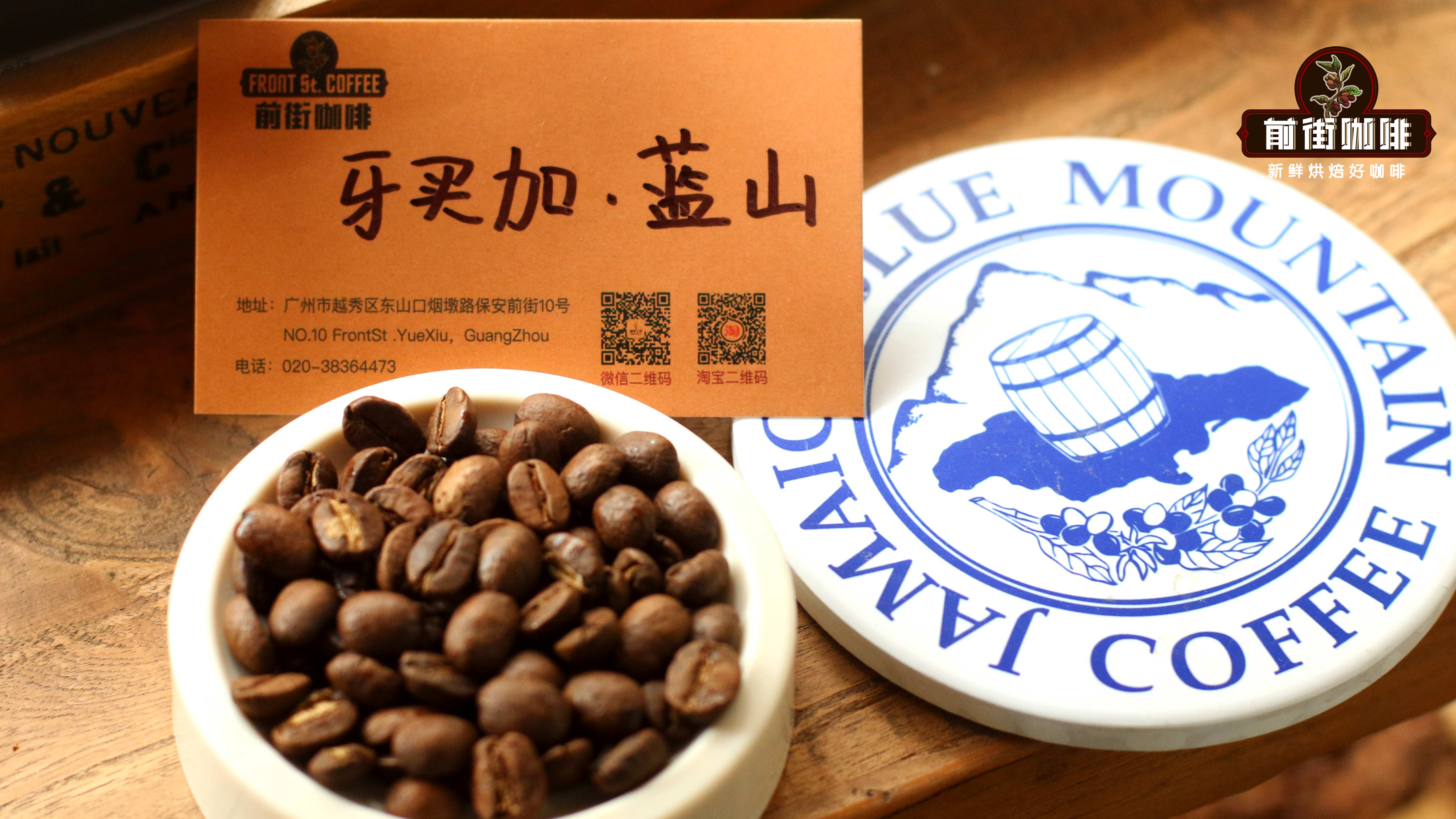
Coffee beans offer a wide range of flavors—some exhibit fruity acidity, some offer honey-like sweetness, while others fall into the nutty or cocoa-like bitter spectrum. For example, beans like Mandheling and Blue Mountain naturally possess nutty and dark chocolate flavors, which inherently bring a certain degree of sweet bitterness after brewing (note: this type of bitterness is different from burnt or astringent notes—it’s a combined expression of roasted aroma, aftertaste, and rich mouthfeel). For drinkers who do not prefer such flavors, this bitterness might resemble a burnt taste.
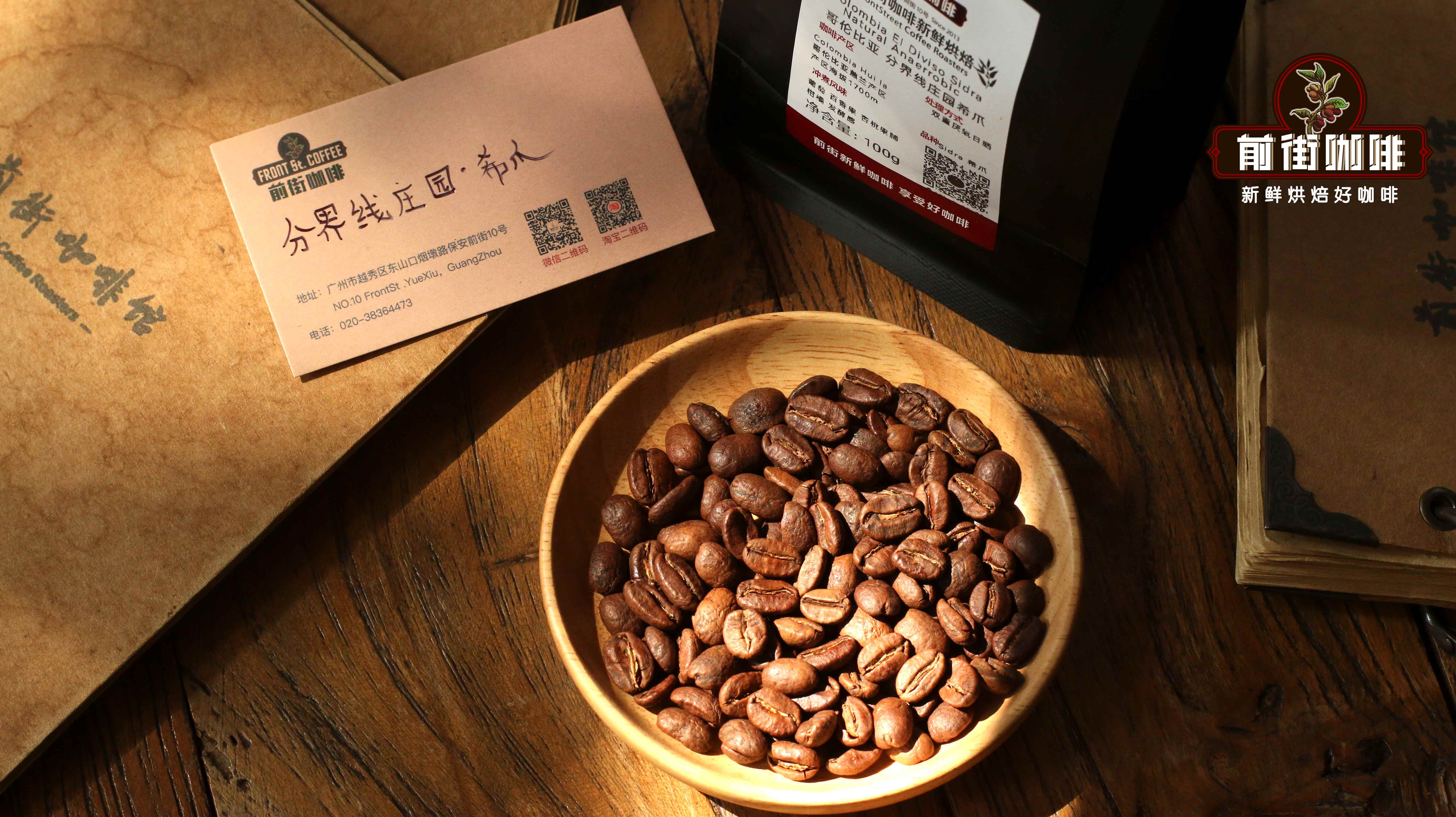
Solution: When purchasing coffee beans, carefully check the flavor description section. Although the descriptions may use artistic language, they can help you determine what type of flavor profile the beans belong to, thereby selecting coffee that suits your personal taste. Those who enjoy floral notes can opt for Panamanian Boquete Geisha; those who prefer fruity flavors can choose beans with strawberry candy or blackberry profiles; if you’re after intense fruitiness, try Sidamo or Elephant Bean from Colombia’s Boundary Line Estate—these beans often feature rich layers of passionfruit, grape, and blackcurrant.
Cause Two: Coffee Beans Stored for Too Long Leading to Flavor Loss
The optimal drinking period for roasted coffee beans is relatively short. Most commercial packaging is designed to contain 100–227 grams, also considering consumers’ drinking pace and freshness. Assuming a daily usage of 15 grams, a 227-gram pack of coffee beans can last about half a month, aligning with the coffee’s best flavor window.
Generally speaking, the optimal drinking period for pour over coffee beans is between 4 to 30 days from the roast date. The longer the beans are stored, the more flavor compounds are lost. A clear difference can be noticed by comparing the aroma of fresh versus aged coffee beans: fresh beans emit a rich “coffee fragrance,” whereas beans stored for too long may develop woody or oily notes. Brewing coffee beans that have lost their flavor compounds can easily result in a woody, bitter, and astringent cup.
Solution: The most direct solution is to consume the beans as soon as possible to avoid them going past their prime. But more importantly, learn to judge the beans’ optimal drinking period. While “roast date plus 30 days” is a common reference, not all coffee beans have a fixed 30-day shelf life—the actual period may be longer or shorter, and storage methods also affect it. To assess whether the beans are past their prime, observe the bloom and degassing during the blooming stage: if the beans show no reaction after pouring water, they have likely passed their optimal drinking window.
Cause Three: Grind Too Fine or Excessive Fine Particles
Both grinding too finely and having too many fine particles can lead to burnt bitterness in pour over coffee, but their manifestations during brewing differ. Grinding too fine usually results in the coffee bed draining slowly overall, with extraction times exceeding 2 minutes and 30 seconds. Excessive fine particles may cause normal drainage initially, but slow down later or even lead to clogging.
Solution: If the issue is caused by grinding too fine, adjust the grind size coarser to within the normal range. Recommended pour over parameters are: for light-roasted beans, aim for about 80% of particles passing through a #20 sieve; for dark-roasted beans, around 70%.
If the problem stems from excessive fine particles (i.e., uneven grinding), it is usually related to the quality of the grinder. You can improve the situation through the following three methods: switch to a higher-quality grinder, use a fine particle sieve to remove excess fines, or during brewing, divert the tail end of the brew that is prone to clogging, then add an appropriate amount of hot water to adjust to the desired concentration.
Cause Four: Water Temperature Too High
High water temperature is one of the common causes of burnt, bitter coffee. Though this is common knowledge, many coffee enthusiasts often overlook it due to misleading experience. For instance, if you’re used to brewing a certain bean at 93°C and achieving good flavor, you might use the same temperature for similarly roasted beans without realizing the water might actually be too hot.
For example, Blue Mountain coffee, with all other parameters unchanged, can showcase good balance at 88°C, but just a 1°C increase to 89°C might result in over-extracted bitterness and imbalance. Small changes in water temperature can significantly impact flavor.
To determine whether the water temperature is too high, consider two aspects: first, confirm whether it falls within a reasonable range—light to medium-light roasts are recommended at 90–93°C, while medium-dark roasts at 86–89°C; second, after meeting the above criteria, rule out factors like coffee bean type, freshness, and grind size, then evaluate whether the bitterness is due to excessively high water temperature.
The above content is compiled by CoffeeHunters, a coffee news website.


