







Introduction:Mandheling is often mistakenly thought to have only a strong, bitter taste. However, a high-quality Mandheling can actually showcase captivating black cocoa and herbal aromas, with a rich body and a long, lingering aftertaste. This article delves into the characteristics of Indonesia’s main Mandheling-producing regions, introduces their flavor profiles and suitable roast levels, and provides detailed guidelines on espresso SOE extraction parameters as well as latte preparation methods. It also recommends two representative beans—Lintong Mandheling and PWN Golden Mandheling—to help readers gain a more comprehensive understanding of this classic Southeast Asian coffee.
In the world of specialty coffee, Indonesian Mandheling has always held a place of its own. Many people have heard baristas recommend this classic bean variety when ordering at cafés, but they also often hear comments like “Mandheling is too bitter,” which deters many newcomers. However, in reality, a high-quality Mandheling can present rich black cocoa and herbal aromas, with a bold yet refined mouthfeel, smooth on entry, and a lasting sweetness in the finish.
Whether Mandheling can express its optimal flavors depends on two key factors: green bean quality and roasting technique. High-quality green beans inherently possess abundant aromatic potential, and if a roaster can adjust the roast profile according to the beans’ characteristics, they can transform what might otherwise be harsh bitterness into the roundness and complexity reminiscent of dark chocolate. Medium-dark roasts are the most common choice, as they preserve herbal and earthy notes while highlighting intense nutty and caramel aromas.
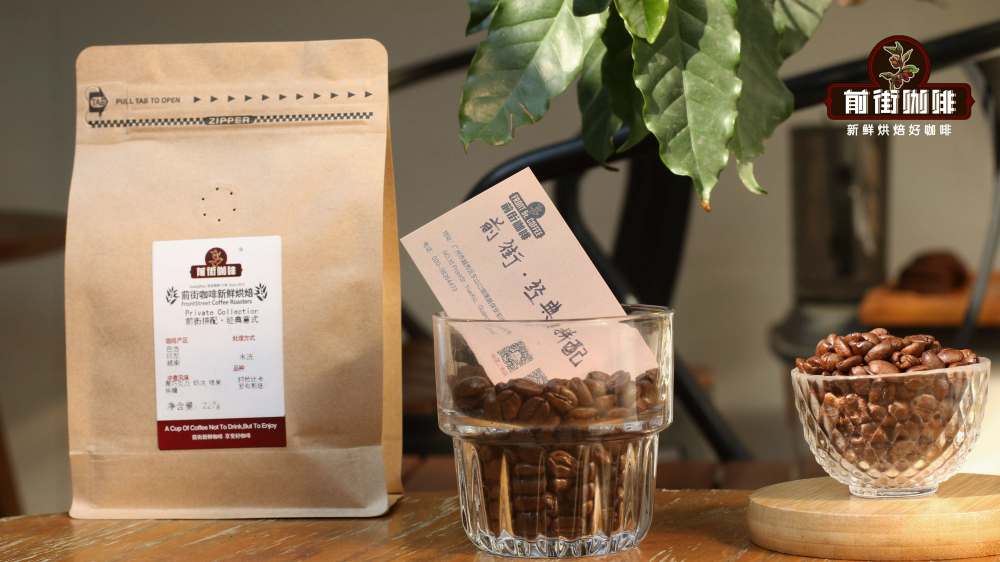
If you want to explore the diverse expressions of Mandheling, it’s recommended to start with two classic beans: one is the Indonesian Mandheling from the Lintong region, classified as Indonesia’s top-grade G1, with fewer than 3 defective beans (based on a 300g sample). Its flavors are representative and its price is affordable, making it an excellent practice bean for beginners using pour over or French press; the other is the Golden Mandheling from the Aceh region, which, on top of being G1 grade, undergoes at least three manual selections and one machine screening. The beans are uniform in size and deep green in color, representing a high-spec premium-grade Mandheling. It’s not only suitable for everyday brewing but also an ideal gift choice for coffee enthusiasts.
The main difference between these two beans lies in their selection process and overall consistency.Lintong Mandhelingalready possesses the classic characteristics of Mandheling and is suitable for exploring various brewing methods; whereasPWN Golden Mandhelingis more rigorously selected, with neat bean appearance and a purer, more consistent flavor. It’s an unmissable choice for coffee lovers seeking a high-quality experience.
Regarding storage, it’s recommended to consume the coffee within 30 to 45 days after roasting to achieve the best flavor expression. Generally, coffee beans are shipped within 5 days after roasting and support fast delivery. Once received, they should be stored in a dark, low-oxygen, and low-humidity environment. You can choose a sealed jar or a professional coffee storage bag to extend the beans' flavor life.
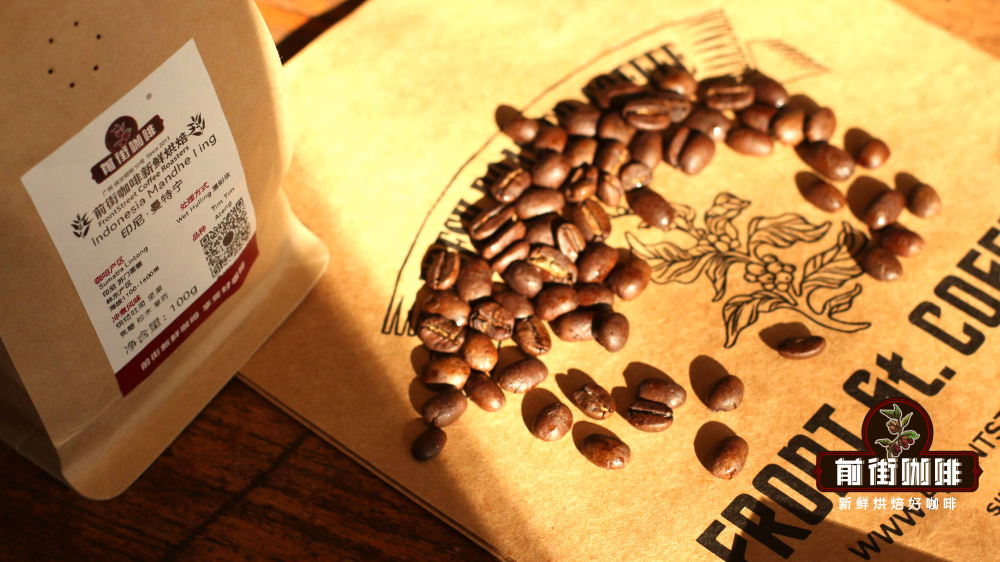
The reason Mandheling is commonly medium-dark roasted is that this level can fully bring out its rich characteristics, while making unique herbal and earthy flavors more distinct. Typically, Mandheling is roasted just before the “second crack” to balance flavor and body. It’s important to note that the deeper the roast, the more carbon dioxide is generated inside the beans. Within 3 to 4 days after roasting, the bean surface may appear oily, which is normal and does not affect the drinking experience.
Mandheling is not only suitable for pour over but can also be used as an SOE (Single Origin Espresso) in espresso machines or moka pots. Its rich and bold nature, along with clear caramel and nutty aromas, can produce espresso with a layered and complex flavor. Below is a set of practical SOE espresso extraction parameters: use 20 grams of coffee grounds, aiming to extract 40 grams of coffee liquid, with a 1:2 powder-to-liquid ratio. The grind size is recommended to be set at Galileo 2.0 (approximately medium-fine to slightly finer than medium-fine), with extraction time controlled between 26 to 33 seconds. During operation, dry the portafilter first, distribute the grounds evenly, then tamp firmly to ensure stable extraction. Start the extraction, and when the coffee liquid reaches 40 grams and the time falls between 28 to 33 seconds, you’ll have a richly flavored Mandheling SOE espresso.
If you’d like to further make a Mandheling SOE Americano, you can adjust the strength by adding an appropriate amount of cold water or 80°C hot water according to personal taste; if making an SOE latte, it’s recommended to use a 1:6 coffee-to-milk ratio, combining 40 grams of espresso with 240 grams of steamed milk. The milk temperature should be controlled between 50 to 65°C, and a dense yet moderately thick milk foam should be frothed. The final drink will carry aromas similar to clove-flavored cocoa cookies, with a rich and smooth mouthfeel, making it very suitable for autumn and winter enjoyment.
The above content is compiled by CoffeeHunters, a coffee news website.


