







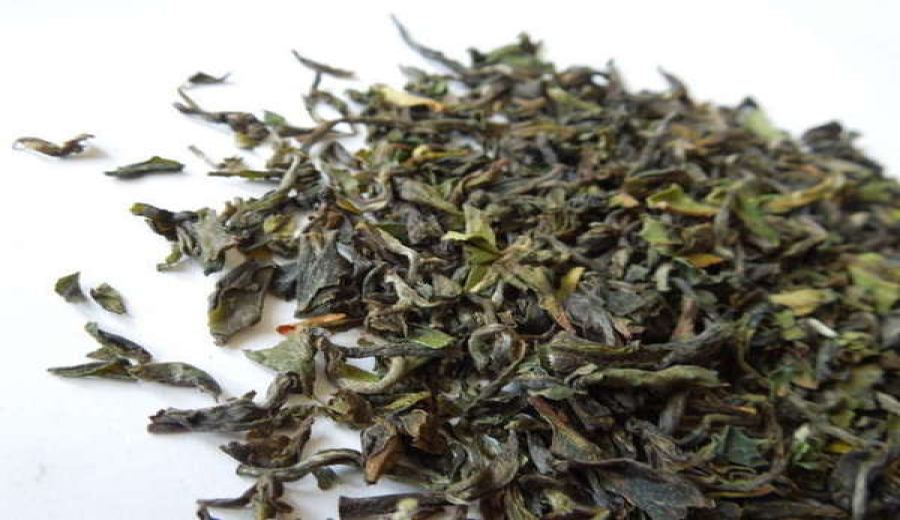
Introduction:The unique honey-like aroma of black tea actually stems from the subtle interplay of six key compounds within the tea plant. These components not only create layers of flavor but also vary with the season, cultivar, and plucking technique. This article takes you deep into how substances such as amino acids and polyphenols shape the richness and aroma of black tea, and analyzes the differences between spring and summer teas, allowing you to better appreciate the delicacy and science behind each sip.
Why can some black teas emit such enchanting honey-like aromas? The secret lies in the exquisite collaboration of six major compounds in the tea plant. Scientists have identified over six hundred chemical components in tea leaves related to aroma and taste, and by skillfully utilizing pigments, sugars, amino acids, fatty acids, caffeine, and polyphenols among them, tea makers can craft a rich and diverse flavor spectrum. From varietal selection, season, harvest tenderness to processing details, every step deeply influences the final expression of the tea liquor.
The source of tea aroma actually lies in the tea garden. Researchers have discovered numerous aromatic substances in tea leaves with peculiar names, such as "linalool" and "hexanol." It’s worth noting that the ones truly at play during tea processing mainly come from six basic types of compounds inherent to the tea plant. These components originally serve as the plant’s natural defense system to attract nutrients and resist pests and diseases—for instance, some substances are meant to repel aphids and leafhoppers. One could say that, to some extent, tea makers stimulate the plant’s defense mechanisms by appropriately damaging the leaves, thereby producing rich aromas and flavors.
Timing the harvest is a crucial factor affecting tea quality. Generally speaking, when tea plants are in their vigorous growth phase, the ratio of various compounds in the leaves is most ideal. Except for tropical tea regions like Assam and Ceylon, most high-quality teas reach their peak flavor in spring, which is one of the reasons why spring tea is often regarded as a premium product.
Like other plants, tea plants rely on photosynthesis to obtain energy. Chlorophyll and carotene help capture sunlight, converting carbon dioxide and water into sugars such as glucose. When winter daylight decreases, tea plants enter dormancy, storing nutrients in their roots; when spring warms up, they use these reserves to sprout new buds. As the new buds grow, the tea plant synthesizes amino acids to build proteins while also producing caffeine and polyphenols as defensive substances to fend off insect attacks and protect tender leaves from damage.
Connoisseurs with a deep understanding of tea liquor flavor know that caffeine and polyphenols, together with sugars, amino acids, and fatty acids, collectively shape the overall flavor profile of the tea. Sugars primarily contribute sweetness, fatty acids add diverse aromas, and amino acids influence the mouthfeel of the tea, giving it either a mellow or bright character. Among them, L-theanine is a particularly important amino acid commonly found in high-quality teas. Not only does it enhance the smoothness of the tea, but research has also pointed out its potential to soothe the nerves and improve focus—this is also one of the reasons why tea feels gentler compared to coffee.
Caffeine, an alkaloid, adds a slight bitterness to the tea liquor; while tea polyphenols impart a characteristic astringency and puckering sensation, among which EGCG (epigallocatechin gallate) and EC (epicatechin) are the two most crucial polyphenols. EGCG usually brings a smooth mouthfeel, whereas EC may present a more rough grassy taste. The reason spring tea tastes round and mellow is precisely because it has a higher EGCG content and a relatively lower proportion of EC. In Japan, such teas are often called Senchas; in China, there’s Qingming tea, and in Darjeeling, it’s known as First Flush tea.
As summer arrives, the growth rate of tea plants slows down, and they divert more energy to deepening their root systems to cope with high temperatures and insect threats. Compared to the early spring-plucked buds, tea leaves harvested in May and June often exhibit a more pronounced grassy flavor and a thinner body. This is due to a roughly one-third drop in amino acid content, along with a significant rise in the ratio of EC and EGCG. Some late-season teas, such as Darjeeling’s Second Flush or certain oolong varieties, have noticeably lower levels of glucose and amino acids. To compensate for this nutrient difference, some tea-growing regions even allow insects to lightly nibble the leaves before harvest, triggering the tea plant to produce special defensive compounds, thereby bringing out fruity notes reminiscent of muscat grapes.
The chemical composition ratios of different tea cultivars also vary greatly, which is another important factor influencing flavor differences. Tea makers have cultivated hundreds of varieties through hybridization between Camellia sinensis and Assamica. For example, China’s Da Bai tea variety can grow large, sugar-rich buds, especially suitable for making white tea and premium black tea; while Japan’s Yabukita variety, which accounts for over ninety percent of the market share, is widely loved for its high amino acid and relatively low polyphenol content. Additionally, the chocolate notes found in Keemun black tea and Sri Lanka’s New Vithanakande black tea are also related to the cultivars’ naturally high amino acid content.
Once the cultivar and harvest timing are determined, the picking method also directly affects the compound content and the performance of the tea liquor. The highest-grade black teas usually come from the tea plant’s youngest and most tender leaves—known as the bud set, consisting of one bud and the two adjacent young leaves. These tender leaves play a critical role in the early growth stage of the plant, containing abundant nutrients and forming the foundation for high-quality tea liquor. In contrast, fully mature leaves, having already transported most of their nutrients to the roots, contain relatively fewer internal substances. Mechanical harvesting, unable to distinguish between tender and old leaves, often ends up collecting only the outer, coarser leaves, resulting in a flat-tasting final tea. Therefore, hand-picking remains an indispensable step in the production of many premium black teas, where skilled tea pickers carefully select each leaf with a knife to ensure only the best tender leaves enter the tea-making process.
The above content is compiled by CoffeeHunters, a coffee news website.


