







Introduction:Darjeeling tea is world-renowned, but do you know which Indian hill town it originates from? This small town located on the southern foothills of the Himalayas, thanks to its unique geography and climate, produces world-class high-altitude tea. This article delves into Darjeeling’s geographical location, climatic features, tea garden distribution, and economic structure, taking you behind the story and practical information of this classic tea.
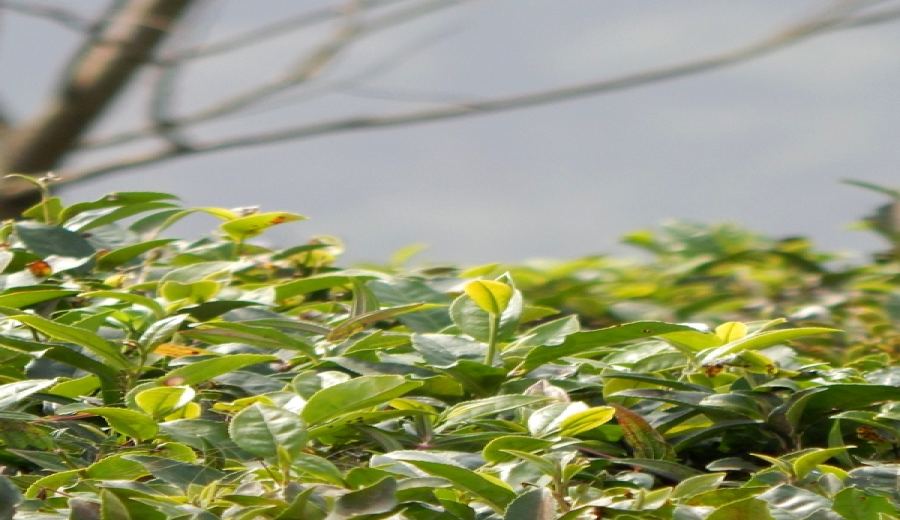
Darjeeling tea is a famous specialty of the Darjeeling region in West Bengal, India. This mountain town is situated on the southern side of the Himalayas, with an average elevation of about 2,100 meters, and has long been known as the “Land of Thunderbolts.” The local climate spans tropical to sub-alpine zones, featuring not only abundant rainfall but also significant day-night temperature variations, providing an ideal growing environment for tea plants. Most tea gardens are concentrated on slopes at around 1,800 meters above sea level. Such altitude not only helps concentrate the aroma and flavor of the tea, but also contributes to the unique layered taste of Darjeeling tea.
The tea industry is a major pillar of Darjeeling’s rural economy, though local farmers also cultivate other crops such as rice, corn, and cardamom, forming a diversified agricultural structure. In addition, Darjeeling, as a well-known Himalayan mountain resort, attracts a large number of tourists each year, and together with the tea industry, supports the city’s economy. This article will provide a detailed introduction to Darjeeling’s geographical environment, historical background, economic framework, and supplement it with practical details to help readers gain a more comprehensive understanding of this mountain town and its tea culture.
Darjeeling is located at the northernmost tip of West Bengal in northeastern India, and is referred to as Dorjeling in the Tibet region. It is about 305 miles (approximately 490 kilometers) by car north from Kolkata, India. The average elevation of the entire town is about 7,000 feet, or roughly 2,100 meters, with rugged terrain and spectacular scenery.
This mountain town lies adjacent to a narrow ridge in the Himalayas of Sikkim, featuring steep terrain that extends all the way down to the bed of the Teesta River below. On clear days, one can even see the world’s highest peak cluster from elevated spots in the town, including Kangchenjunga, which stands at 28,169 feet (about 8,586 meters), as well as Mount Everest, visible from nearby viewpoints. Thanks to this breathtaking natural landscape and unique cultural atmosphere, Darjeeling has become a world-famous mountain resort. The peak tourist seasons are generally from April to June, and from September to November. In terms of transportation, highways, railways, and air routes all provide convenient connections to Kolkata, making it easy for travelers to visit.
Looking back at history, the Darjeeling region was formally ceded to the British by the King of Sikkim in 1835, and was subsequently developed into a sanatorium for British soldiers. By 1850, the area established a municipality, marking the beginning of its modern development. The Chaurastha district in the city center, meaning “intersection of four roads,” is a shopping and pedestrian zone surrounding the main road junction. It is not only the busiest commercial hub locally, but also an excellent starting point for tourists to explore Darjeeling’s culture and charm.
Darjeeling also boasts several distinctive landmarks. For instance, Tiger Hill is the highest point in Darjeeling, standing at approximately 7,137 feet (2,175 meters), and is home to the Mahakal Temple, a sacred site revered by both Hindu and Buddhist devotees. Observatory Hill hosts a nature park and the Himalayan Mountaineering Institute, serving as a key destination for outdoor enthusiasts and beginner mountaineers. Additionally, the Lloyd Botanical Garden, established in 1865, is renowned for its rich collection of Himalayan plants. The town also features a zoo, a natural history museum, and a racecourse, showcasing Darjeeling’s diverse cultural and recreational offerings.
The Darjeeling region enjoys a varied climate, ranging from tropical to sub-alpine, with characteristics changing according to altitude. The area not only receives abundant rainfall and is covered with coniferous and oak forests, but also produces many types of valuable timber. The local rural economy centers around tea cultivation, as the high altitude and special climatic conditions are extremely suitable for tea plant growth, particularly on slopes around 6,000 feet (1,800 meters) above sea level, which are most ideal for tea garden development. In addition to tea, various other crops such as rice, corn, cardamom, and wheat are grown here, forming a composite agricultural economic model.
According to past statistical data, the population of the Darjeeling region was approximately 107,197 in 2001 and grew to 118,805 by 2011, indicating a stable population growth trend in this mountain town. Furthermore, Darjeeling is known for its high-quality boarding schools, with numerous colleges located within the city and surrounding areas, affiliated with the University of North Bengal, established in 1962, offering a wide range of educational resources and academic environments.
The above content is compiled by CoffeeHunters, a coffee news website.


