







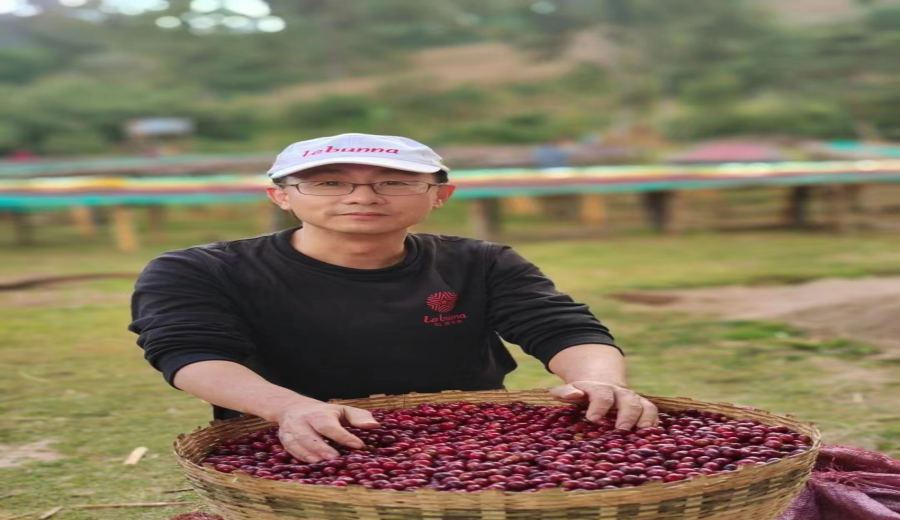
Introduction:Since winning the Natural category at the TOH (Taste of Harvest) competition in 2017, the Huakui coffee beans have captivated the world with their silky strawberry cream texture and rose-like floral aroma. However, with the subsequent releases of Huakui 6.0 and the smaller-bean version, many consumers have become confused about the differences in origin, variety, and processing methods. This article will delve into the evolution of the native varieties from the Hambella region, compare the characteristics of each version, and provide practical pour-over brewing recommendations to help you better appreciate the unique charm of this high-value natural-processed bean.
Since winning the Natural category at the TOH (Taste of Harvest) competition in 2017, Huakui coffee beans have quickly become a focal point in the specialty coffee scene. These beans from Ethiopia impressed coffee enthusiasts with their delicate strawberry cream flavor, elegant rose aroma, and layered tropical fruit fermentation notes. But what exactly distinguishes the commonly seen Huakui 6.0 and small-bean Huakui on the market today from the original champion batch of 2017? And why is it difficult to find the name "Huakui" in the international market? This article will comprehensively explore the origins, processing plant information, variety characteristics, processing techniques, and practical brewing advice for this popular natural-processed bean.
Looking back to 2017, this Natural category champion bean stunned the industry with its unprecedented flavor profile—its silky strawberry cream mouthfeel upon entry, distinct rose floral notes, and a finish with unique tropical fruit fermentation aromas. Although subsequent Huakui X.0 series (such as 2.0 in 2018 through 6.0 in 2022) did not fully replicate that year’s spectacular performance, they still maintained a rich juiciness and tea-like smooth aftertaste, along with a relatively approachable price, allowing many novice coffee enthusiasts to experience for the first time how coffee can offer a refreshing fruit-tea-like flavor.
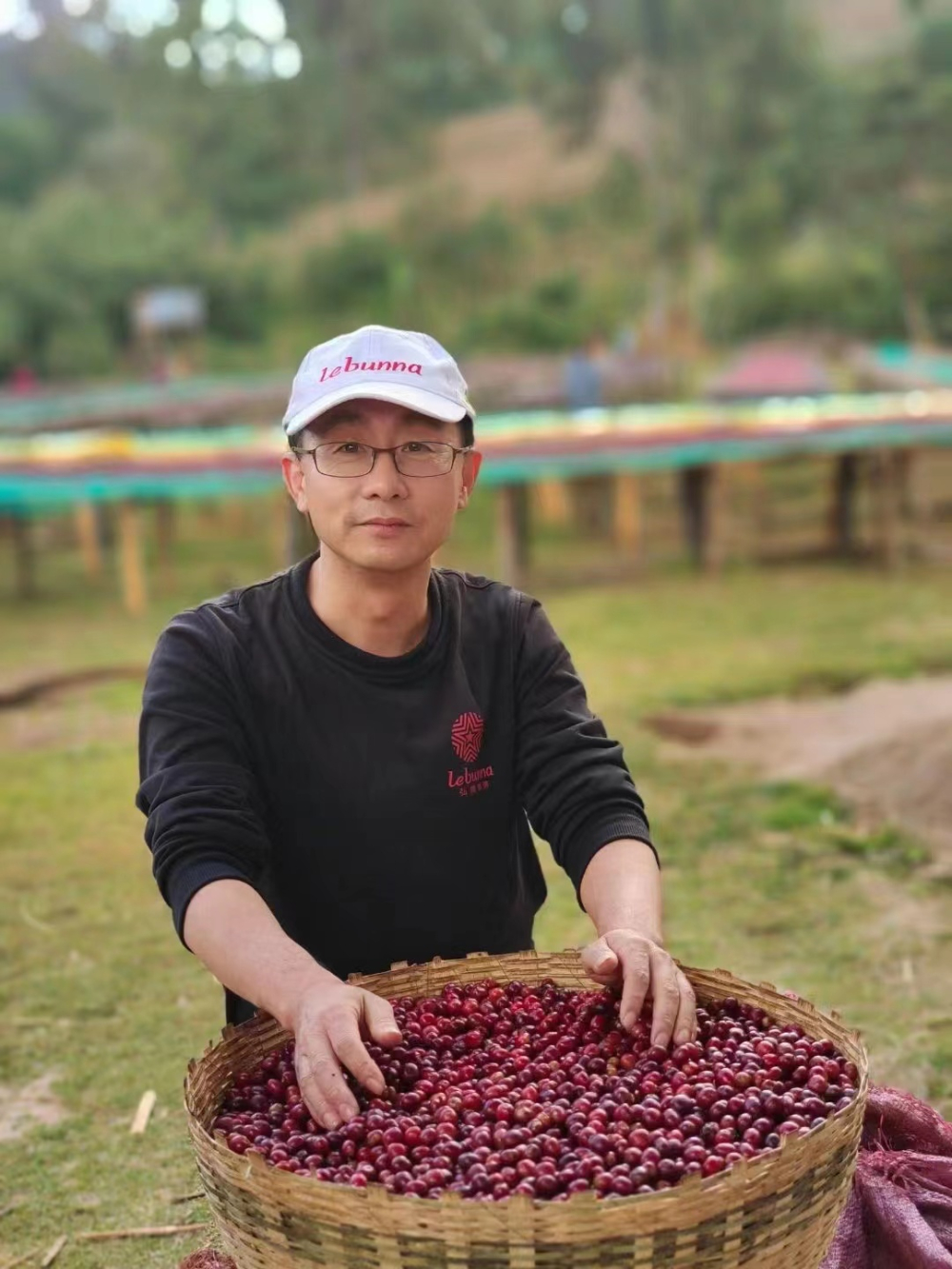
However, many consumers may not realize that the currently available "Huakui X.0" differs from the original 2017 champion batch. Since coffee is an agricultural product, its flavor is highly susceptible to changes in climate, soil, and microclimate, resulting in annual fluctuations in bean flavor profiles. To distinguish beans from different harvest years, DW Green Beans introduced the X.0 naming system: the 2018 harvest became Huakui 2.0, and so on, with 2022 being Huakui 6.0.
As for why the name "Huakui" is hard to find in the international market, the reason lies in the fact that this is a naming convention unique to the Chinese market. Abroad, these beans are typically categorized as Natural-processed coffee beans from the Hambella region. After the 2017 champion beans were released, DW established a dedicated processing facility in the Dimtu area of Hambella’s core region, which includes processing stations such as Buku Abel, Buku Saysay, Haro Soresa, and Tirtiro Goye, with an annual production of approximately 1,100 tons. It’s worth noting that only the Natural-processed Ethiopian native variety beans produced in the same small growing area as the 2017 champion batch, under the jurisdiction of the Buku Abel processing station, qualify to be named "Huakui X.0".
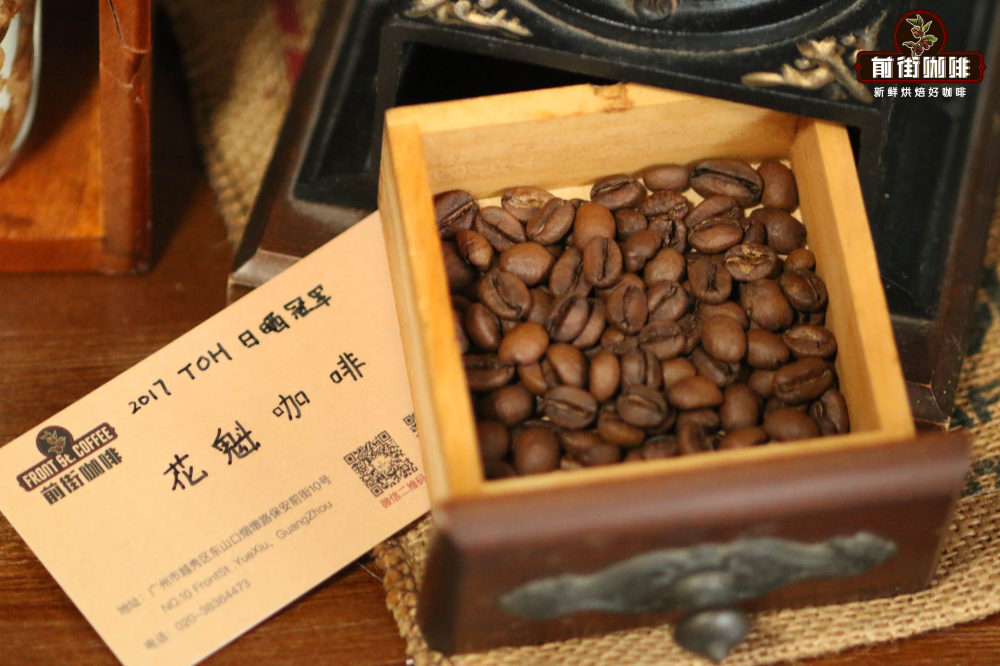
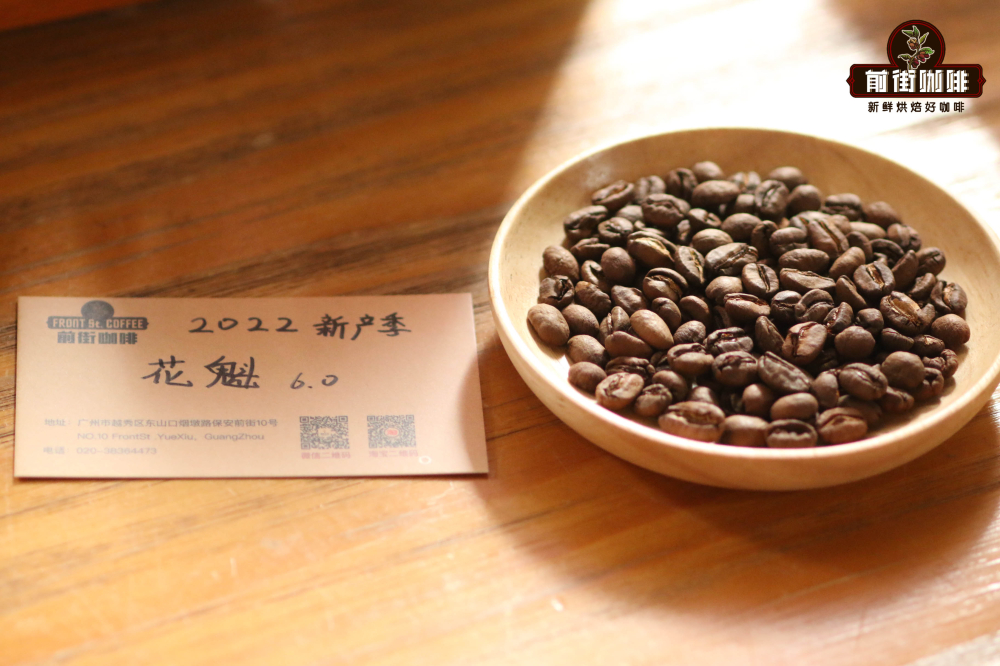
Based on actual cupping experiences, one coffee team found that although later-season Huakui X.0 beans were slightly inferior in overall body and aftertaste compared to 2017, some smaller beans from the Buku processing station between 2018 and 2019 exhibited flavor profiles similar to those of 2017. Further analysis revealed that the key to the 2017 champion flavor actually came from these rare small beans—among ten sacks of Huakui X.0, only a few sacks contained this special variety. After repeated cuppings in 2018 and 2019, the team confirmed that these small beans were the main source of the captivating aroma that year and relayed this finding to the green bean supplier. As a result, starting in 2020, the market officially distinguished between "Huakui 4.0" and "small-bean Huakui", with the latter not belonging to the 【X.0】series. By 2022, both Huakui 6.0 and small-bean Huakui were available side by side.
In fact, "Huakui" is merely a name used in the Chinese market; its essence is the Natural-processed Ethiopian native variety beans produced by the Buku processing station in Hambella. The so-called Ethiopian native variety is not a single variety, but rather a mixed population of un-commercially single-variety-selected cultivars from Ethiopia’s coffee genetic treasure trove. Due to the wide variety of cultivars and the difficulty in identification, coupled with the local government’s conservation policy of not disclosing specific variety information, the market collectively refers to them as Ethiopian native varieties. It is also because of this mixed planting and harvesting characteristic that the beans vary in size, which is why occasional small beans appear even within the same batch of Huakui X.0.
In terms of processing, Huakui employs the most traditional Natural method: harvested coffee cherries are rigorously sorted and dried whole under the sun until their moisture content drops to around 13%, after which the skin, pulp, and mucilage are removed. This processing method allows the sugars in the pulp and mucilage to naturally ferment under the sun’s high temperature, with some sugars and fermentation aromas penetrating into the bean core, thereby imparting the coffee beans with a rich sweetness and soft fermented aroma.
For this distinctly flavored Natural bean, one coffee shop typically uses a light roast during roasting to preserve its fruity and floral characteristics and delicate aromas. Due to the high-altitude environment of the Hambella region, which results in significant day-night temperature variations, the coffee beans have a longer growth cycle, denser bean structure, and higher density. Therefore, special attention should be paid to parameter settings during extraction. It is recommended to use a medium-fine grind (based on China’s No. 20 standard sieve, with a sieve passing rate of about 75%-80%), water temperature controlled at 90-91°C, and a coffee-to-water ratio of 1:15. The specific brewing process can follow the following three-stage steps: start by pouring 30 grams of water for a 30-second bloom at timing start; then pour water in small circles up to 125 grams, wait until the bed water level drops by half, then continue pouring up to 225 grams, with the total extraction time being approximately 2 minutes 20 seconds to 2 minutes 30 seconds.
As for the flavor profile of small-bean Huakui, it is characterized mainly by passion fruit, fermented wine notes, strawberry, jackfruit, and black tea, making it ideal for coffee lovers who enjoy intense fruitiness with a unique vinous character. By understanding the regional background, processing differences, and precise brewing parameters, you’ll be able to more fully experience the multi-layered flavor charm of this classic Ethiopian Natural bean.
The above content is compiled by CoffeeHunters, a coffee news website.


