







Introduction:Darjeeling black tea is renowned for its distinctive floral-fruity aroma and alpine character. Glenburn Tea Estate, a representative example of colonial-to-local transition in the region, not only preserves historic architecture but also offers an immersive tea culture experience. This article analyzes the estate’s geographical advantages, details of its growing environment, and recommends optimal travel times based on climate conditions—helping you avoid the rainy season’s humidity and seize the golden window to taste freshly picked spring and autumn teas.
Dubbed the “Champagne of Teas,” Darjeeling black tea holds a distinguished place in the global premium tea market with its clear amber liquor and delicate floral-honey notes. This industry, which originated in the mid-19th century when British colonists introduced tea seeds from China, has been refined over generations to develop unique cultivars adapted to the high-altitude environment of the Himalayan foothills. Today, over a hundred tea gardens in Darjeeling welcome visitors, and among them, Glenburn Tea Estate stands out as an exceptional starting point for deepening your understanding of the region’s tea culture, thanks to its historical legacy and diverse experiential offerings.
The history of Glenburn Tea Estate dates back to the era of Scottish tea companies, and it is now managed by a local Indian tea farming family. The estate’s most distinctive feature is its transformation of colonial-era European bungalows into comfortable guest rooms. Visitors can stay in spaces that retain Victorian charm while participating in a range of immersive activities. It’s recommended to book a guided estate tour in advance—operators typically arrange walking tours of the tea fields, where expert tea farmers explain how slope orientation and altitude influence tea flavor. For example, spring-picked teas from sun-facing slopes often exhibit pronounced citrus notes, while leaves grown in shaded areas may develop richer muscatel and white peach aromas.
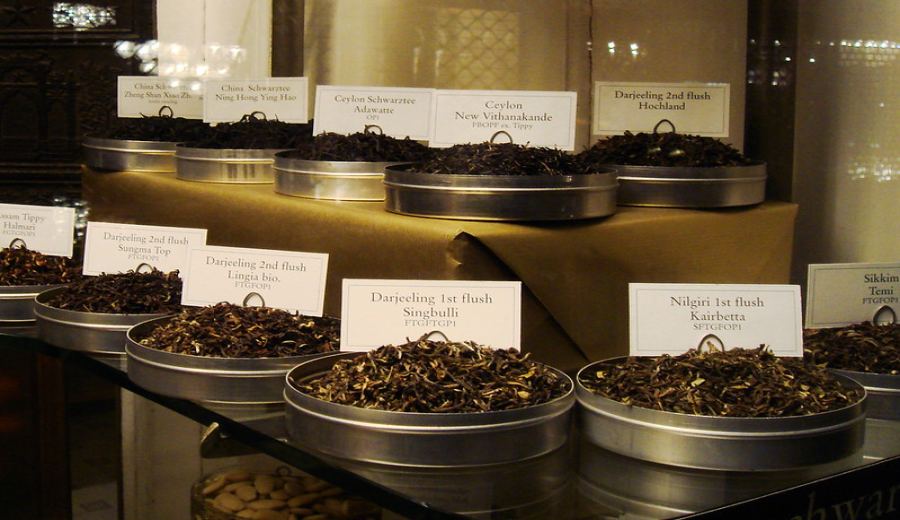
For those wishing to observe the black tea production process up close, the estate’s on-site factory offers half-day tour programs. Visitors can witness freshly plucked tea leaves undergo withering, rolling, fermentation, and drying.Pay special attention to temperature control during the fermentation stage (typically maintained at 20–25°C), as this step directly determines the final liquor’s freshness and aromatic complexity.. The latter part of the tour usually includes a small-scale tea tasting session, featuring side-by-side comparisons of seasonal First Flush (spring), Second Flush (summer), and Autumnal (autumn) teas. It’s advisable to carefully note the differences in leaf thickness and aroma layers across harvest periods.
Beyond tea experiences, the estate features a small spa offering massages infused with Himalayan herbs—an ideal way to relieve fatigue from high-altitude travel. Its adjacent garden, planted with local herbs and flowers, invites evening strolls where you might spot wild blue eagles or Himalayan songbirds. For travelers planning multi-day trips, it’s recommended to schedule Glenburn Tea Estate toward the latter part of your stay in Darjeeling town, allowing you to enjoy the convenience of urban shopping before retreating to the estate’s tranquil mountain ambiance.
The prime travel period for Darjeeling is distinctly seasonal, with the top recommendation beingmid-October to early November, when the monsoon has just ended, air clarity is exceptional, and mornings often feature misty veils over the tea fields. At noon, sunlight piercing through clouds offers clear views of the northern Kangchenjunga mountain range. The next best window islate February to mid-May, when spring temperatures rise to 15–22°C—the peak season for First Flush tea production. The estate is lush and less crowded during this time. Be sure to avoidthe monsoon season from June to early September, when rainfall accounts for over 80% of the annual total, roads become muddy and impassable, new tea shoots grow too rapidly diluting flavor compounds, and the high humidity may compromise accommodation comfort.
Practical tips: bring a windproof jacket for Glenburn Tea Estate (with an altitude of ~2,000m, daytime-nighttime temperature swings can reach 10°C), and if you plan to join early-morning tea field hikes, prepare non-slip hiking shoes. Local restaurants often serve Nepalese curries and Tibetan dumplings. Those sensitive to tea should proactively ask whether dishes use freshly plucked leaves. Overall, Glenburn Tea Estate not only preserves colonial-era architectural charm but also systematically transmits tea culture, enabling visitors to comprehensively understand the profound heritage behind Darjeeling black tea’s status as one of the world’s finest teas—through geography, production details, and sensory appreciation.
The above content is compiled by CoffeeHunters, a coffee news website.


